© Henan Guoxin Machinery Manufacturing Co., Ltd. All Rights Reserved.



Release time:2026-01-16
Choosing the right drying technology is critical for food processors. Different drying methods significantly impact product quality, energy consumption, and production costs. This guide compares three commonly used drying technologies to help manufacturers make informed decisions about their choices.
Working principle:
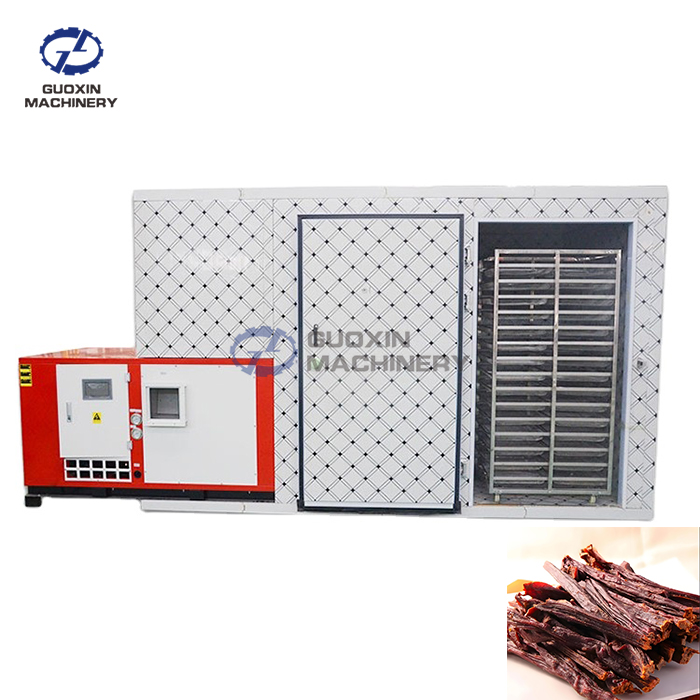
Hot air is blown across materials to evaporate moisture.
Advantages:
Simple structure
Low initial investment
Limitations:
High energy consumption
Difficult temperature control
Risk of color and nutrient loss
Suitable for:
Low-value, heat-resistant materials.
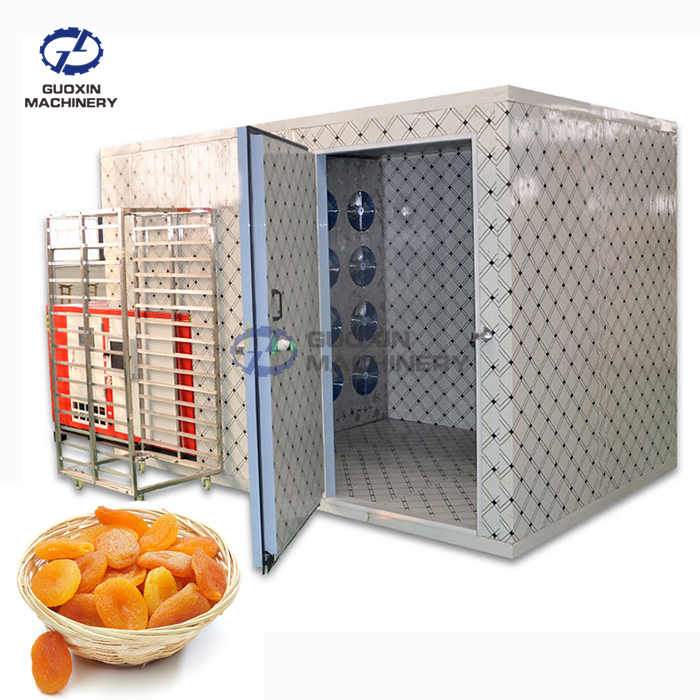
Heat Pump Dryer
Working principle:
Recycles heat in a closed system for low-temperature drying.
Advantages:
Excellent energy efficiency
Precise temperature control
High product quality
Suitable for:
Fruits, vegetables, spices, and medicinal herbs.
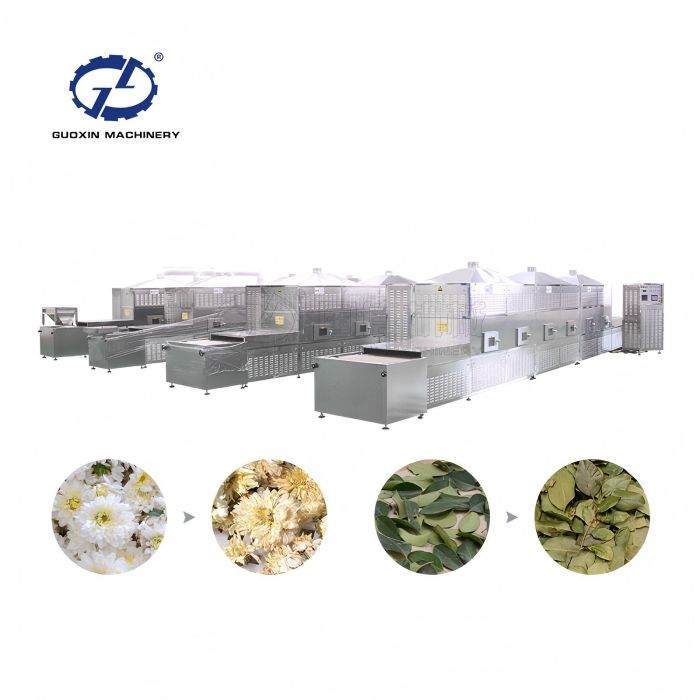
Microwave Dryer
Working principle:
Uses electromagnetic waves to heat moisture internally.
Advantages:
Swift drying
Sterilization effect
Limitations:
Higher equipment cost
Requires precise control
Suitable for:
Food sterilization, final moisture reduction.
| Technology | Energy Use | Product Quality | Speed |
|---|---|---|---|
| Hot Air | High | Medium | Medium |
| Heat Pump | Low | High | Medium |
| Microwave | Medium | High | Fast |
For premium quality → Heat Pump
For large-scale continuous drying → Mesh Belt
For fast drying & sterilization → Microwave
We also offer production line solutions:
Not sure which drying technology fits your product?
Contact us for a professional drying technology evaluation.