
© Henan Guoxin Machinery Manufacturing Co., Ltd. All Rights Reserved.



How do commercial processors achieve 60%–90% faster moisture reduction while simultaneously eliminating pathogens without high-temperature thermal damage? Traditional surface-conduction drying methods (such as hot air ovens) rely on slow heat transfer from the outside of a material to its core. This often results in case hardening (dry skin trapping moisture inside), ...
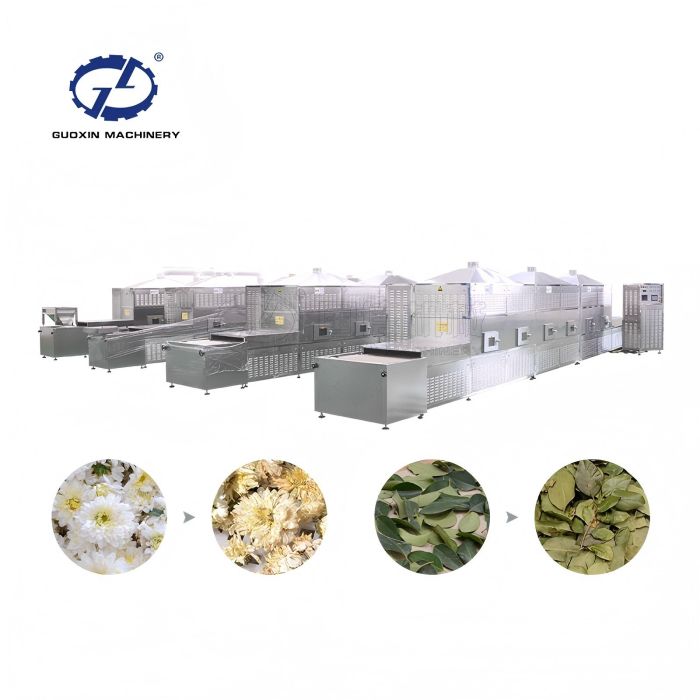
How do commercial processors achieve 60%–90% faster moisture reduction while simultaneously eliminating pathogens without high-temperature thermal damage?
Traditional surface-conduction drying methods (such as hot air ovens) rely on slow heat transfer from the outside of a material to its core. This often results in case hardening (dry skin trapping moisture inside), high energy loss, and long exposure times that degrade natural color, flavor, and active nutritional compounds.
Guoxin Group engineers high-efficiency Industrial Microwave Dryer Machines and Continuous Tunnel Drying & Sterilization Production Lines. Utilizing high-frequency electromagnetic field energy (2450 MHz / 915 MHz), microwave rays penetrate deep into the material core, causing water molecules to oscillate rapidly and evaporate instantly from the inside out.
Whether used as a standalone rapid dehydrator or integrated into a hybrid drying line, our industrial microwave systems deliver fast, uniform moisture removal and dual-action low-temperature pasteurization for food, herbs, spices, and chemical products.
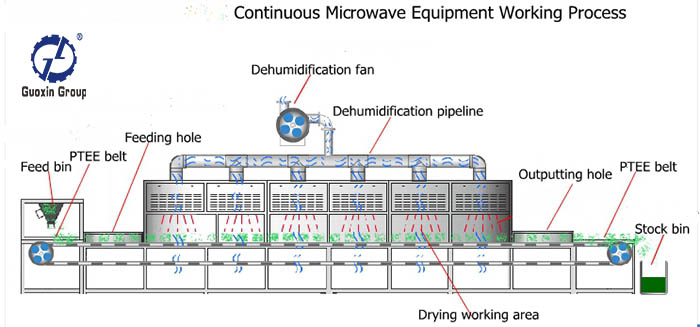
[Electromagnetic Wave Output (2450MHz)] ──► [Volumetric Molecular Friction] ──► [Core-to-Surface Instant Evaporation] ──► [Simultaneous Low-Temp Sterilization]
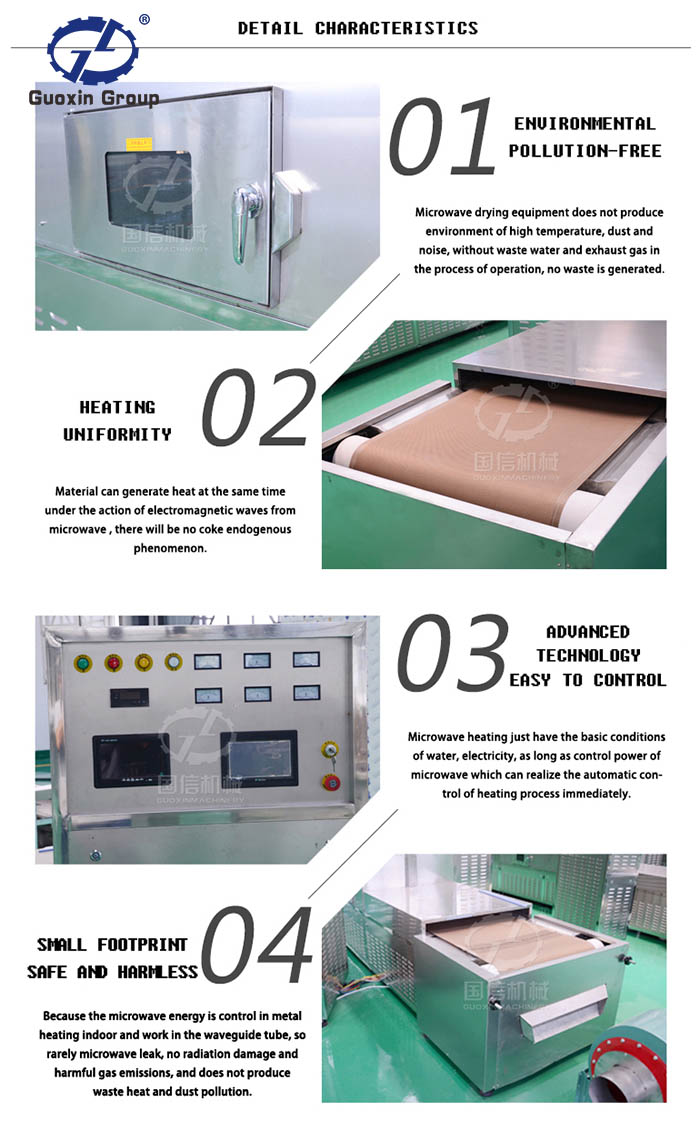
Rapid Volumetric Heating (60%–90% Faster): Energy is absorbed directly by water molecules throughout the entire thickness of the material, eliminating thermal conduction delays.
Elimination of Case Hardening: Because moisture migrates outward driven by internal vapor pressure, the surface remains open and porous, preventing surface crusting.
Dual-Action Low-Temperature Pasteurization: High-frequency electromagnetic radiation disrupts bacterial DNA and cell membranes, achieving complete sterilization (E. coli, Salmonella, mold spores) at gentle temperatures (75°C – 90°C).
30%+ Energy Efficiency Gain: Heat is generated exclusively inside the wet product rather than warming the surrounding chamber walls, drastically reducing idle thermal waste.
Pristine Color & Nutrients Retention: Short thermal exposure cycles preserve heat-sensitive active compounds, natural aromas, essential oils, and original pigments.
(Indexable HTML parameter table replacing unformatted text)
| System Configuration | Power Range (kW) | Microwave Frequency | Magnetron Cooling Type | Conveyor Belt Width | Target Applications |
| Batch Microwave Cabinet | 60 kW – 20kW | 2450MHz ±50 MHz | Forced Air Cooling | Fixed / Rotating Trays | Pilot plants, lab testing, small-batch TCM & extracts |
| Standard Tunnel Dryer | 30 kW – 100kW | 2450MHz± 50 MHz | Air / Water Cooling | 600mm – 1000 mm | Food snacks, spices, nuts, herbal tea, dried fruit |
| Heavy-Duty Industrial Line | 100kW – 300+ kW | 2450 MHz ± 915MHz | Liquid Water Cooled | 1000mm – 1600 mm | High-tonnage chemical powders, minerals, mass food lines |
| Inline Sterilization Module | Custom Output | 2450 MHz ± 50 MHz | Continuous Air Cooled | Adjustable PTFE Belt | Post-packaging microbial reduction & disinfestation |
Guoxin industrial microwave dryer machines are engineered with food-grade SUS304 / SUS316 stainless steel cabinets to serve diverse manufacturing sectors:
                      ┌─── Food & Spices ────────► Chili powder, ginger flakes, nuts, snacks, instant meal packs
                      │
Microwave Application ┼─── TCM & Botanicals ─────► Ginseng slices, floral tea, herbal pills, extracts
                      │
                      └─── Industrial Materials ──► Chemical catalysts, ceramic embryos, timber, paper, masks
Food Processing & Agricultural Products: Dehydration and roasting of nuts (walnuts, peanuts, macadamia), seasonings, garlic flakes, beef jerky, fruit chips, and ready-to-eat meals.
Traditional Chinese Medicine (TCM) & Botanicals: Rapid drying and pasteurization of medicinal roots, ginseng slices, flower teas, granules, and pill formulations.
Chemical & Industrial Materials: Precision drying of ceramic catalysts, mineral powders, honeycomb ceramics, paper tubes, masks, and latex foams.
For high-moisture raw materials (initial moisture >50%), the most cost-effective processing strategy combines two proven technologies:
[Raw High-Moisture Stock] ──► [Continuous Mesh Belt Dryer (Bulk Water Stripping)] ──►
[Tunnel Microwave Dryer (Final Trimming & Pasteurization)] ──► [Pathogen-Free Sealed Packing]
Stage 1 (Primary Evaporation): A Continuous Mesh Belt Dryer or Heat Pump Dryer reduces initial moisture from 80% down to 20% using low-cost bulk thermal energy.
Stage 2 (Precision Finishing): A Tunnel Microwave Dryer Machine trims moisture from 20% down to <3% in minutes while performing inline pathogen sterilization before packaging.
This hybrid workflow reduces overall capital investment (CAPEX) and operating utility cost (OPEX) while guaranteeing strict microbial control.
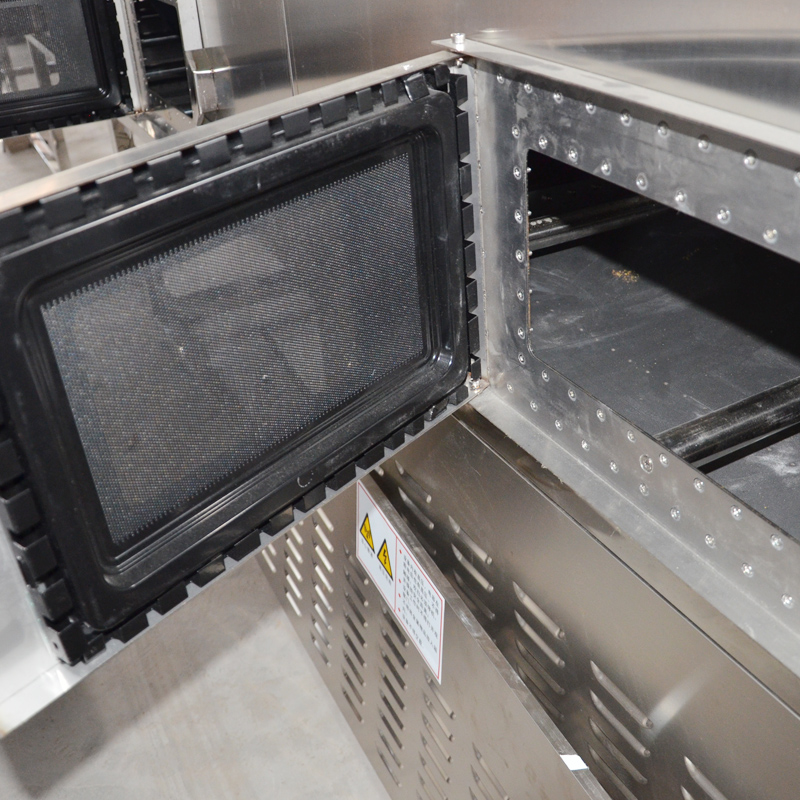
Leakage Suppression System: Multi-layer microwave suppression cavities ensure electromagnetic leakage is kept well under international IEC and FDA safety limits (< 1 mW/cm}^2).
Infrared Temperature Monitoring: Multi-point non-contact IR sensors continuously track product temperatures across the belt, automatically adjusting magnetron power via a Siemens PLC touchscreen.
Industrial Magnetron Arrays: Independent circuit architecture allows single magnetron servicing without interrupting whole-line continuous operation.
Q1: How do I request accurate industrial microwave drying equipment quotes for my facility?
A: To provide a precise customized engineering proposal and quote, our technical team requires: (1) Raw material type, (2) Initial and target moisture content (%), (3) Desired hourly throughput (kg/h), and (4) Available electrical supply (Voltage/Hz). Contact Guoxin engineers today for a free calculation and material testing report.
Q2: Will industrial microwave drying alter the active chemical compounds or flavor of my product?
A: When operated within optimized thermal parameters ( 45℃- 85℃ ), microwave drying preserves heat-sensitive compounds better than traditional hot-air dryers. Because exposure time is measured in minutes rather than hours, volatile aromatic oils, vitamins, and active pharmaceutical ingredients (APIs) remain intact.
Q3: What is the typical lifespan and maintenance requirement for industrial magnetrons?
A: Heavy-duty industrial magnetrons operate reliably for 5,000 to 8,000 hours. Guoxin microwave dryers feature modular electrical control panels with independent fuses and forced-cooling systems. Individual magnetrons can be replaced in under 15 minutes without shutting down the entire plant production line.
Q4: Is microwave drying suitable for high-moisture slurry or bulk raw materials?
A: While microwave systems can evaporate water rapidly, using pure microwave power to remove surface water from wet slurry (>60% moisture) consumes higher electricity per ton. For maximum Return on Investment (ROI), we recommend a hybrid processing setup: a Hot-Air Mesh Belt Dryer for initial moisture reduction, followed by a Microwave Tunnel for final moisture trimming and sterilization.
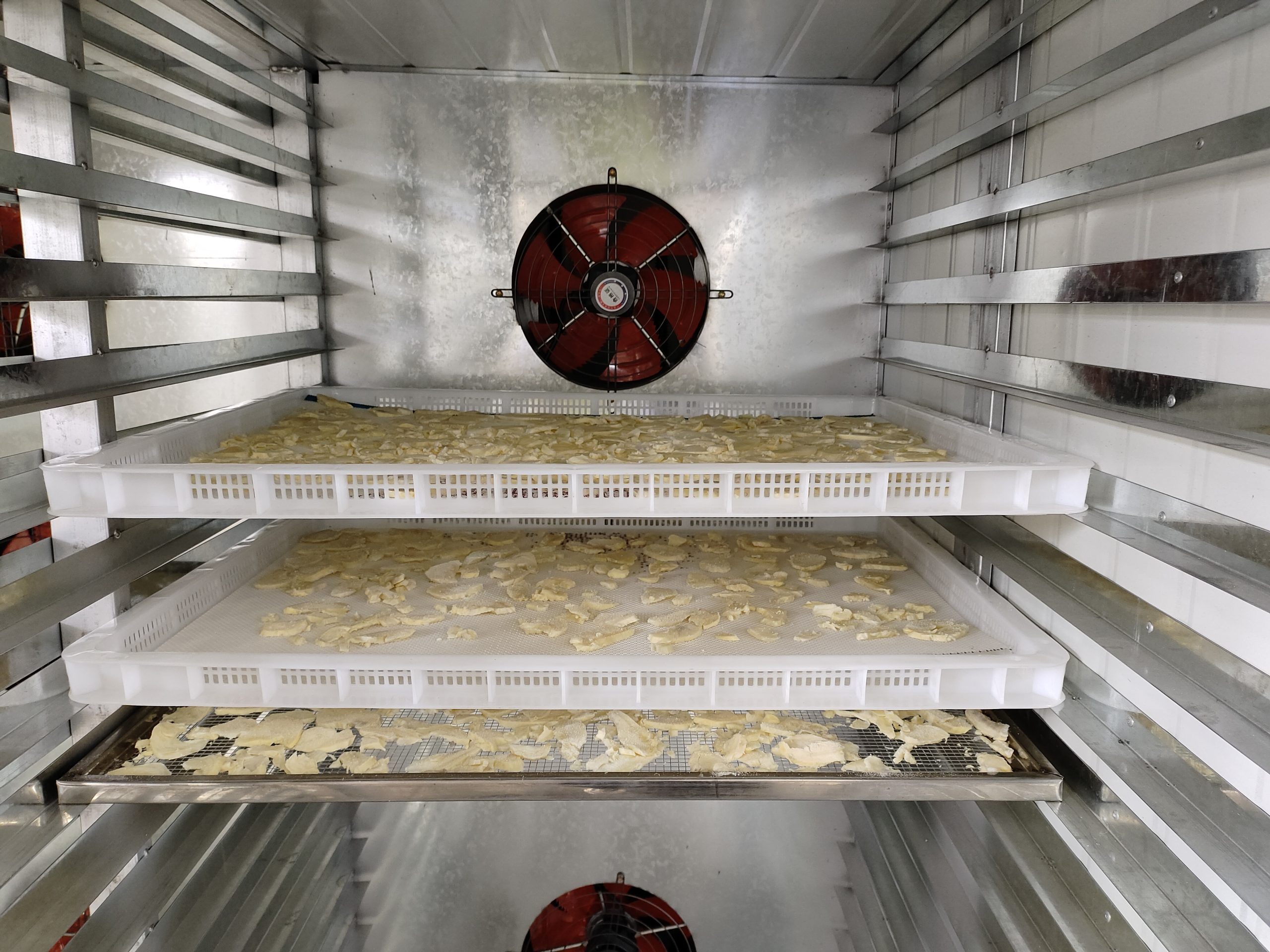
Commercial Durian Dehydration: Preserving Quality with Heat Pump Technology
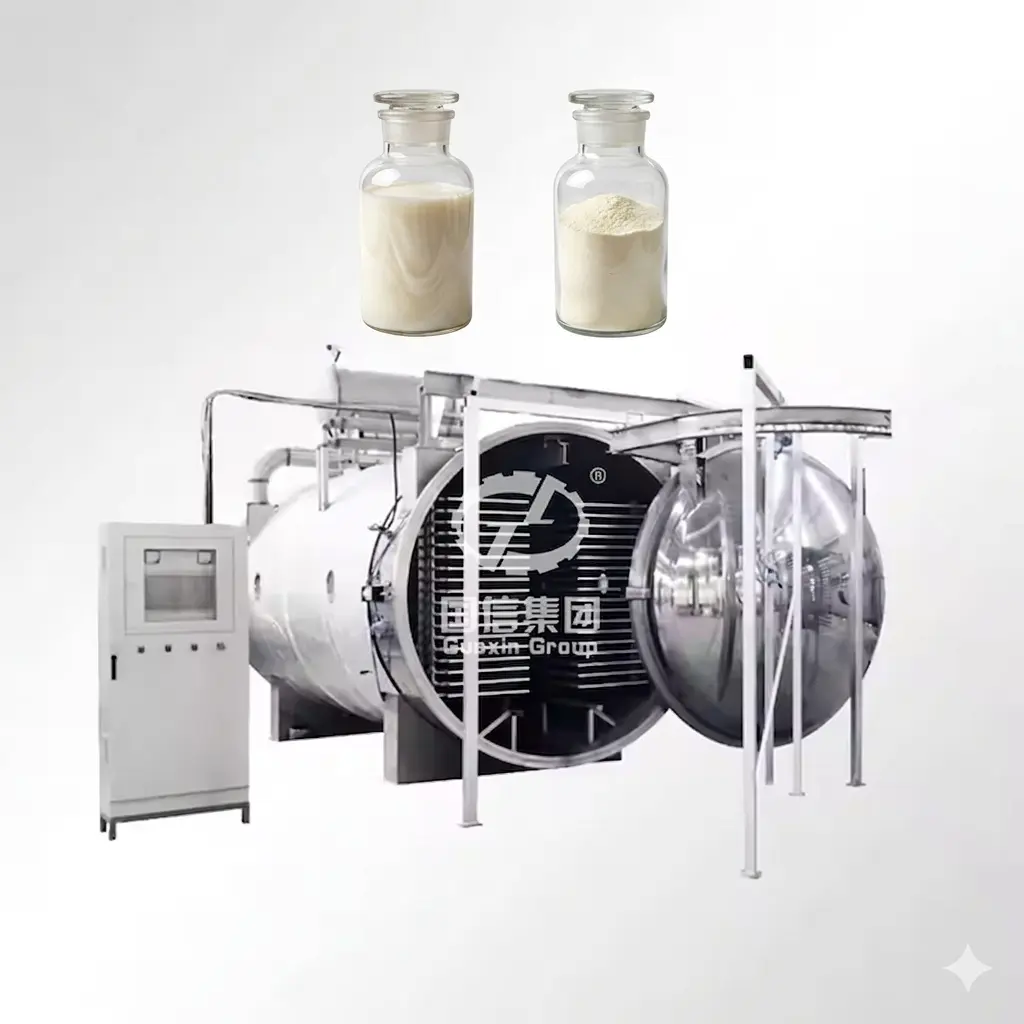
Milk Powder Drying – Parameters for Consistent Final Moisture and Functional Properties
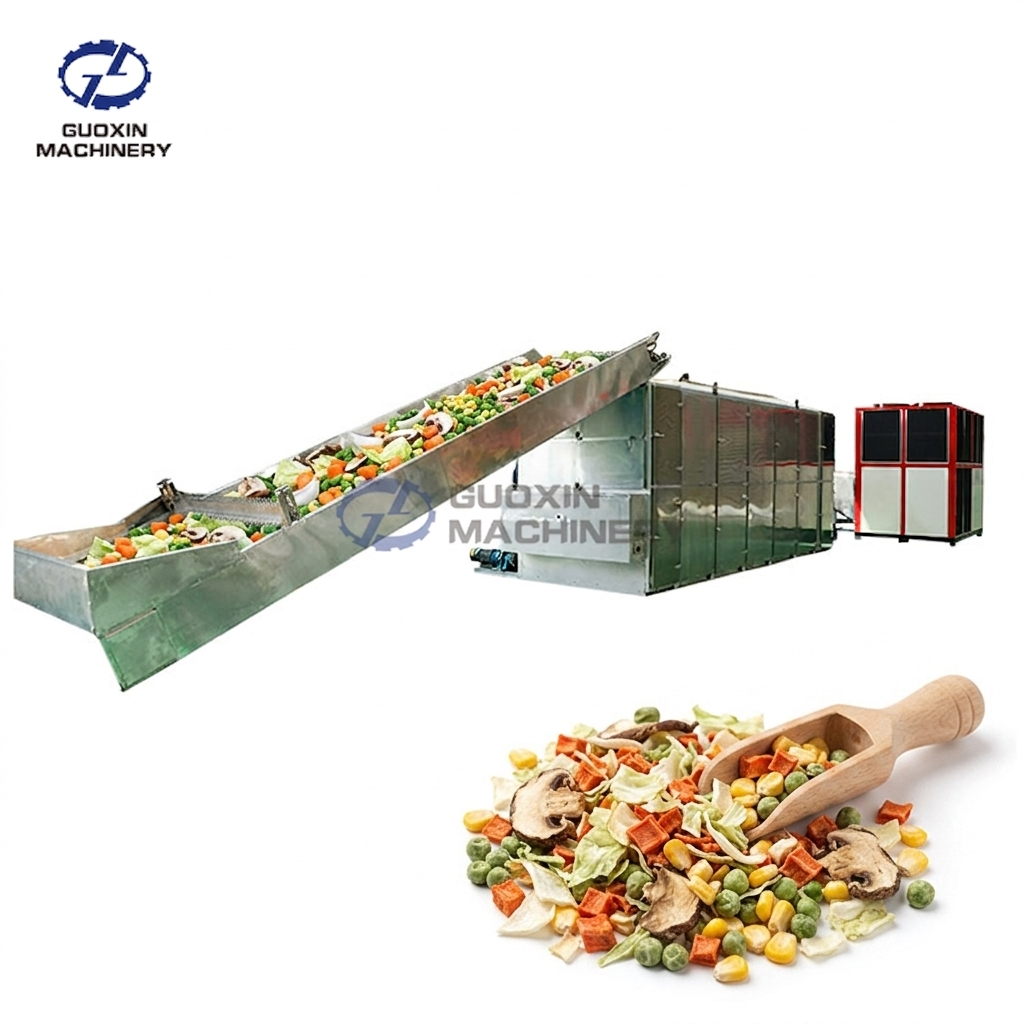
Dehydrated Vegetables for Instant Noodle Seasoning – Drying Parameters for Consistent Quality in Seasoning Packs
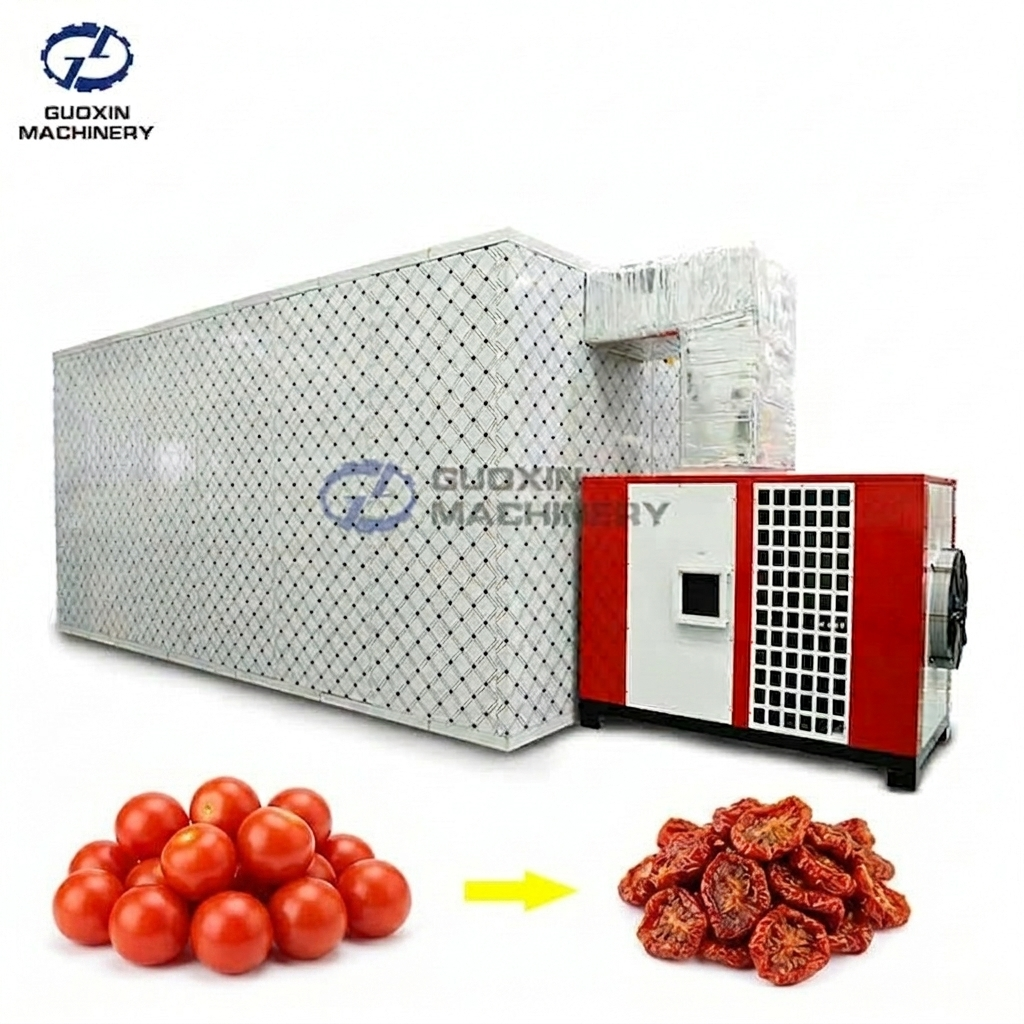
Sun-Dried Tomato Drying – Parameters for Industrial Production of Consistent Tomato Slices