© Henan Guoxin Machinery Manufacturing Co., Ltd. All Rights Reserved.



Release time:2026-01-26
Designing a complete drying line for medicinal herbs involves more than just choosing the right drying equipment. The entire process—from raw material intake to packaging—must be optimized for efficiency, quality, and compliance with GMP (Good Manufacturing Practice) standards.
In this guide, we’ll take you through the key considerations for each step of the drying process, ensuring that your system delivers consistent, high-quality results. Whether you’re processing ginseng, licorice, or chrysanthemum, this article provides you with everything you need to know for a successful design.
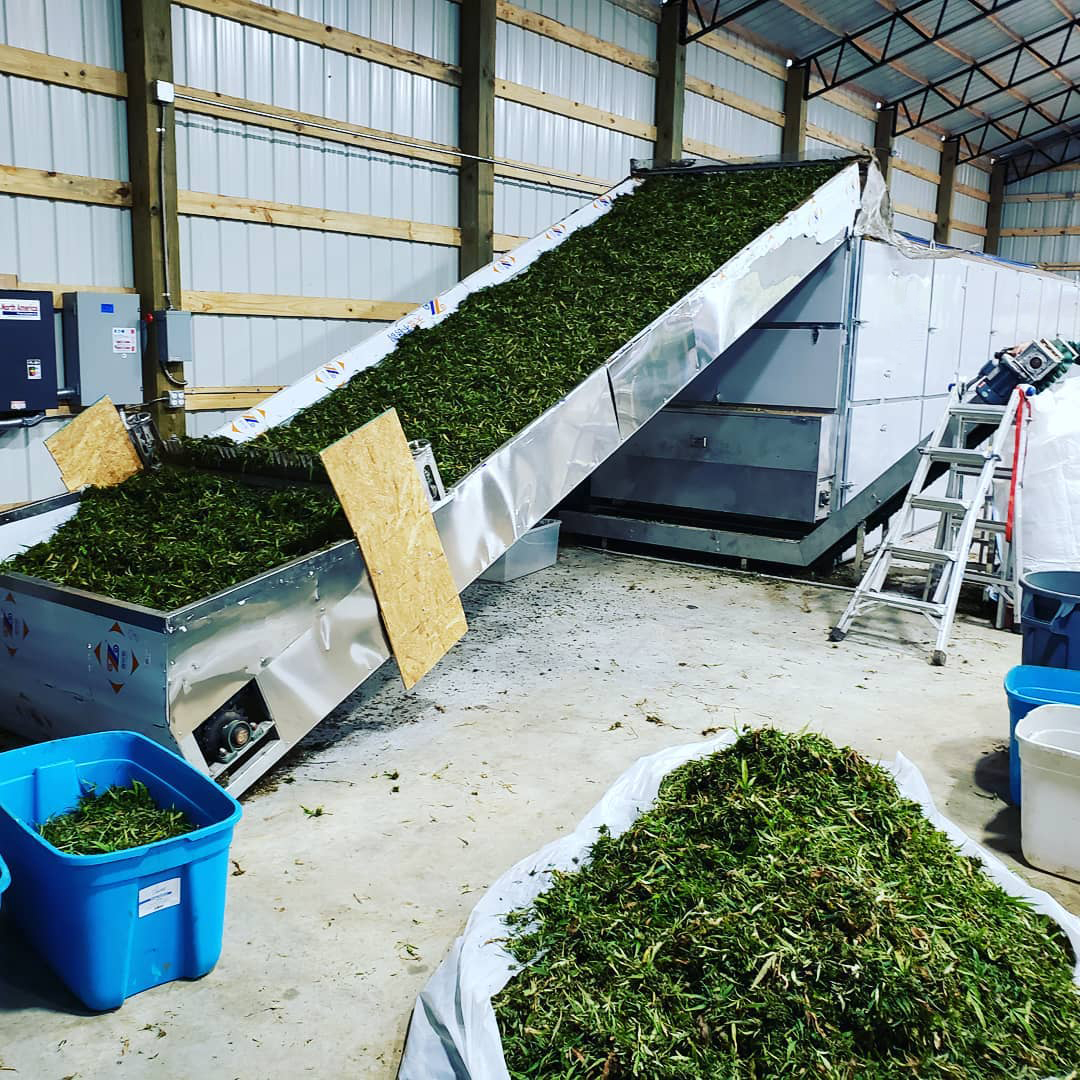
Medicinal Herbs drying line
The first step in any medicinal herbs drying process is proper handling of raw materials. Depending on the herb type, cleaning methods and pre-treatment stages can vary.
Bubble Washing Machine: Effectively removes dirt, dust, and contaminants without damaging delicate herbs.
Slicing/Chopping: Uniform slicing ensures consistent drying. Different herb types require different slicing techniques to prevent uneven moisture removal.
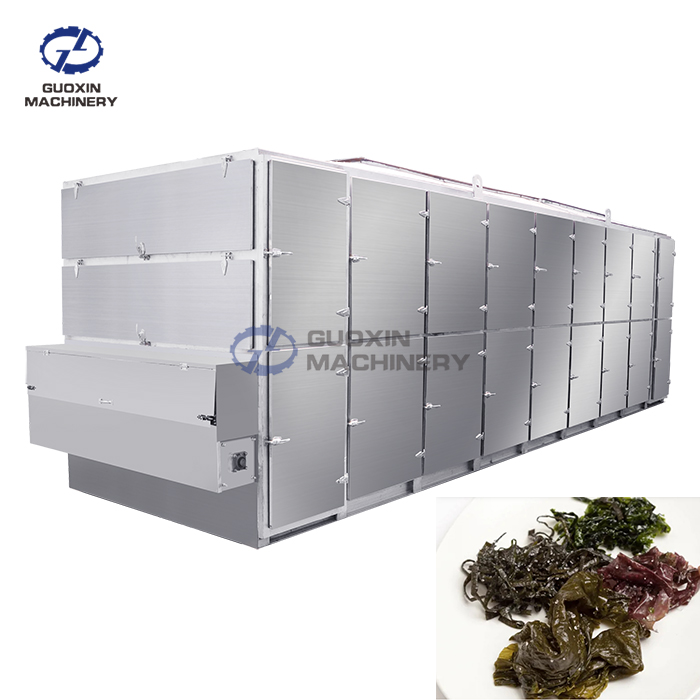
Choosing the right drying equipment is the heart of any herbal processing line. This equipment must meet your capacity, energy-efficiency, and GMP-compliance needs.
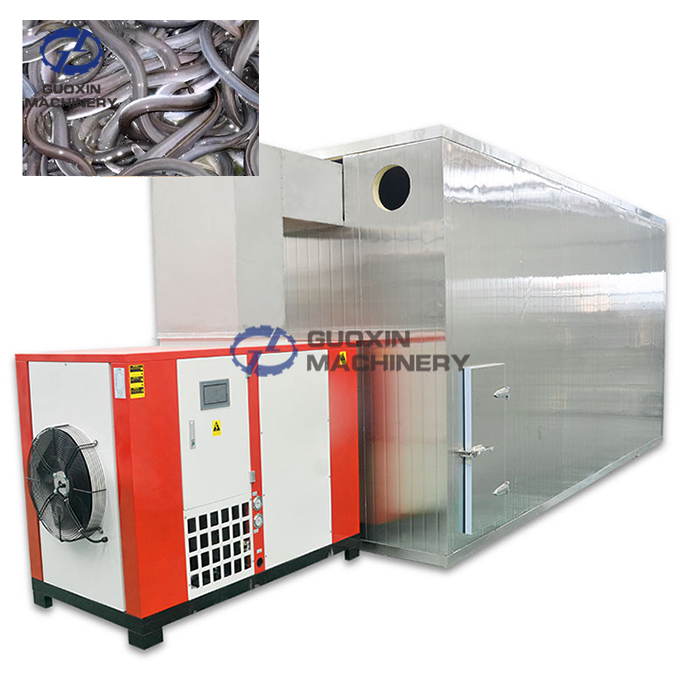
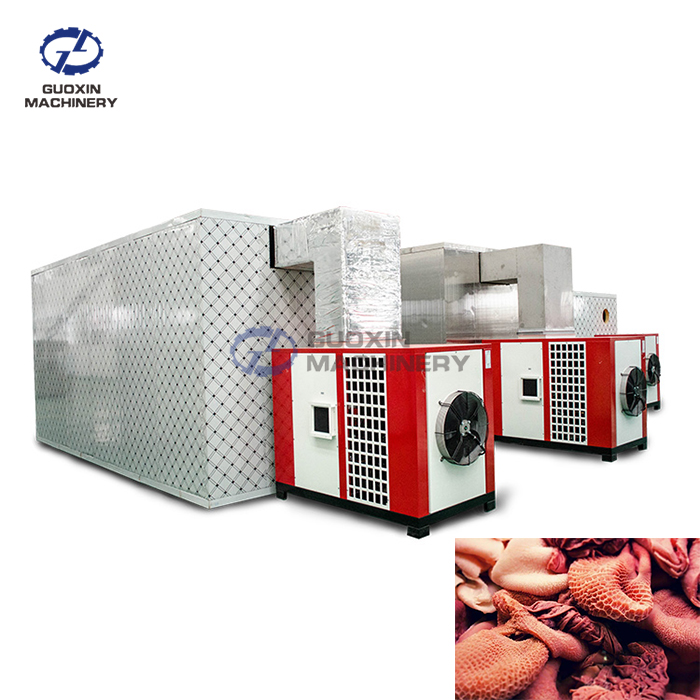
Heat Pump Dryer: Best for Low-Temperature Drying
A heat pump dryer is ideal for preserving the active ingredients and essential oils in medicinal herbs while maintaining a low temperature to avoid degradation.
Energy-efficient: Heat pump drying systems can reduce energy consumption by up to 40% compared to conventional hot air dryers.
Uniform drying: Provides stable, consistent drying, reducing the risk of moisture retention and spoilage.
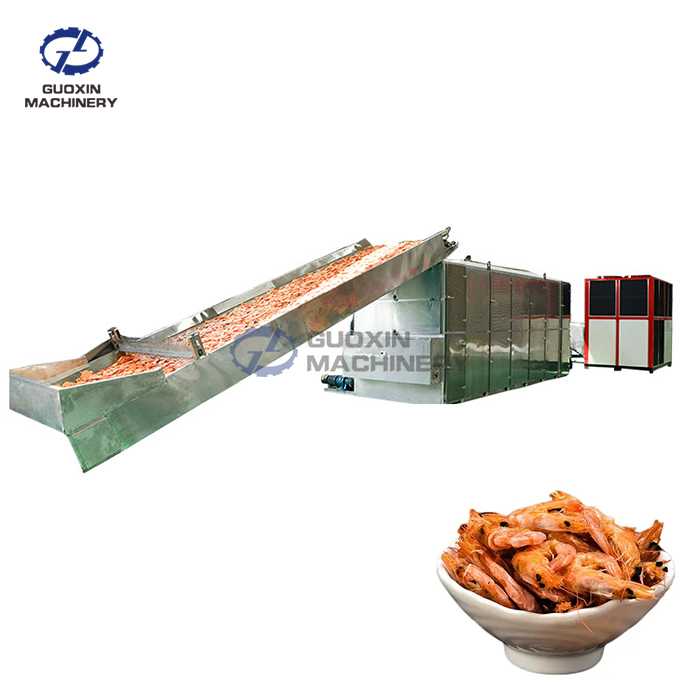
For speedy drying and microbial control, microwave drying can be used as a finishing stage after heat pump drying. It rapidly removes residual moisture and ensures sterilization, which is especially important for medicinal herbs used in the pharmaceutical industry.
For the drying line to run smoothly and meet GMP compliance, the system must include automated control and monitoring:
Temperature and Humidity Sensors: Ensure optimal drying conditions are maintained at every stage.
Data Logging and Analysis: Provides real-time monitoring of the drying process and helps in maintaining quality control.
Once the medicinal herbs have been dried, the next step is automated packaging. Efficient packaging ensures product consistency and hygiene compliance.
Automatic Filling and Sealing Machines: These machines can handle large volumes of dried medicinal herbs with minimal manual labor.
Custom Packaging: Packaging designs can vary depending on the final product—powdered, sliced, or whole herbs.
Each step of the drying line must meet GMP standards to ensure the highest quality and safety of the final product. This includes:
Hygienic Design: All equipment must be made of food-grade materials (stainless steel) and be easy to clean and maintain.
Record Keeping: Accurate documentation of each batch is essential for traceability and compliance.
Designing a complete drying line ensures that you maintain consistent product quality, optimize production efficiency, and stay compliant with all necessary regulations. This approach also:
Improves Efficiency: Reduces downtime and waste.
Maintains Quality: Consistent product quality through every stage of production.
Ensures Compliance: Meets GMP and other regulatory requirements, ensuring the product is safe and market-ready.
Planning to design a complete medicinal herbs drying line?
Contact us today for a detailed consultation and a customized system design tailored to your production needs.
In addition, we also have Ginger Processing Line, Chili Processing Line, etc.