 " alt="Industrial Rotary Drum Dryers: Engineering High-Volume Dehydration Solutions">
© Henan Guoxin Machinery Manufacturing Co., Ltd. All Rights Reserved.



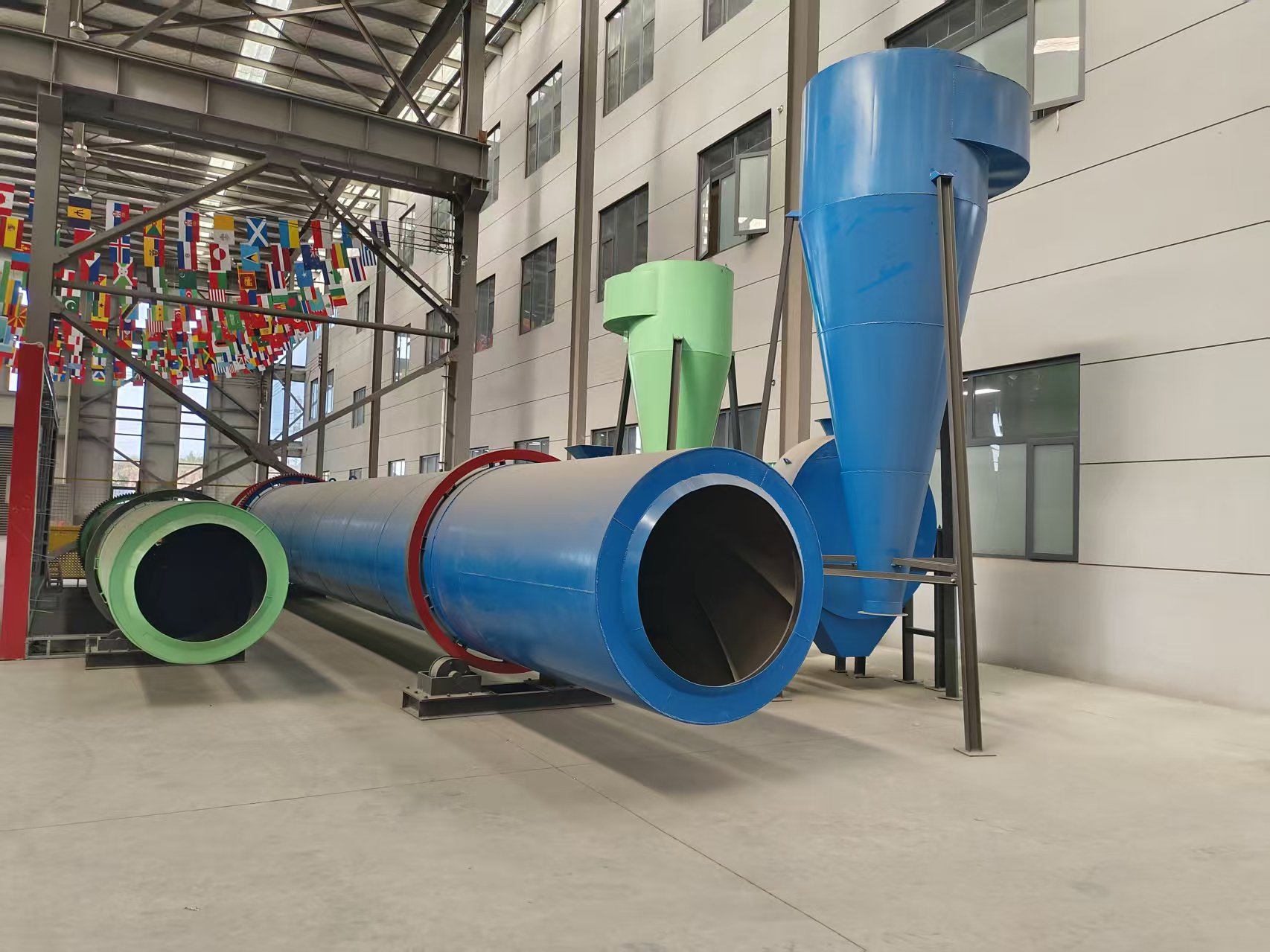
Why do global processing plants trust Guoxin as their high-volume drum drying company? Industrial rotary drum dryers are the heavy-duty backbone of massive thermal dehydration processing. As an established industrial drum drying company, Henan Guoxin Machinery designs and manufactures custom continuous rotary kilns capable of processing heavy bulk solids, minerals, biomass, ...
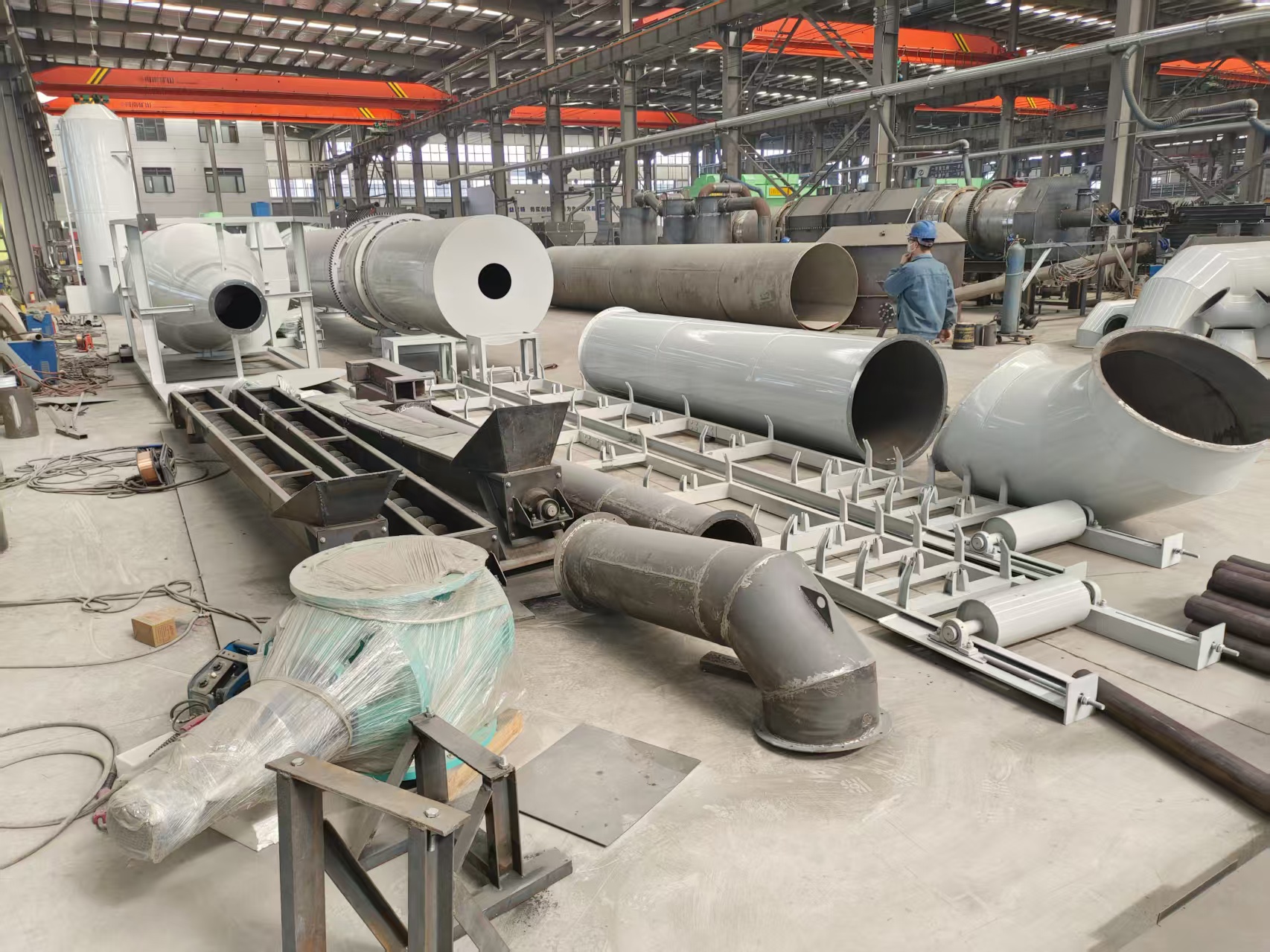
Industrial rotary drum dryers are the heavy-duty backbone of massive thermal dehydration processing. As an established industrial drum drying company, Henan Guoxin Machinery designs and manufactures custom continuous rotary kilns capable of processing heavy bulk solids, minerals, biomass, and complex chemical slurry formulations. Our systems optimize fuel flexibility and heat transfer efficiency to ensure a uniform moisture drop across massive hourly yields.
A high-capacity rotary dryer is the preferred choice for industrial materials that require relentless, high-throughput processing ($>5\text{ tons per hour}$) and can withstand controlled direct or indirect heat exposures.
Chemical Slurry & Pastes: Industrial chemical filter cakes, salts, and specialized chemical slurry formulations requiring strict environmental containment.
Biomass and Agriculture: Sawdust, wood chips, bagasse, fruit pomace (apple/grape), spent brewers’ grains, and animal feed pellets.
To accommodate varying material profiles—especially sensitive minerals and hazardous chemicals—we engineer multiple internal heat exchange architectures:
Ideal for non-reactive bulk materials like sand, coal, and wood chips. Raw material enters the inclined drum and comes into direct contact with a high-volume hot air stream generated by a biomass, gas, or oil furnace. Internal lifting flights continuously shower the material through the air to accelerate evaporation.
Engineered specifically for hazardous waste, volatile organic compounds, and chemical slurry drum drying. Instead of direct flame contact, the inner cylinder is lined with an array of internal steam tubes/coils. High-pressure steam circulates through these internal conduits, transferring heat indirectly through conduction as the slurry tumbles over the tubes. This setup delivers several distinct engineering advantages:
Zero Contamination: Prevents combustion gases from reacting with sensitive chemical properties.
Inert Atmosphere Control: Easily accommodates nitrogen purging for explosive or volatile chemical powders.
High Latent Heat Efficiency: Capitalizes on existing factory boiler steam networks to drastically lower net energy expenses.
A complete rotary drying plant operates as a synchronized, automated ecosystem managed via a centralized control deck:
Variable Feeding Matrix: Frequency-controlled screw conveyors or heavy-duty belt feeders ensure a metered, non-clumping input mass.
The Rotary Cylinder Assembly: Available in single-drum paths for sticky cakes/sludge or triple-pass designs for free-flowing granules looking to save workshop space.
High-Efficiency Exhaust & Dust Extraction: Industrial cyclone separators paired with pulse jet bag filters guarantee that fine chemical or mineral particulates are trapped before stack discharge.
Smart PLC System Cabinet: Real-time monitoring of input thermal velocity, drum RPM, internal pressure, and outfeed moisture metrics.
| Drum Series Profile | Drum Diameter Range | Drum Length Range | Production Capacity | Acceptable Initial Moisture |
| Small-Scale Series | 800 mm – 1,200 mm | 8,000 mm – 12,000 mm | 1 to 5 Tons / Hour | Up to 50% |
| Medium Industrial | 1,500 mm – 2,200 mm | 15,000 mm – 20,000 mm | 10 to 25 Tons / Hour | Up to 50% |
| Heavy-Duty Plant | 2,400 mm – 3,600 mm | Over 25,000 mm | 30 to 80+ Tons / Hour | Up to 50% |
A: When processing chemical components, direct-fired hot air can oxidize, degrade, or ignite the product. A drum dryer equipped with internal steam coils/tubes isolates the heating medium entirely from the material bed. Heat is transferred cleanly via conduction as the drum rotates. Furthermore, because it does not use a high-velocity air stream to move heat, it prevents ultra-fine chemical powders from being swept into the exhaust prematurely, vastly simplifying your dust collection layout.
A: High-viscosity slurries tend to stick to the inlet chute and form large, un-dryable clumps. Our high-volume drum drying company solves this by installing custom-designed internal mechanical chain-scrapers and anti-stick flights near the feed zone. These components continuously shear the material as the drum rotates, breaking down cakes into small granular kernels with maximized surface area for rapid evaporation.
A: Yes. The main drum drive assembly is integrated with a high-torque Variable Frequency Drive (VFD) wired into the central PLC panel. If a batch of raw material arrives with a higher water profile, operators can slow the drum rotation speed to extend the retention time inside the drying chamber, ensuring the final output consistently hits your precise target moisture parameters (typically between 1% and 10%).
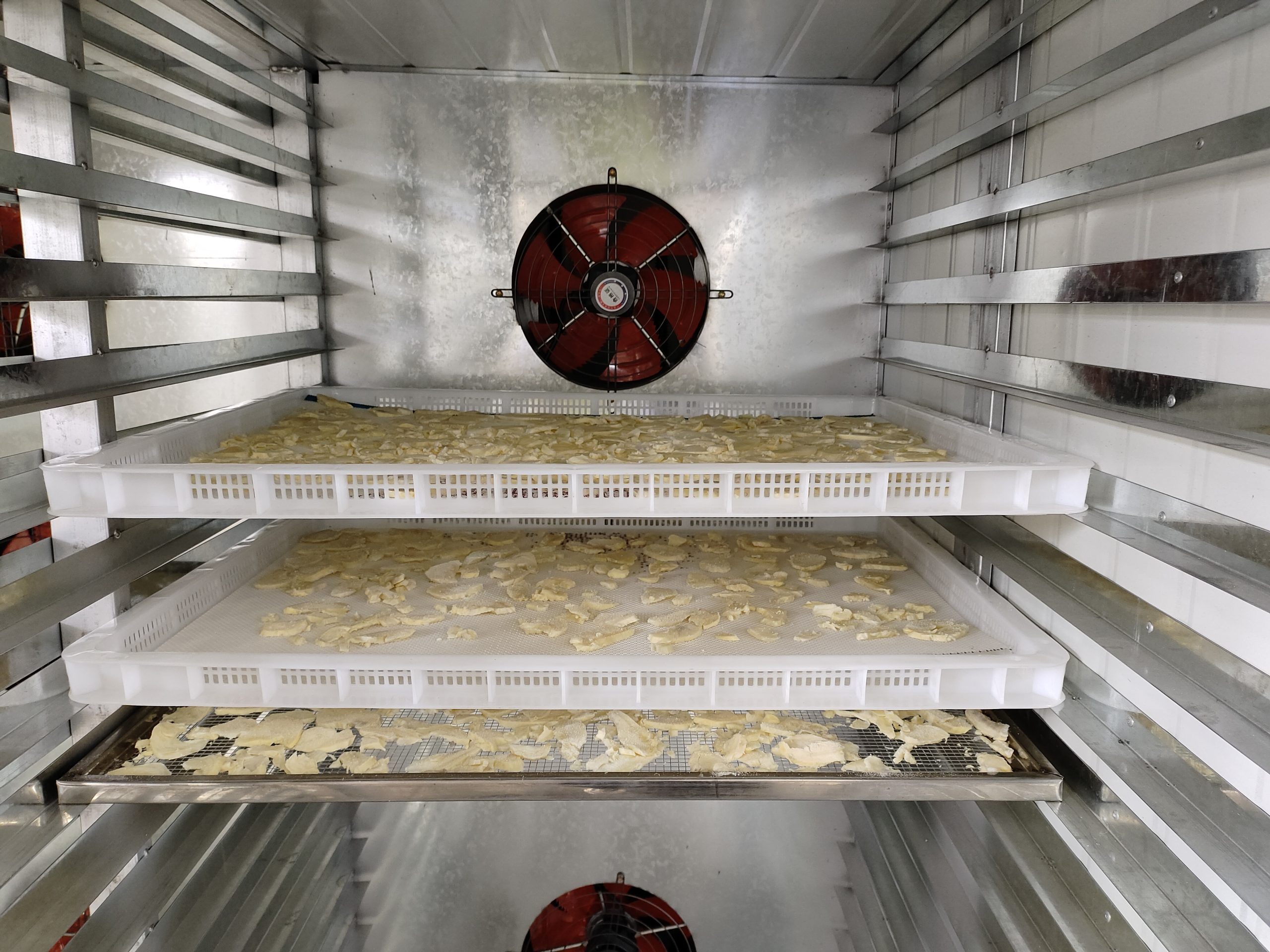
Commercial Durian Dehydration: Preserving Quality with Heat Pump Technology
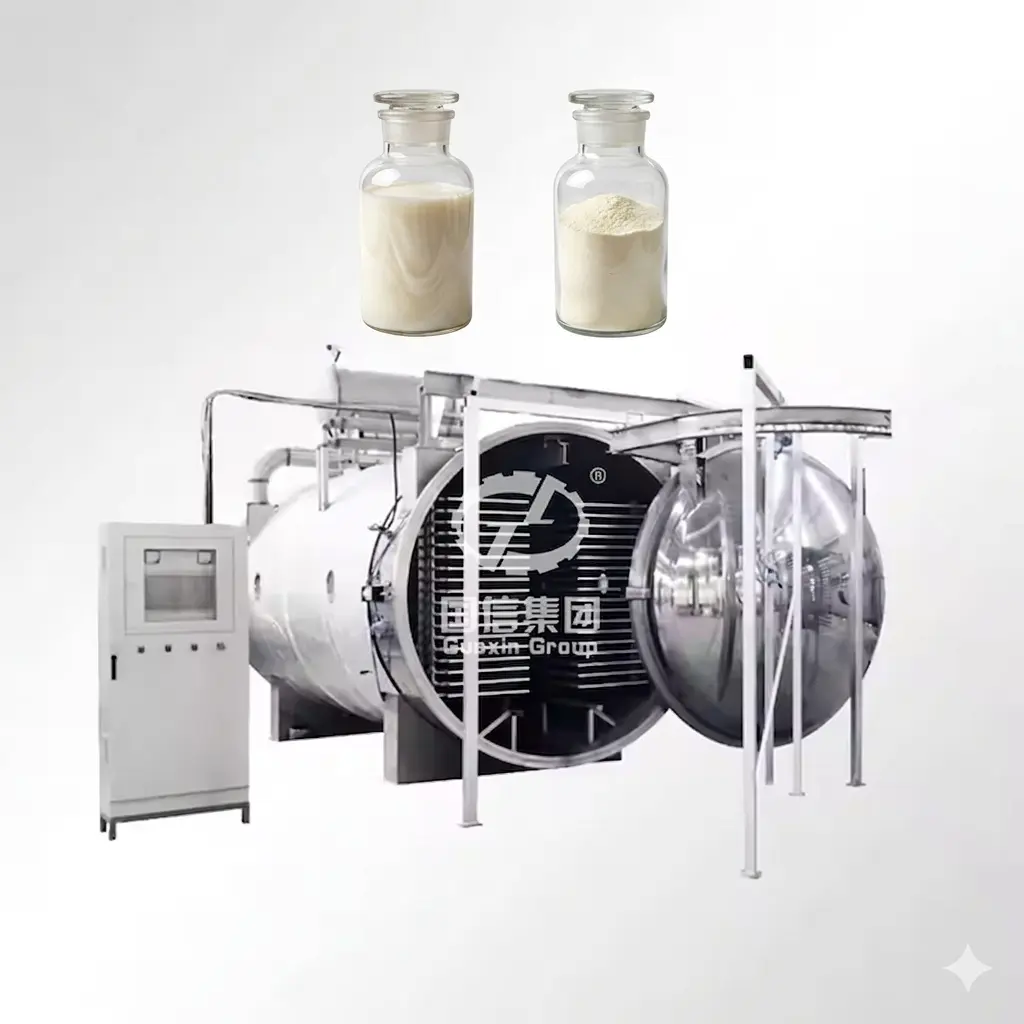
Milk Powder Drying – Parameters for Consistent Final Moisture and Functional Properties
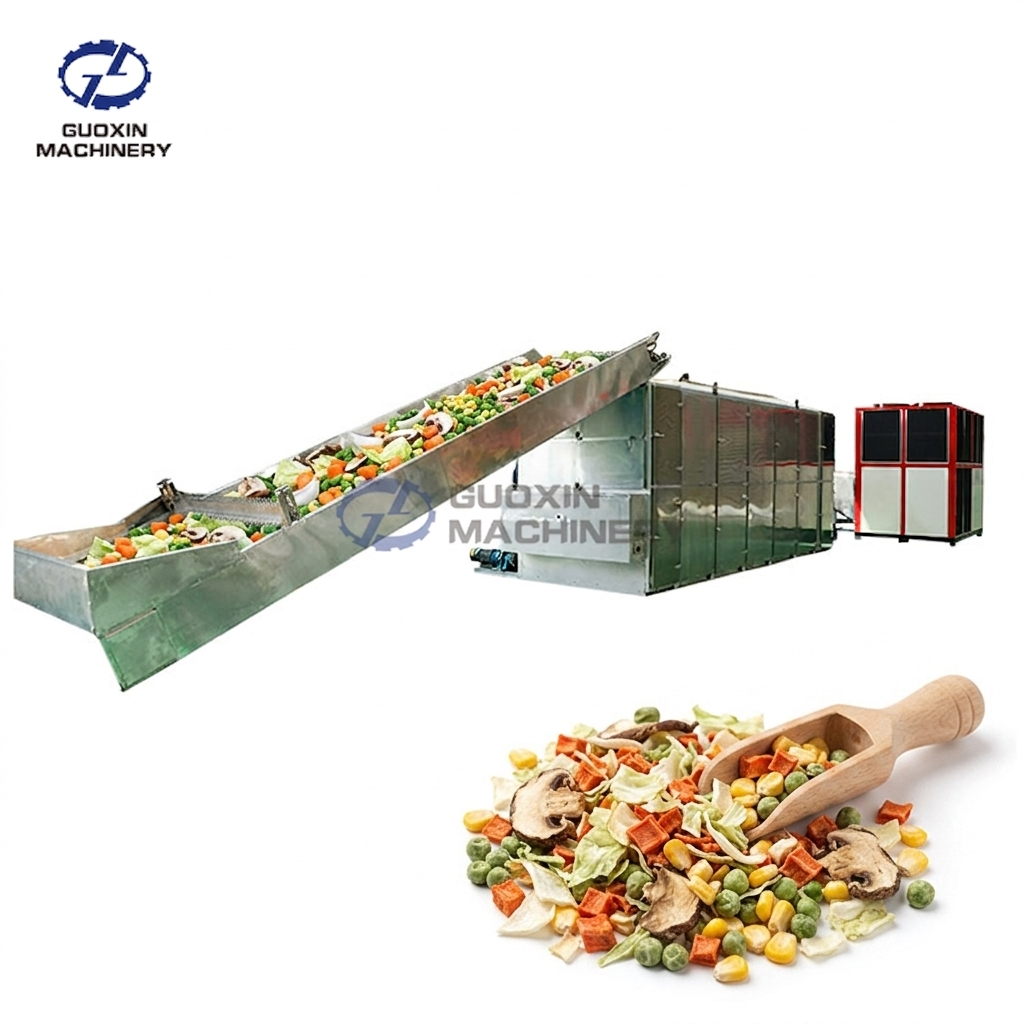
Dehydrated Vegetables for Instant Noodle Seasoning – Drying Parameters for Consistent Quality in Seasoning Packs
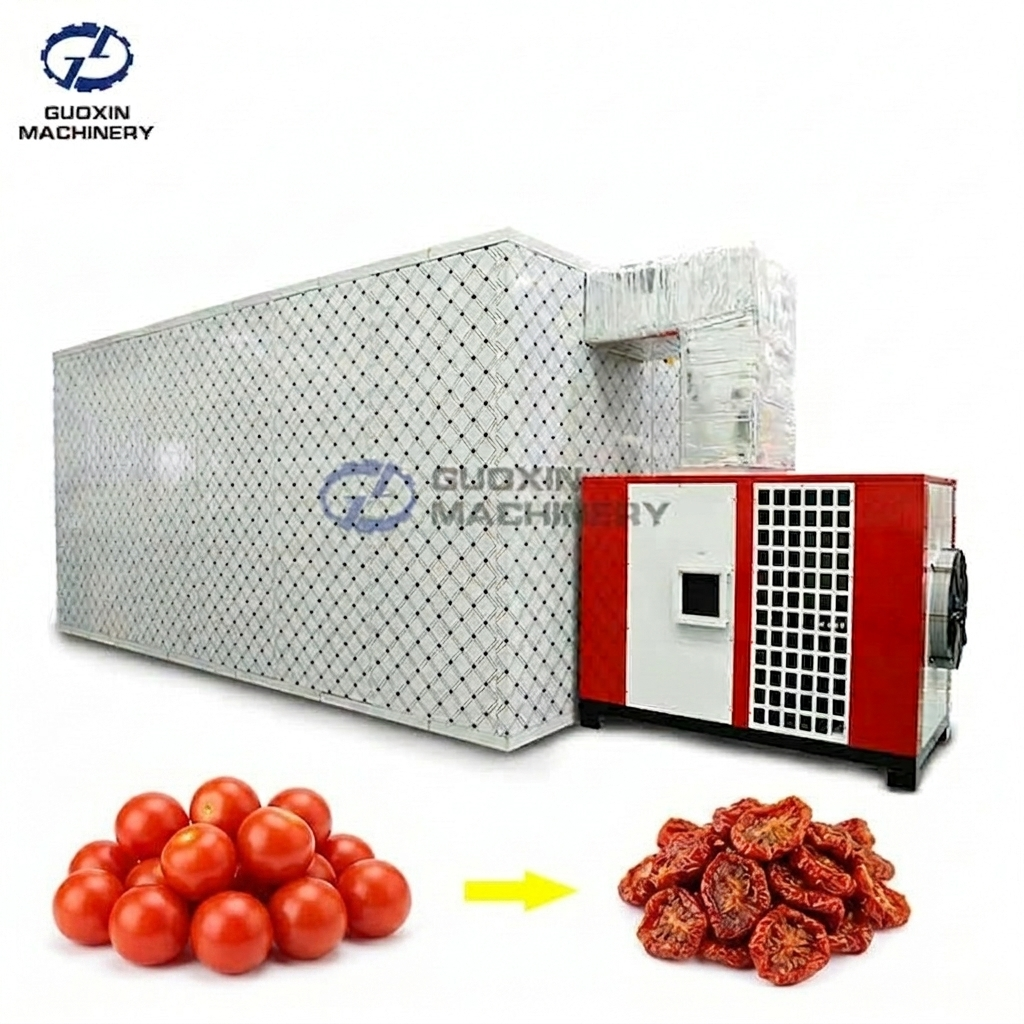
Sun-Dried Tomato Drying – Parameters for Industrial Production of Consistent Tomato Slices