© Henan Guoxin Machinery Manufacturing Co., Ltd. All Rights Reserved.


Release time:2026-05-18
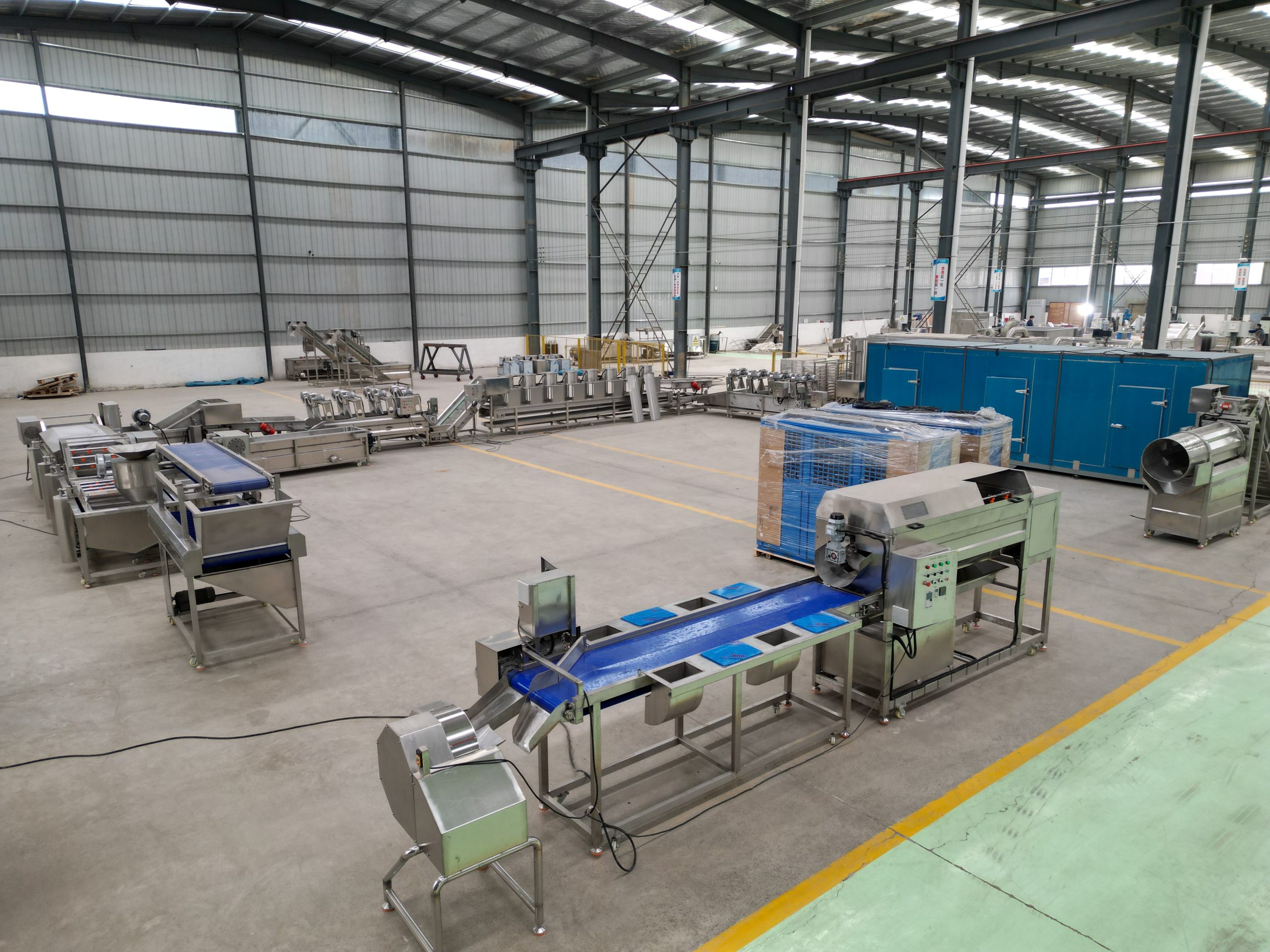
In large-scale commercial food processing, continuous frying operations require precise execution across automated material handling, thermal regulation, and oil quality management. For food production plants, processing raw inputs into high-yield, uniform fried products dictates overall operational efficiency and operating expenditures (OPEX).
Guoxin Machinery engineers complete, turnkey automatic frying solutions from material intake pre-treatments through specialized thermal processing to downstream seasoning and packaging stages. Our engineering approach integrates independent processing machinery into unified, continuous production lines designed to sustain stable oil chemistry, reduce oil degradation, and optimize energy distribution.
Request a Technical Solution & Complete Engineering Layout
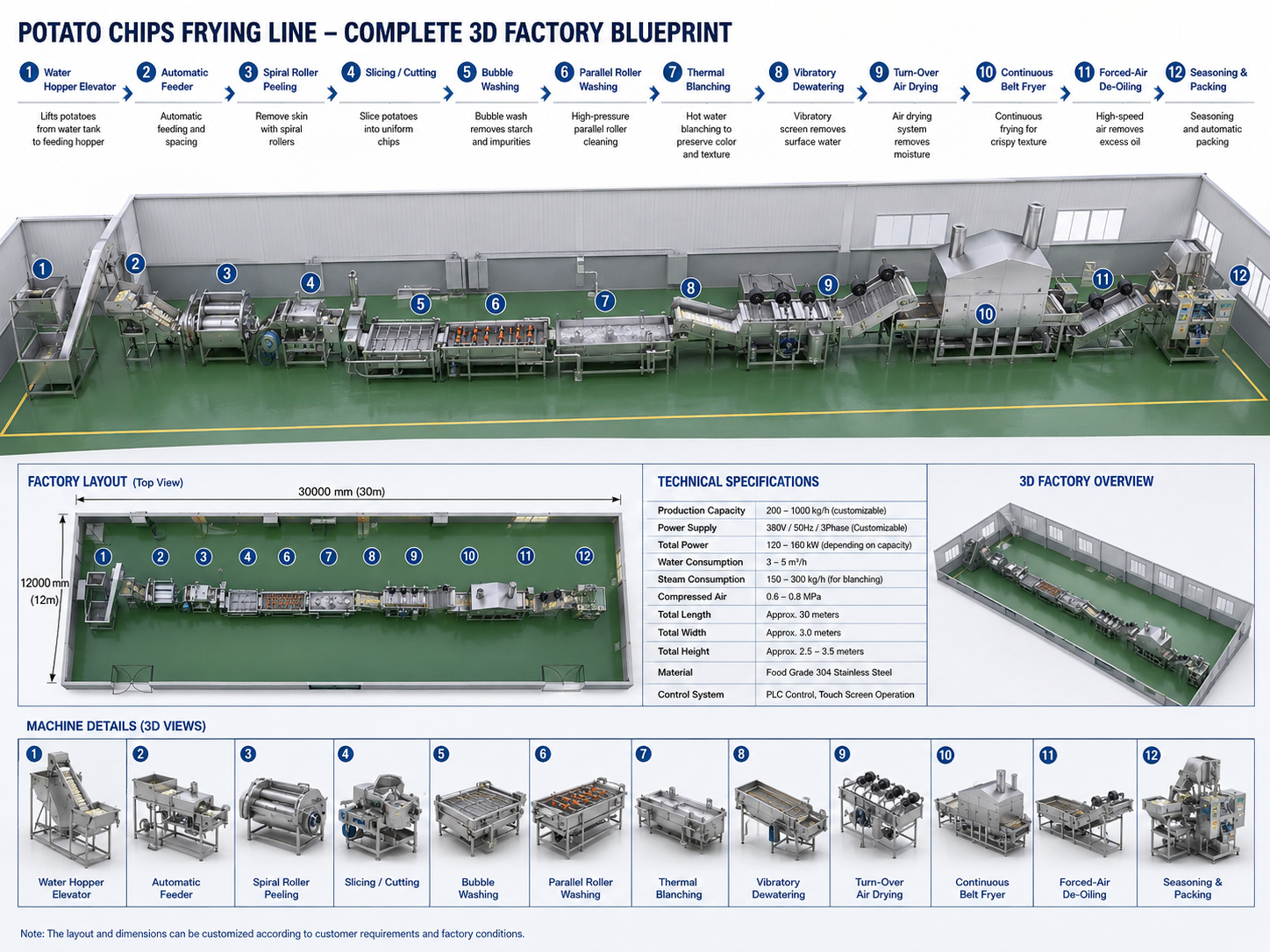
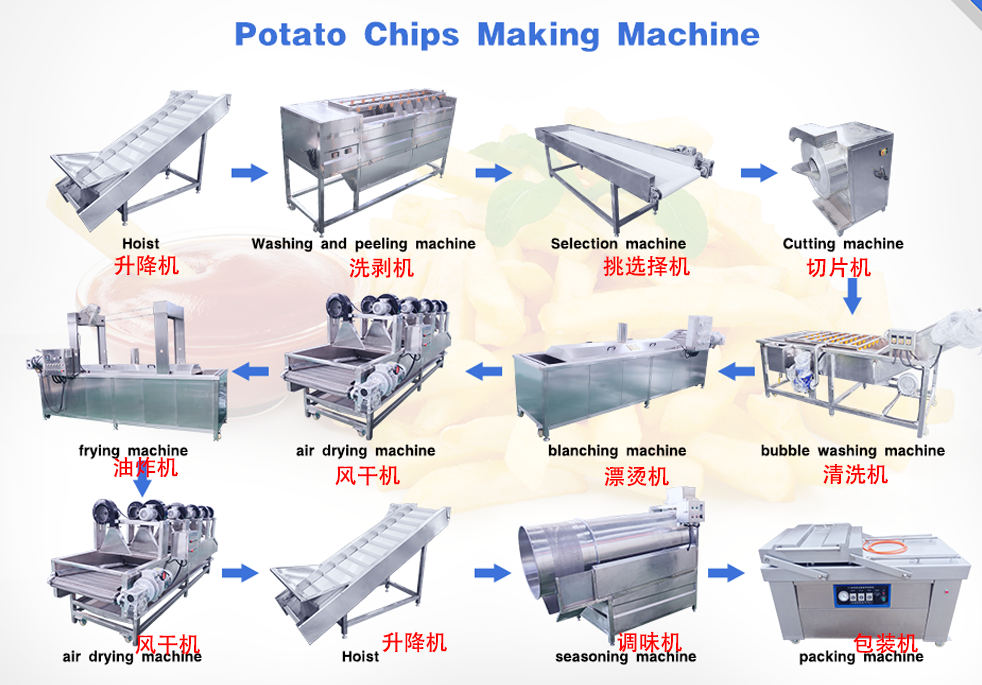
An industrial frying installation requires rigorous preparation of the raw material before thermal immersion. Our fully integrated production line sequences raw inputs through twelve automated stages:
[Water Hopper Elevator] → [Automatic Feeder] → [Spiral Roller Peeling] → [Slicing/Cutting] →
[Bubble Washing] → [Parallel Roller Washing] → [Thermal Blanching] → [Vibratory Dewatering] →
[Turn-Over Air Drying] → [Continuous Belt Fryer] → [Forced-Air De-Oiling] → [Seasoning & Packing]
1.Material Intake & Cleaning (Water Hopper Elevator):
Raw root crops or inputs are deposited into a heavy-duty water hopper where immersion pre-cleans soil debris while a flighted elevator transfers the product at a regulated rate.
2.Automated Feeding (Automatic Feeder):
Controls material distribution density, preventing grouping or overloading downstream machinery.
3.Continuous Friction Peeling (Spiral Roller Peeling Machine):
Utilizes continuous mechanical rotation of abrasive brush rollers coupled with high-pressure water spray nozzles to achieve clean skin removal with minimum flesh loss.
4.Precision Dimensioning (Slicing/Cutting Machine):
High-speed rotary blades cut materials into uniform slices, sticks, or custom dimensions to maintain identical frying profiles.
5.Hydro-Bubble Starch Extraction (Bubble Washing Machine):
Utilizes forced air injection to generate rolling water turbulence. This mechanical action strips free starch from the cut surfaces of potato chips or fries, reducing material adhesion inside the fryer.
6.Secondary Finish Rinse (Parallel Roller Washing Machine):
Passes the cut slices over parallel-arranged fine brush rollers with a fresh water spray to remove residual starch film.
7.Controlled Thermal Blanching (Blanching Machine):
Immerses material in hot water to deactivate enzymes, preserve natural coloration, and partially gelatinize surface starches for target texture development.
8.High-Frequency Moisture Separation (Vibrating Dewatering Machine):
Rapid linear vibration shakes away unbound surface water, protecting the downstream frying oil from rapid hydrolysis.
9.Multi-Pass Convective Drying (Turn-Over Air Dryer):
Food-grade fans blow ambient or heated air across multiple dropping tiers, removing residual surface moisture to minimize oil splattering and reduce thermal shock inside the fryer.
10.Submerged Continuous Frying (Continuous Belt Fryer):
The core thermal module where materials are completely submerged between synchronized upper and lower mesh transport belts moving through temperature-controlled oil.
11.Post-Fry Velocity De-Oiling (Air-Water Dewatering Machine):
Employs forced-air knives over a mesh conveyor to strip excess surface oil from the product, recycling it back into the system or sending it to recovery loops to maintain low product oil retention.
12.In-Line Flavors & Finishing (Seasoning & Packaging System):
Products feed directly into automated rotational seasoning drums for topical powder or liquid application before discharging to multi-head weighing and packing lines.
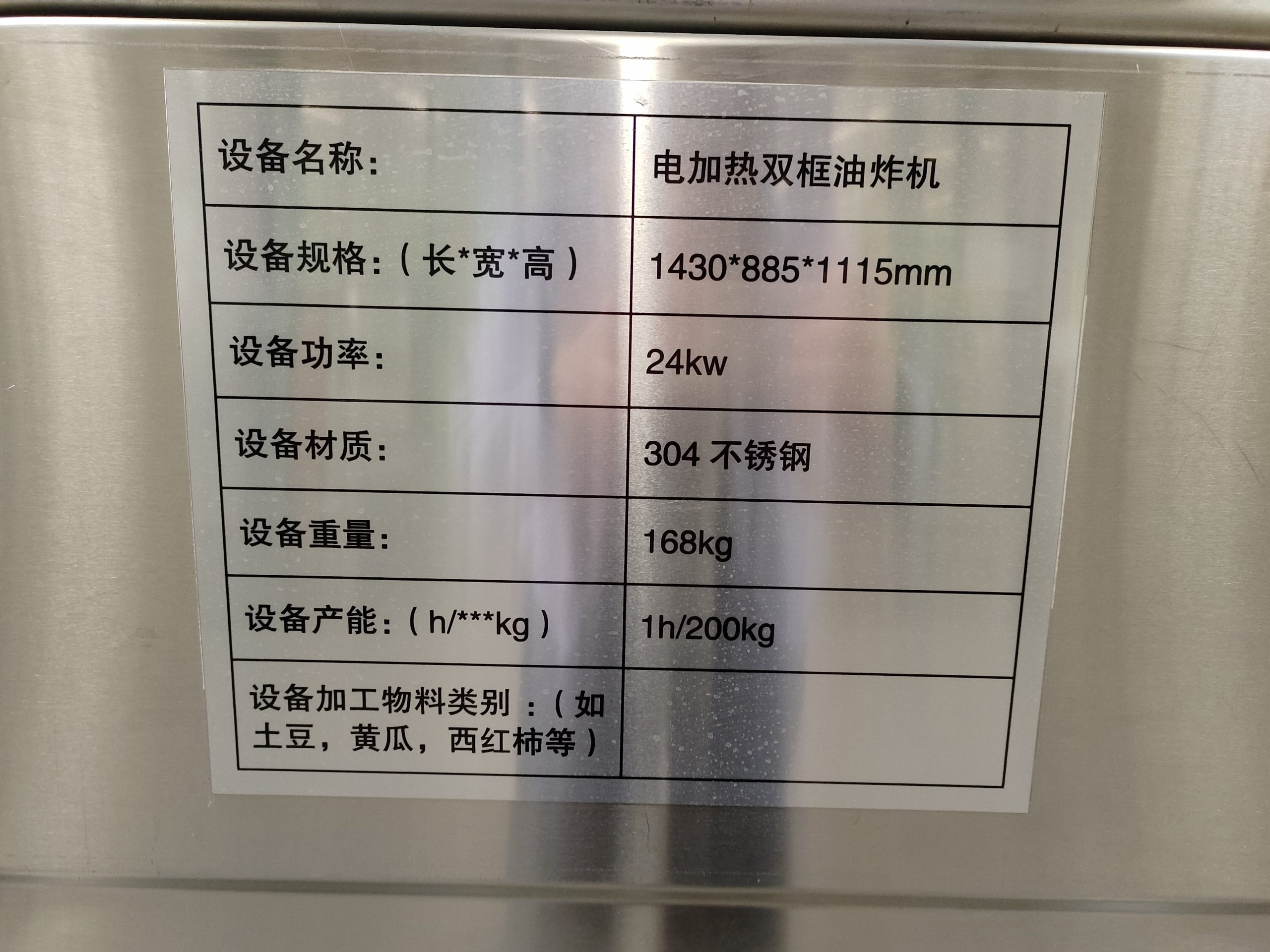
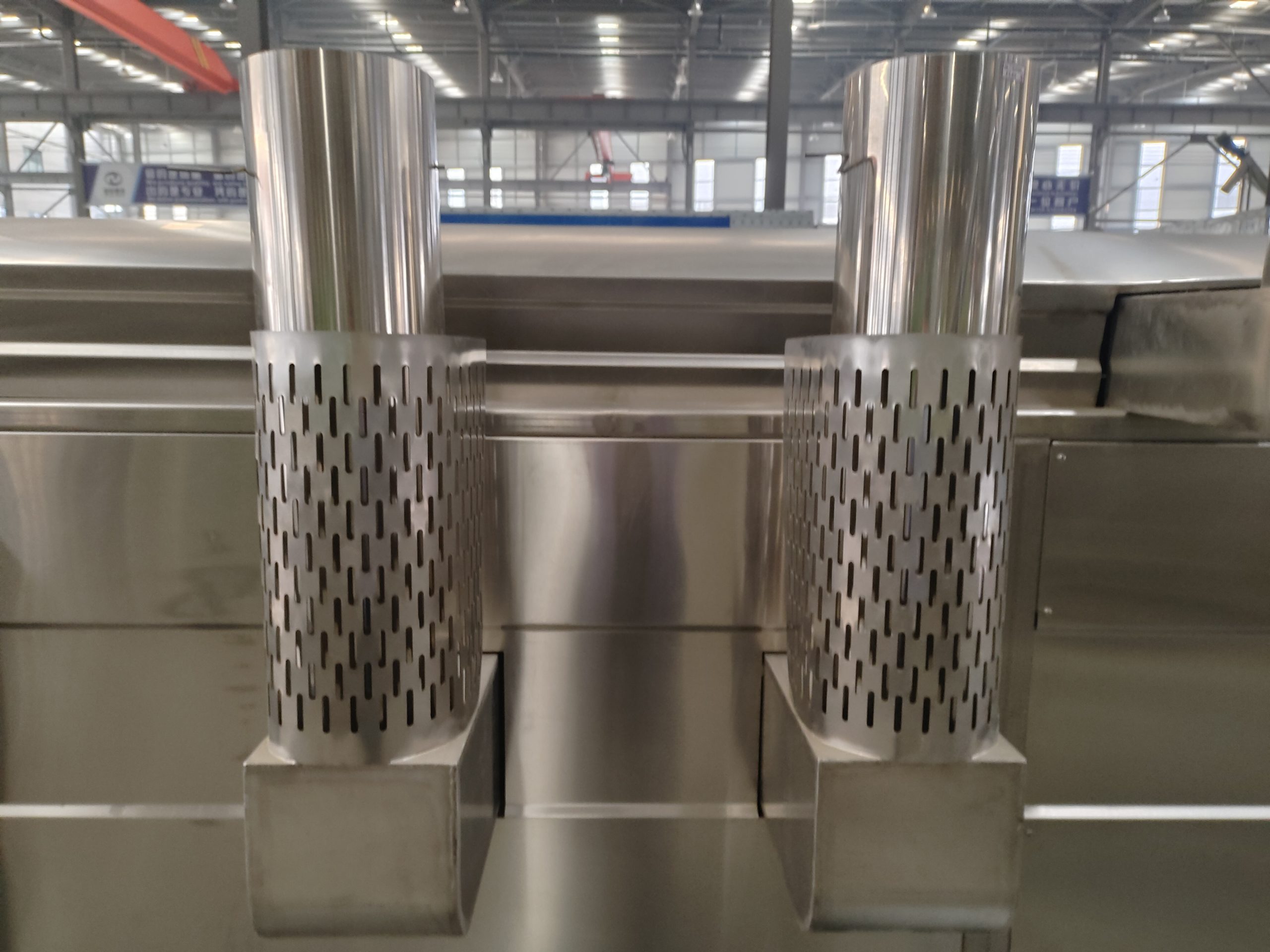
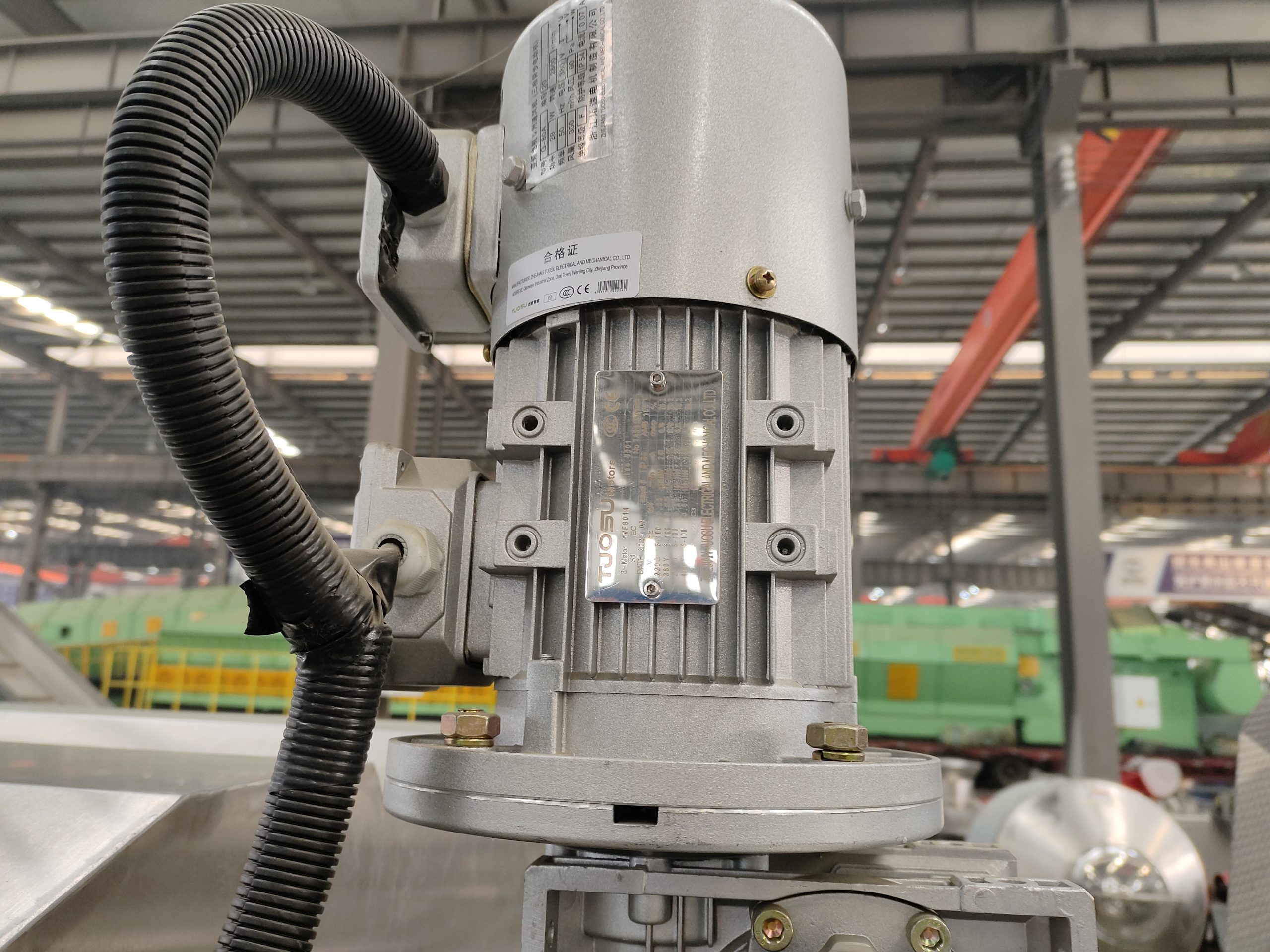
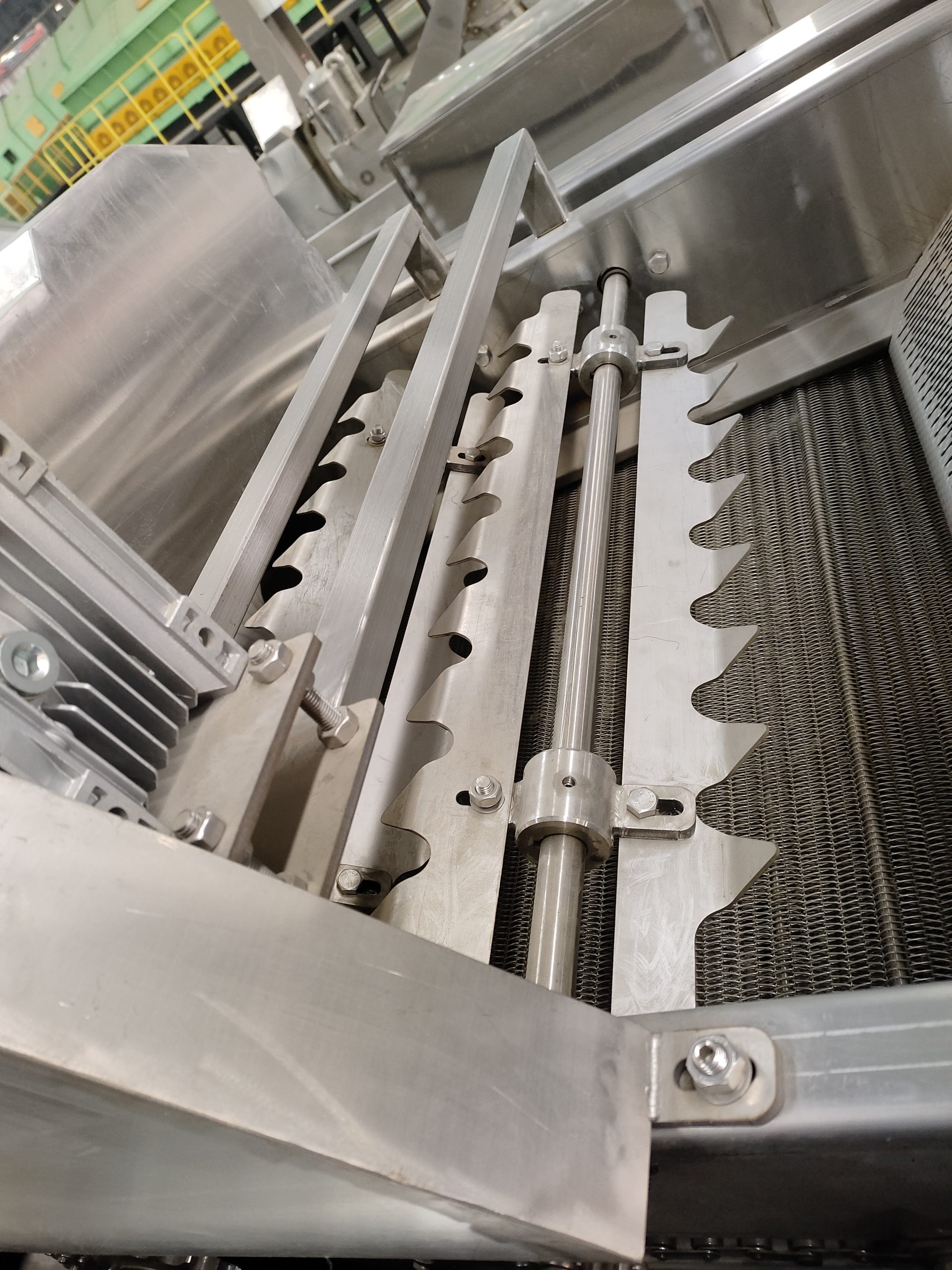
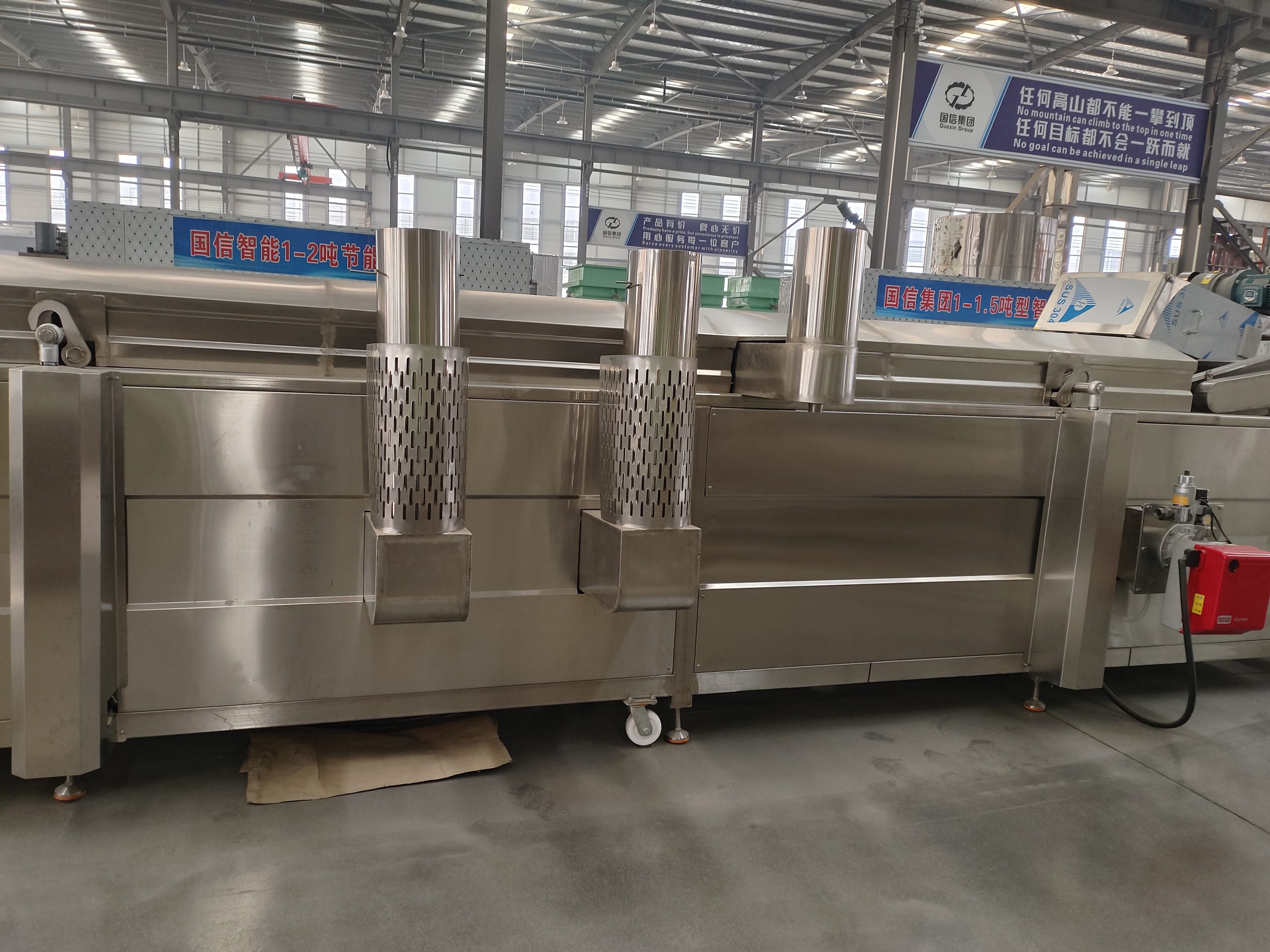
The operational specifications below reflect standard industrial configurations. Total layout dimensions and utility configurations are adjusted to match specific factory floor space and structural boundaries.
| Operational Parameter | Medium Capacity Line | Large Scale Production Line |
| Output Capacity Baseline | 300 kg/h to 800 kg/h (Finished Product) | 1,000 kg/h to 3,000 kg/h+ (Finished Product) |
| Primary Framework Build | Full Food-Grade SUS304 Stainless Steel | Full Food-Grade SUS304 Stainless Steel |
| Mesh Belt Conveyor Width | 600 mm to 1,000 mm | 1,000 mm to 1,500 mm (Customizable) |
| Heating Method Options | Electric Heating / Natural Gas Burners | Direct Gas / External Steam / Biomass Thermal Oil |
| Temperature Control Range | 60°C to 220°C (Accuracy: ±1°C) | 60°C to 220°C (Accuracy: ±0.5°C) |
| Oil Filtration Integration | Continuous Oil-Water Mix / Mesh Strainers | Multi-Stage Continuous Vacuum & Paper Filters |
| System Automation Level | Centralized PLC Control System | Full Synchronized Scada/PLC Automated Line |
The central performance metric of an industrial line depends heavily on the execution of the continuous belt frying apparatus. Guoxin design principles focus directly on minimizing oil degradation and optimizing energy utilization.
Advanced Thermal Management & Zoned Heating
To prevent fuel waste and localized scorching of the oil, the frying tank incorporates multi-stage zoned temperature regulation. Whether utilizing built-in heavy-duty electric elements or external natural gas burners paired with flue-gas heat exchangers, heat is distributed evenly beneath the path of the product. This architecture prevents localized overheating, keeping the oil safely below its smoke point and extending overall oil working cycles.
Continuous Inline Scraping & Particulate Filtration
Sedimentation is the primary driver of Free Fatty Acid (FFA) accumulation and bitter flavors. Our continuous belt fryers feature an automated bottom scrapers system that moves along the bottom of the frying oil tank. This mechanism sweeps fallen food particles out of the high-heat zone into an external filtration loop before they can carbonize. Combined with an oil circulating frying machine design, the total oil volume undergoes constant renewal through continuous mesh or paper vacuum filtration modules.
Submerged Double-Belt Design
Products with low densities float to the surface upon contact with hot oil, causing uneven frying. Our system features an adjustable top hold-down belt working in tandem with the bottom carrier belt. This keeps the material entirely submerged and moving forward at a controlled pace, preventing overlapping and ensuring identical crispiness.
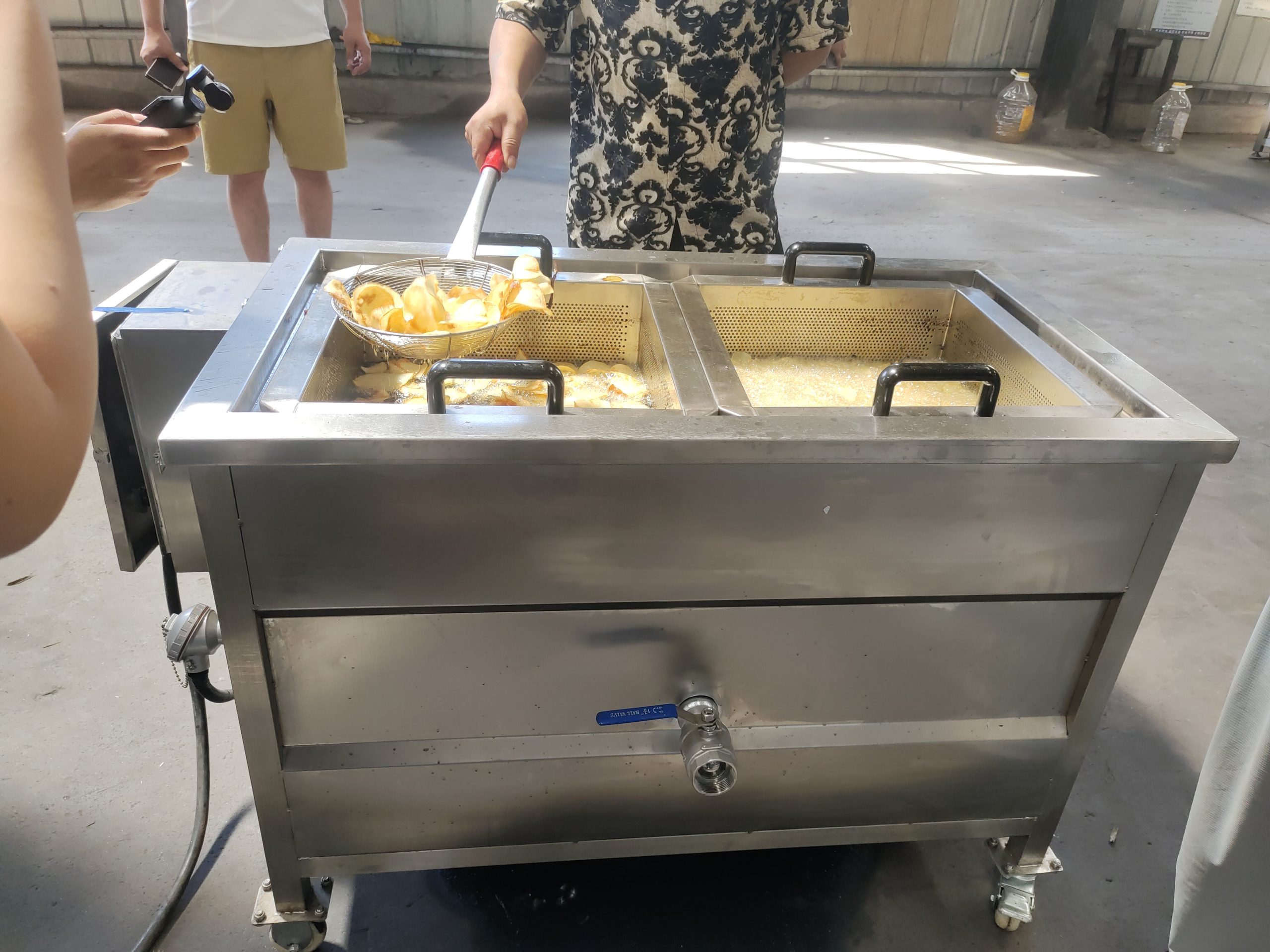
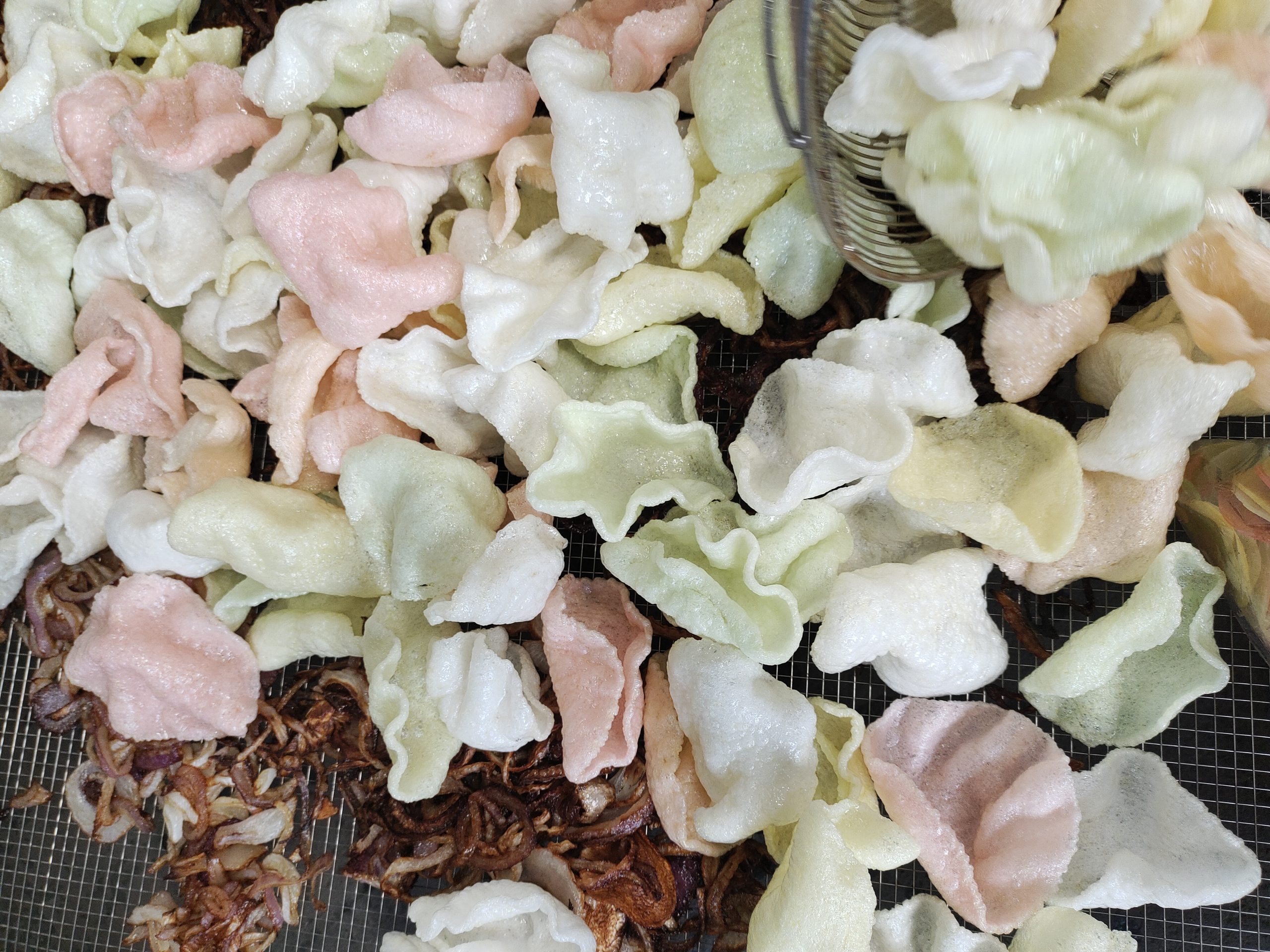
Our turnkey configurations are optimized for varied material groups through pre-programmed software recipes stored within the centralized PLC interface:
Q1: How does your frying line architecture prevent high Free Fatty Acid (FFA) accumulation?
A: FFA accumulation occurs when oil breaks down due to high heat, water contact, and burnt organic particles. We mitigate this through three engineered methods: First, the high-frequency vibratory dewatering screen and turn-over air dryer remove surface water prior to oil entry. Second, the continuous bottom scraper removes settled particulates immediately to prevent carbonization. Third, the oil turnover rate is balanced with the system’s oil-circulation volume, ensuring fresh oil is metered in continuously as the product absorbs oil, keeping FFA levels well within international food quality safety thresholds.
Q2: Which heating energy source yields the lowest operating cost for a large-scale frying facility?
A: Sourcing decisions depend on regional fuel costs and factory infrastructure. For facilities with existing high-pressure boiler infrastructure, steam heating frying lines provide excellent thermal stability. For isolated large-scale installations (>1,000kg/h), gas continuous fryers utilizing direct internal fire-tubes or external thermal fluid heat exchangers generally yield lower operational costs compared to direct electrical resistance heating, which is typically reserved for small-to-medium scale plants with low electrical utility tariffs.
Q3: How is the clean-in-place (CIP) system designed to handle sanitization inside the frying hood?
A: Industrial food hygiene compliance requires routine deep cleaning. Our continuous fryers are built with an integrated heavy-duty mechanical hood lift system. Driven by dual synchronized motorized screw jacks or hydraulic rams, the entire upper hood assembly and conveyor mechanism lift fully out of the oil tank frame. This exposes all internal chains, belts, and tank walls for high-pressure spray sanitation. Internal spray pipes can also be linked to factory CIP cleaning loops for automated chemical circulation.
Q4: Can the same continuous line switch between processing different materials like peanuts and potato chips?
A: Yes, but mechanical differences must be managed. Sliced potato chips require robust surface starch washing and blanching pre-treatments to maintain color, whereas peanuts require direct feeding, higher initial heat inputs, and modified conveyor flight clearance. While the central continuous belt fryer can adjust its belt transit speed and temperature profile via the PLC touchscreen to match different materials, switching between distinct product lines may require bypassing or adding specific pre-treatment or seasoning configurations.
Henan Guoxin Machinery works with enterprise food brands and engineering partners to verify performance metrics prior to capital layout investment.
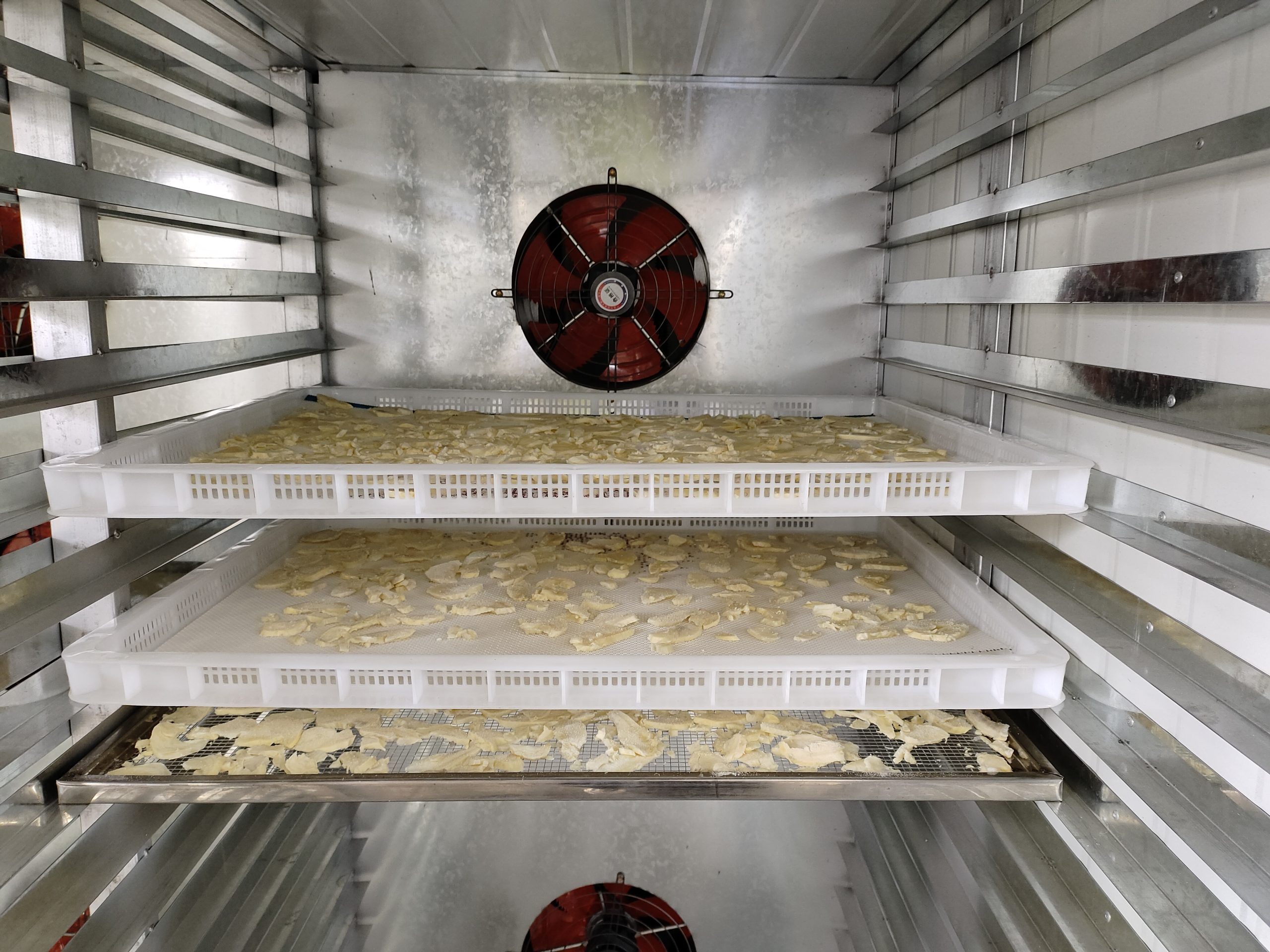
Commercial Durian Dehydration: Preserving Quality with Heat Pump Technology
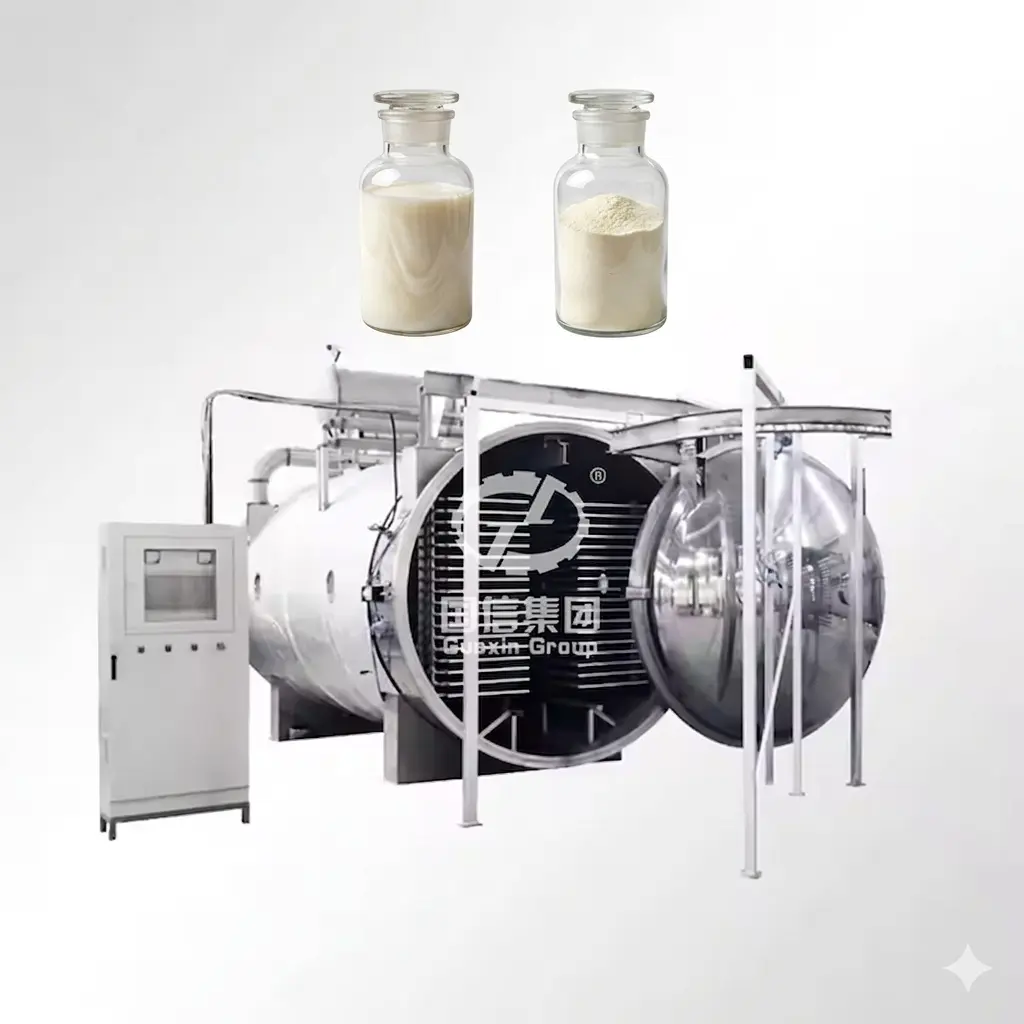
Milk Powder Drying – Parameters for Consistent Final Moisture and Functional Properties
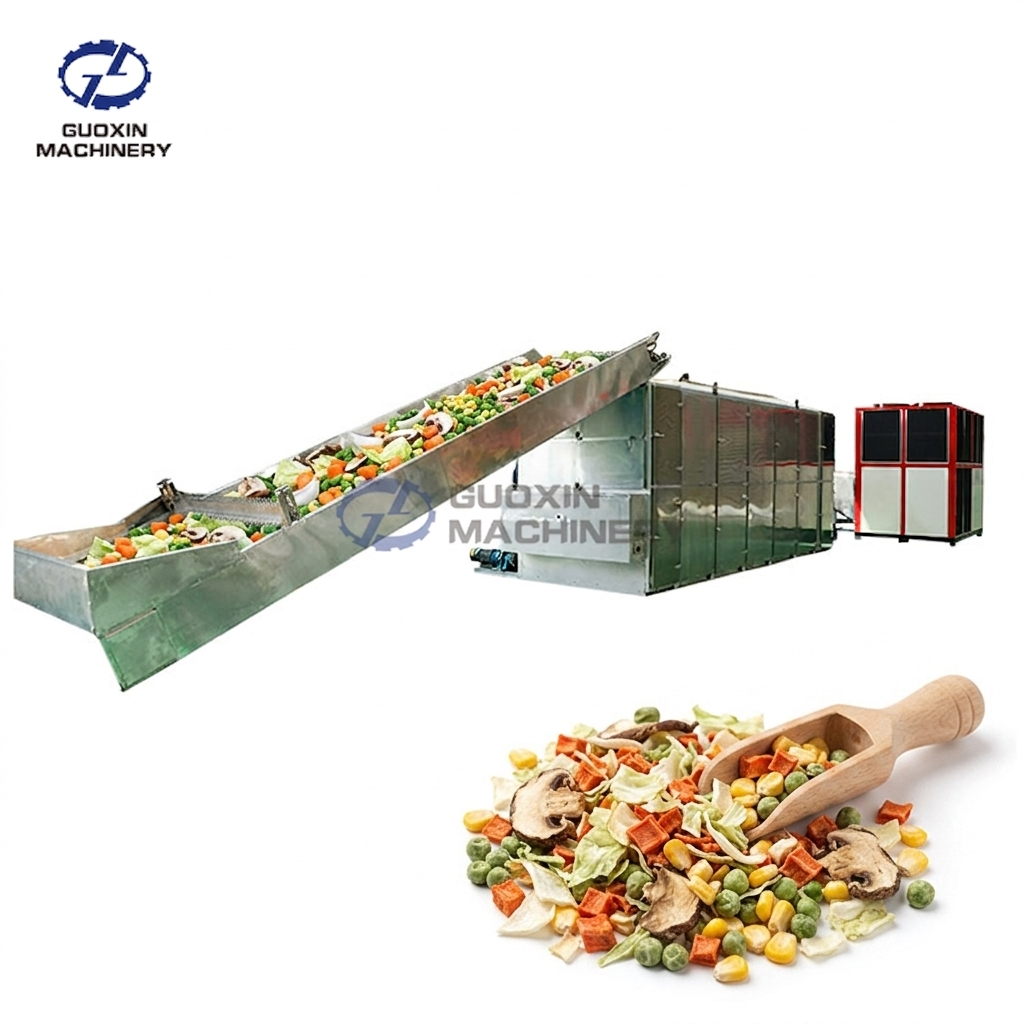
Dehydrated Vegetables for Instant Noodle Seasoning – Drying Parameters for Consistent Quality in Seasoning Packs
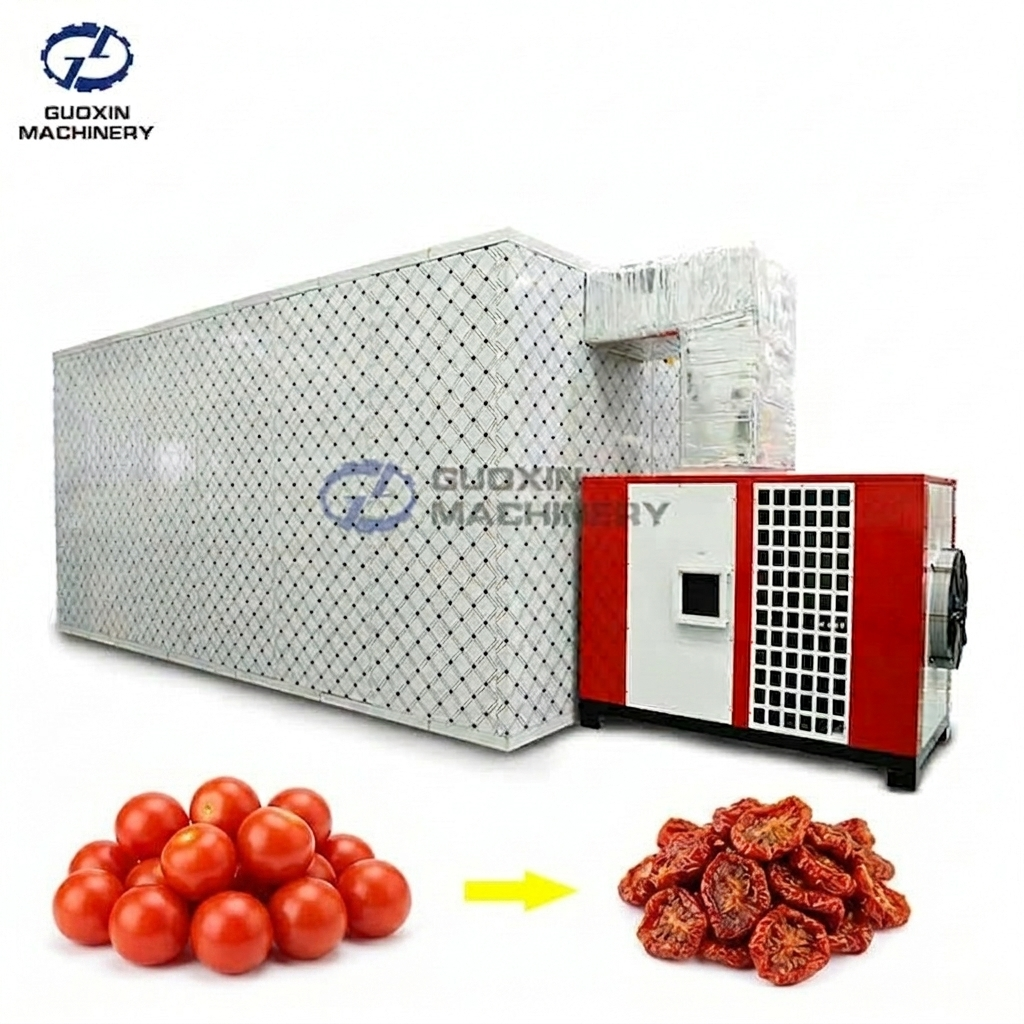
Sun-Dried Tomato Drying – Parameters for Industrial Production of Consistent Tomato Slices
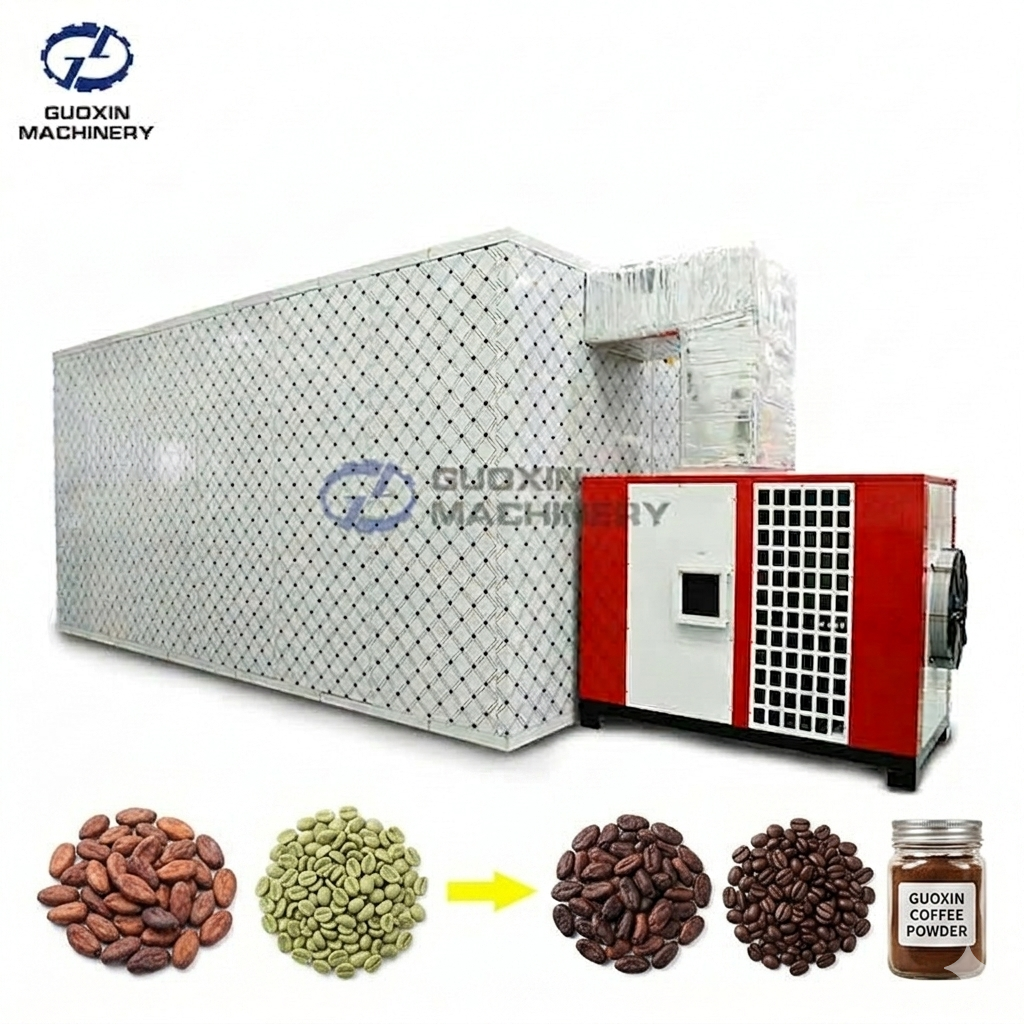
Drying Coffee Beans, Cocoa Nibs and Instant Coffee Powder