
© Henan Guoxin Machinery Manufacturing Co., Ltd. All Rights Reserved.



Spirulina and Chlorella biomass typically enter the drying stage with 80–90 % moisture. It must be reduced to 4–8 % final moisture to ensure storage stability, food-grade safety, and consistent powder performance. The primary technical goal is to minimize degradation of phycocyanin, chlorophyll, and protein during the process. Material Initial Moisture (%) Target Moisture (%...
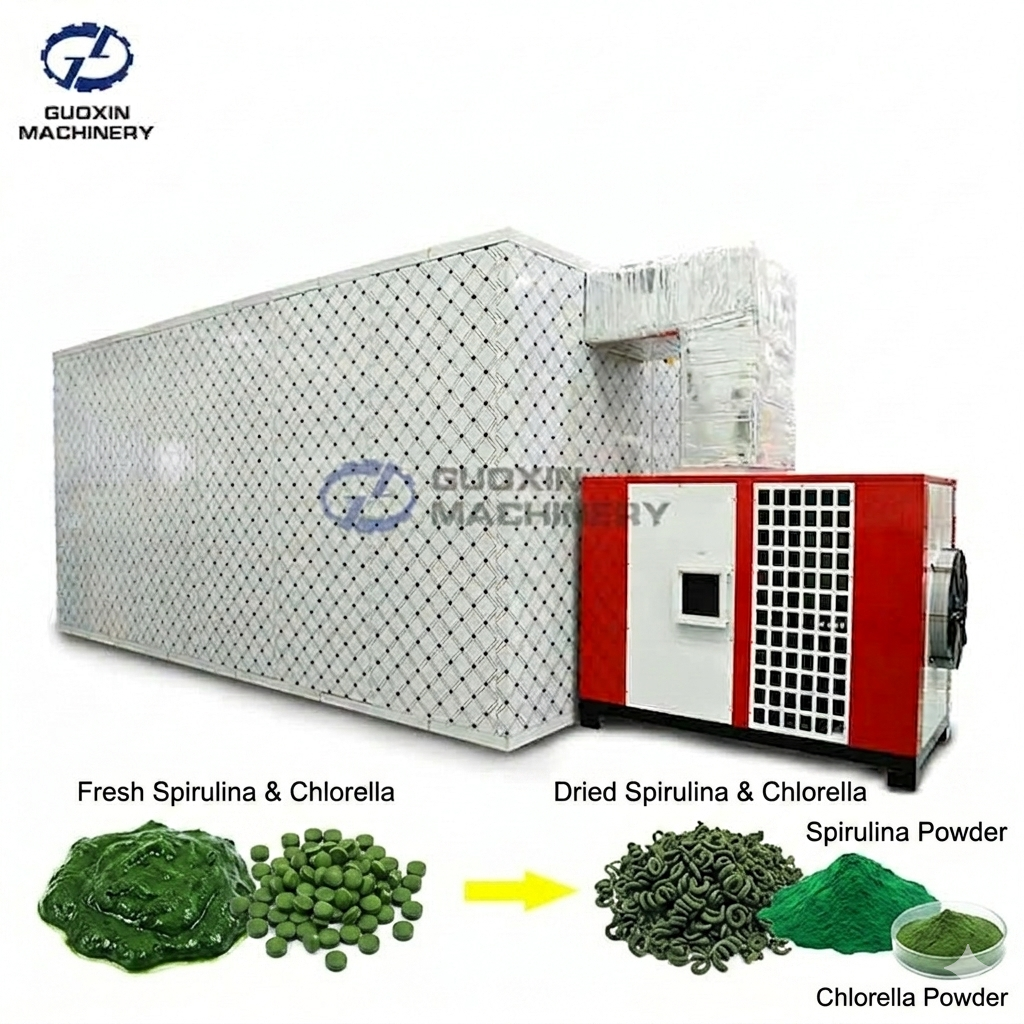
Spirulina and Chlorella Drying Machine
Spirulina and Chlorella biomass typically enter the drying stage with 80–90 % moisture. It must be reduced to 4–8 % final moisture to ensure storage stability, food-grade safety, and consistent powder performance. The primary technical goal is to minimize degradation of phycocyanin, chlorophyll, and protein during the process.
| Material | Initial Moisture (%) | Target Moisture (%) | Typical Temp / Time | Pre-Processing Steps | Main Technical Concerns by Market | Recommended Guoxin Dryer Type | Dedicated Solution |
|---|---|---|---|---|---|---|---|
| Spirulina (fresh paste) | 80–90 | 4–8 | Heat pump: 40–55 °C / 6–12 h Freeze: –40 °C to 40 °C / 18–36 h | Harvest, filter, press to 18–25 % solids | Phycocyanin retention, bright blue-green color | Heat pump or Freeze | Spirulina Drying Solution |
| Chlorella | 82–92 | 4–8 | Heat pump: 45–60 °C / 8–14 h Microwave-assisted: 40–55 °C / 5–10 h | Harvest, wash, dewater to paste | Chlorophyll stability, protein functionality | Heat pump + Microwave | Chlorella Drying Solution |
Low-temperature controlled drying helps limit phycocyanin loss and maintain bright natural color.
Uniform moisture removal also supports efficient downstream grinding and long-term powder stability.
These parameters are based on commercial production data where bioactive retention and consistent powder quality are critical requirements.
FAQ
Why is the temperature kept below 55 °C for Spirulina?
Phycocyanin is heat-sensitive and degrades noticeably above this range. Controlled low temperatures help maintain higher levels of this compound.
What final moisture target is commonly used for algae powder?
4–8 % moisture (water activity below 0.6) is standard to ensure microbial stability during storage and transport.
Can the same drying system process both Spirulina and Chlorella?
Yes. Heat pump systems with adjustable temperature and humidity control allow effective switching between the two materials.
How does the drying method influence the final powder quality?
Lower-temperature methods better preserve protein structure, color, and bioactive compounds compared with higher-heat processes.
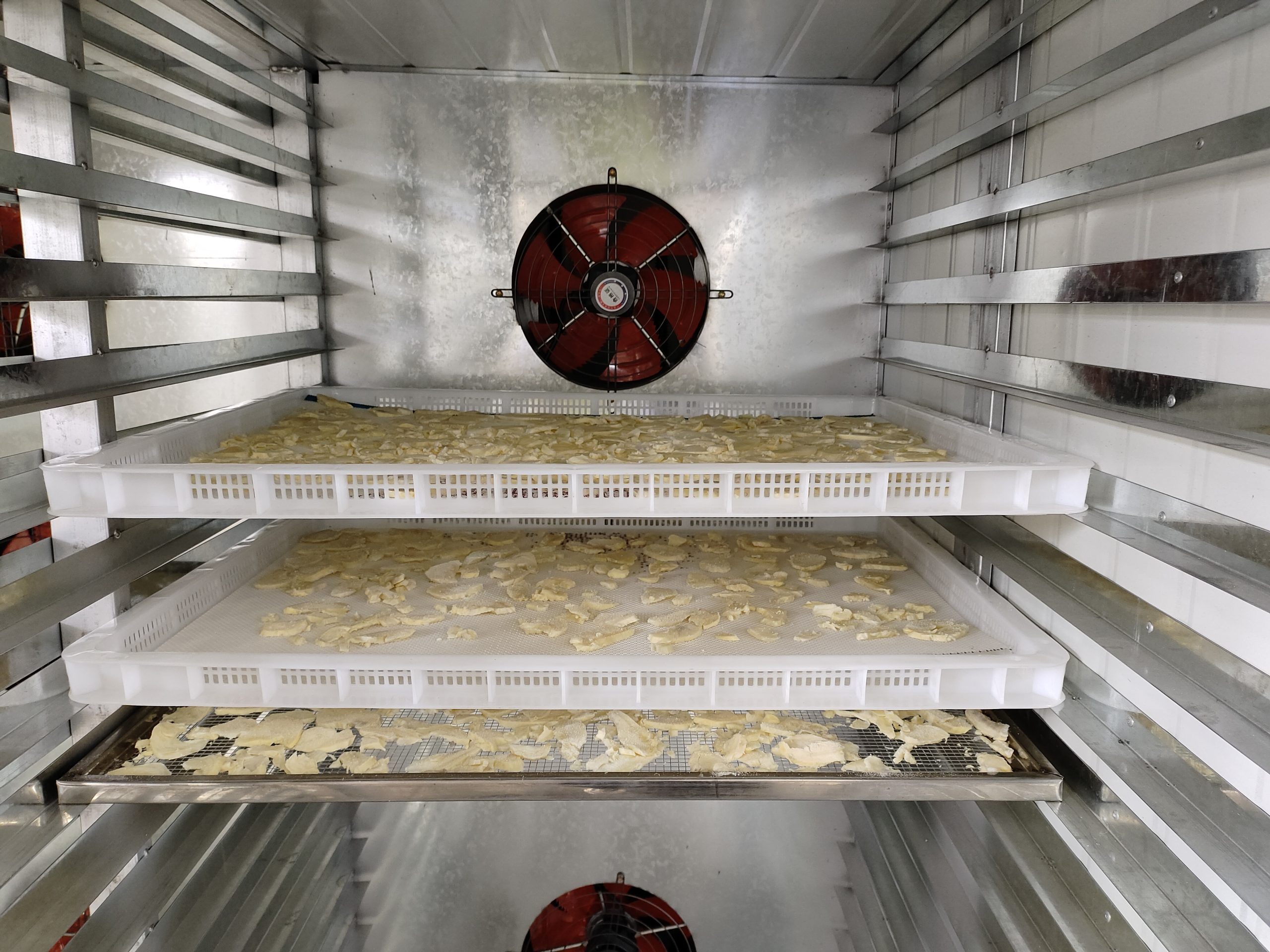
Commercial Durian Dehydration: Preserving Quality with Heat Pump Technology
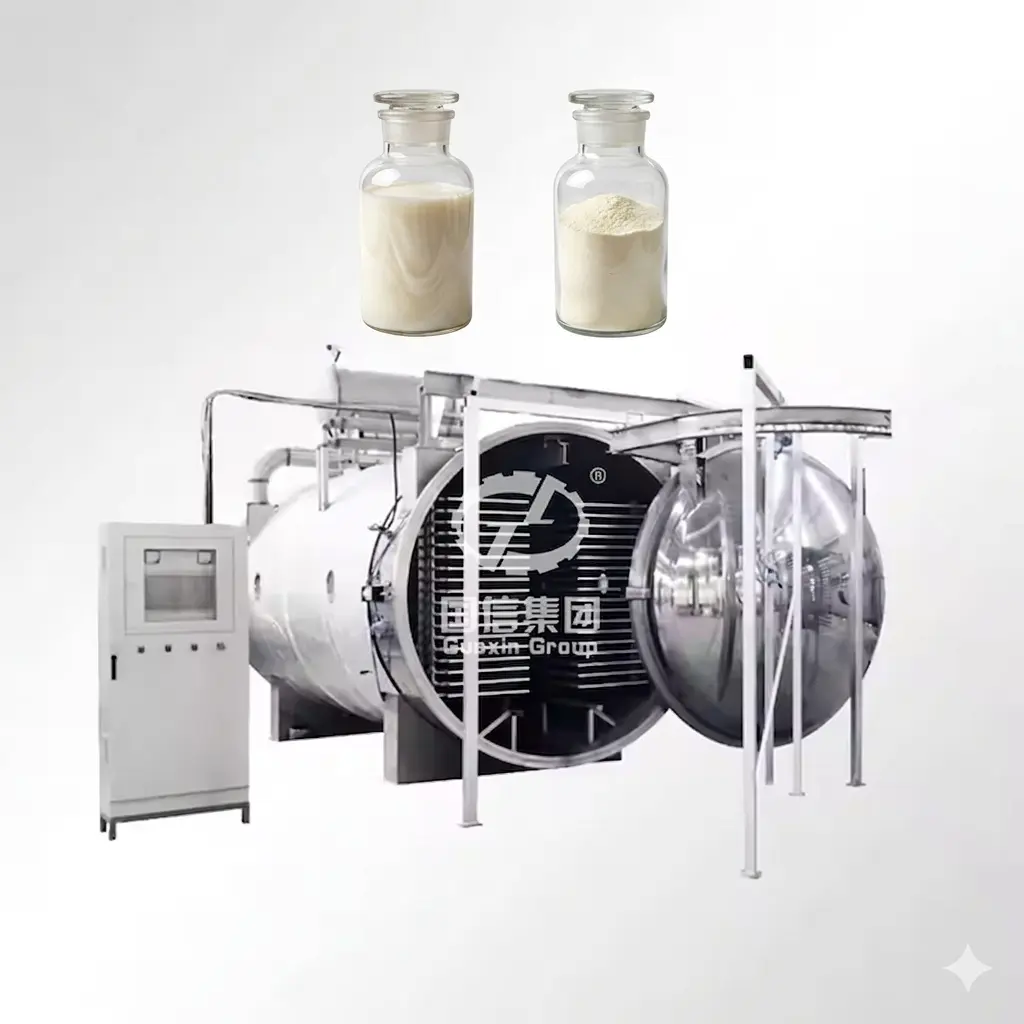
Milk Powder Drying – Parameters for Consistent Final Moisture and Functional Properties
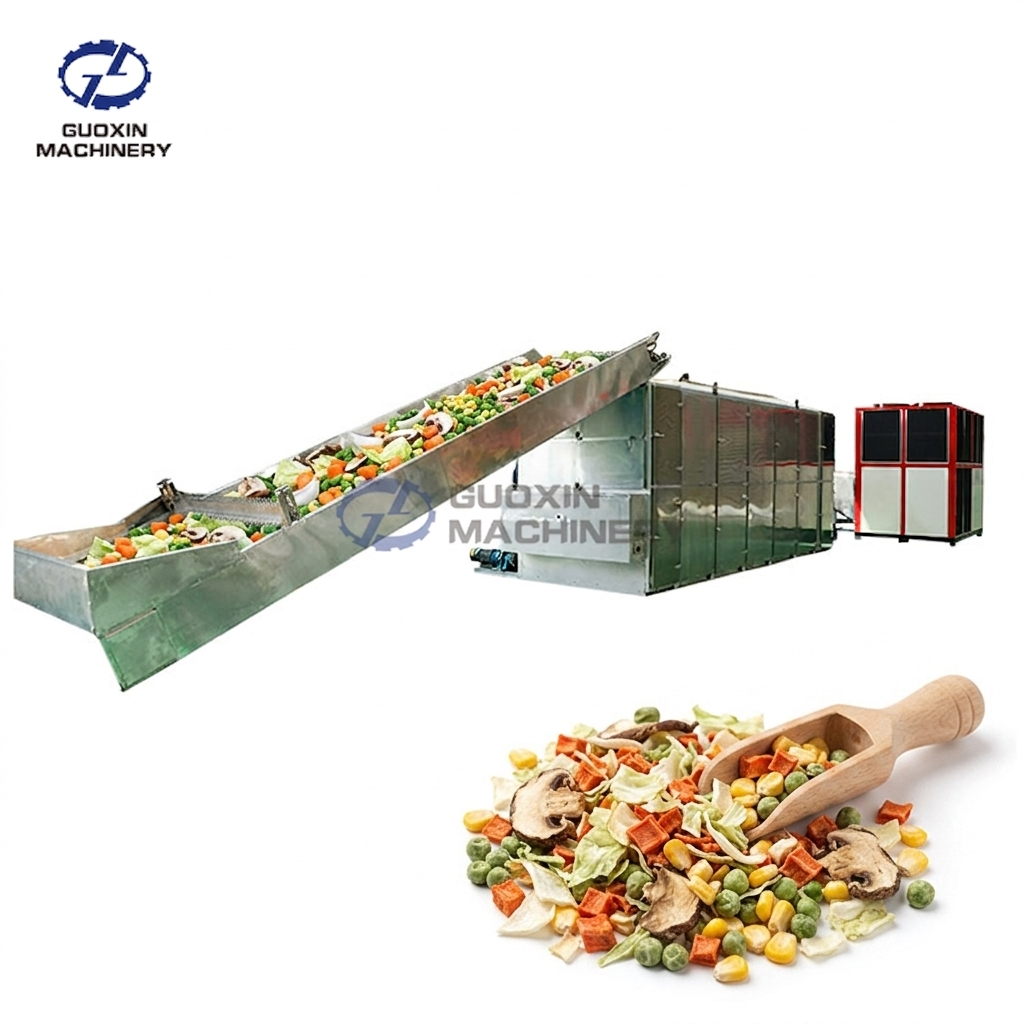
Dehydrated Vegetables for Instant Noodle Seasoning – Drying Parameters for Consistent Quality in Seasoning Packs
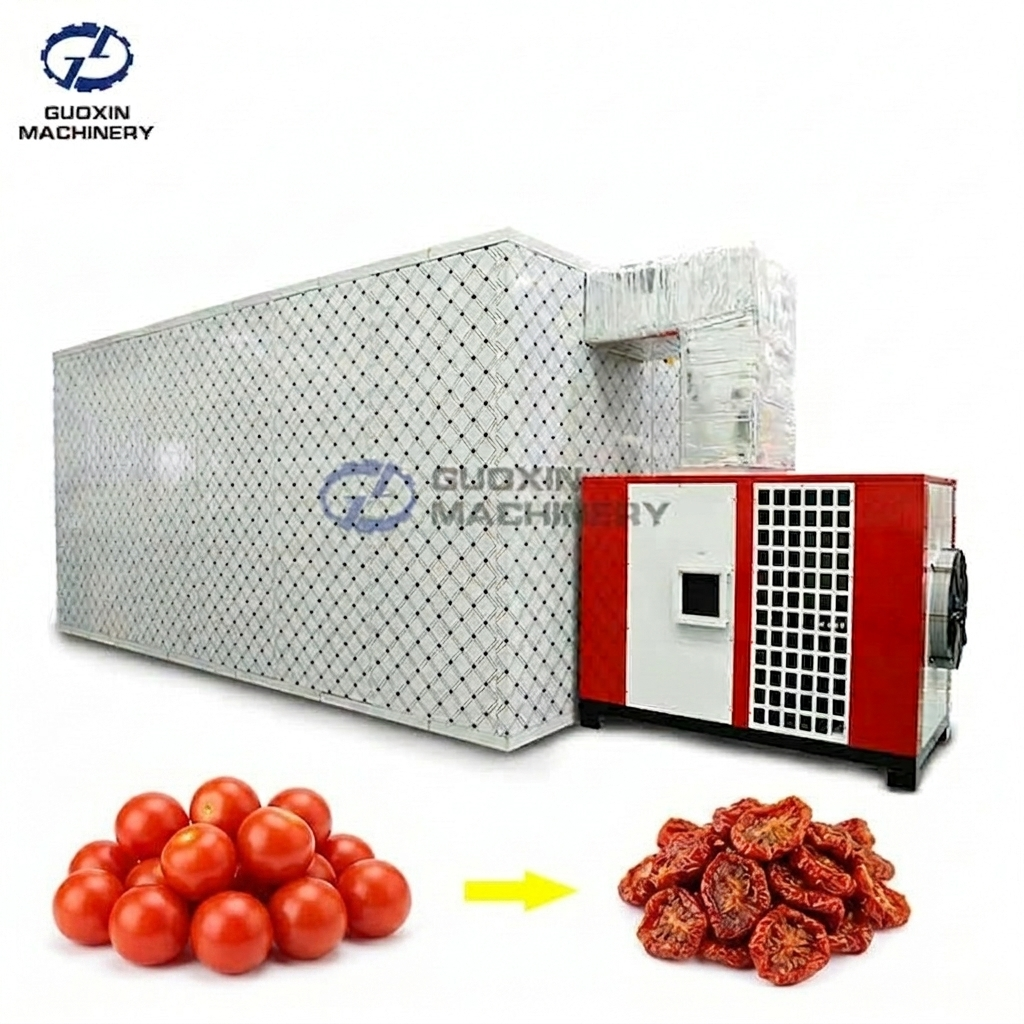
Sun-Dried Tomato Drying – Parameters for Industrial Production of Consistent Tomato Slices