
© Henan Guoxin Machinery Manufacturing Co., Ltd. All Rights Reserved.


What is the processing capacity range and water-saving efficiency of commercial vegetable washing machines? Industrial air bubble washing machines deliver a scalable processing capacity from 500 kg/h to over 8,000 kg/h while reducing fresh utility water consumption by 45% to 60%. Compared to traditional open-vent flume wash systems, our design integrates multi-stage water fi...
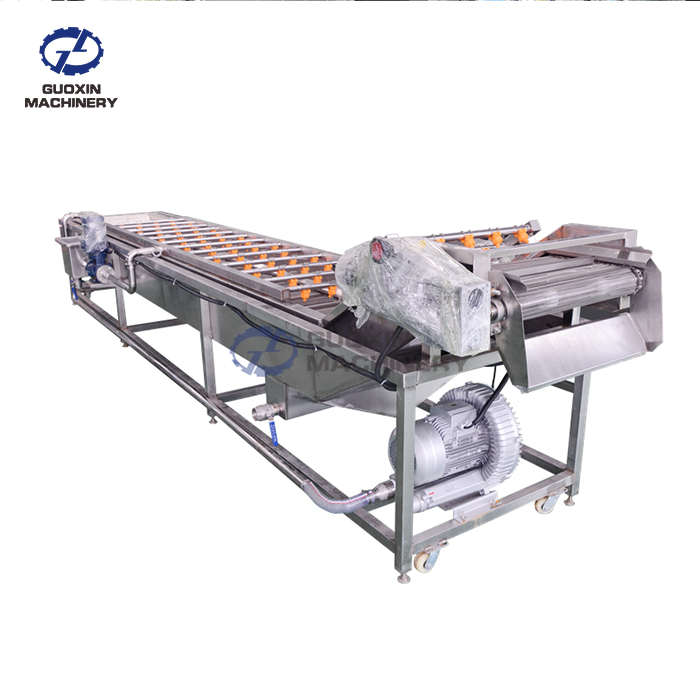
What is the processing capacity range and water-saving efficiency of commercial vegetable washing machines?
Industrial air bubble washing machines deliver a scalable processing capacity from 500 kg/h to over 8,000 kg/h while reducing fresh utility water consumption by 45% to 60%.
Compared to traditional open-vent flume wash systems, our design integrates multi-stage water filtration and automated recirculation loops to dramatically lower raw utility costs.
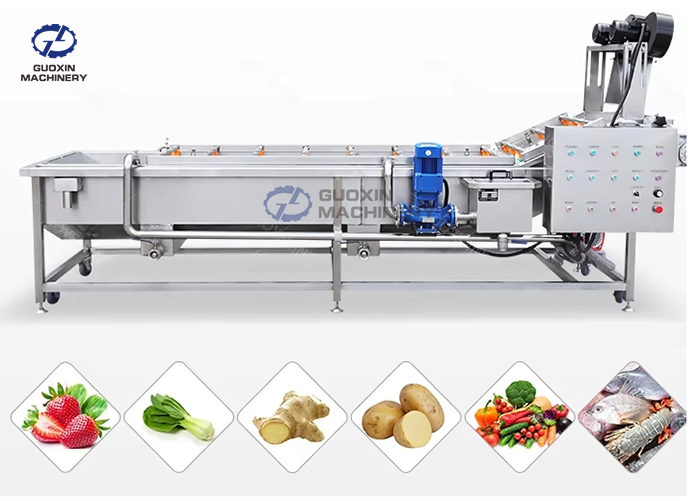
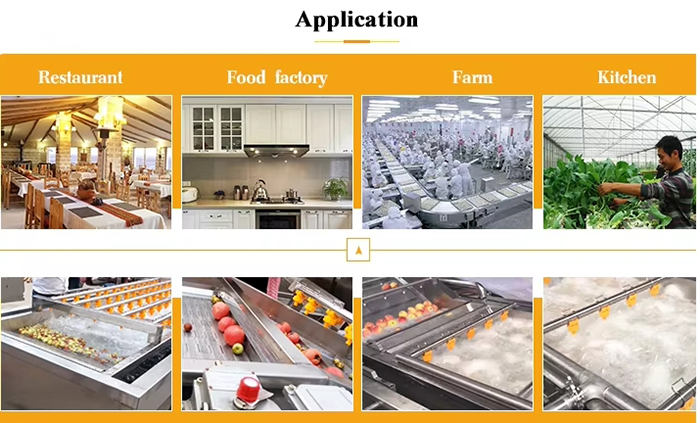
Commercial food processing installations require automated cleaning equipment that can thoroughly remove field soil, pesticide residues, and surface contaminants without compromising the physical integrity of the raw material. Guoxin Machinery’s industrial vegetable washer utilizes a smart combination of water turbulence, mechanical transport, and localized high-pressure spraying to achieve deep sanitation.
Phase 1: Air-Bubble Water Turbulence Technology
High-pressure centrifugal blowers force ambient air through an array of submerged manifolds at the base of the wash tank. This creates high-intensity underwater turbulence and a continuous rolling action.
The bubble action acts as a gentle, continuous scrubbing mechanism, separating heavy grit, sand, and organic debris from the skin of the produce. Because the cleaning energy is distributed evenly throughout the liquid medium, fragile commodities (such as strawberries, ripe tomatoes, and leafy greens) are cleaned thoroughly without skin tearing or mechanical bruising.
Phase 2: Secondary High-Pressure Spray Rinse
As the floating product is drawn out of the fluid tank by the inclined conveyor belt, it passes under an overhead high-pressure fresh water spray header. This final rinsing stage removes any remaining surface film or suspended particulate matter, ensuring that only fully sanitized raw materials exit the washing module into downstream slicing, blanching, frying, or dehydration operations.
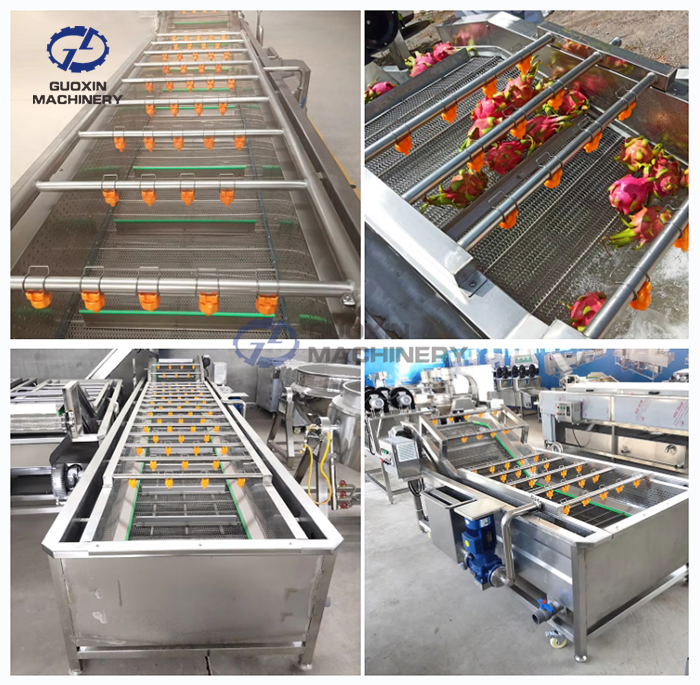
Our commercial vegetable washing machines are engineered to resist corrosion, chemical oxidation, and structural wear in heavy-duty, continuous-operation environments.
The entire mainframe chassis, fluid tanks, support pillars, and conveyor assemblies are fabricated from food-grade SUS304 stainless steel. Optional premium SUS316L configurations are available for high-salinity seafood processing or high-acid pickled environments.
The baseline bubble tank can be modified with auxiliary mechanical units to match specific raw material demands. For root vegetables containing embedded soil (such as potatoes, carrots, or ginger), the system can be configured with an inline rotary brush roller array and high-pressure jetting nozzles to strip away tough clay matrices.
Systems can be fitted with integrated Ozone (O3) generator loops. The ozone is dissolved into the wash water via a venture injection system, creating a powerful oxidizing bath that drastically reduces microbial counts, pathogens, and surface pesticide compounds without leaving chemical residues on the final product.
Procurement managers maximize factory floor efficiency when pre-treatment steps operate as a single automated sequence. Guoxin Machinery designs, balances, and delivers complete turnkey (EPC) processing lines, integrating the fruit and vegetable cleaning line into continuous production frameworks:
[Bulk Intake Sorting Table] → [Automated Inclined Flight Elevator] → [Air Bubble Washing System] → [Integrated Ozone Sanitization Bath] →
[Mechanical Vibratory De-Watering Screen] → [High-Velocity Air Drying Machine] → [Downstream Slicing / Frying / Dehydration]
Eliminates product clumping at the input gate by using specialized gravity chutes or vibratory trays to feed raw material across the entire working width of the washing tank.
Features an advanced dual-tank configuration where overflow water is directed through a screen to separate light debris (leaves, stems) from heavy sediments, allowing clean water to be recirculated continuously.
The table below outlines standard industrial models for Guoxin continuous air bubble washing installations. All configurations can be structurally adapted to specific factory layouts.
| Technical Parameter | Model: GX-BW-3000 Line | Model: GX-BW-4000 Plant | Model: GX-BW-5000 Complex |
| Hourly Output Capacity | 800 kg/h to 1,500 kg/h | 2,000 kg/h to 3,500 kg/h | 4,000 kg/h to 6,000 kg/h+ |
| Effective Tank Width | 1,000 mm | 1,200 mm | 1,500 mm |
| Total Equipment Length | 4,000 mm | 5,500 mm | 7,000 mm |
| Chassis Specification | Food-Grade SUS304 | Food-Grade SUS304 | Food-Grade SUS316L / SUS304 |
| Blower Motor Rating | 2.2 kW | 4.0 kW | 5.5 kW |
| Conveyor Drive Architecture | 0.75 kW (VFD Variable Speed) | 1.1 kW (VFD Variable Speed) | 1.5 kW (VFD Variable Speed) |
| Water Recycle Filtration | Wedge-Wire Static Screen | Multi-Stage Mesh Filter Tank | Automated Rotating Sieve Filter |
| Sanitizing Injection | Optional Ozone Loop (O3) | Integrated Ozone/Chlorine Loop | Integrated Ozone + SCADA Control |
| Conveyor Belt Build | SUS304 Stainless Mesh | SUS304 Stainless Mesh | Heavy-Duty SUS304 Plate Link |
Q1: How does the system handle high-sediment materials like root crops without clogging the recirculation loops?
A: Our machines utilize a V-shaped sediment collection hopper situated at the absolute bottom of the main washing tank, isolated beneath a false-bottom mesh screen. Heavy materials like sand, stones, and soil fall through the screen and settle directly into the collection zone, away from the active product flow. The water recirculation line draws from the upper layer of the water column through a secondary multi-stage filtration box equipped with removable fine-mesh strainers. This setup prevents sand particles from re-entering the pump impellers or clogging the spray nozzles.
Q2: Can the air blower intensity and conveyor speeds be adjusted for fragile versus dense materials?
A: Yes. All industrial models are built with a centralized control enclosure housing Variable Frequency Drives (VFDs) for both the main air blower array and the conveyor drive motors. When processing highly delicate materials like leafy herbs or berries, operators can dial down the blower frequency to produce a gentle bubbling action that prevents physical product damage. For heavy, dense root vegetables, the frequency can be scaled up to maximum output to provide the mechanical agitation needed to remove heavy soils.
Q3: What are the maintenance requirements and sanitation protocols for global export compliance?
A: To comply with international food safety frameworks (including HACCP, BRC, and FDA audits), the washing machine features an open-frame design with no hidden corners or un-welded lap joints where organic matter can accumulate. The main water tank is engineered with large-diameter manual discharge valves for rapid draining. Clean-in-Place (CIP) sanitation protocols are streamlined by utilizing toolless removable side guards, allowing quick access to the internal spray lines and conveyor tracking for high-pressure chemical wash-downs.
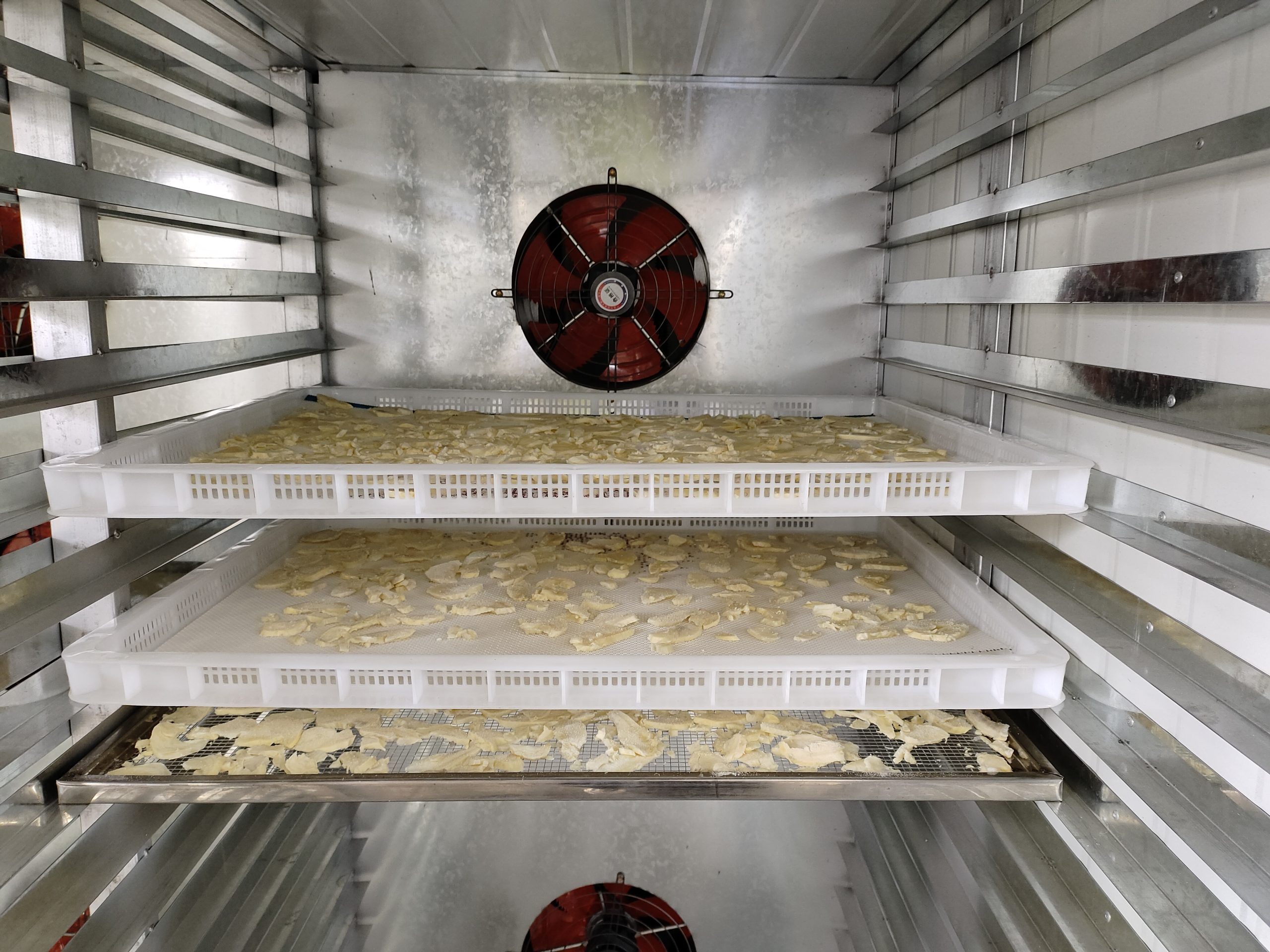
Commercial Durian Dehydration: Preserving Quality with Heat Pump Technology
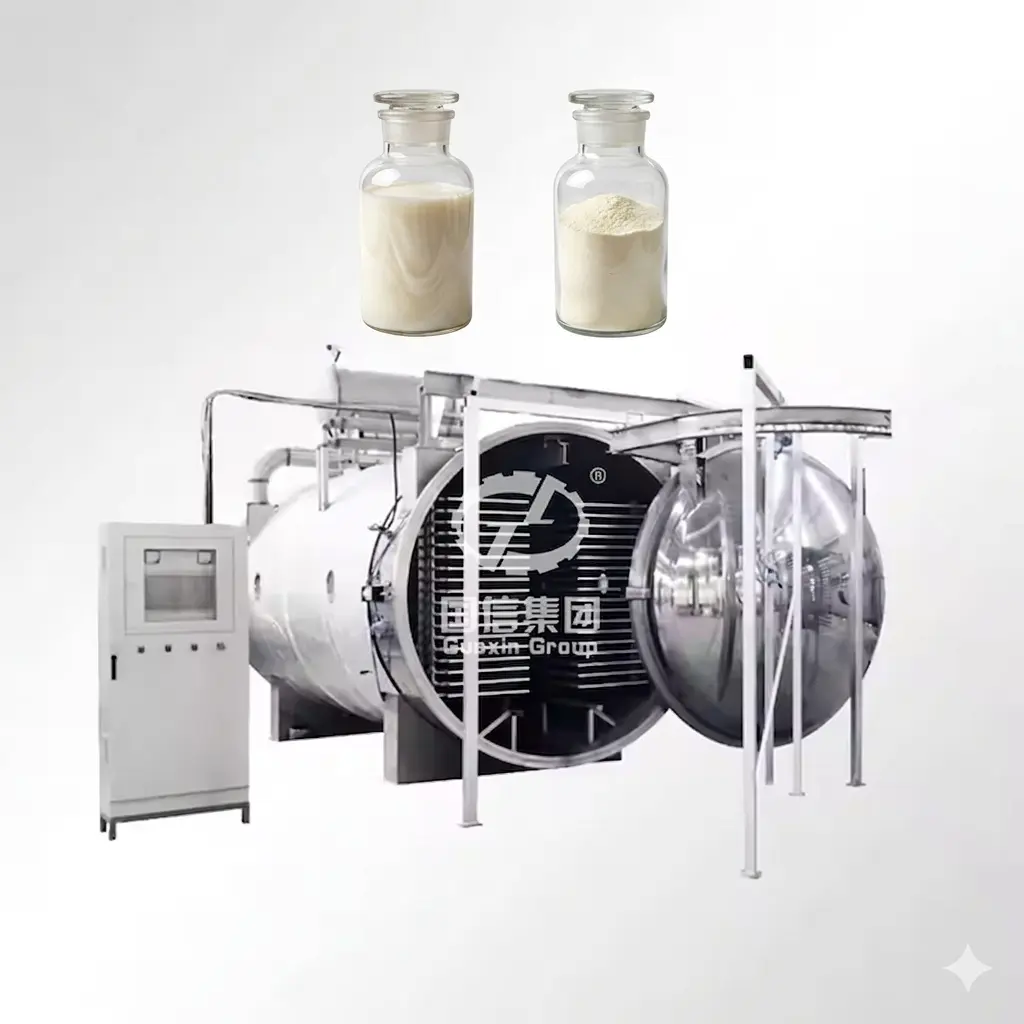
Milk Powder Drying – Parameters for Consistent Final Moisture and Functional Properties
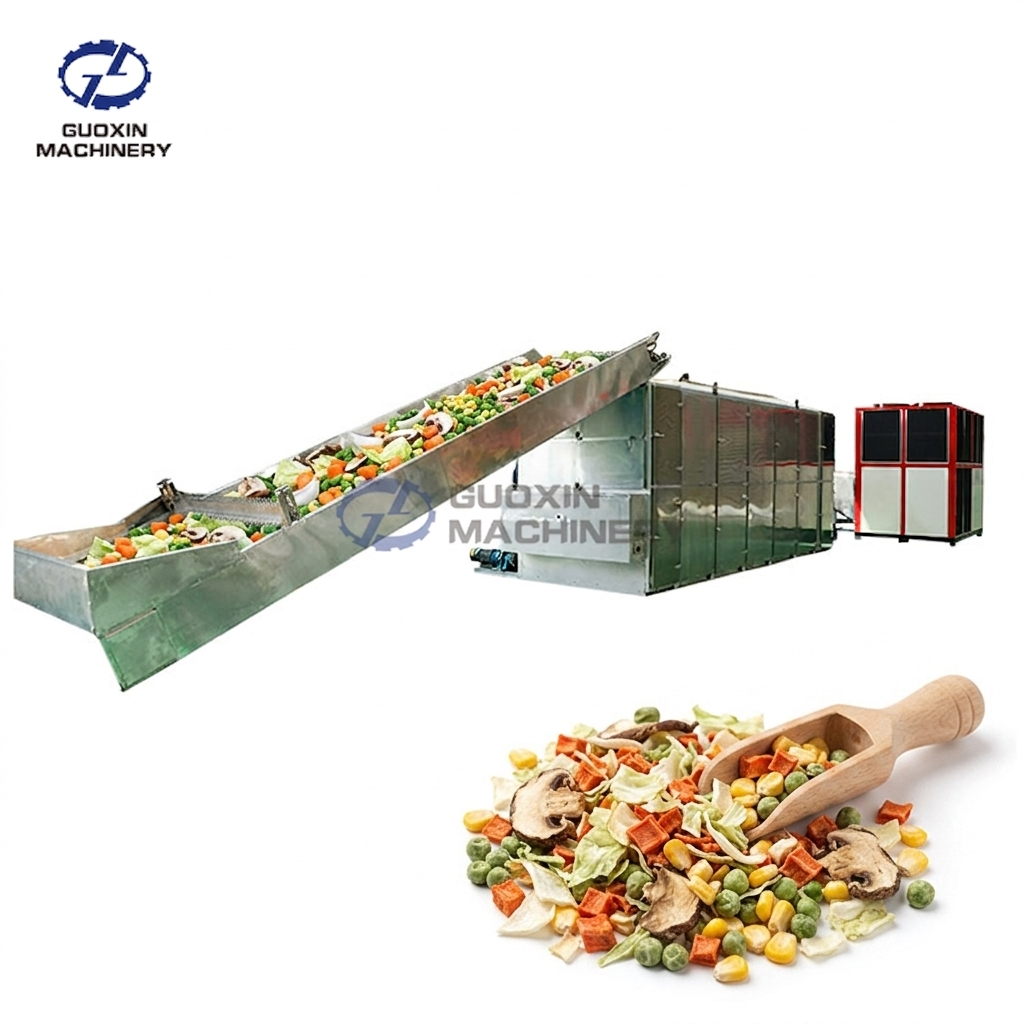
Dehydrated Vegetables for Instant Noodle Seasoning – Drying Parameters for Consistent Quality in Seasoning Packs
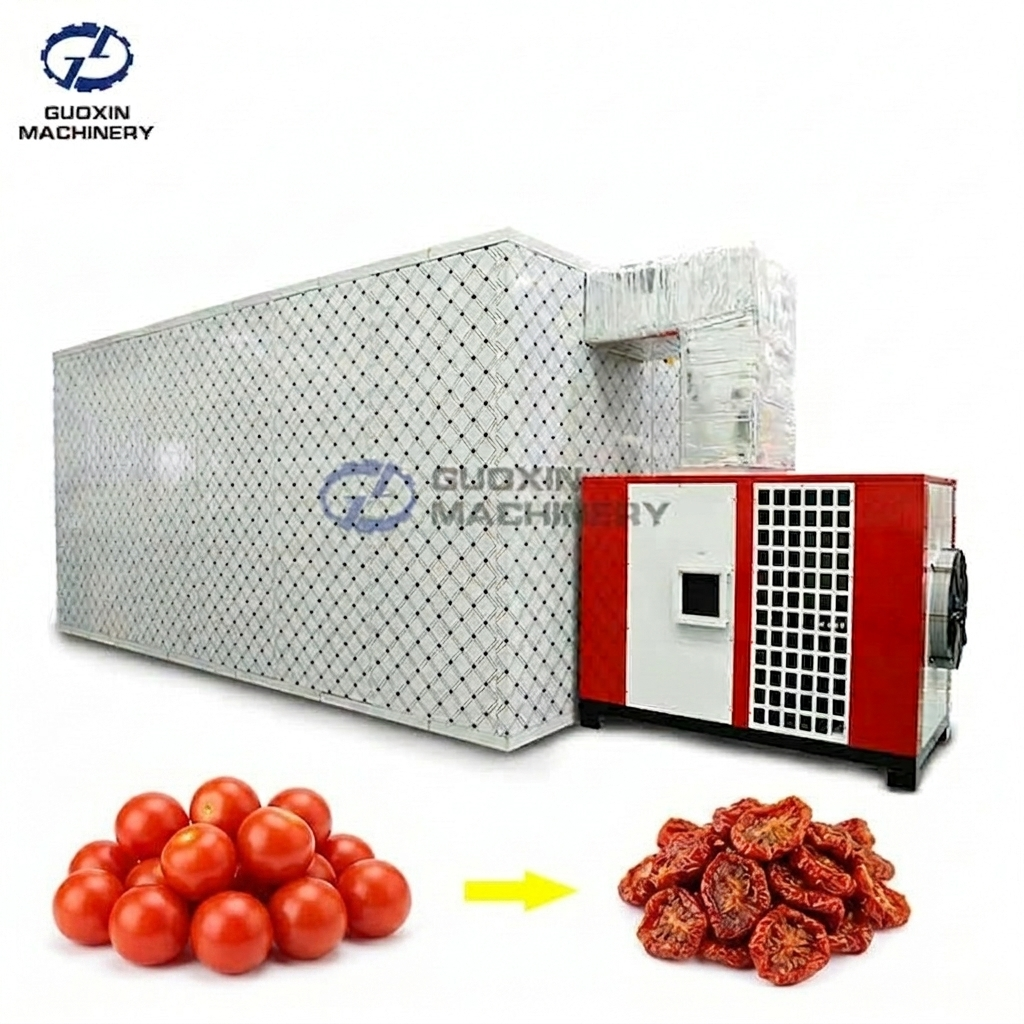
Sun-Dried Tomato Drying – Parameters for Industrial Production of Consistent Tomato Slices