© Henan Guoxin Machinery Manufacturing Co., Ltd. All Rights Reserved.



Release time:2026-03-16
Beef jerky is a high-protein snack with strong demand in North America, Europe, and Asia. Commercial beef jerky production requires controlled drying conditions to ensure food safety, flavor preservation, and consistent texture.
Industrial drying systems allow meat processors to produce beef jerky efficiently and on a large scale.
Lean beef cuts are typically used for jerky production.
Common cuts include:
• top round
• flank steak
• sirloin
Low-fat content helps improve shelf life.
Beef is sliced into thin strips.
Typical thickness:
3–6 mm
Uniform slicing ensures even drying.
The meat strips are marinated with seasoning ingredients.
Common marinade components:
• salt
• soy sauce
• spices
• sugar
Marinating enhances flavor before drying.
The marinated meat strips are placed on trays or mesh belts and dried under controlled conditions.
Typical drying parameters:
Temperature
55–70°C
Drying time
4–8 hours
Final moisture content
around 20–30%, depending on product style.
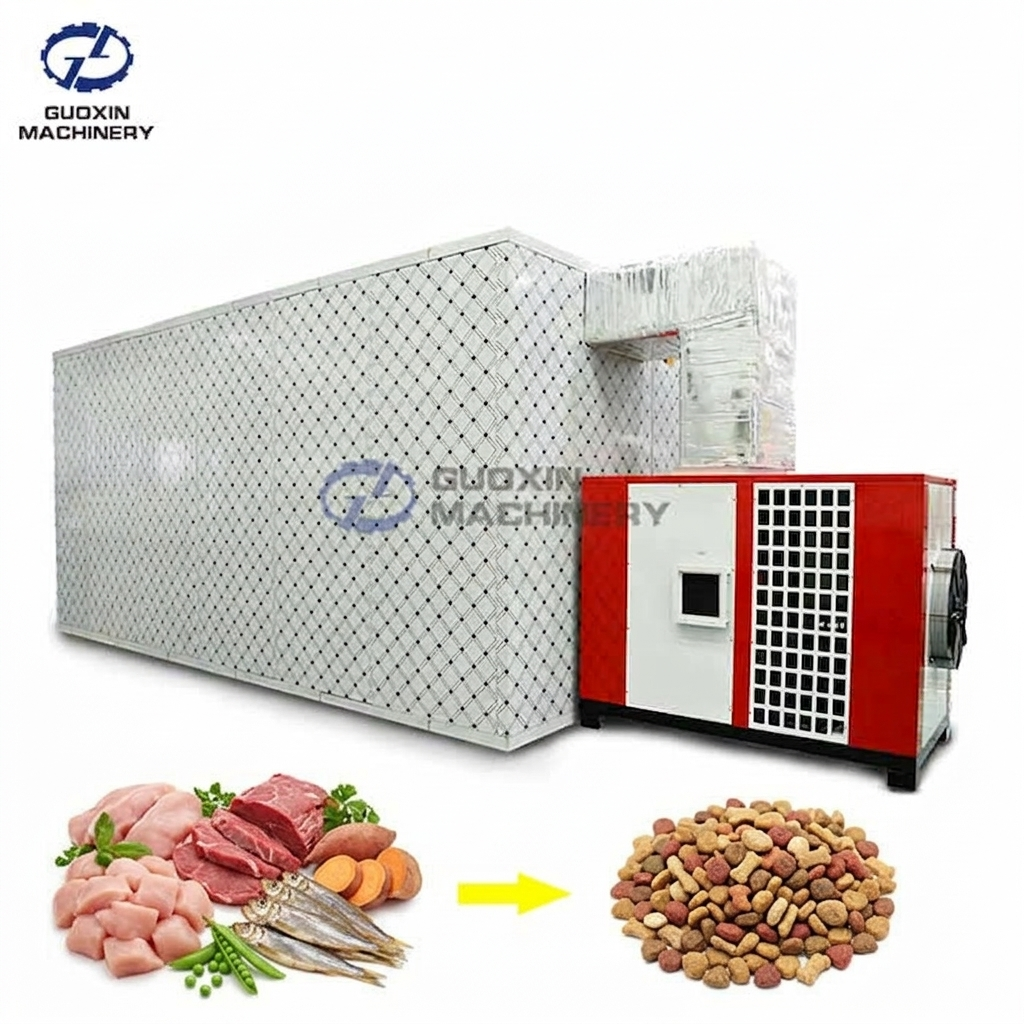
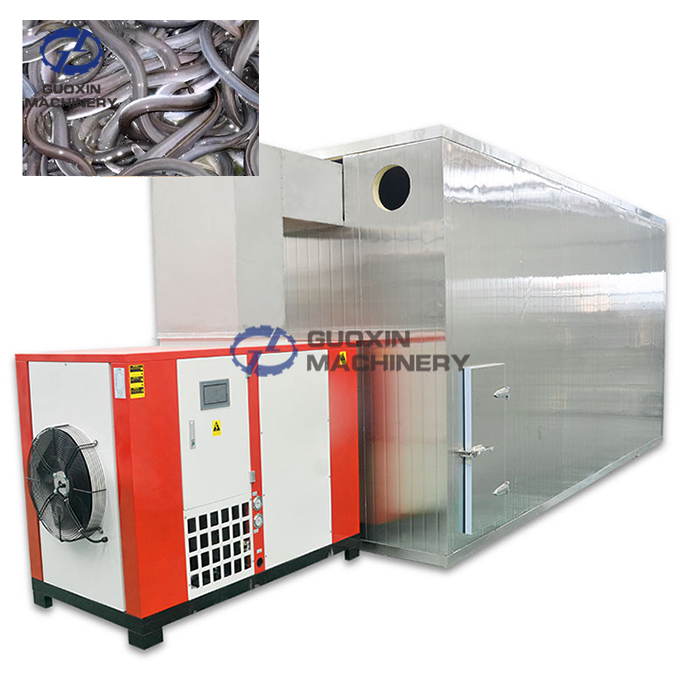
Heat pump dryers are widely used for premium beef jerky production.
Advantages:
• precise temperature control
• energy-efficient drying
• consistent product quality
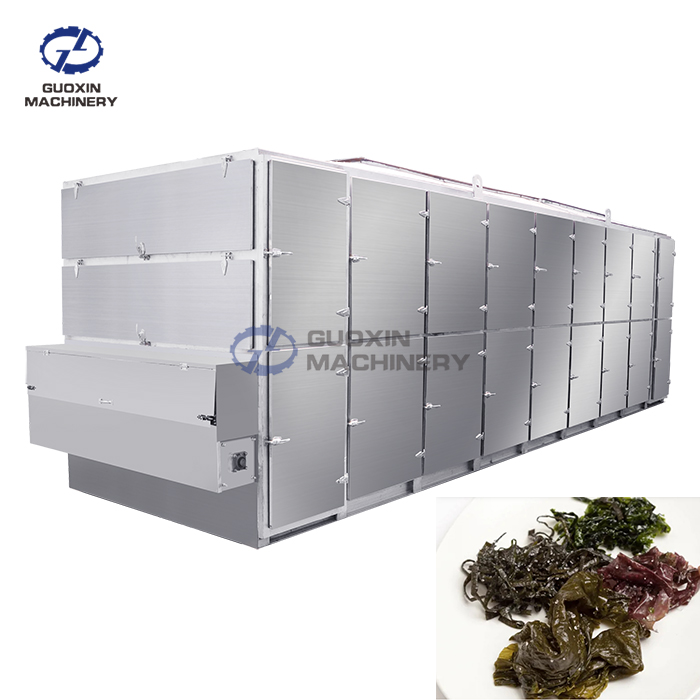
Mesh belt dryers are suitable for large-scale meat processing plants.
Advantages:
• continuous production
• high throughput capacity
Small jerky factory
200–400 kg per batch
Medium plant
1–2 tons per day
Large meat processing plant
5 tons per day or more
If you are planning a commercial beef jerky production line, we can help design the right drying system for your processing plant.
👉 Contact us to discuss your project.