© Henan Guoxin Machinery Manufacturing Co., Ltd. All Rights Reserved.



Release time:2026-03-17
How do industrial spice plants optimize raw material dehydration to maximize grinding efficiency and ASTA color value?
In the industrial chili powder processing sector, the efficiency removing deeply bound cellular moisture fromof the final milling and pulverizing stage is entirely dictated by the quality of the raw material dehydration. For spice manufacturers, a professional raw material drying solution must achieve two conflicting thermodynamic goals: pulling the deeply bound cellular moisture out of the peppers to ensure clean milling, while simultaneously preserving volatile essential oils, capsicum oleoresin, and the target ASTA color value.
If the incoming chilis are improperly dried, processing plants face significant mechanical and commercial liabilities, including screen clogging in the hammer mills, rapid mold growth during storage, and a dull, browned powder color that reduces market value.
To engineer a stable, high-yield chilli powder processing workflow, the drying phase must strictly adhere to three critical chemical and mechanical boundary conditions:
A. The Grinding Moisture Boundary (<10%)
Fresh chilis carry an intake moisture profile of approximately 75% to 80%. For high-speed industrial pulverizers, the raw material must be brought down to a final moisture level below 10% (ideally 7% to 8%).
If the moisture lingers around 12% to 14%, the friction inside the mill creates localized heat, turning the residual oil and water into a paste. This glues the mill meshes shut and forces frequent operational shutdowns for cleaning.
B. Thermal De-esterification & Capsaicin Retention (55°C – 65°C)
Capsaicinoids and volatile flavor esters start degrading when exposed to harsh direct heat. Baking chilis above 70°C strips the spice of its characteristic pungency and aroma. Guoxin engineers recommend a progressive zoned heat curve:
C. Anti-Oxidation & ASTA Color Value Stabilization
The bright red hue of high-grade chili powder is determined by carotenoid pigments. Prolonged drying cycles under poor ventilation cause these pigments to oxidize, turning the raw material brown or black. An effective industrial drying solution must implement high-velocity active air changeovers to sweep away damp air instantly, reducing the total thermal exposure time.
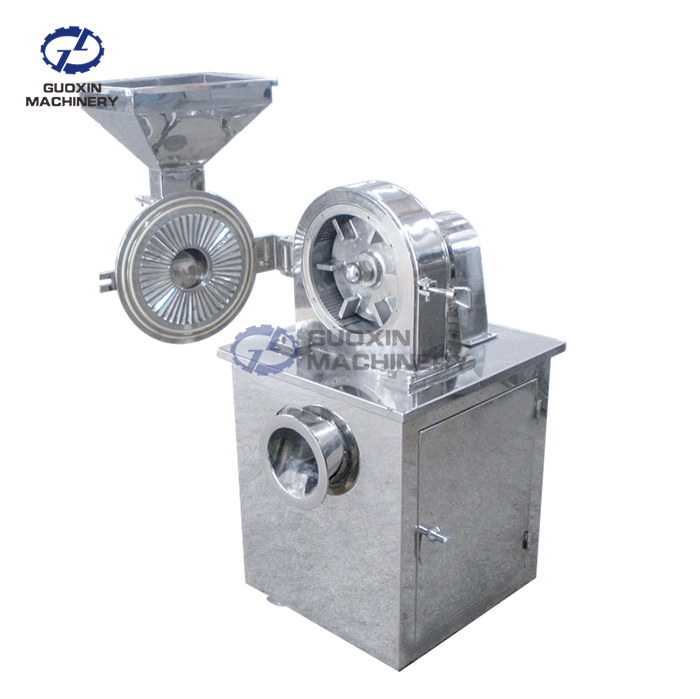
Grinding mill
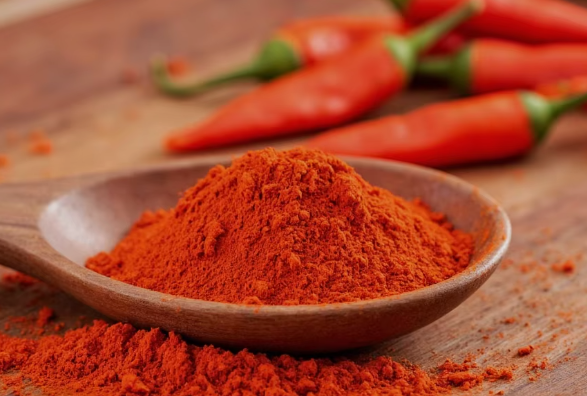
[Raw Intake] → [Industrial Wash & Disinfection] → [Zoned Convective Drying (55-65°C)] →
[Cooling & Moisture Equilibration] → [Milling & Sifting] → [Chili Powder]
Depending on your daily tonnage throughput and local energy setup, Guoxin Machinery provides two distinct commercial equipment layouts tailored for powder production:
Solution A: Continuous Multi-Tier Mesh Belt Dryer (Mass-Scale Continuous Line)
The absolute standard for large-scale chili powder processing factories requiring automated, uninterrupted 24/7 output.
Solution B: Air Energy Heat Pump Dehumidifier (Premium / High-Fat Spice Varieties)
Designed for specialized spice processors handling premium, high-oil varieties where maximum flavor density and zero discoloration are demanded.
| Technical Indicator | Requirement for Powder Quality | System Engineering Impact |
| Intake Moisture Target | 75% – 80% (Fresh Whole/Crushed) | Determines required evaporation capacity |
| Milling Moisture Boundary | Below 10% (Optimal 7% – 8%) | Prevents screen binding in hammer mills |
| Thermal Temperature Curve | 55°C to 65°C Max (Zoned Control) | Protects volatile flavor oils & capsicum |
| Contact Metallurgy | Food-Grade SUS304 Stainless Steel | Resists organic acid corrosion during heating |
| Target Output Form | Crispy, brittle whole or flaked chilis | Ensures clean fracture patterns when crushed |
Q1: Should we dry whole chilis or crushed chilis if our ultimate goal is chili powder processing?
A: If your factory layout permits, drying crushed or flaked chilis is highly superior for energy efficiency. Whole peppers have a dense, waxy outer skin that severely limits moisture movement, forcing a long 10 to 14-hour drying period. Crushing or slicing the raw material open breaks this wax barrier, compressing the required drying cycle down to 4–6 hours. This effectively doubles your daily output on the same footprint and significantly cuts fuel costs per ton.
Q2: How does an advanced chili peppers drying machine safeguard food safety standards for export powder markets?
A: Spice dust and high internal humidity can create major sanitary risks if equipment is poorly designed. Guoxin chili peppers drying machines are engineered strictly around FDA and HACCP guidelines. Built with an open-frame layout using high-grade SUS304 stainless steel, our designs feature zero un-welded lap joints or blind zones. This allows your cleaning crews to execute complete high-pressure sanitization protocols easily, preventing cross-contamination and mold buildup between batches.
[Contact Our Engineering Team to Schedule Your On-Site Material Trial Run]
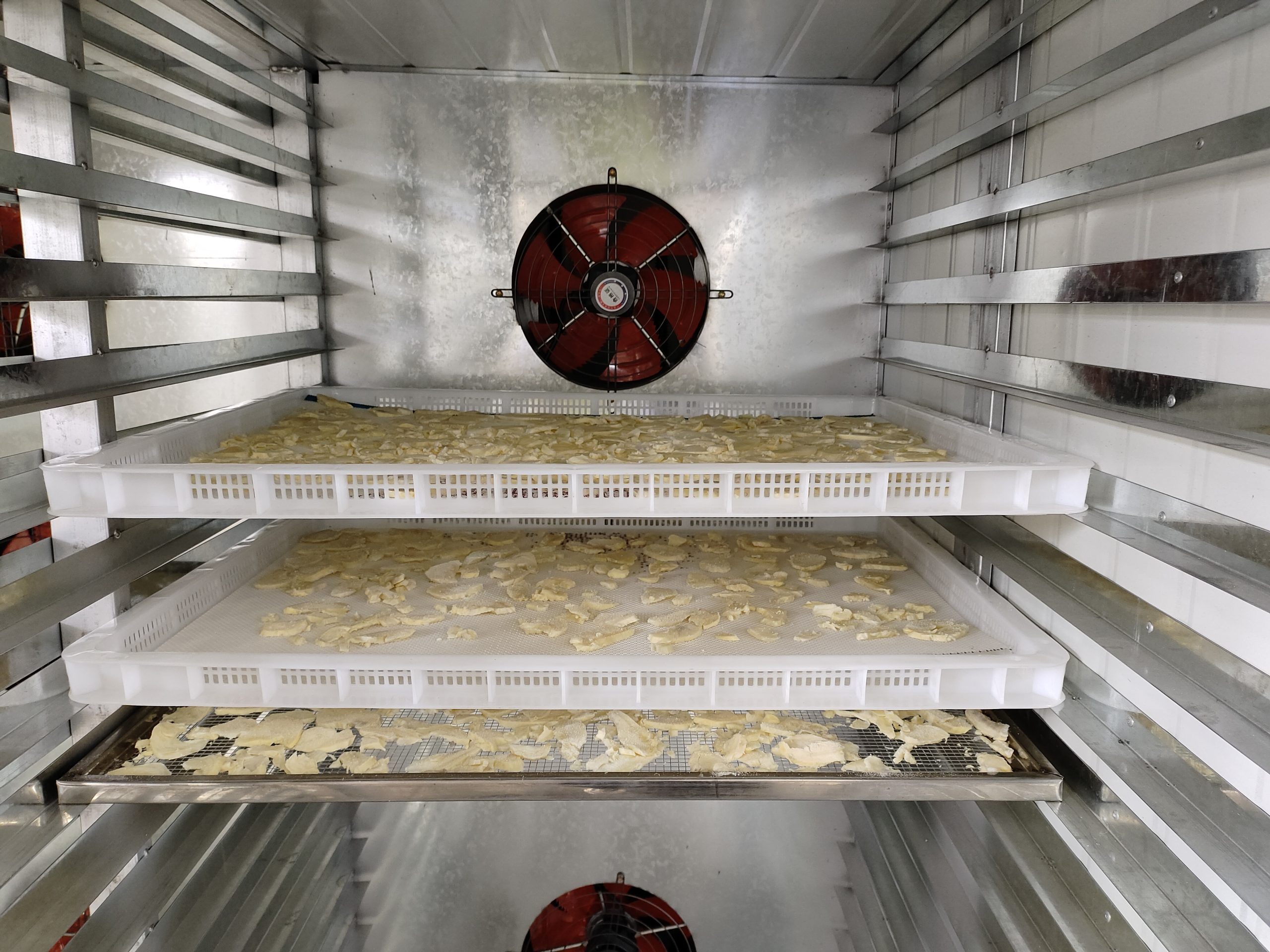
Commercial Durian Dehydration: Preserving Quality with Heat Pump Technology
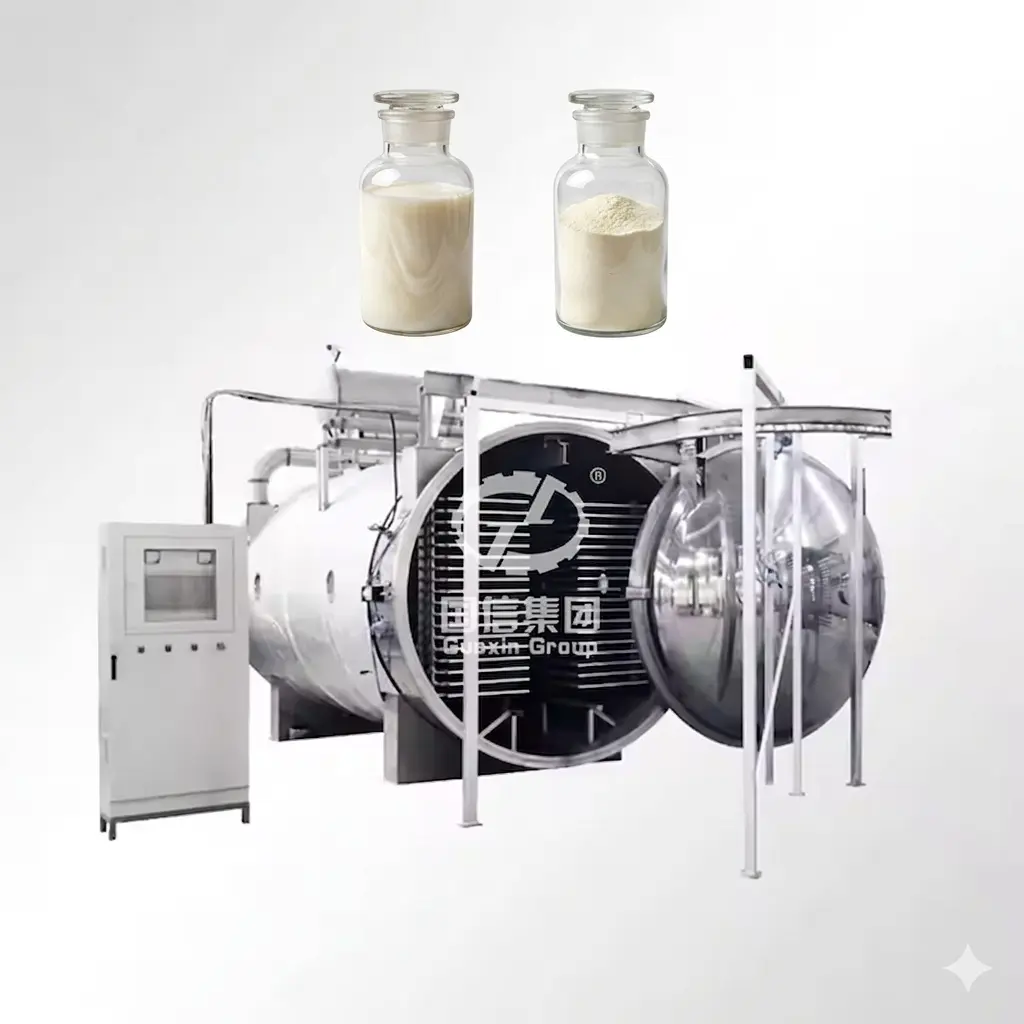
Milk Powder Drying – Parameters for Consistent Final Moisture and Functional Properties
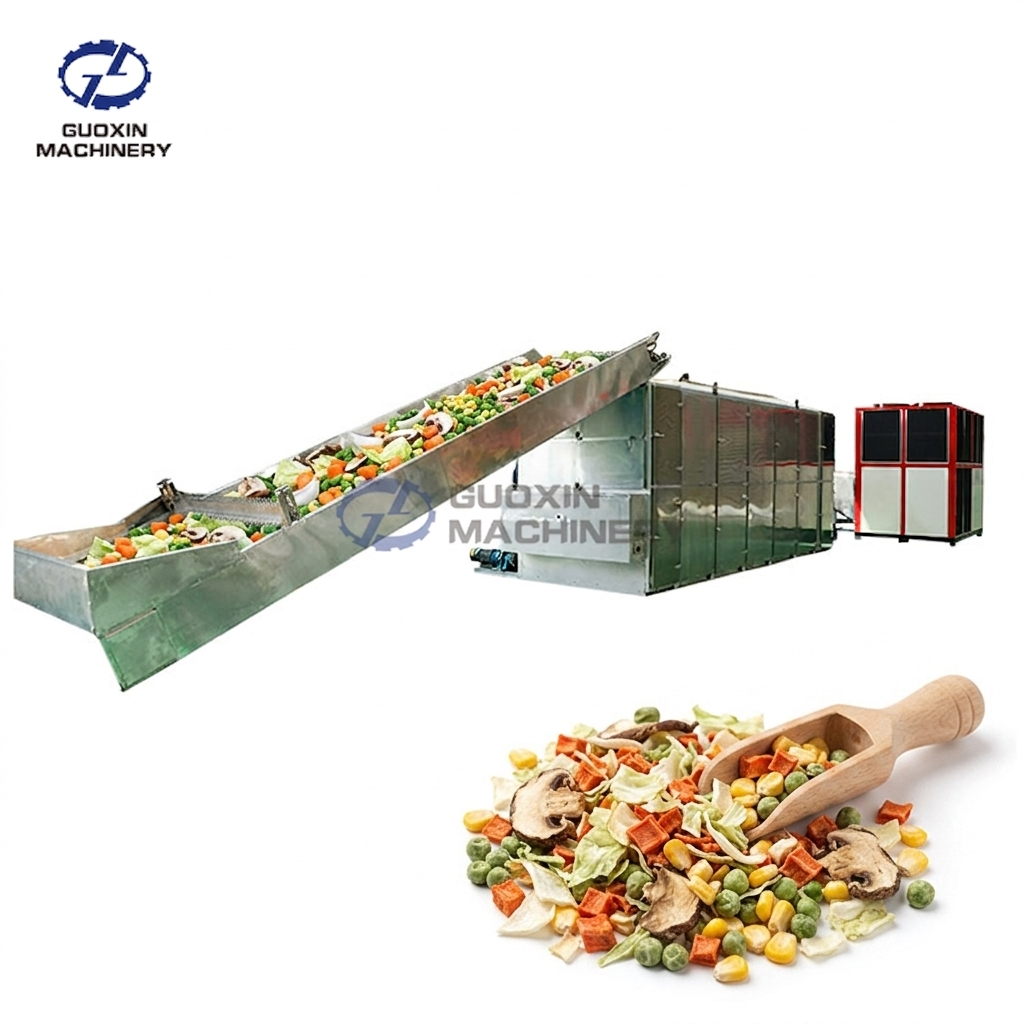
Dehydrated Vegetables for Instant Noodle Seasoning – Drying Parameters for Consistent Quality in Seasoning Packs
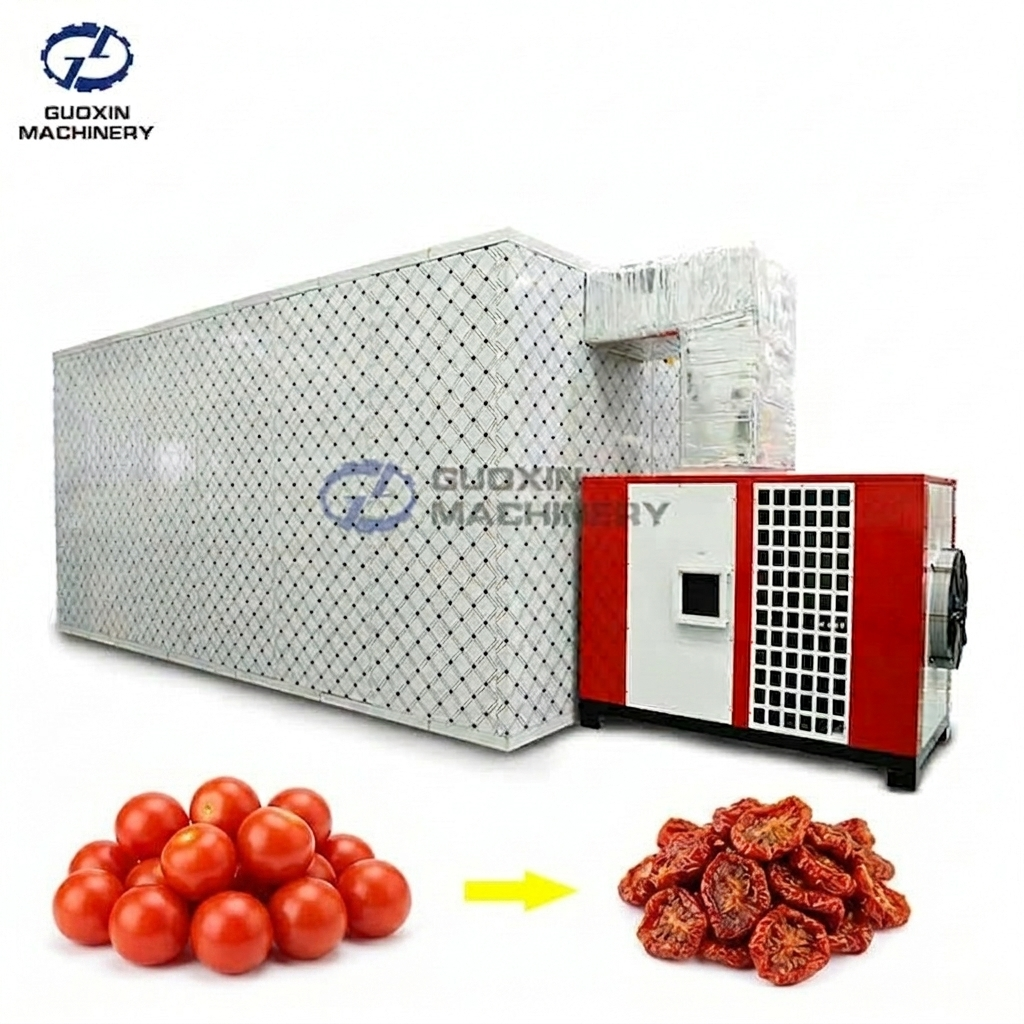
Sun-Dried Tomato Drying – Parameters for Industrial Production of Consistent Tomato Slices
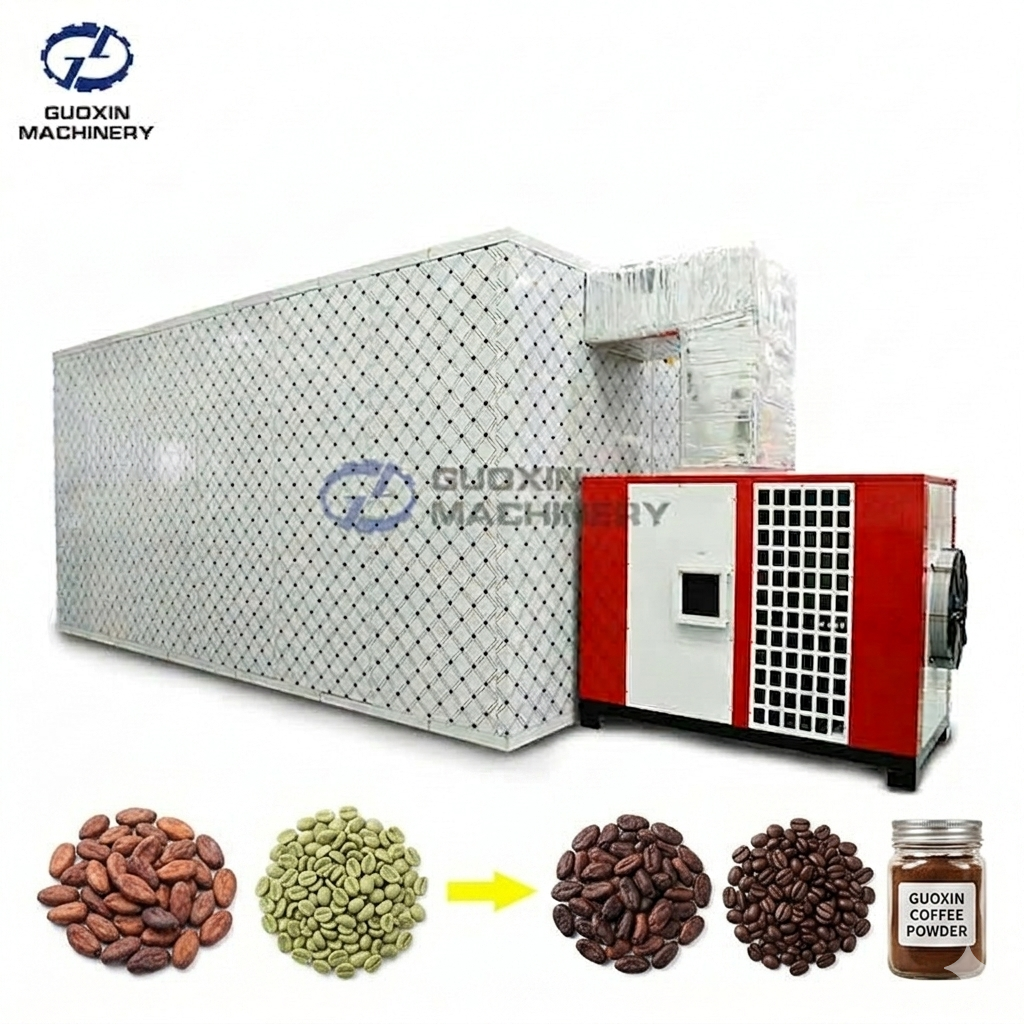
Drying Coffee Beans, Cocoa Nibs and Instant Coffee Powder