© Henan Guoxin Machinery Manufacturing Co., Ltd. All Rights Reserved.



Release time:2026-03-17
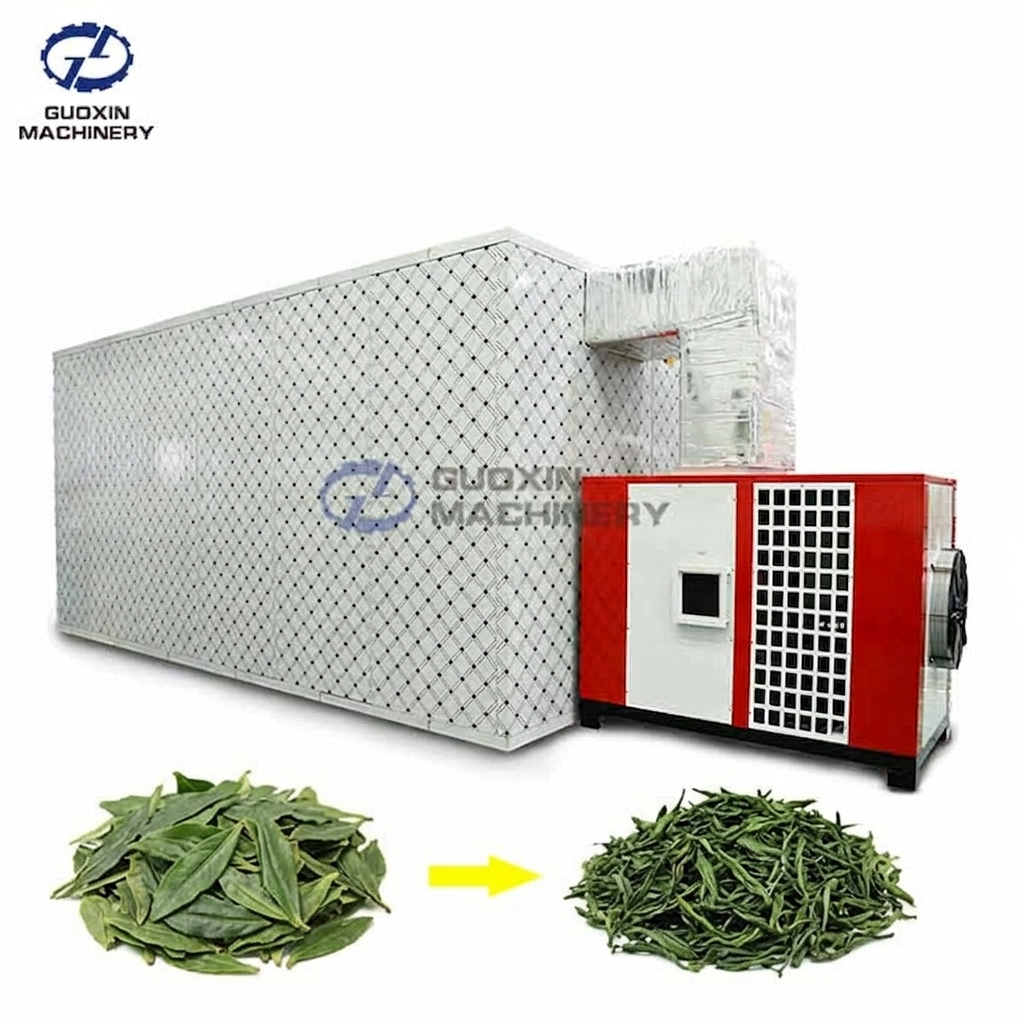
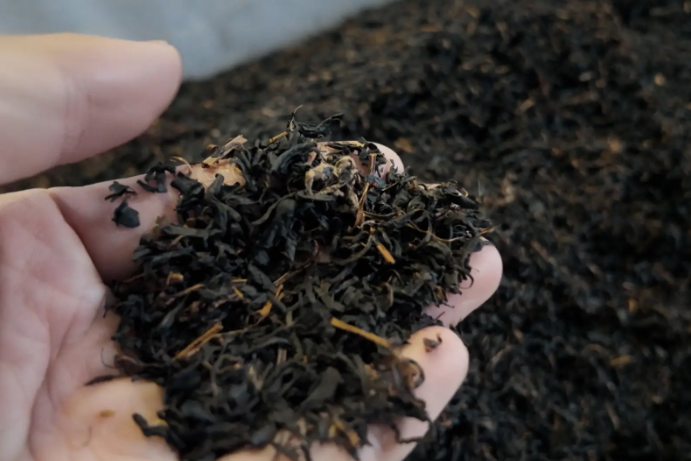
Tea dehydration is not a simple moisture-removal process; it is a sophisticated thermodynamic balancing act. The final quality of commercial tea—including its liquor color, briskness, and volatile aromatic profile (such as linalool and geraniol)—depends entirely on controlling the evaporation rate. A mismatched thermal curve results in the degradation of catechins, loss of amino acids, or structural charring.
To achieve export-grade quality at a commercial scale, processing plants must deploy specialized industrial tea leaf dehydrators that offer zoned temperature management and precise humidity evacuation.
Industrial tea processing requires a seamless, multi-stage sequence where moisture is reduced systematically to prevent enzymatic browning or flavor flattening.
Phase 1: Controlled Withering & Moisture Equilibrium
Freshly harvested tea leaves carry an initial moisture profile of approximately 75% to 80%. Before entering the active drying chamber, the leaves undergo controlled withering. This reduction brings the internal moisture down to 60%–65%, making the cellular structure pliable and preparing the leaf matrix for rolling or enzyme inactivation.
Phase 2: Thermal Fixation (Shaqing – Crucial for Green Tea)
For green tea varieties, stopping polyphenol oxidase activity is critical to preserving the vibrant green chlorophyll. A specialized microwave tea fixation machine or high-heat conveyor applies immediate thermal energy (100°C to 120°C) for a precise window, denaturing the enzymes rapidly before the leaf can oxidize.
Phase 3: Structural Rolling & Cellular Rupture
The pliable, fixed leaves are mechanically rolled to shape the final product (strips, pearls, or needles). This process intentionally ruptures the leaf’s outer cells, releasing natural juices and essential oils onto the surface, which heightens the aroma during brewing.
Phase 4: Two-Stage Continuous Drying
The rolled tea enters the final dehydration loop, which is divided into two distinct thermodynamic zones:
Constant-Rate Drying (First Pass): High-volume convective air removes surface moisture rapidly, bringing the leaf down to roughly 20% moisture.
Falling-Rate Drying (Second Pass): Lower, gentle temperatures (60°C to 70°C) extract the deeply bound core moisture without causing case-hardening, locking in a shelf-stable final moisture boundary of 4%–6%.
Guoxin Machinery engineers two primary industrial technologies specifically optimized for high-volume tea processing lines:
Designed for large-scale agricultural factories requiring uninterrupted hourly output. The material travels along an S-shaped path across 3 to 5 layers of food-grade stainless steel mesh.
Utilizes electromagnetic molecular friction to heat the water inside the leaf core uniformly and instantaneously.
The table below outlines our standard commercial configurations. All systems can be adapted to integrate with existing steam boilers, natural gas lines, or clean biomass burners.
| Technical Parameter | Continuous Mesh Belt Tea Line | Industrial Microwave Tea Dryer |
| Hourly Output Capacity | 500 kg/h to 3,000 kg/h+ | 100 kg/h to 800 kg/h |
| Primary Thermodynamic Mechanism | Forced convective cross-flow hot air | Electromagnetic molecular agitation |
| Core Operational Focus | Mass-volume commercial bulk drying | Premium nutrient & color preservation |
| Typical Temperature Boundaries | 60°C to 120°C (PLC Adjustable) | 75°C to 110°C (Instant Digital Adjust) |
| Material Contact Metallurgy | Food-Grade SUS304 Stainless Steel | Food-Grade SUS304 Stainless Steel |
| Integrated Secondary Functions | Air-recirculation heat recovery loops | Complete inline microbial sterilization |
Q1: How does a continuous mesh belt dryer prevent tea leaves from turning red or losing their natural aroma?
A: Reddening and aroma loss occur when tea leaves are “stewed” in high-humidity environments inside an poorly ventilated drying tunnel. Our continuous tea leaf dryer addresses this with a high-velocity axial exhaust matrix. Damp air is evacuated immediately upon formation, keeping the internal relative humidity low. This allows the water to evaporate cleanly without cooking the leaves or destroying volatile essential oils.
Q2: Why is microwave technology superior for green tea fixation (Shaqing) compared to traditional rotary drums?
A: Traditional roasting drums rely on conduction, heating the leaf from the outside skin inward. This can leave the internal core enzymes active while scorching the outer edges. Our industrial microwave systems use volumetric heating, agitating the water molecules throughout the entire thickness of the leaf simultaneously. This stops enzymatic action in seconds, preserving a higher concentration of amino acids and vitamin C while maintaining an bright green color.
Q3: What design measures are taken to ensure compliance with export-grade food safety standard audits?
A: Guoxin tea processing machinery is built strictly to satisfy international HACCP and FDA guidelines. The inner chamber walls and conveying systems are fabricated entirely from polished SUS304 stainless steel, which resists organic acid corrosion. The open-frame architecture features zero un-welded lap joints or hidden blind spots, allowing operators to execute high-pressure chemical wash-downs and clean-in-place (CIP) sanitation protocols quickly.
Commercial Durian Dehydration: Preserving Quality with Heat Pump Technology
Milk Powder Drying – Parameters for Consistent Final Moisture and Functional Properties
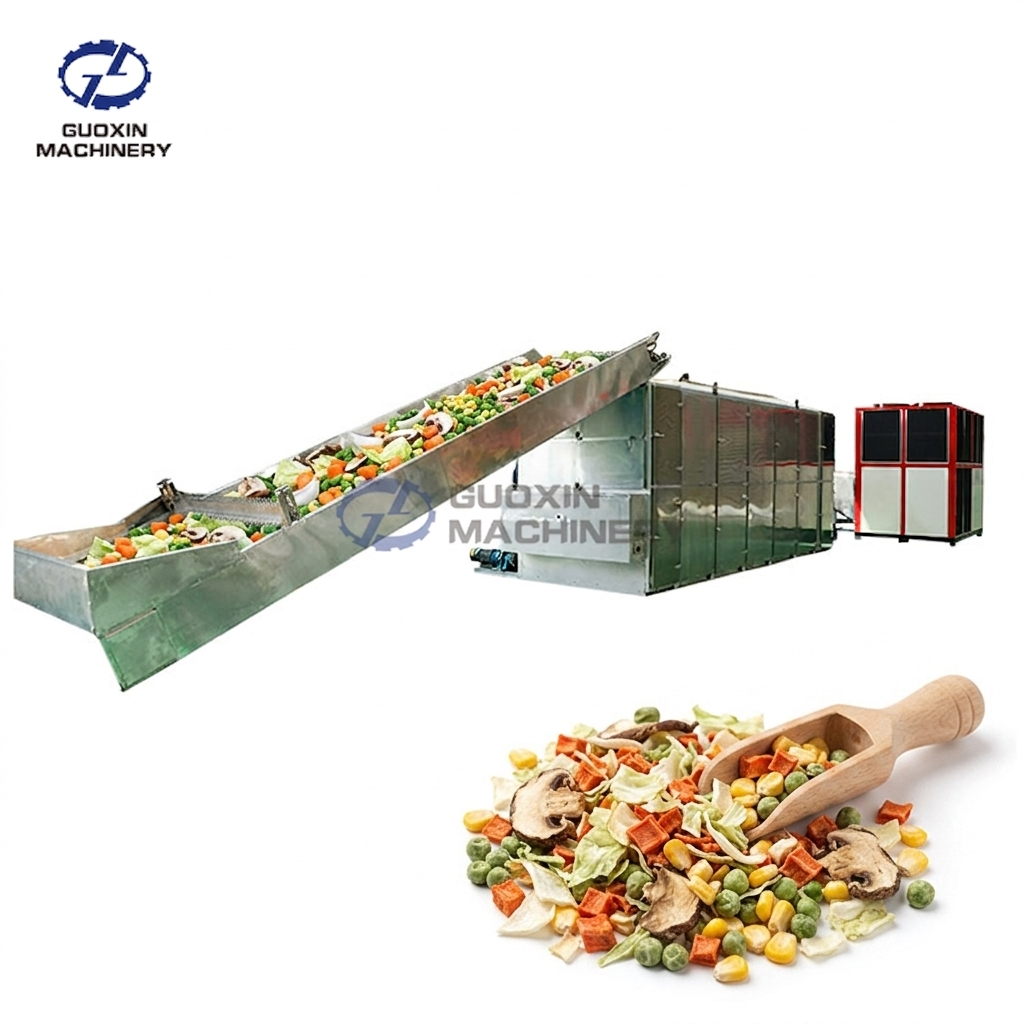
Dehydrated Vegetables for Instant Noodle Seasoning – Drying Parameters for Consistent Quality in Seasoning Packs
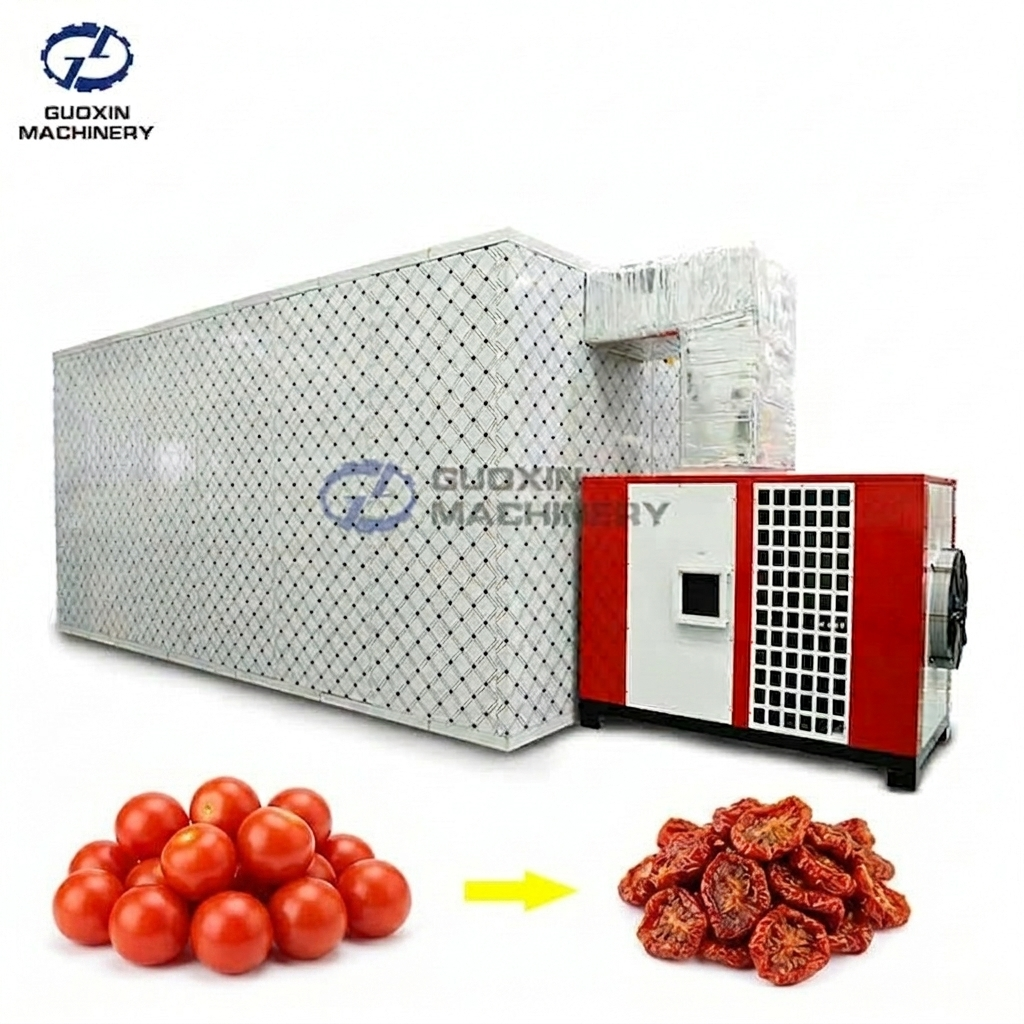
Sun-Dried Tomato Drying – Parameters for Industrial Production of Consistent Tomato Slices
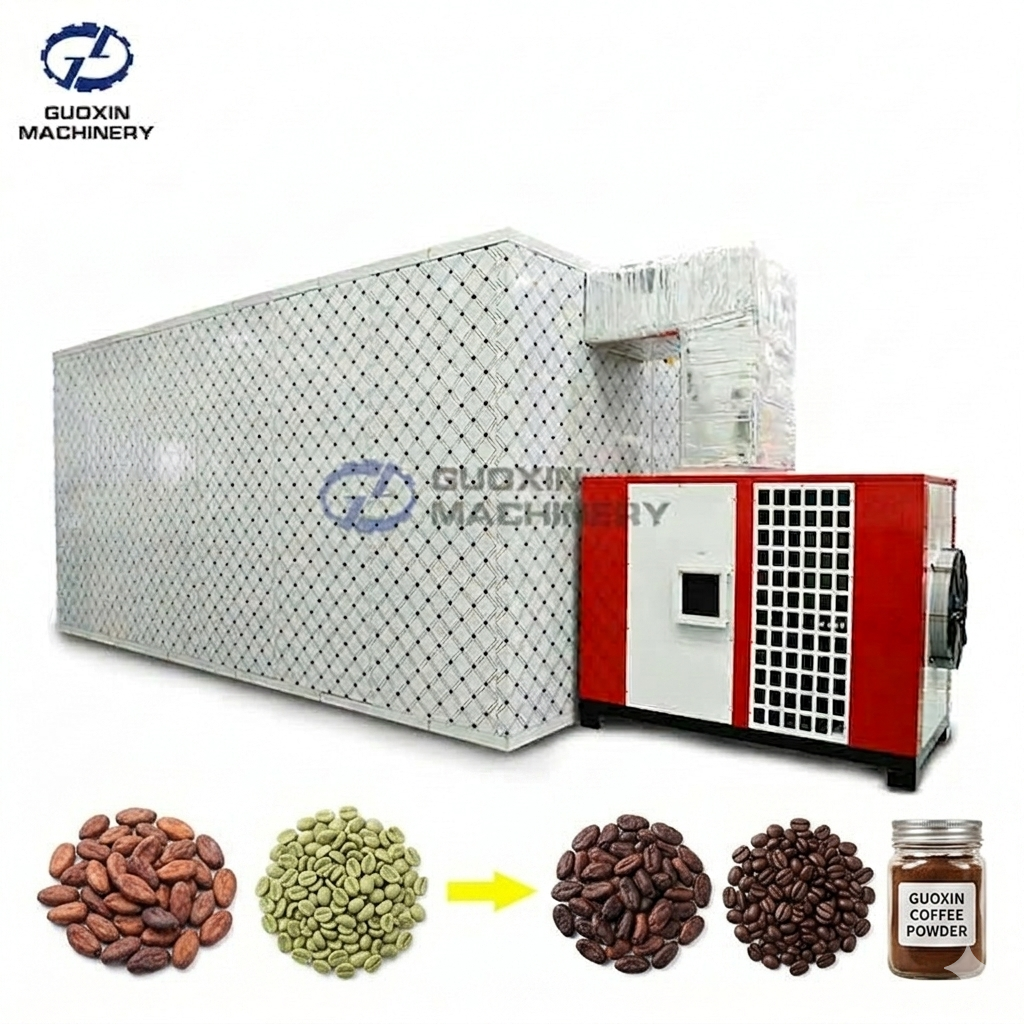
Drying Coffee Beans, Cocoa Nibs and Instant Coffee Powder