© Henan Guoxin Machinery Manufacturing Co., Ltd. All Rights Reserved.



Release time:2026-04-02
In large-scale food processing, industrial agriculture, and resource recovery, selecting an enterprise-grade industrial drying plant directly impacts your processing margins and daily throughput.
As a leading industrial drying plant manufacturer, Henan Guoxin Machinery designs and deploys turnkey industrial drying and grinding installations engineered to optimize thermal efficiency, minimize OPEX, and eliminate moisture gradients.
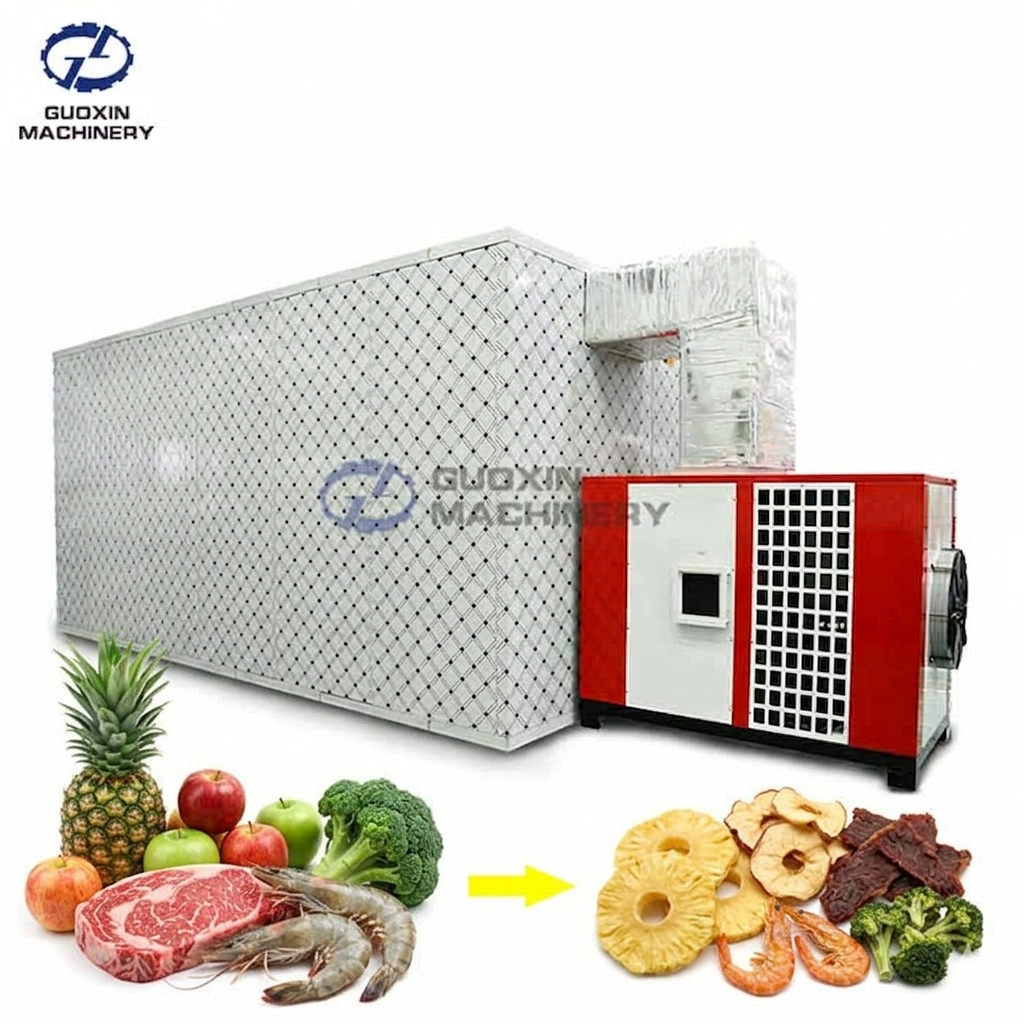
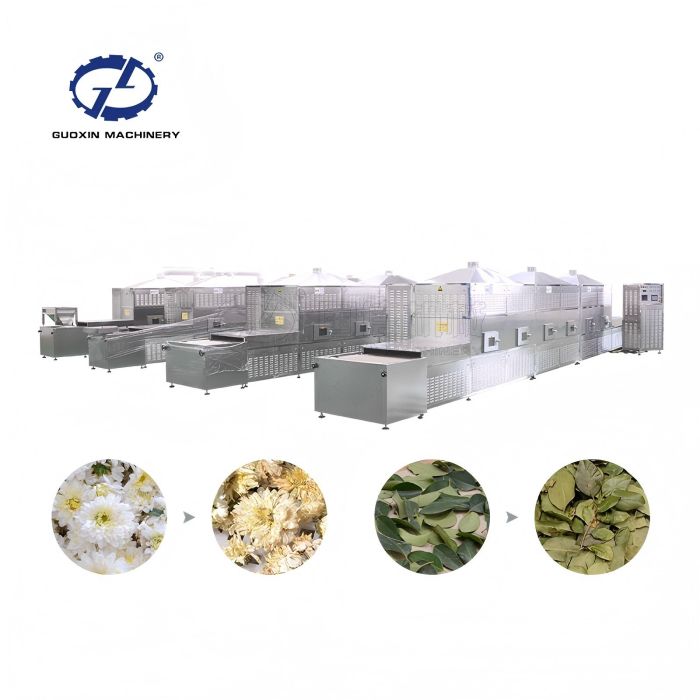
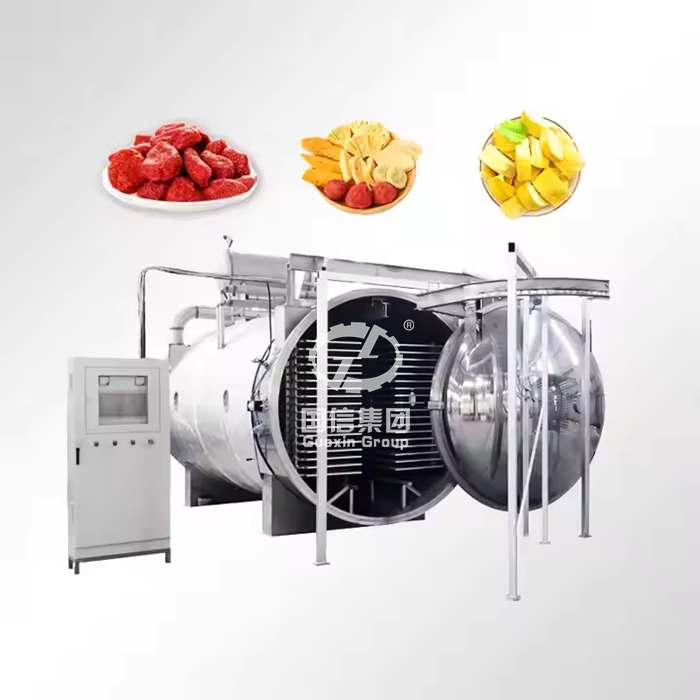
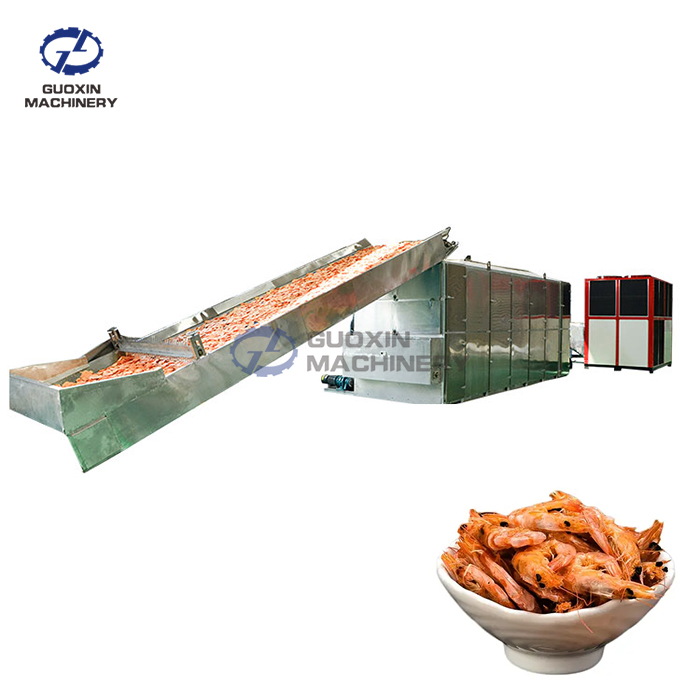
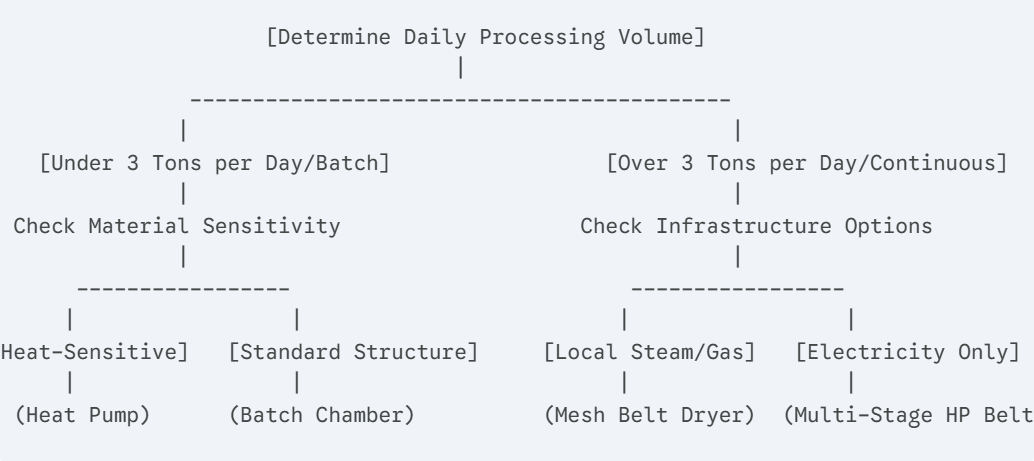
Different material structures require specific methods of heat and mass transfer. The table below outlines the primary industrial drying technologies utilized in commercial production lines.
| Drying Technology | Heat Transfer Mechanism | Processing Scale | Primary Industrial Application | Key OPEX Driver |
| Continuous Mesh Belt Dryer | Forced convective cross-flow hot air | Large-scale continuous ( 2 – 20tons/day) | Sliced root vegetables, coal/biomass, high-volume spices (chili, garlic). | Fuel source efficiency (Steam, natural gas, biomass heat exchanger). |
| Air-Energy Heat Pump Chamber | Closed-loop dehumidification & sensible heat recycling | Small-to-medium batch (500kg-3 tons/batch) | Sensitive leafy herbs, premium seafood, delicate noodles, structural timbers. | Electrical power consumption (Compressor efficiency / COP). |
| Vacuum Freeze Dryer (FD) | Sublimation (ice to vapor) under deep vacuum | High-value batch processing | Pharmaceutical active ingredients, probiotics, premium export fruits. | Vacuum pump maintenance and prolonged refrigeration cycles. |
| Industrial Microwave Dryer | Electromagnetic molecular friction (internal heating) | Continuous inline processing | Fine powders, surface serialization of grains, dense organic materials. | Industrial electricity tariffs and magnetron replacement schedules. |
For industrial production lines requiring downstream pulverization—such as herbal medicine processing, biomass pellet production, and food ingredient manufacturing—Guoxin supplies fully integrated industrial drying systems coupled with continuous grinding matrices.
Seamless Material Flow: Moisture-stabilized output from the continuous mesh belt dryer feeds directly into automated hammer mills or fine pulverizers via enclosed cooling conveyors.
Dust-Free EPC Design: Integrated pulse dust collectors ensure the entire drying and grinding installation complies with strict factory environmental emissions standards.
Continuous multi-layer mesh belt dryers are engineered for automated production lines where consistent hourly output is required to feed downstream processing or packaging equipment.
Raw Material Feed → Automated Leveling Conveyor → Multi-Tier S-Path Dispersal → Zoned Convective Drying → Moisture-Stabilized Output
Key Engineering Advantages:
For batch-based production or highly heat-sensitive materials, air-source heat pump chambers provide a closed-loop thermal environment with high energy efficiency.
Key Engineering Advantages:
Unlike traditional open-vent exhaust systems that discharge hot, humid air into the environment, a heat pump system passes the moisture-laden air through an evaporator. The moisture is condensed and drained out as liquid, while the latent heat of vaporization is captured and recycled back into the drying cycle.
Because the system uses electrical energy to move ambient heat rather than generating heat through direct resistance, it achieves a COP between 3.5 and 4.0. This translates to an energy usage reduction of up to 60% to 75% compared to standard electric element drying.
The closed-loop system prevents the loss of volatile aromatic oils, making it the industrial standard for premium medicinal herbs, mint, and specific marine products that degrade when exposed to open atmospheric venting.
When standard convective air drying cannot meet specific product specifications, specialized electromagnetic or vacuum sublimation systems are deployed.
Vacuum Freeze Drying (Sublimation)
Operating at sub-zero temperatures under deep vacuum, this method bypasses the liquid phase entirely. Water transitions directly from ice to vapor, preserving 99/% of the original cellular matrix, biological activity, and color. It is reserved for high-value export items where the market premium offsets the higher capital investment (CAPEX) per square meter of tray area.
Industrial Microwave Dehydration (Molecular Heating)
Microwave systems utilize electromagnetic frequencies to agitate water molecules directly inside the material core. This generates internal vapor pressure, forcing moisture outward in minutes rather than hours. It is highly effective for thick materials, industrial paste sterilization, and uniform powder drying.
To determine the optimal system configuration for a production line, evaluate the project against the following processing baselines:
To determine the optimal industrial drying technology and system configuration for your production line, engineering teams must evaluate the project against the following critical processing baselines:
Q1: How do you determine the required thermal capacity for a continuous drying line?
A: Thermal capacity calculations are based on the total water evaporation rate per hour (W_e), which is derived from the initial moisture content (M_i), target final moisture content (M_f), and total wet material input per hour (G).
The standard industrial formula for hourly water removal is:
W_e = G × [(M_i – M_f) / (100 – M_f)]
Once W_e is calculated, our engineering team determines the total heating infrastructure layout capacity (kW or kcal), factoring in the systemic thermal efficiency factor (typically 65% – 80% depending on insulation and heat recovery setups).
Q2: What is case hardening and how do your systems prevent it in high-starch materials?
A: Case hardening occurs when high surface temperatures cause rapid evaporation, forming a hard, impermeable layer of crust (such as crystallized starch or sugars) on the exterior of the material. This traps moisture inside the core, leading to internal spoilage later. Our systems prevent this by using multi-stage PLC recipe controls that maintain high relative humidity and moderate temperatures during the initial phase, ensuring the internal moisture migration rate matches the surface evaporation rate.
Q3: How does ambient humidity affect the performance of open-loop versus closed-loop dryers?
A: Open-loop convective dryers draw in fresh ambient air, heat it, and vent it out. If the factory is located in a high-humidity tropical region, the incoming air already carries a high moisture load, reducing its capacity to carry away evaporated water and increasing fuel consumption. Closed-loop heat pump systems operate independently of ambient atmospheric conditions, condensing moisture internally and recycling the dried air, which maintains stable operational efficiency year-round regardless of outside weather.
Q4: What material construction standards are required for processing highly corrosive or acidic materials?
A: For materials with high sulfur content, high salt concentrations, or natural organic acids (such as specific fruits and industrial wastes), standard carbon steel frames will corrode rapidly, causing structural failure and product contamination. In these scenarios, the interior chamber walls, conveyor belts, air distribution baffles, and structural fasteners are entirely fabricated from SUS304 or SUS316 stainless steel, which resists chemical oxidation and supports high-pressure chemical wash-downs.
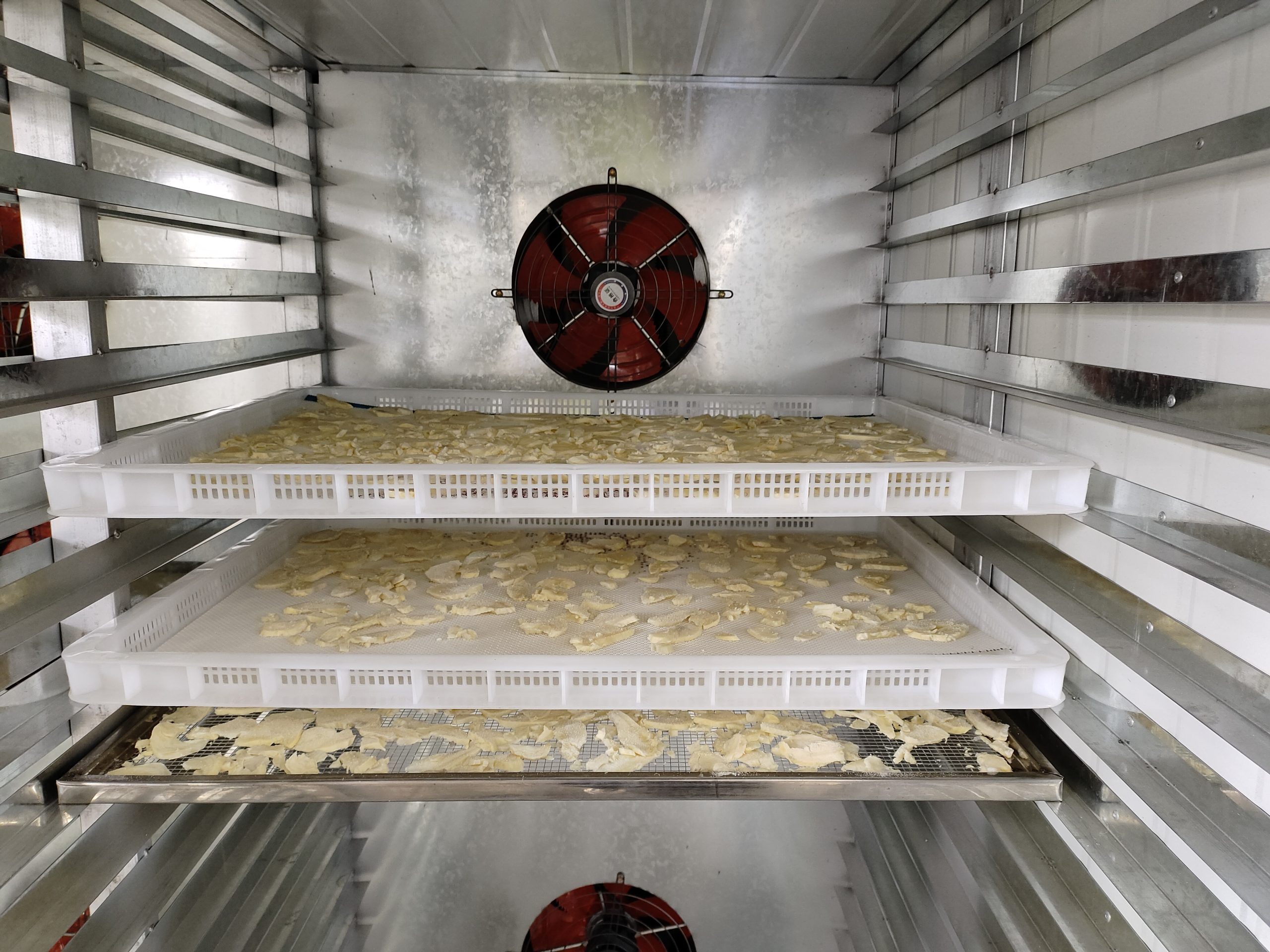
Commercial Durian Dehydration: Preserving Quality with Heat Pump Technology
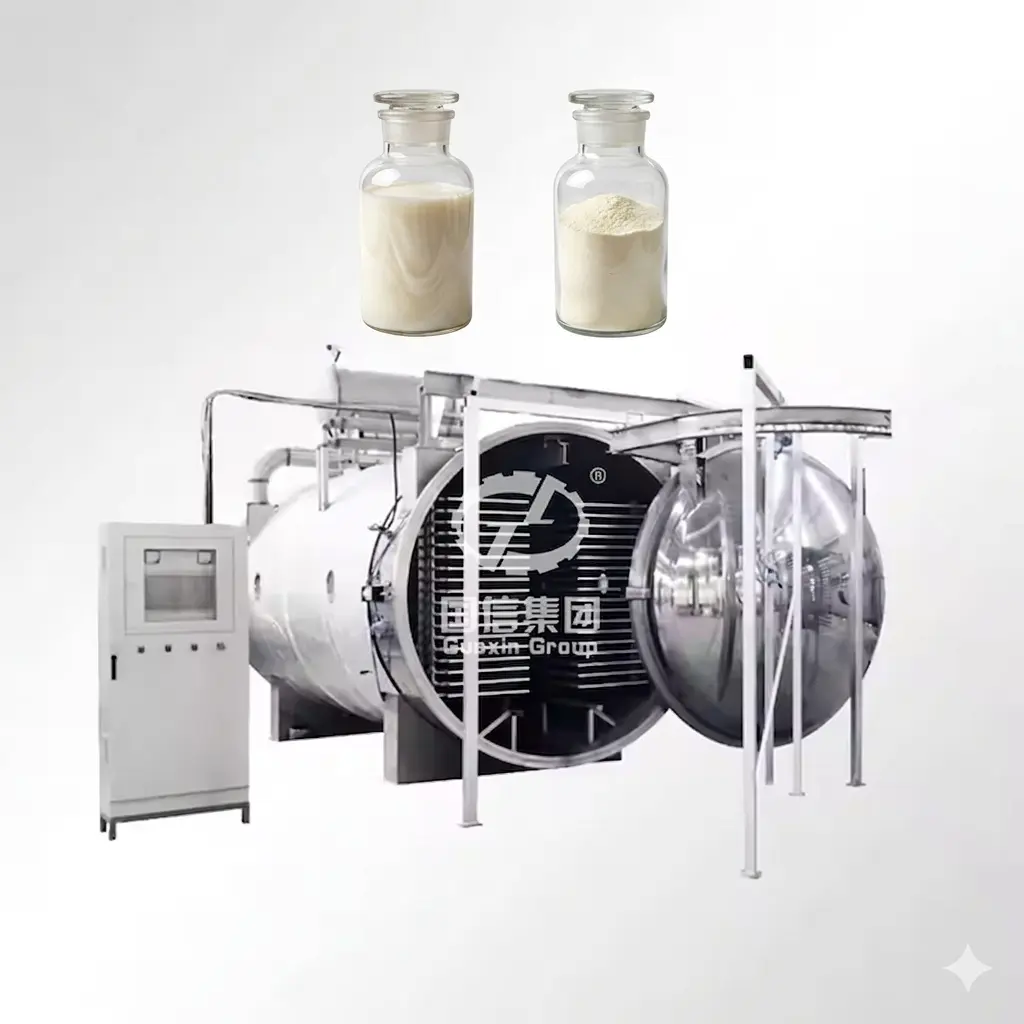
Milk Powder Drying – Parameters for Consistent Final Moisture and Functional Properties
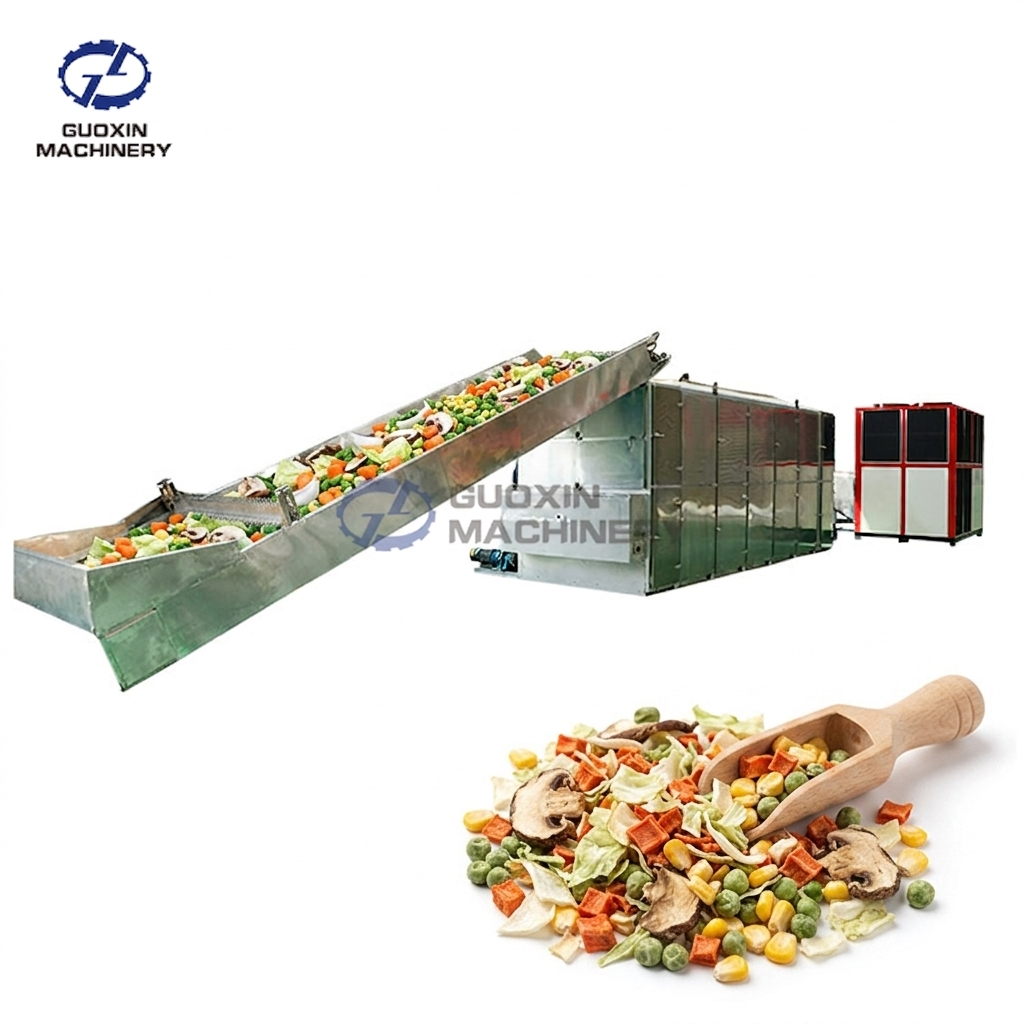
Dehydrated Vegetables for Instant Noodle Seasoning – Drying Parameters for Consistent Quality in Seasoning Packs
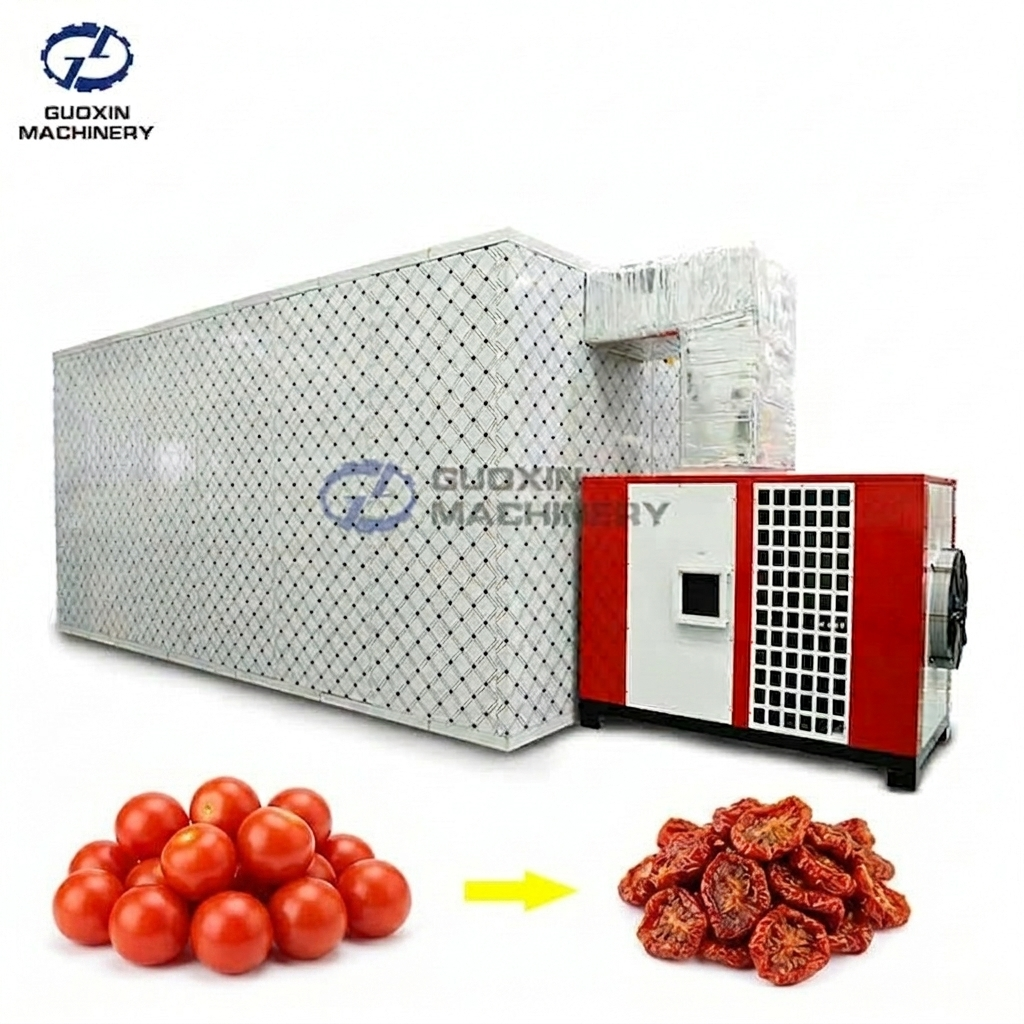
Sun-Dried Tomato Drying – Parameters for Industrial Production of Consistent Tomato Slices
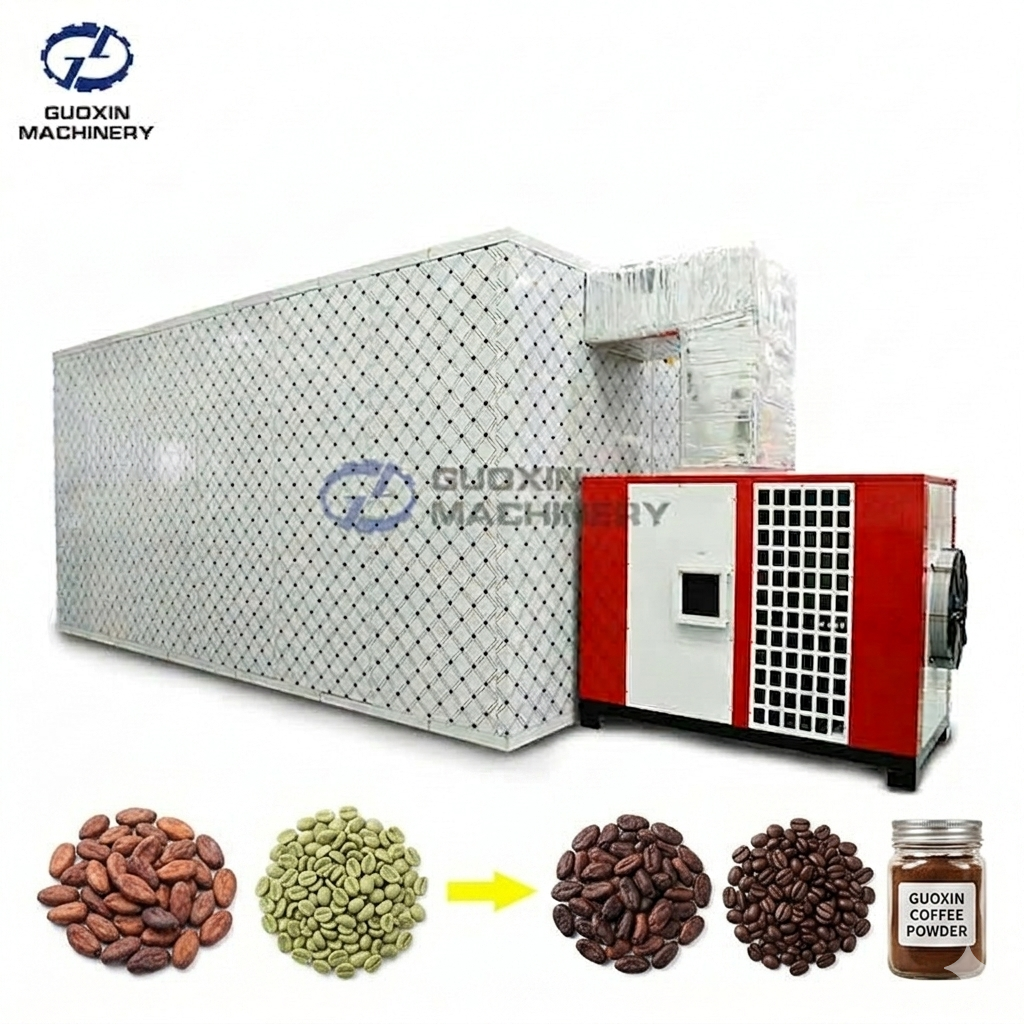
Drying Coffee Beans, Cocoa Nibs and Instant Coffee Powder