© Henan Guoxin Machinery Manufacturing Co., Ltd. All Rights Reserved.



Release time:2026-03-18
Seafood Drying Solution
Seafood drying is a high-value processing industry driven by export demand, preservation needs, and product standardization.
From dried fish and shrimp to seaweed and shellfish, industrial drying transforms perishable seafood into stable, transportable, and profitable products.
We provide complete seafood drying solutions — designed for controlled dehydration, hygienic processing, and consistent product quality.
Tell us your seafood type and capacity — get a full solution within 24 hours.
Seafood differs significantly from fruits and vegetables:
High protein and fat content
Sensitive to temperature and oxidation
Requires strict hygiene control
Improper drying can cause:
Color darkening
Odor issues
Uneven moisture
Industrial systems solve these problems through:
Precise temperature and humidity control
Uniform airflow distribution
Controlled dehydration speed
Our systems are suitable for:
Fish (whole, fillet, small fish)
Shrimp
Squid
Sea cucumber
Shellfish
Seaweed
🦐 🦑 🦪The seafood we can dry includes, but is not limited to:
Fish (Finfish): Salmon, Tuna, Cod, Trout, Mackerel, Sea Bass, Snapper, Halibut, Sardine, Anchovy, Tilapia, Catfish, Swordfish, Grouper, Flounder, Haddock, Pollock, Mahi Mahi, Barramundi, Perch, Bluegill, Sole, Turbot, Eel.
Crustaceans: Shrimp, Prawn, Lobster, Spiny Lobster, King Crab, Snow Crab, Blue Crab, Dungeness Crab, Soft-shell Crab, Mud Crab, Crawfish, Langoustine, Mantis Shrimp.
Mollusks (Shellfish & Cephalopods): Oyster, Mussel, Clam, Scallop, Cockle, Abalone, Razor Clam, Geoduck, Squid, Octopus, Cuttlefish, Snail, Periwinkle, Limpet.
Other Seafood (Echinoderms & Seaweed): Sea Urchin, Sea Cucumber, Jellyfish, Sea Grape, Nori, Kelp, Wakame, Kombu.
Different materials require different drying curves and pretreatment steps.
1. Cleaning & Sorting
Remove impurities and ensure uniform raw material quality.
2. Pretreatment (Critical Step)
Depending on the product:
Steaming or boiling (e.g., shrimp)
Salting or curing
Shell removal
Example: shrimp is often steamed before drying to improve texture and color
3. Draining & Pre-Drying
Remove surface moisture to improve drying efficiency.
4. Drying Process (Core Stage)
Typical drying conditions:
Temperature: 50–70°C
Moisture reduction to ~15–20%
Controlled drying ensures quality and prevents damage
5. Cooling & Packaging
Final steps ensure:
Product stability
Long shelf life
Export readiness
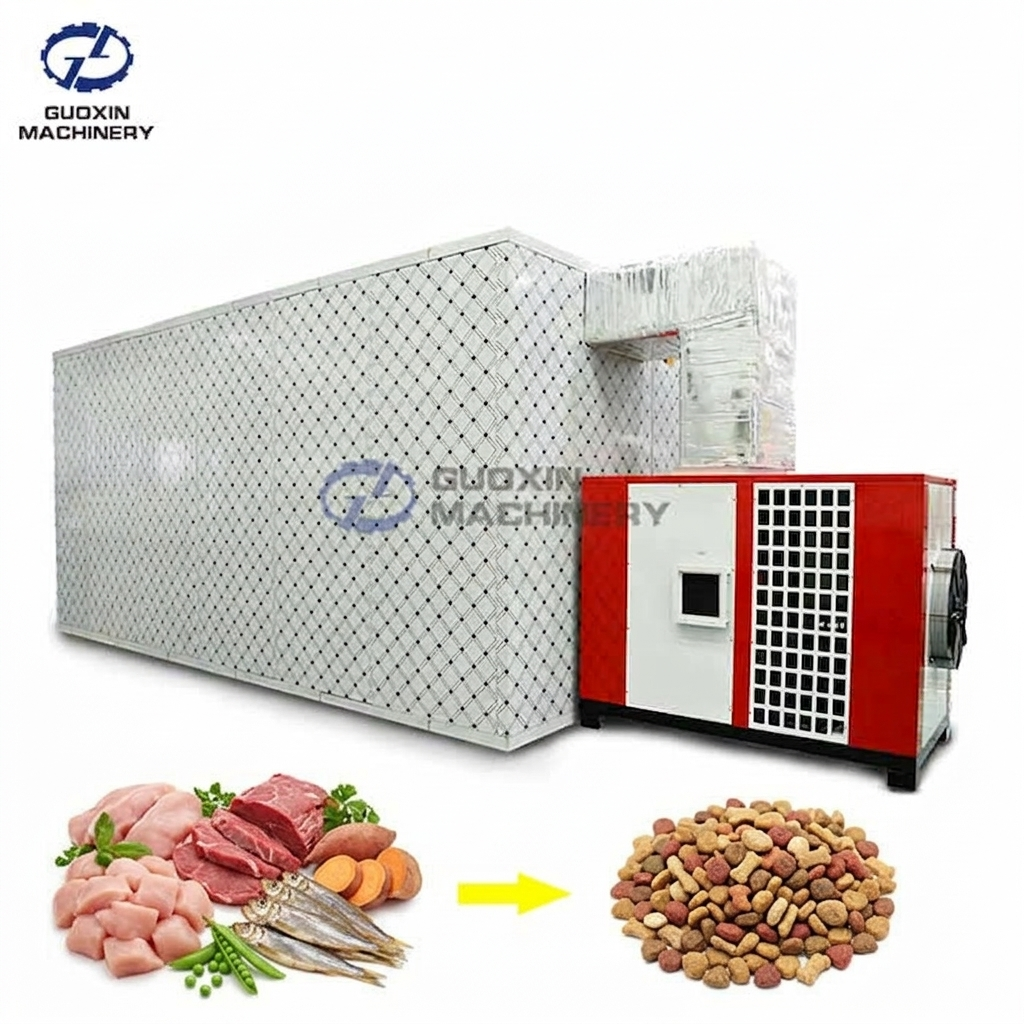
Heat Pump Dryer (Recommended)
Low-temperature drying (40–70°C)
Preserves protein structure and color
Energy-efficient
Widely used for fish, shrimp, sea cucumber, etc.
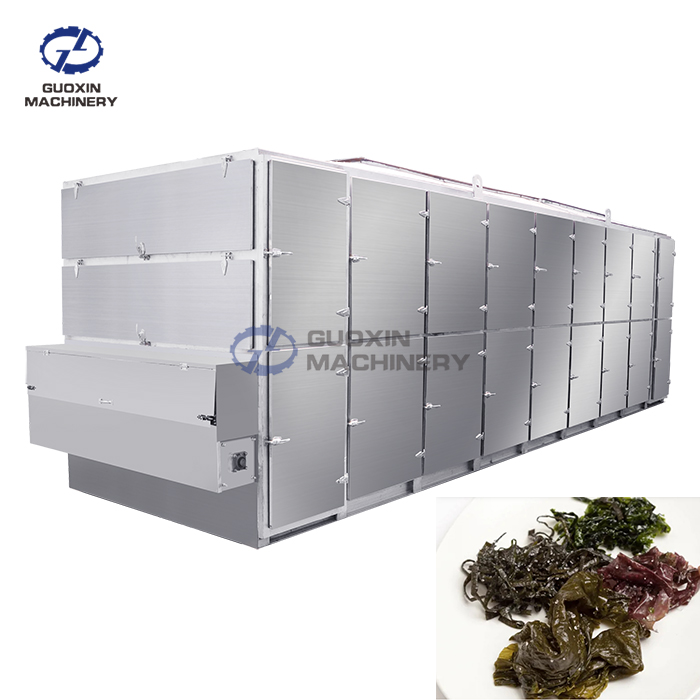
Mesh Belt Dryer (Continuous Production)
Large-scale processing
Continuous operation
Suitable for fish and seaweed
Drying Room Systems
Flexible batch processing
Suitable for small–medium factories
We design seafood drying systems for:
200–500 kg/day
1–5 tons/day
Industrial lines 10+ tons/day
Final products:
Dried squid
We have delivered seafood drying systems for:
Shrimp processing factories
Fish drying plants
Seaweed production lines
Example:
A shrimp drying line reduced moisture to ~18% while maintaining color and structure for export-grade products
Typical price range:
Batch dryer: $5,000 – $15,000
Drying room: $15,000 – $40,000
Continuous line: $40,000 – $200,000+
Get a customized quotation based on your material and capacity.
Type of seafood
Target moisture content
Hygiene requirements
Production scale
Energy efficiency
We design systems based on your product and market — not just equipment.
Turnkey project experience
Hygienic design standards
Energy-efficient systems
Customized process design
Planning a seafood drying project?
Tell us:
Your raw material
Capacity
Product type
We will provide a complete solution + quotation within 24 hours.