© Henan Guoxin Machinery Manufacturing Co., Ltd. All Rights Reserved.



Release time:2026-03-20
Drying flowers and leaves is fundamentally different from drying fruits or vegetables.
The objective is not only moisture removal, but preservation of:
Natural color
Aroma (volatile oils)
Active compounds
Leaf structure and integrity
Improper drying can lead to:
Loss of essential oils
Discoloration
Reduced medicinal or commercial value
Mold or microbial growth
A controlled drying system is essential for high-value botanical processing.
Raw Material Selection & Harvesting
Harvest at the optimal maturity stage
Avoid damaged or over-mature materials
Prefer harvesting during low moisture periods
The final quality of plant-based raw materials is determined at the harvesting stage.
Cleaning & Sorting
Remove dust, insects, and impurities
Gentle handling to avoid damage
Pre-treatment
Surface moisture removal
Leaf separation/flower trimming
For thick-leaved/high-moisture plants, the thickness of the substrate needs to be controlled.
Core Drying Process
Recommended equipment:
Key Drying Logic
Flowers & leaves require:
Low temperature
Controlled airflow
Stable humidity
Typical Drying Parameters
| Material Type | Temperature |
|---|---|
| Flowers | 35–40°C |
| Leaves/herbs | 40–45°C |
| Aromatic plants | 38–42°C |
High temperatures can cause essential oils to evaporate, reducing the product’s value.
Drying Time
Flowers: 8–24 hours
Leaves: 4–12 hours
Depends on thickness, humidity, and load.
Key control points
Uniform airflow
Avoid overdrying
Prevent cell wall collapse
Maintain natural shape
The drying process must be slow and uniform to maintain structure and quality.
Cooling & Conditioning
Stabilize moisture
Prevent reabsorption
Packaging
Moisture-proof packaging
Light-protected storage
We provide complete solutions, including:
Cleaning system
Conveyor/tray loading system
Heat pump drying chamber
Air circulation system
Humidity control system
Cooling system
Packaging system
✔ Preserves volatile oils
✔ Maintains natural color
✔ Protects active compounds
✔ Prevents product degradation
This is the essential difference between plant-based products and regular dried food.
| Scale | Capacity |
|---|---|
| Small batch | 50–200 kg/batch |
| Medium processing | 300–1000 kg/day |
| Industrial plant | 1–5 tons/day |
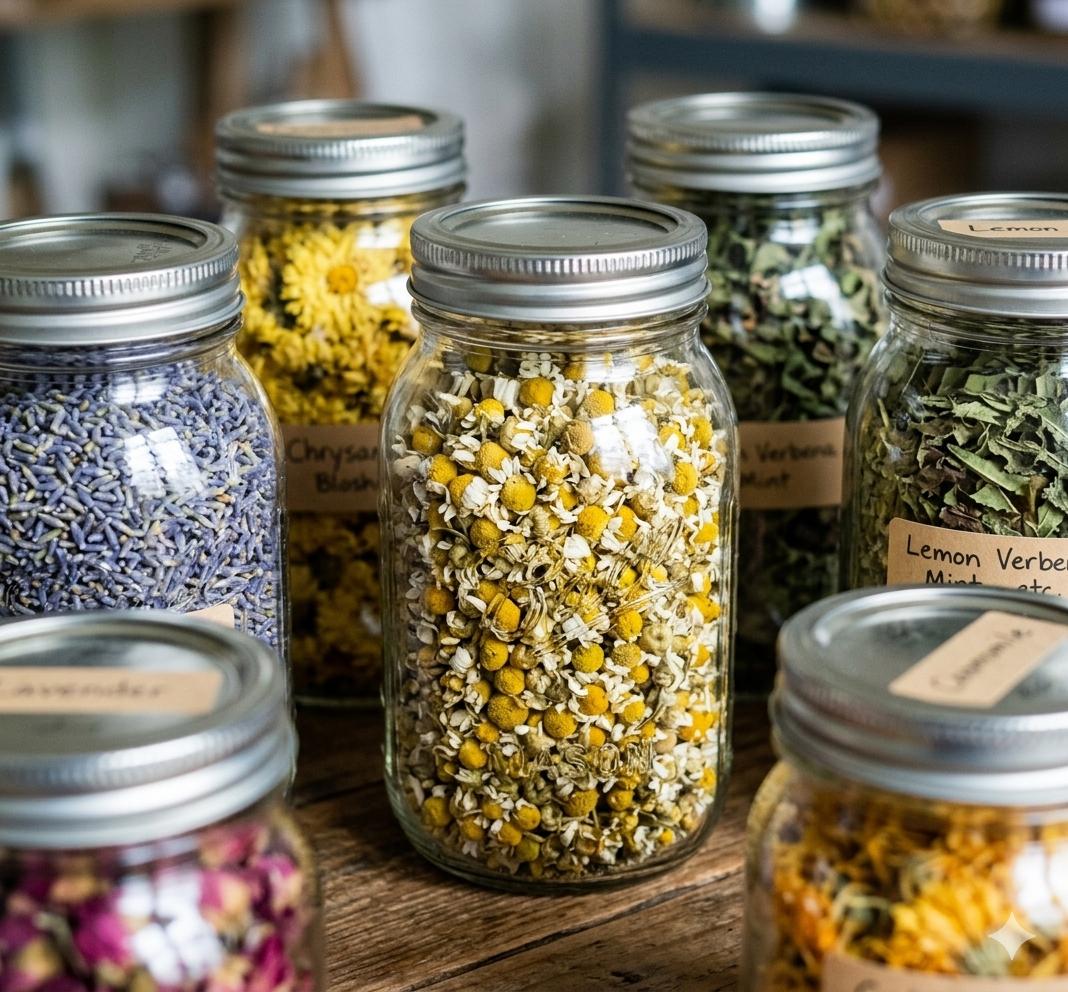
flowers&leaves drying
Herbal tea production
Medicinal herb processing
Spice and seasoning industry
Cosmetic raw materials
Functional food ingredients
🌺🌻🍀🍁The flowers and leaves we can dry include, but are not limited to:
Flowers (Flowering Plants):
Azalea, Begonia, Camellia, Carnation, Cherry Blossom, Chrysanthemum, Daffodil, Daisy, Geranium, Hibiscus, Hydrangea, Iris, Jasmine, Lavender, Lilac, Lily, Lotus, Magnolia, Marigold, Morning Glory, Orchid, Peony, Petunia, Poppy, Rose, Sunflower, Tulip, Violet.Foliage & Leafy Plants (Houseplants, Garden & Patterned):
Acanthus, Acer, Aglaonema, Ajuga, Alocasia, Anthurium, Artemisia, Aspidistra, Athyrium, Bergenia, Bird of Paradise, Boxwood, Buxus, Calathea, Chlorophytum, Codiaeum, Coleus, Colocasia, Cordyline, Croton, Ctenanthe, Cycas, Dieffenbachia, Dracaena, Epipremnum, Eucalyptus, Euonymus, Fatsia, Fern, Ficus, Fiddle Leaf Fig, Fittonia, Gynura, Hedera, Heuchera, Hosta, Hypoestes, Ipomoea, Ivy, Lamium, Maranta, Monstera, Monstera Deliciosa, Nephrolepis, Ophiopogon, Oxalis, Palm, Peace Lily, Peperomia, Philodendron, Phormium, Pilea, Plectranthus, Pothos, Prayer Plant, Rodgersia, Rubber Plant, Sambucus, Sansevieria, Schefflera, Scindapsus, Selaginella, Silver Dollar Tree, Snake Plant, Solenostemon, Sonerila, Spathiphyllum, Spider Plant, Stachys, Stromanthe, Syngonium, Tradescantia, Yucca, Zamioculcas, ZZ Plant.Succulents & Desert Plants:
Aeonium, Agave, Aloe, Aloe Vera, Crassula, Echeveria, Euphorbia, Gasteria, Haworthia, Kalanchoe, Lithops, Pachyphytum, Sedum, Sempervivum, Senecio.Grasses & Herbs:
Alfalfa, Bamboo, Barley, Basil, Bermuda Grass, Carex, Chives, Cilantro, Clover, Dill, Fescue, Fennel, Fountain Grass, Kentucky Bluegrass, Lemongrass, Mint, Miscanthus, Oat, Oregano, Pampas Grass, Parsley, Rosemary, Rush, Ryegrass, Sage, Sedge, Switchgrass, Thyme, Wheatgrass.
Material: Mint leaves
Capacity: 800 kg/day
Solution:
Heat pump drying system
Low-temperature controlled drying
Results:
Natural green color preserved
Aroma retention improved
Stable product quality
Q1: What is the best drying method for flowers and leaves?
Low-temperature controlled drying is the most effective method to preserve aroma and active compounds.
Q2: Why is low temperature important?
Because high temperatures cause essential oil loss and discoloration.
Q3: Can one system handle different plant materials?
Yes, parameters can be adjusted based on material type.
Q4: What is the final moisture content?
Typically:
Leaves: 5–8%
Flowers: 8–10%
We provide:
Process design
Equipment configuration
Drying parameter optimization
Installation support
You can share your material type and capacity for a tailored drying solution.
💡Related drying solutions: Spice & Herb Drying Solution, Vegetable Drying Solution