© Henan Guoxin Machinery Manufacturing Co., Ltd. All Rights Reserved.



Release time:2026-03-20
Nut drying is a critical step that determines:
Shelf life
Flavor and texture
Oil stability
Food safety
Fresh nuts typically contain high moisture and must be dried quickly to prevent mold and spoilage.
Improper drying may result in:
Oil oxidation (rancidity)
Uneven moisture distribution
Mold growth
Reduced product value
Controlled drying is essential for commercial nut processing.
Cleaning & Pre-processing
Remove shells/husks
Cleaning and sorting
Washing
Remove dirt and impurities
Improve hygiene
Pre-drying
Surface moisture removal
Reduce load on the main drying system
Core Drying Process
The essence of nut drying: low temperature + long time + uniform airflow
Key industry parameters
Temperature: 20–55°C(Core area)
Final moisture: 5–12%
Drying Characteristics
Industrial systems typically employ multi-stage control (gradual temperature increase/decrease).
Key control points
Prevent oil oxidation
Maintain kernel integrity
Ensure uniform drying
Avoid overdrying (Affects taste)
Cooling
Stabilize product
Prevent condensation
Storage / Packaging
Moisture-proof storage
Controlled humidity environment
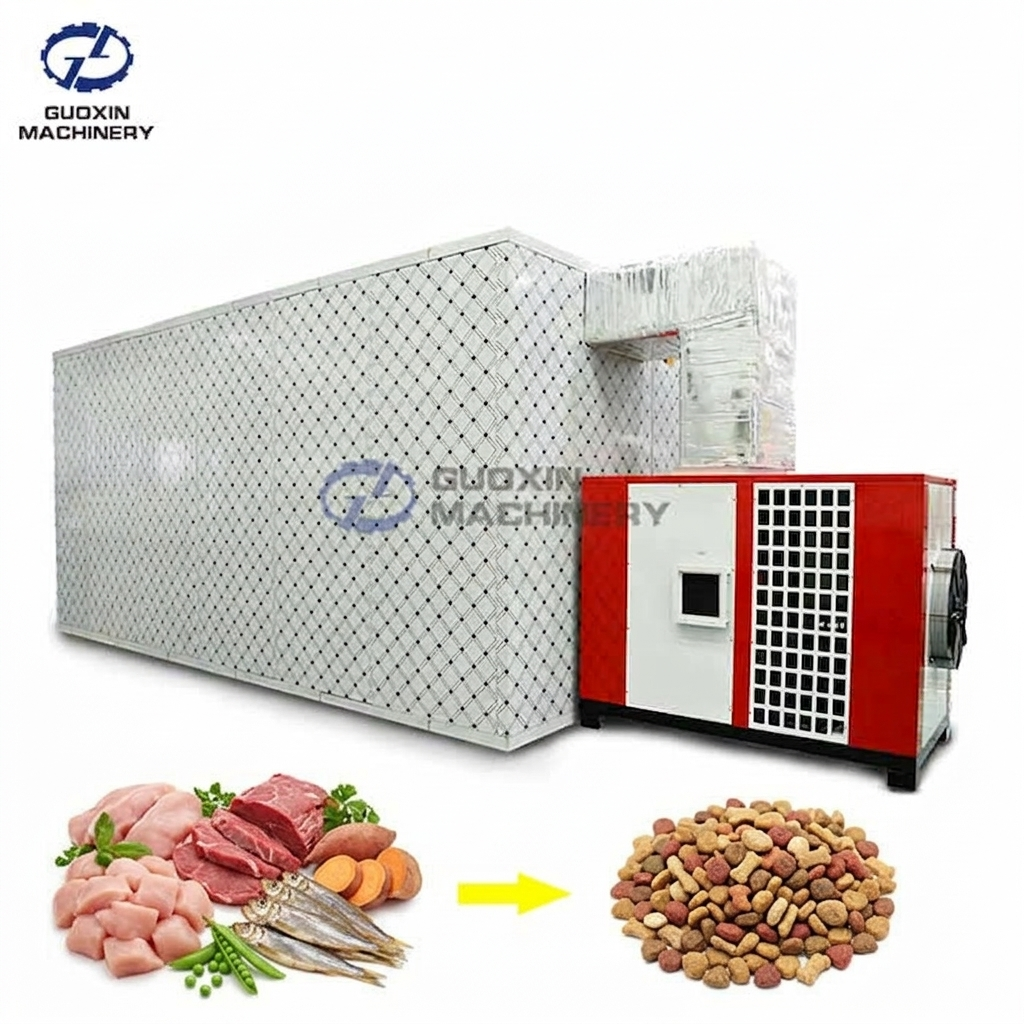
Heat Pump Dryer(Highly Recommended | Mainstream Solution)
Applicable scenarios:
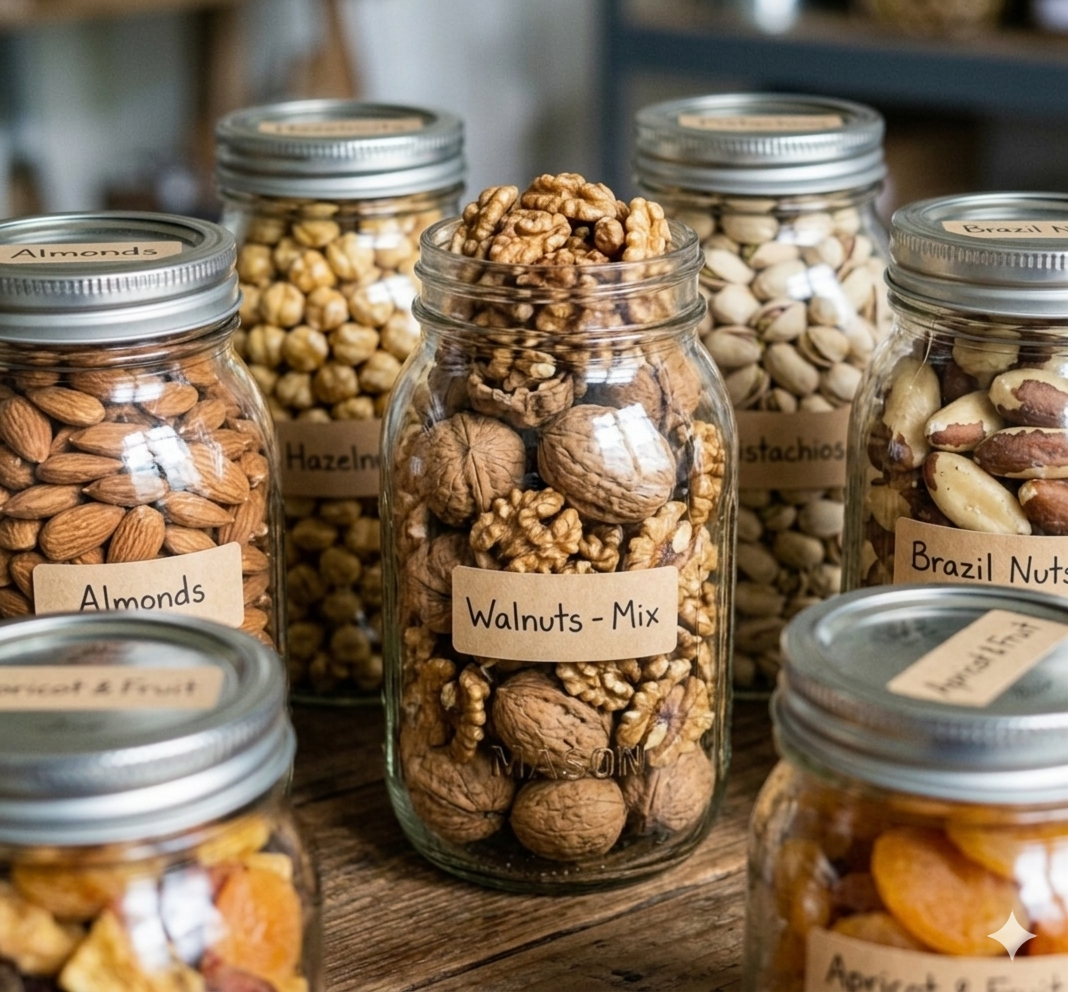
Almond/walnut/pistachio
High-value nuts
Export products
Reason (key)
Advantages:
✔ Prevents oil oxidation
✔ Maintains flavor and nutrients
✔ Ensures even drying
✔ Suitable for mid-to-high-end markets
Conclusion: The most recommended method for drying nuts (especially high-value products)
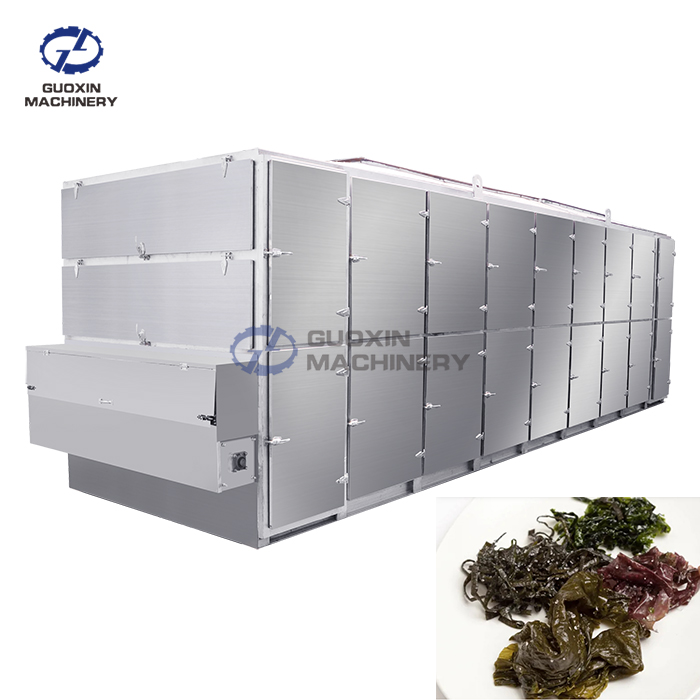
Mesh Belt Dryer(Large-capacity solution)
Applicable to:
Peanut
Seeds
Large-scale industrial production
Features:
Limitations:
Conclusion: Suitable for low-cost, large-scale production.
Suitable for:
Areca nut (betel nut)
Specially processed products
Features:
Fast drying speed (significantly shortens drying time)
Simultaneously sterilizes
Limitations:
High cost
Easily affects texture and mouthfeel
Conclusion: Not suitable for mainstream nuts (unless processed using special methods)
Suitable for:
High-end snacks
Specialty foods
Industry reality:
Extremely high costs
Low production capacity
Unsuitable for conventional nut processing
Conclusion: Not suitable for the mainstream market of industrial nut drying.
Recommendations for different scenarios:
| Scenarios | Recommended Devices |
|---|---|
| Premium nuts (almonds/pistachios) | Heat Pump Dryer |
| Large-scale peanut/seed processing | Mesh Belt Dryer |
| Specialized processing (betel nut) | Microwave Dryer |
| Large-scale peanut/seed processing Specialized processing (betel nut) Premium snacks |
Freeze Drying |
| Scale | Capacity |
|---|---|
| Small processing | 200–500 kg/day |
| Medium plant | 1–3 tons/day |
| Industrial plant | 5–20 tons/day |
Snack food industry
Nut processing plants
Export-oriented production
Oilseed processing
🥜🥔🌰Nuts that we can dry include, but are not limited to:
Acorn, Beech nut, Chestnut, Hazelnut, Filbert.
Drupes (The “Stone” Fruit Seeds):
Almond, Cashew, Coconut, Macadamia, Marcona Almond, Palm nut, Pecan, Pistachio, Walnut, Black Walnut.
Legumes (The Ground “Nuts”):
Peanut, Bambara groundnut, Soy nut.
Other Edible Seeds (Nut-like):
Brazil nut, Pine nut, Pili nut, Ginkgo nut, Lotus nut, Sunflower seed, Pumpkin seed (Pepita), Sacha inchi, Tiger nut, Water caltrop.
Rare & Regional Varieties:
Baru nut, Breadnut, Bunya nut, Candlenut, Dika nut, Hickory nut, Kola nut, Mongongo nut, Paradise nut.
Capacity: 2 tons/day
Solution:
Heat pump drying system
Multi-stage drying control
Results:
Uniform drying achieved
Improved shelf life
Reduced energy consumption
Q1: What is the best drying method for nuts?
Low-temperature controlled drying (heat pump) is the best for quality preservation.
Q2: Why is temperature control important?
Because high temperatures can cause oil oxidation and quality loss.
Q3: What is the final moisture content?
Typically, 5–12% depending on nut type.
Q4: Can different nuts be dried in one system?
Yes, with adjustable drying parameters.
We provide:
Process design
Equipment selection
Drying parameter optimization
Installation support
You can share your material and capacity for a suitable drying solution.
Relevant solutions:Vegetable Drying Solution,Fruit Drying Solution