
© Henan Guoxin Machinery Manufacturing Co., Ltd. All Rights Reserved.



Guoxin Peanut Dryer Machine Specifications Model Dryer Type Processing Capacity Temp Control Range Heating Source Primary Application GX-HP-500 Heat Pump Drying Room 500 – 1,000 kg / batch 35°C – 50°C Air Energy Heat Pump Seed peanuts, high-value kernels GX-HP-3000 Heat Pump Drying Room 3,000 – 5,000 kg / batch 35°C – 50°C Air Energy Heat Pump Medium nut processing pl...
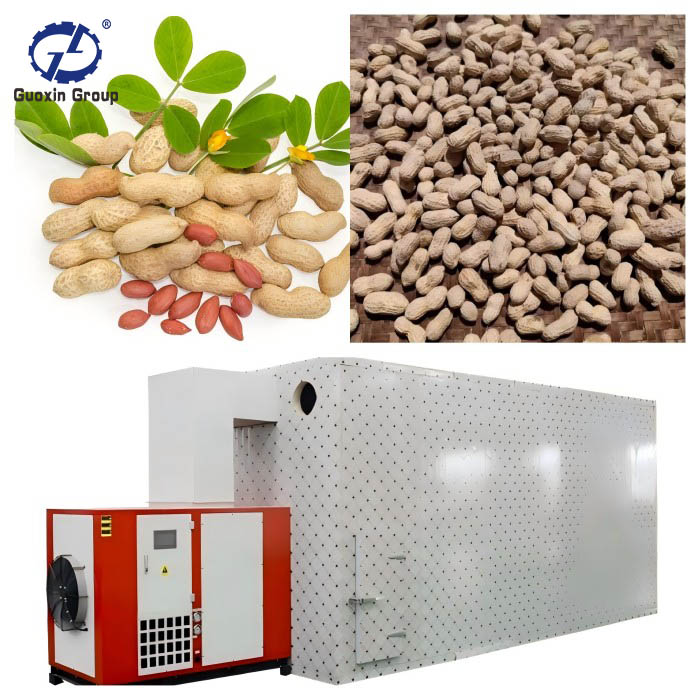
| Model | Dryer Type | Processing Capacity | Temp Control Range | Heating Source | Primary Application |
| GX-HP-500 | Heat Pump Drying Room | 500 – 1,000 kg / batch | 35°C – 50°C | Air Energy Heat Pump | Seed peanuts, high-value kernels |
| GX-HP-3000 | Heat Pump Drying Room | 3,000 – 5,000 kg / batch | 35°C – 50°C | Air Energy Heat Pump | Medium nut processing plants |
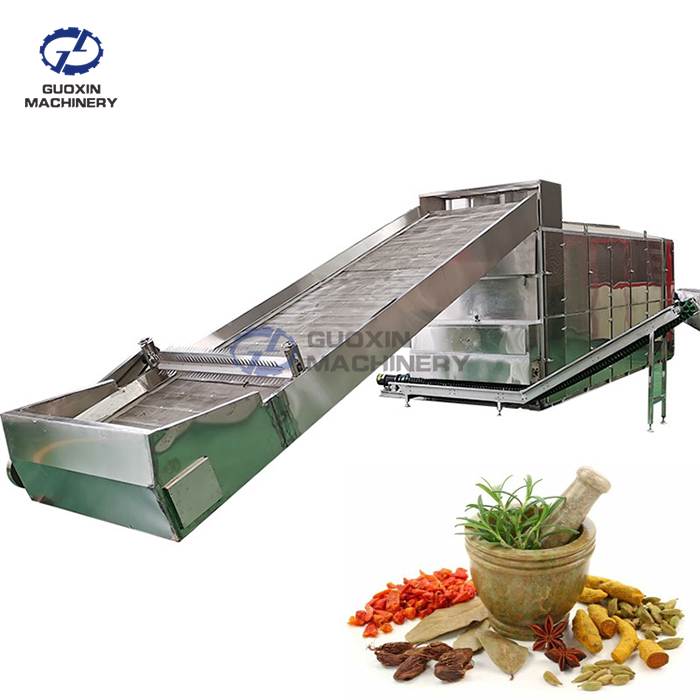
| GX-MB-2000 | Continuous Mesh Belt | 1 – 2 Tons / Hour | 40°C – 65°C | Heat Pump / Gas / Steam | Large-scale continuous peanut drying |
| GX-MB-5000 | Continuous Mesh Belt | 3 – 5 Tons / Hour | 40°C – 65°C | Steam / Gas / Biomass | Export nut processing hubs |
How do commercial nut processors optimize peanut dehydration to prevent aflatoxin formation and preserve oil quality?
Industrial Heat Pump Dryer
In the industrial nut processing drying systems sector, post-harvest peanut handling presents strict microbiological and thermodynamic requirements. Freshly harvested peanuts (both in-shell and shelled kernels) carry initial moisture levels between 30% and 45%. To prevent the growth of Aspergillus flavus and the dangerous formation of aflatoxins, this moisture must be rapidly reduced to a safe storage boundary of 8% to 10%.
However, peanuts are rich in heat-sensitive lipids and volatile oils. Exposing raw peanuts to uncalibrated high heat causes oil oxidation, rancidity, hull cracking, and premature red-skin peeling.
Henan Guoxin Machinery provides specialized peanut dryer machines—including precision air-energy heat pump drying rooms and continuous multi-layer mesh belt systems—engineered to balance low-temperature quality protection with optimal fuel efficiency.
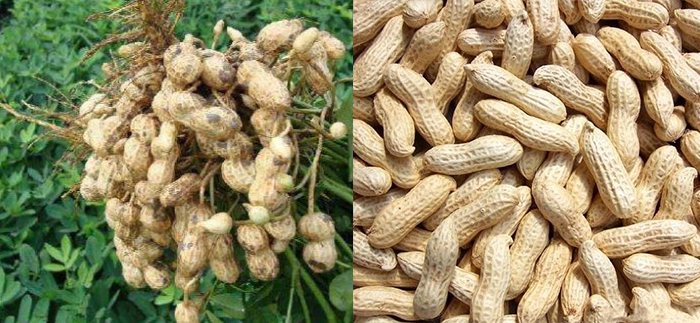
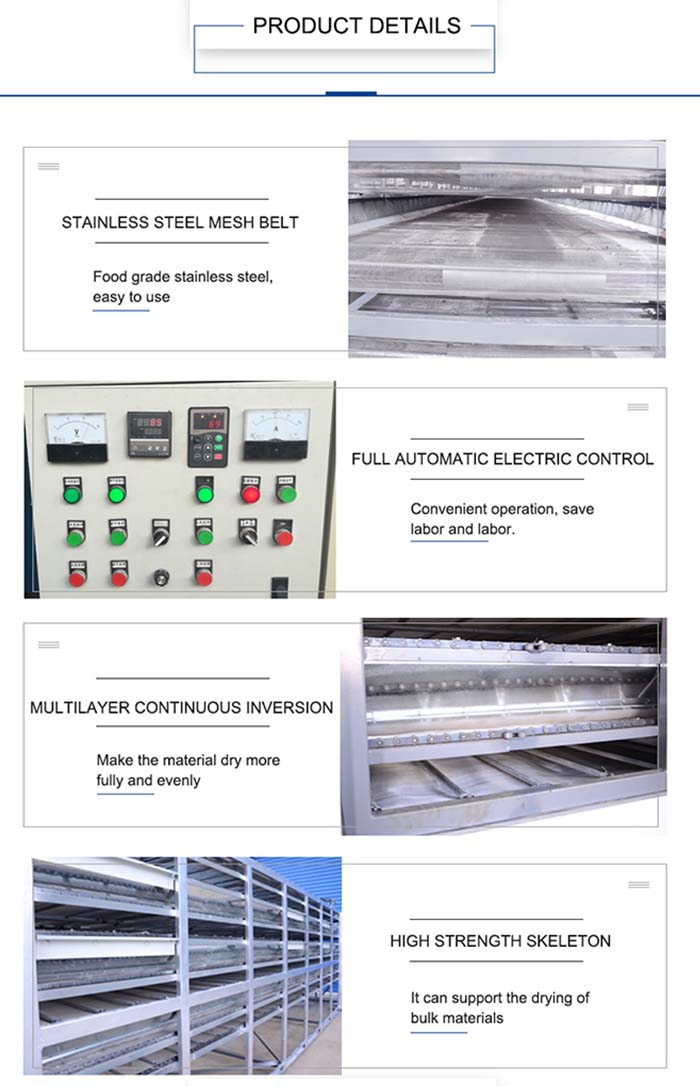
To achieve export-grade quality and satisfy strict international food-safety standards, an industrial peanut drying process must adhere to three core rules:
[Fresh Intake (30-45% Moisture)] → [Low-Temp Heat Pump Dehumidification] → [Stabilized Moisture (8-10%)] → [Cooling & Bulk Packaging]
Strict Low-Temperature Thresholds (35°C – 50°C):
Heating peanuts beyond 50°C degrades native fatty acid structures, leading to oil rancidity and off-flavors. Our heat pump systems maintain tight closed-loop climate control within this exact low-temperature window.
Aflatoxin Risk Mitigation:
The transition phase from 20% moisture down to 12% is the critical zone for fungal proliferation. Active, continuous dehumidification sweeps away boundary-layer humidity, safely pulling peanuts through the vulnerability zone.
Hull & Red-Skin Integrity Protection:
For in-shell peanuts or split-free shelled kernels, high mechanical tumbling causes shell fracturing or red-skin loss. Gentle batch drying in stationary heat pump rooms guarantees pristine physical appearance.
Depending on your plant’s daily tonnage requirements and operational footprint, Guoxin provides tailored equipment options:
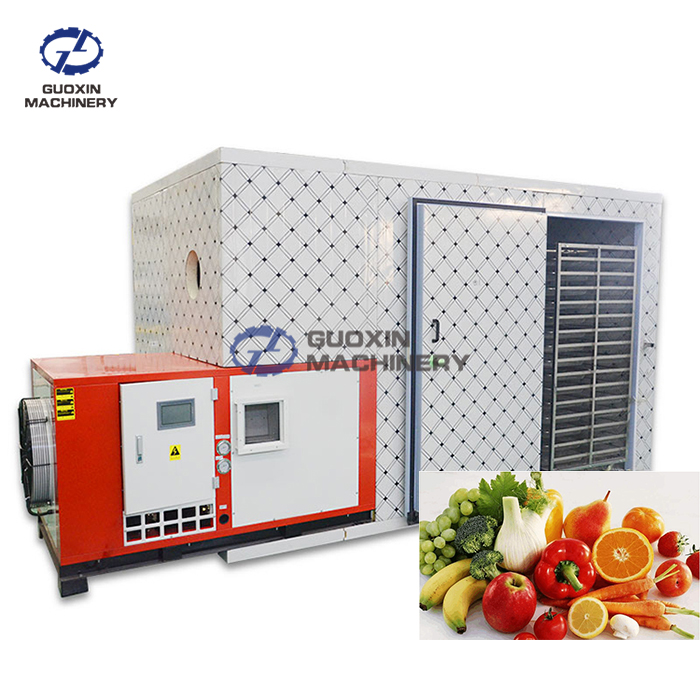
Option A: Air Energy Heat Pump Peanut Drying Room (Batch Processing & Ultimate Oil Protection)
The most cost-effective and energy-efficient choice for small-to-medium nut processing plants, seed processors, and high-value kernel drying.
Low-Temperature Closed-Loop Dehumidification:
Operating on a reverse Carnot cycle, the heat pump extracts moisture from the chamber air, condenses it into water, and recycles the latent heat back into the drying room.
60% to 75% Energy Savings:
Compared to traditional electrical heating or diesel burners, heat pump drying rooms dramatically lower operating expenses (OPEX) while preventing surface scorching or oil oxidation.
Flexible PLC Recipes:
Operators can program multi-stage drying profiles (e.g., 40°C dehumidification for 4 hours, stepped up to 48°C to finish), allowing overnight autonomous processing without operator labor.
Option B: Continuous Multi-Tier Mesh Belt Peanut Dryer (Large-Scale Tonnage)
Engineered for industrial agricultural cooperatives requiring continuous, high-volume automation for tons of in-shell peanuts per hour.
S-Path Uniform Aeration:
Peanuts travel across multiple SUS304 stainless steel mesh layers. As they cascade downward, the material layer gently flips, ensuring cross-flow hot air penetrates deep product beds uniformly.
Zoned Thermal Control:
Individual drying zones can be configured with clean air-source heat pumps, steam exchangers, or natural gas burners.
Specialized Option: Commercial Peanut Microwave Drying & Sterilization Systems
For specialty peanut processors requiring rapid deep-core moisture extraction, roasting/flavoring, or in-line mold spore sterilization before final retail packaging.
Volumetric Penetration:
Microwave energy directly excites water molecules inside the peanut core, achieving rapid drying while destroying active fungal spores without prolonged surface baking.
| Feature / Metric | Air Energy Heat Pump Drying Room | Continuous Mesh Belt Dryer | Commercial Microwave System |
| Ideal Plant Scale | Small-to-Medium Batches (200kg – 5 Tons/Batch) | Large Tonnage (1 Ton – 20+ Tons/Day) | Specialty Finish / Roasting / Sterilization |
| Core Drying Temp | 35°C to 50°C (Ultra-Precise) | 40°C to 65°C (Zoned Dynamic) | Sub-50°C Core Dielectric Heating |
| Energy Consumption | Lowest (Recycles Latent Heat) | Optimized for fuel type (Gas/Steam) | Electric / Electromagnetic |
| Oil & Color Retention | Superior (Zero thermal shock) | Excellent (High-volume throughput) | Excellent (Rapid processing) |
| Primary Value | Low OPEX, minimal breakage, pristine red skins | High-capacity automated continuous flow | Rapid core drying & mold sterilization |
Q1: Why is an Air Energy Heat Pump Drying Room recommended for raw peanut processors?
A: Heat pump drying rooms offer the ideal balance between low initial capital investment, minimal electricity usage, and maximum quality control. Because peanuts contain volatile lipids that oxidize under harsh heat, the closed-loop dehumidification of a heat pump room dries peanuts slowly and safely at 40°C–48°C. This prevents oil rancidity, preserves the bright color of the red skin, and eliminates aflatoxin risks at a fraction of the utility cost of traditional ovens.
Q2: How do Guoxin drying systems prevent red-skin slippage and hull cracking in peanuts?
A: Red-skin slippage and hull cracking are caused by rapid moisture loss under high temperatures and excessive mechanical friction. Our heat pump drying rooms eliminate mechanical movement entirely during the drying phase, keeping the peanuts stationary on trays or mobile carts. For continuous lines, soft-drop transition chutes and calibrated airflow velocities ensure gentle material handling.
Q3: Can these systems handle both in-shell peanuts and shelled peanut kernels?
A: Yes. Both in-shell peanuts and shelled kernels can be processed in Guoxin heat pump drying rooms or mesh belt dryers. In-shell peanuts simply require slightly longer retention times due to the thermal resistance of the outer hull, which can be easily adjusted via the automated PLC touch-screen controller.
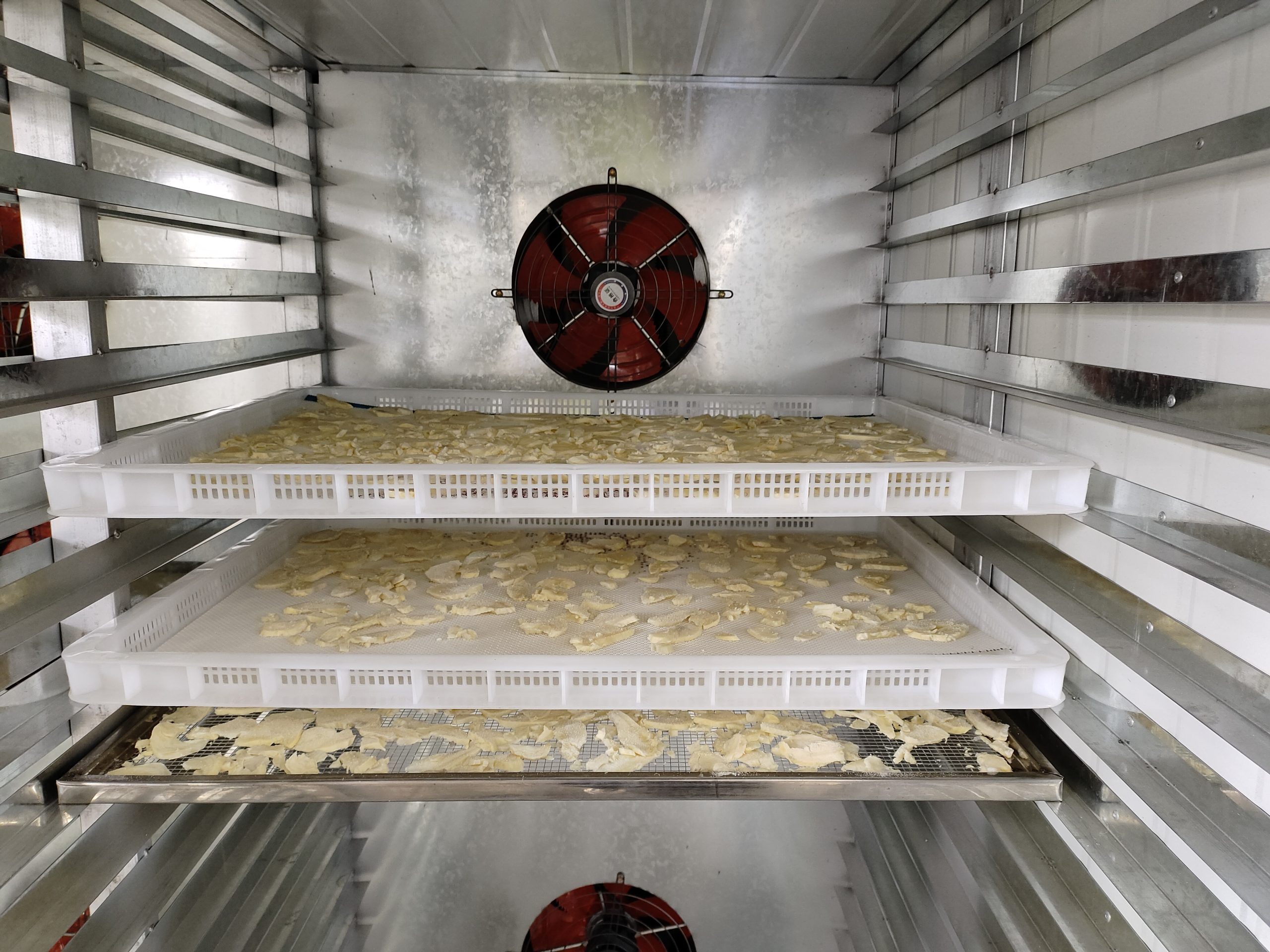
Commercial Durian Dehydration: Preserving Quality with Heat Pump Technology
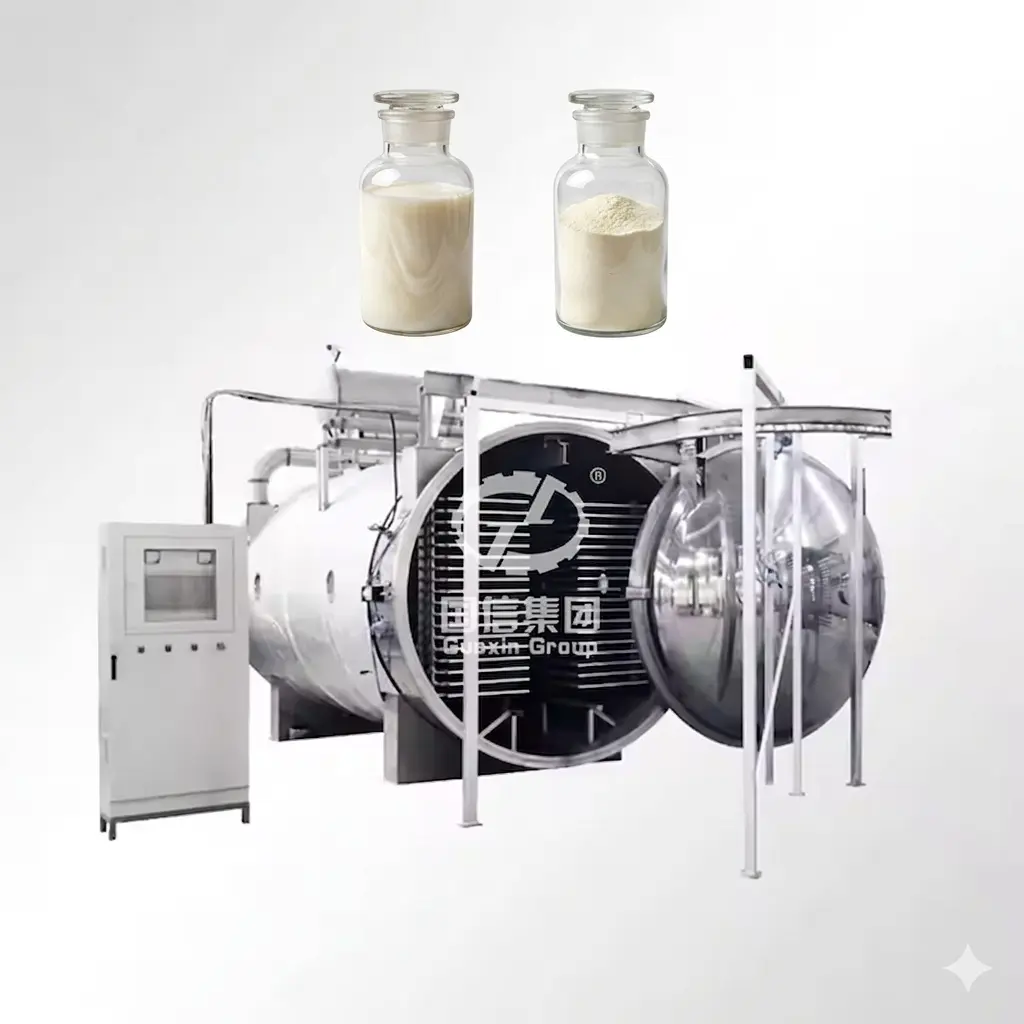
Milk Powder Drying – Parameters for Consistent Final Moisture and Functional Properties
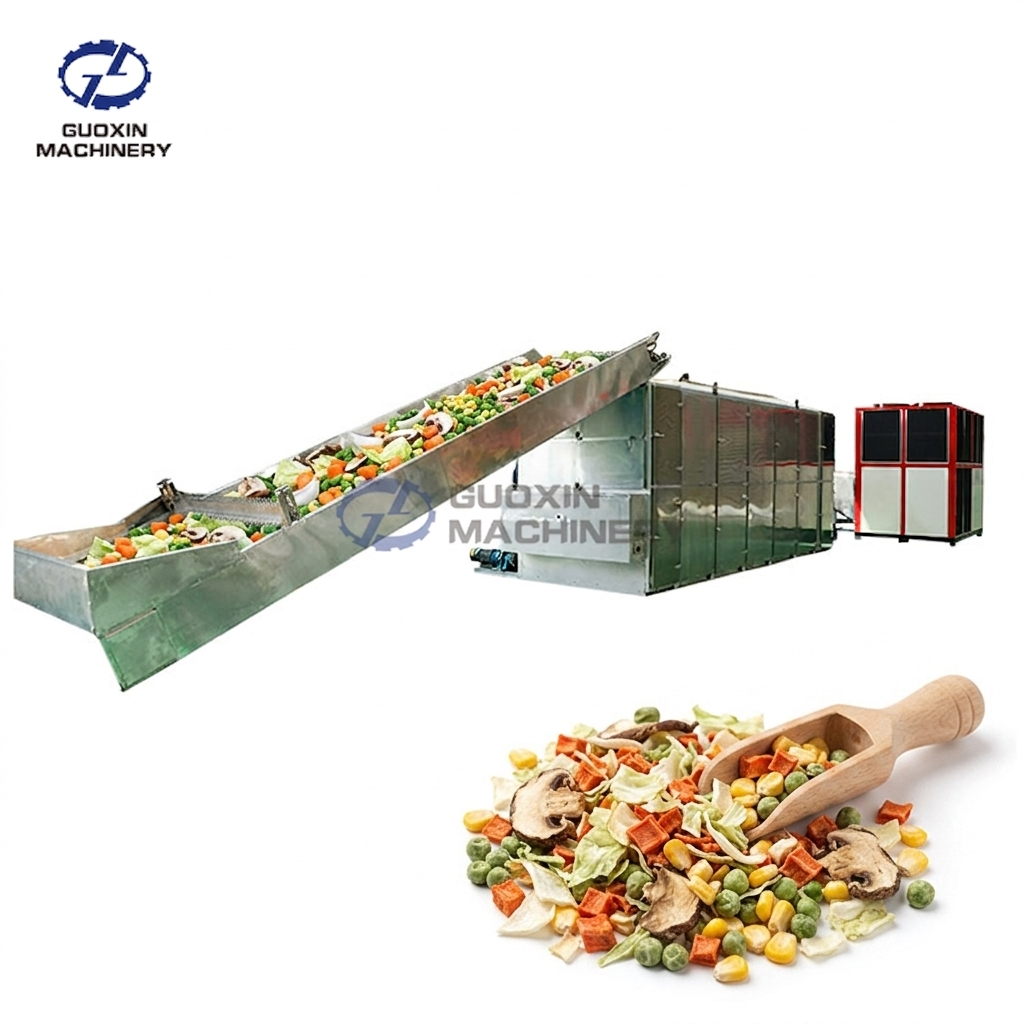
Dehydrated Vegetables for Instant Noodle Seasoning – Drying Parameters for Consistent Quality in Seasoning Packs
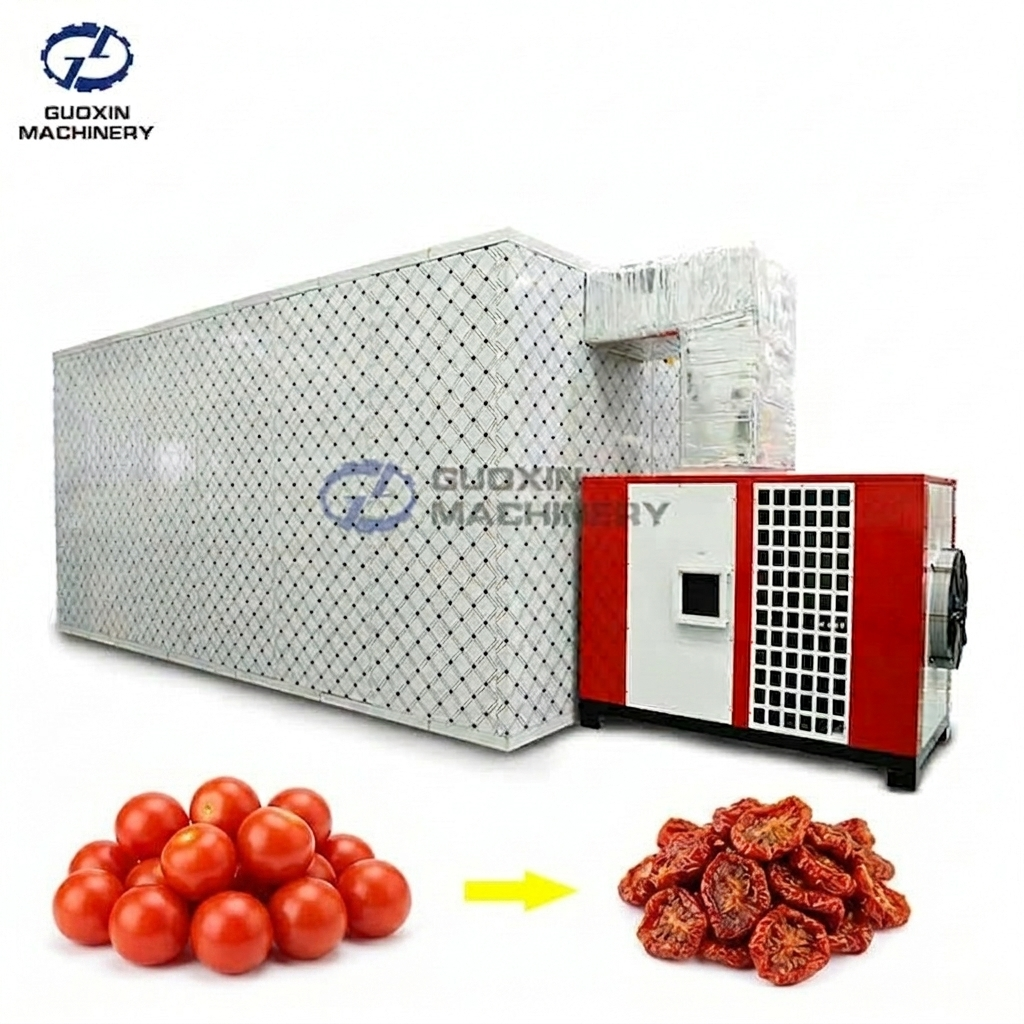
Sun-Dried Tomato Drying – Parameters for Industrial Production of Consistent Tomato Slices