© Henan Guoxin Machinery Manufacturing Co., Ltd. All Rights Reserved.


Release time:2026-03-09
Dried shrimp is a widely traded seafood product used in Asian, European, and American markets.
Commercial shrimp drying requires:
• fast moisture removal
• hygienic processing conditions
• stable product quality
Industrial drying systems allow seafood processors to produce dried shrimp efficiently and consistently.
Fresh shrimp are washed and sorted to remove impurities.
Processing plants usually select:
• small to medium shrimp
• uniform size raw material
Shrimp are boiled briefly before drying.
Purpose:
• enzyme inactivation
• flavor preservation
• color stabilization
After cooking, shrimp are drained to remove excess water before entering the drying stage.
Shrimp are spread on trays or conveyor belts and dried in industrial dryers.
Typical drying conditions:
Temperature
50–60°C
Drying time
5–8 hours
Final moisture content
15–18%
Advantages:
• gentle drying temperature
• good color preservation
• energy efficiency
See equipment:
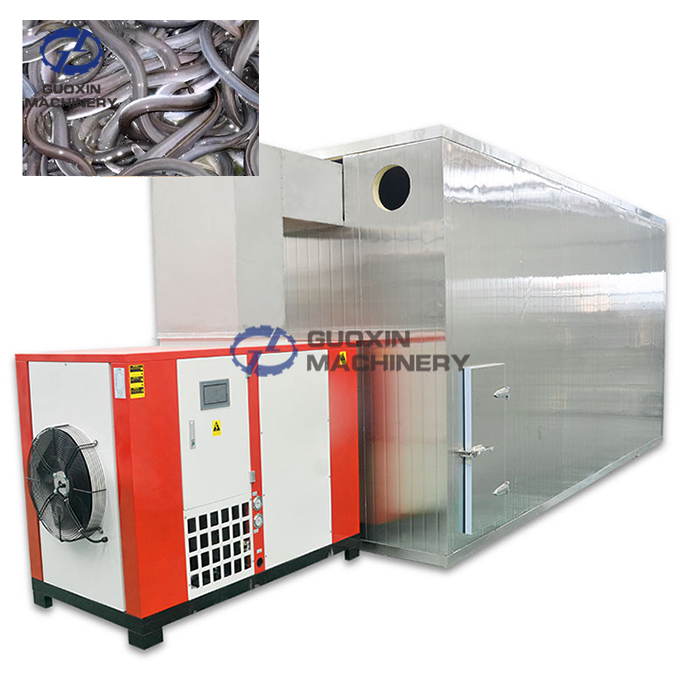
👉 Heat Pump Dryer for Food Processing
Used for large seafood drying plants.
Benefits:
• continuous drying
• high production capacity
• automated operation
Learn more:
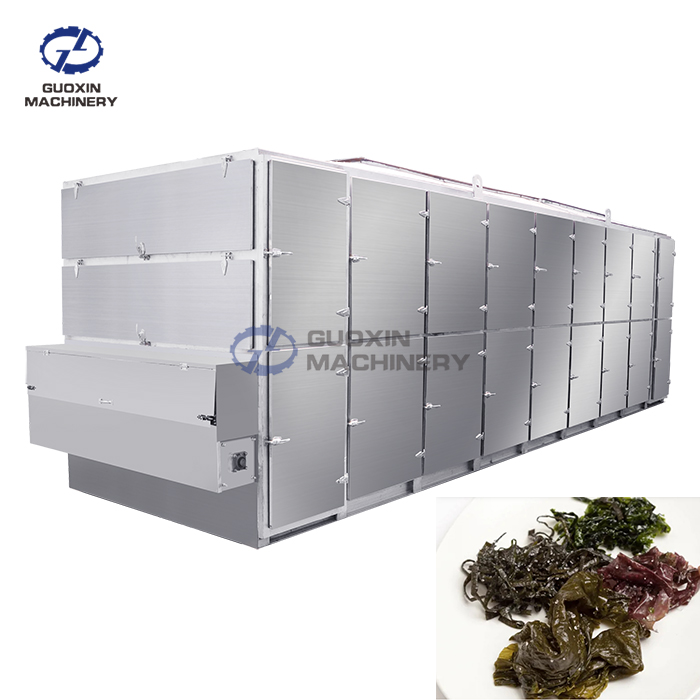
👉 Industrial Mesh Belt Dryer
Commercial seafood plants usually process:
Small seafood plant
300–500 kg/batch
Medium processing plant
1–2 tons/day
Large industrial plant
5 tons/day or more
This drying process is widely used in:
•fruit and vegetable processing plants
• spice and herb factories
• seafood processing
• meat processing
• food export companies
For large-scale production, a complete drying system is usually required.
👉 View complete drying solutions here
If you operate a seafood processing factory, we can help design a complete shrimp-drying system tailored to your production capacity.