© Henan Guoxin Machinery Manufacturing Co., Ltd. All Rights Reserved.



Release time:2026-03-18
Vegetable drying is one of the most stable and scalable sectors in food processing. From onion flakes and garlic powder to chili and carrot slices, industrial dehydration extends shelf life, reduces transportation costs, and creates high-value export products.
We provide comprehensive vegetable-drying solutions — from raw material preparation to final packaging — designed for continuous, large-scale production.
Tell us your raw material and capacity — we will design a customized solution within 24 hours.
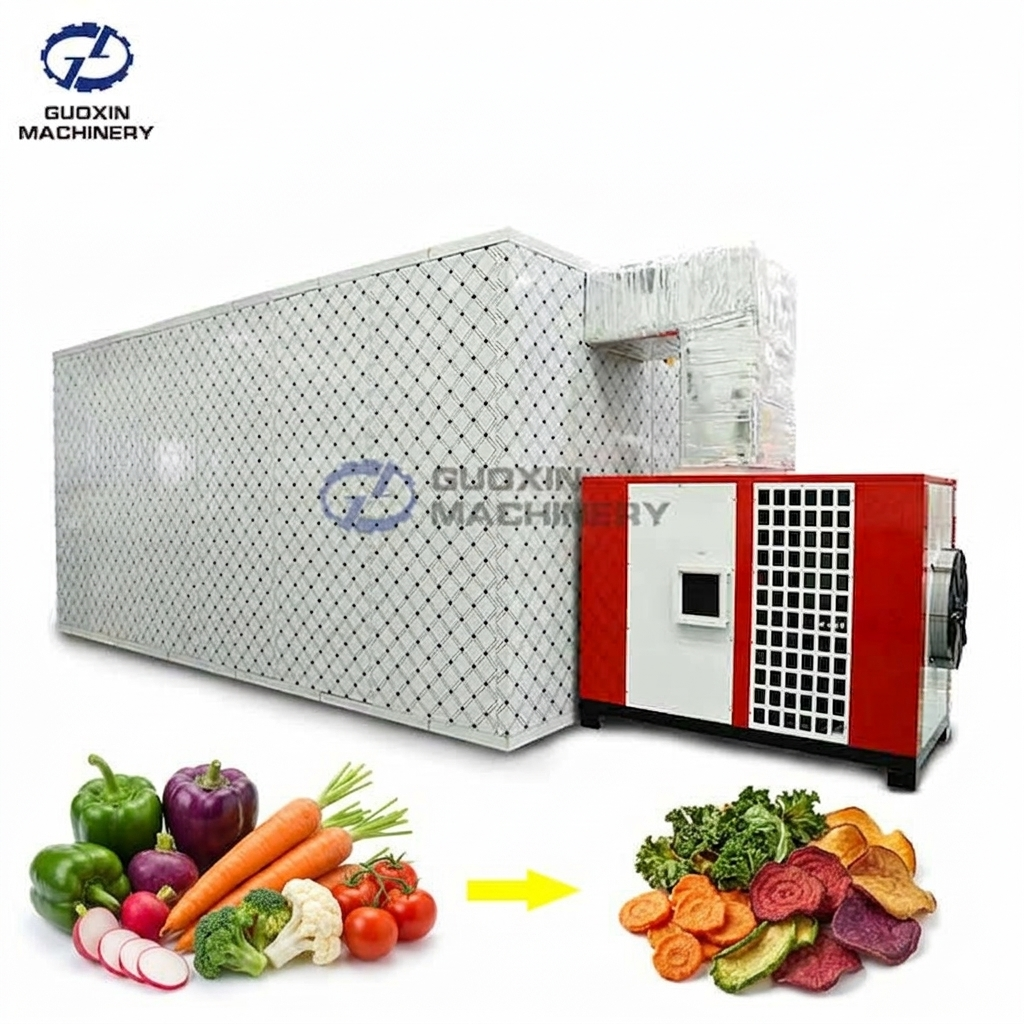
Vegetable Drying Solution for Industrial Processing
For commercial producers, drying is not just about removing moisture — it is about product consistency, color retention, and cost efficiency.
A well-designed drying system helps you:
Reduce moisture from 80–90% to 8–12%
Preserve natural color and flavor
Extend shelf life from days to months
Lower logistics and storage costs
Standardize product quality for export markets
Our systems are designed for a wide range of vegetables:
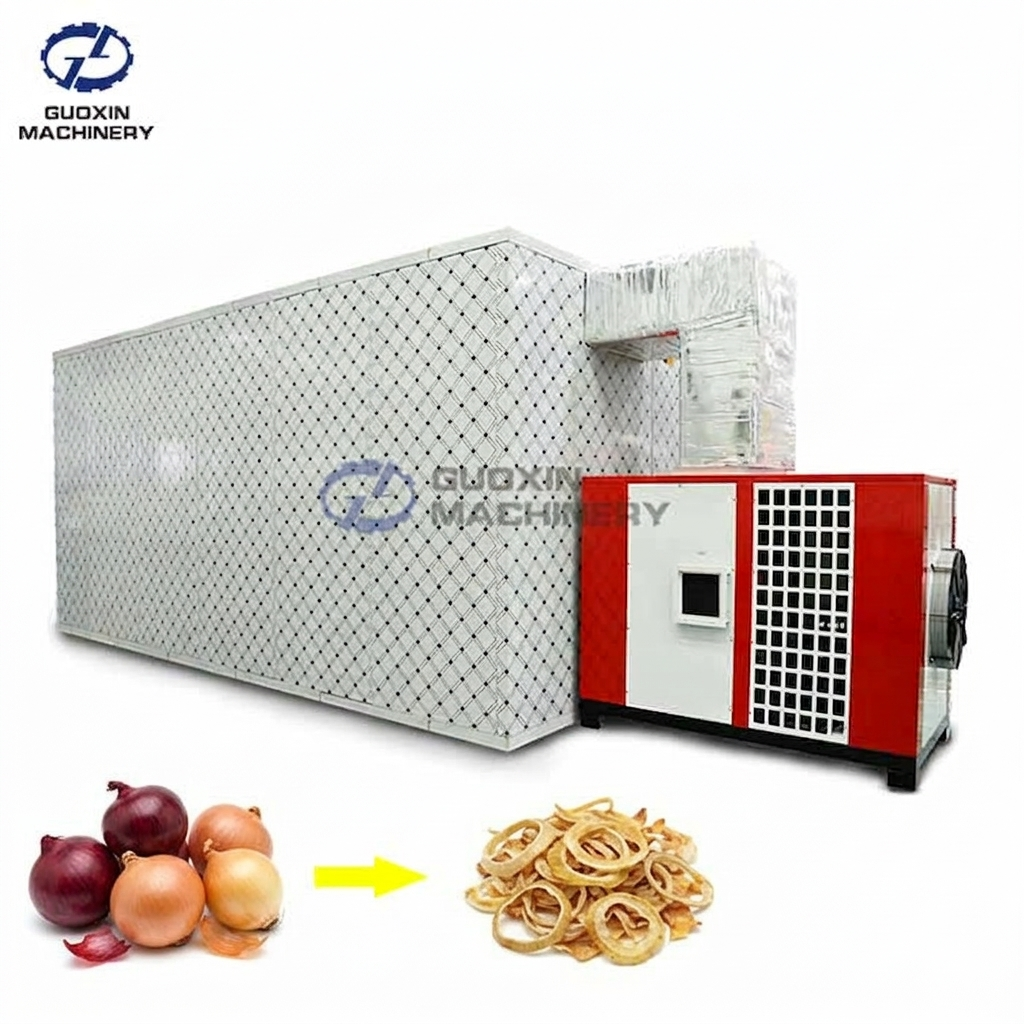
Onion (flakes/powder)
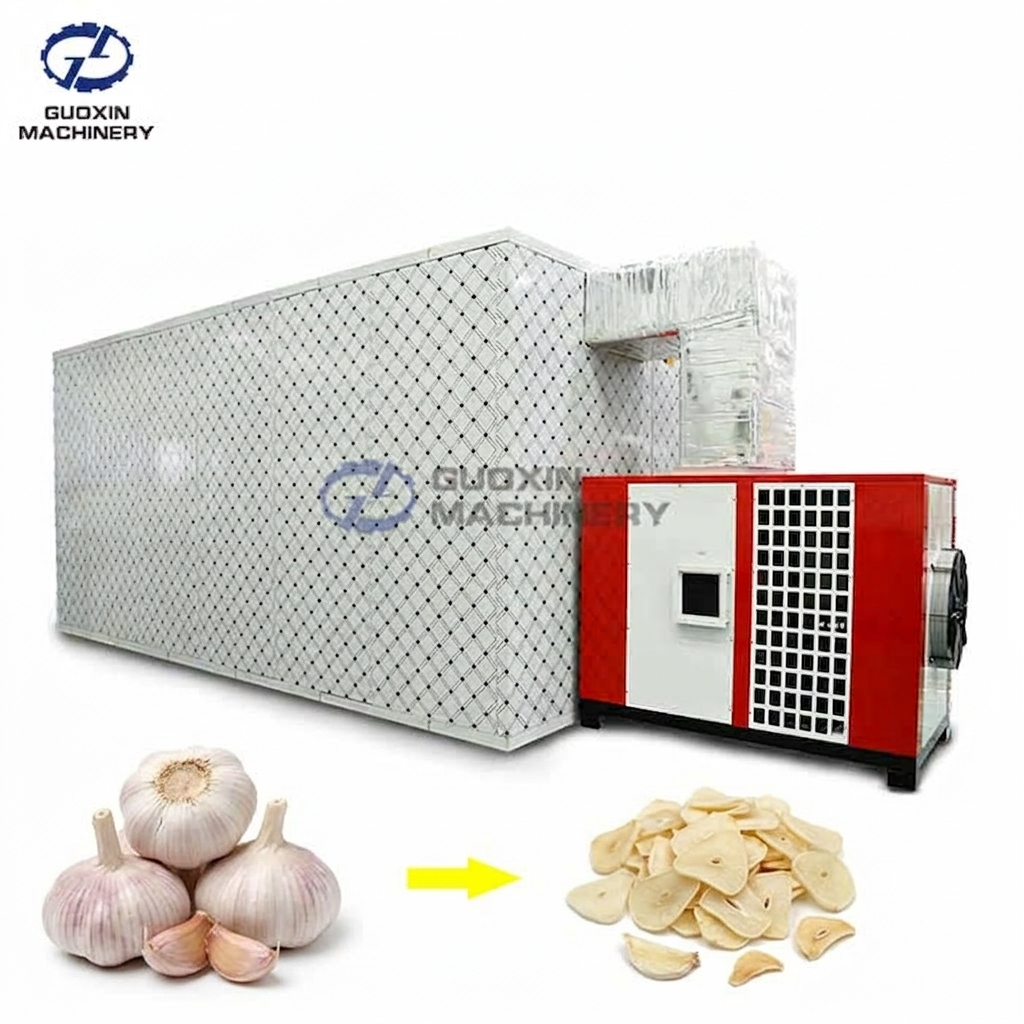
Garlic (slices/granules)
Chili (whole / cut/powder)
Carrot (slices/dices)
Potato (chips/cubes)
Mushroom
Leafy vegetables (spinach, herbs)
🥬Vegetables that we can dry include, but are not limited to:
Leafy Greens: Cabbage, Spinach, Kale, Lettuce, Swiss Chard, Arugula, Bok Choy, Watercress, Collard Greens, Endive, Mustard Greens, Napa Cabbage
Cruciferous Vegetables: Broccoli, Cauliflower, Brussels Sprouts, Romanesco, Kohlrabi, Broccolini
Root Vegetables: Carrot, Radish, Beetroot, Turnip, Parsnip, Rutabaga, Daikon, Radish, Horseradish, Burdock Root
Tubers: Potato, Sweet Potato, Yam, Cassava, Jerusalem Artichoke, Taro
Allium (Bulb) Vegetables: Onion, Garlic, Leek, Shallot, Scallion, Chive
Stem and Stalk Vegetables: Asparagus, Celery, Bamboo Shoot, Rhubarb, Cardoon, Fennel
Marrow and Squash (Gourd) Vegetables: Pumpkin, Zucchini, Butternut Squash, Cucumber, Chayote, Bitter Melon, Winter Melon, Spaghetti Squash
Nightshade (Fruit) Vegetables: Tomato, Eggplant, Bell Pepper, Chili Pepper, Tomatillo
Legumes (Pods and Seeds): Green Pea, Snap Pea, Snow Pea, Green Bean, Edamame, Broad Bean, Chickpea, Lentil, Lima Bean
Fungi (Mushrooms): Button Mushroom, Portobello, Shiitake, Oyster Mushroom, Enoki, Chanterelle, Morel
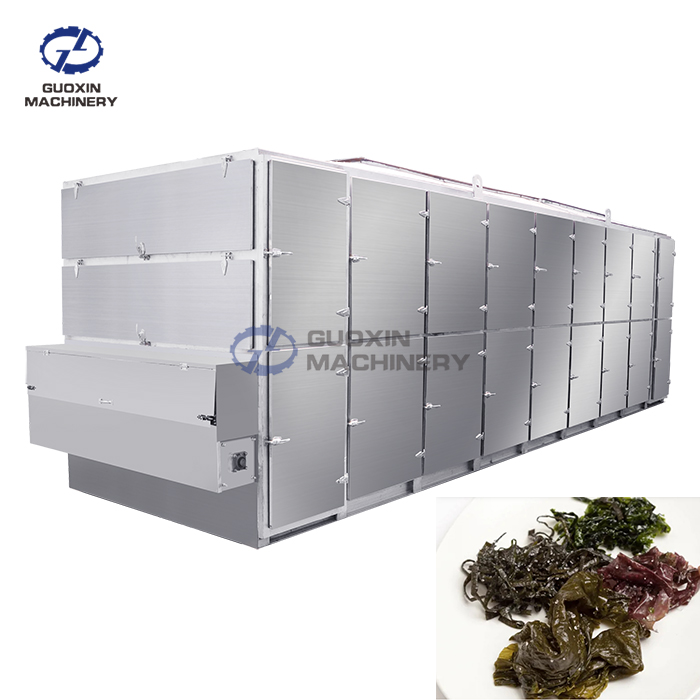
Other Specialized Vegetables: Artichoke, Okra, Sweet Corn, Seaweed
Each material has different drying characteristics. We adjust temperature, airflow, and drying time accordingly.
A typical industrial vegetable drying line includes:
1. Cleaning & Washing
Remove soil, impurities, and pesticide residues.
2. Peeling & Cutting
Slice or dice vegetables into uniform sizes for even drying.
3. Blanching (Optional)
Used for certain vegetables to:
Preserve color
Reduce enzyme activity
4. Dewatering
Remove surface moisture before drying to improve efficiency.
5. Drying Process (Core Step)
Controlled temperature and airflow reduce moisture content to the target level.
6. Cooling & Packaging
Ensure product stability and prepare for storage or export.
Depending on your product and capacity, we recommend different drying systems:
Low-temperature drying (ideal for color-sensitive products)
Energy efficient
Suitable for garlic, herbs, and high-value vegetables
Continuous production
Large capacity (industrial scale)
Ideal for onion, carrot, and potato
☞ Chili Drying & Processing Solution
Fast drying or finishing stage
Sterilization effect
Used in high-end processing lines
We design systems for different production scales:
Small-scale: 200–500 kg/day
Medium-scale: 1–5 tons/day
Large industrial line: 10+ tons/day
Final products:
Dried slices
Flakes
Powder (with grinding system)
We have delivered vegetable drying lines for:
Onion processing factories (flakes & powder export)
Chili drying plants (continuous production)
Garlic dehydration projects (low-temperature drying)
☞8,000kg/Day Continuous Round Chili Drying Line – South Africa
☞ Chili Pepper mesh belt dryer project in Myanmar
The cost depends on capacity, automation level, and configuration.
Typical price range:
Batch drying system: $5,000 – $15,000
Drying room solution: $15,000 – $40,000
Continuous drying line: $40,000 – $200,000+
Contact us to get a detailed quotation and layout design based on your project.
When selecting a vegetable drying system, consider:
Type of vegetable (onion, garlic, chili, etc.)
Required capacity (per day)
Final product form (slice, powder, cube)
Energy consumption requirements
Available space
You can refer to our Chili Drying Solution and Ginger Drying Solution.
We help you match the right equipment and process — not just sell a machine.
We are not just a machine supplier.
We provide complete engineering solutions.
Turnkey project design
Equipment manufacturing
Installation guidance
Process optimization support
If you are planning a vegetable drying project, we can help you design the entire system.
Tell us:
Your raw material
Target capacity
Final product
You will receive a tailored solution + quotation within 24 hours.