
© Henan Guoxin Machinery Manufacturing Co., Ltd. All Rights Reserved.



Yellow mealworm larvae enter the drying stage with 60–72 % moisture. They must be dried to 5–8 % final moisture to achieve water activity below 0.6, ensuring microbial stability and long shelf life in pet food applications. The main technical objectives are preserving protein quality, controlling fat oxidation, and maintaining natural golden color without off-flavors. Based ...
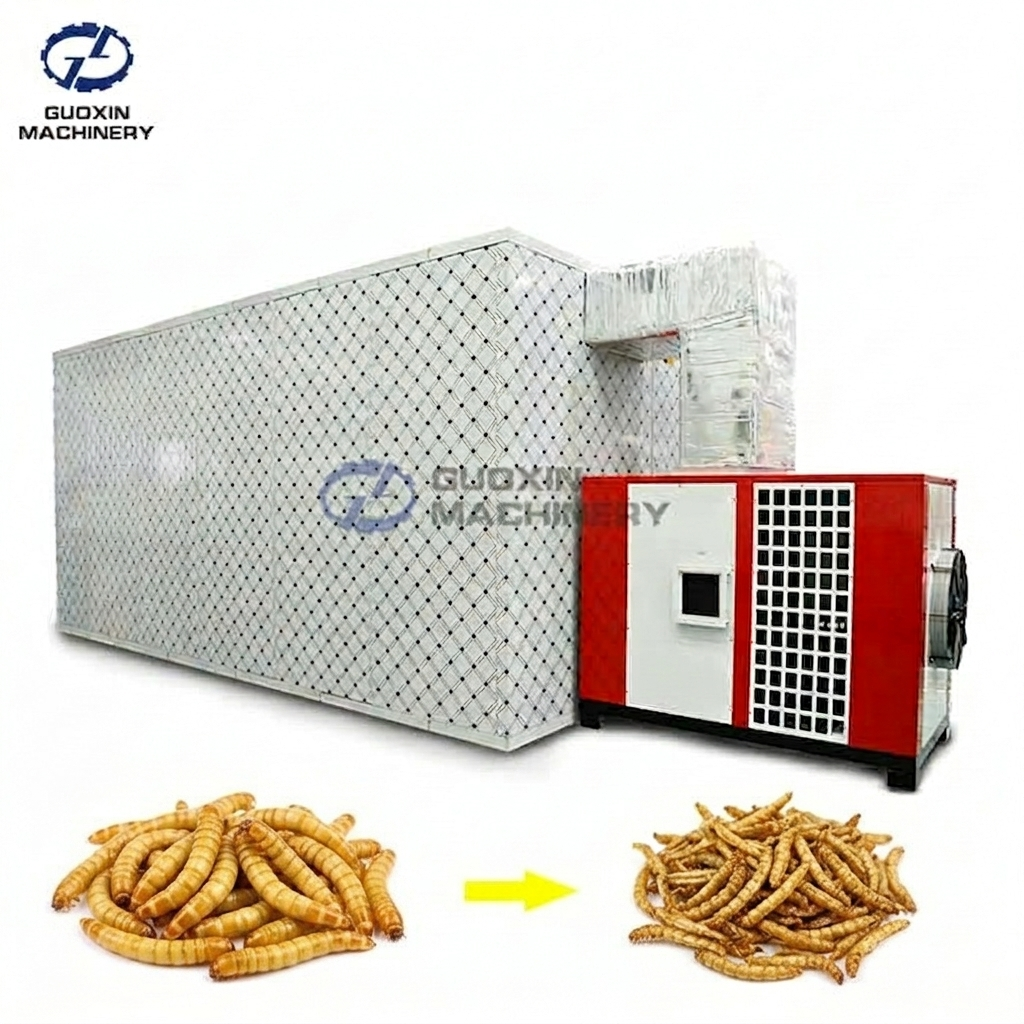
Yellow Mealworm Drying Machine
Yellow mealworm larvae enter the drying stage with 60–72 % moisture.
They must be dried to 5–8 % final moisture to achieve water activity below 0.6, ensuring microbial stability and long shelf life in pet food applications.
The main technical objectives are preserving protein quality, controlling fat oxidation, and maintaining natural golden color without off-flavors.
Based on this recommendation, heat pump drying and freeze drying methods are preferred.
| Material | Initial Moisture (%) | Target Moisture (%) | Typical Temp / Time | Pre-Processing Steps | Key Technical Concerns | Recommended Guoxin Dryer Type | Dedicated Solution |
|---|---|---|---|---|---|---|---|
| Yellow Mealworm Larvae (for pet food) | 60–72 | 5–8 | Heat pump: 45–60 °C / 6–12 h Freeze: –40 °C to 40 °C / 18–36 h Microwave-assisted: 50–65 °C / 4–8 h | Wash, blanch or steam, drain | Protein retention, fat oxidation control, color stability | Heat pump or Freeze | Mealworm Drying Solution |
Blanching or steam treatment before drying reduces initial microbial load and enzyme activity.
Low-temperature controlled drying limits lipid oxidation in the high unsaturated fat content of mealworms.
Uniform moisture removal supports consistent particle size after grinding into pet food meal.
These parameters are based on commercial-scale insect processing data where the final powder must meet pet food industry standards for safety and nutritional consistency.
FAQ
Why is blanching used before drying mealworms?
Blanching lowers surface bacteria and inactivates enzymes that can cause browning or quality loss during drying.
What final moisture level ensures stability for pet food use?
5–8 % moisture (water activity below 0.6) is the standard range that prevents microbial growth during storage and transport.
How does temperature affect fat quality in dried mealworms?
Temperatures above 60–65 °C accelerate lipid oxidation. Controlling lower temperatures helps maintain fat stability and reduce rancid off-flavors.
Can the same system dry whole larvae and pre-ground material?
Yes. Heat pump systems with adjustable airflow and temperature settings handle both forms effectively.
For pilot drying trials on your yellow mealworm larvae, detailed reports on protein retention, fat stability, and final powder specifications, or equipment configuration for your production volume, contact Guoxin Machinery with your raw material details.
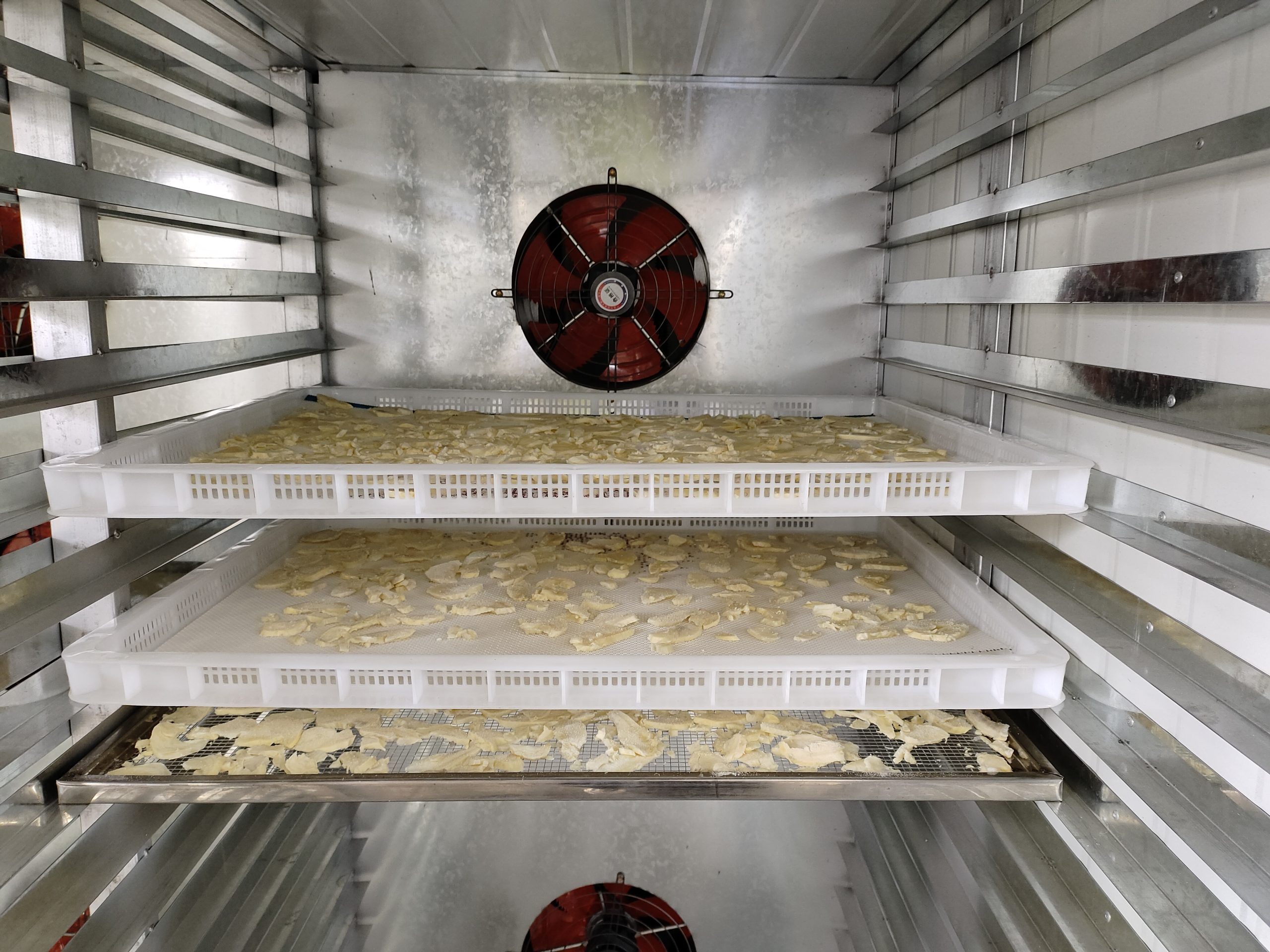
Commercial Durian Dehydration: Preserving Quality with Heat Pump Technology
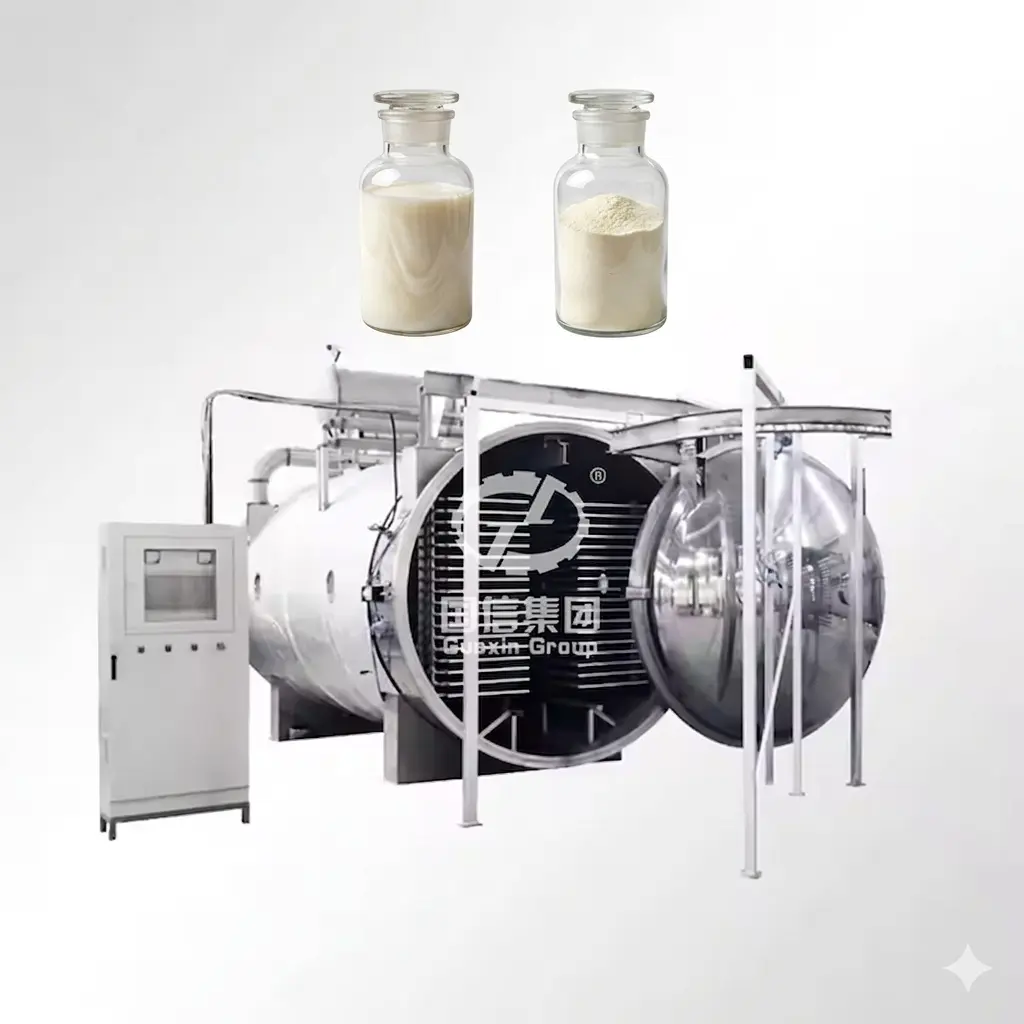
Milk Powder Drying – Parameters for Consistent Final Moisture and Functional Properties
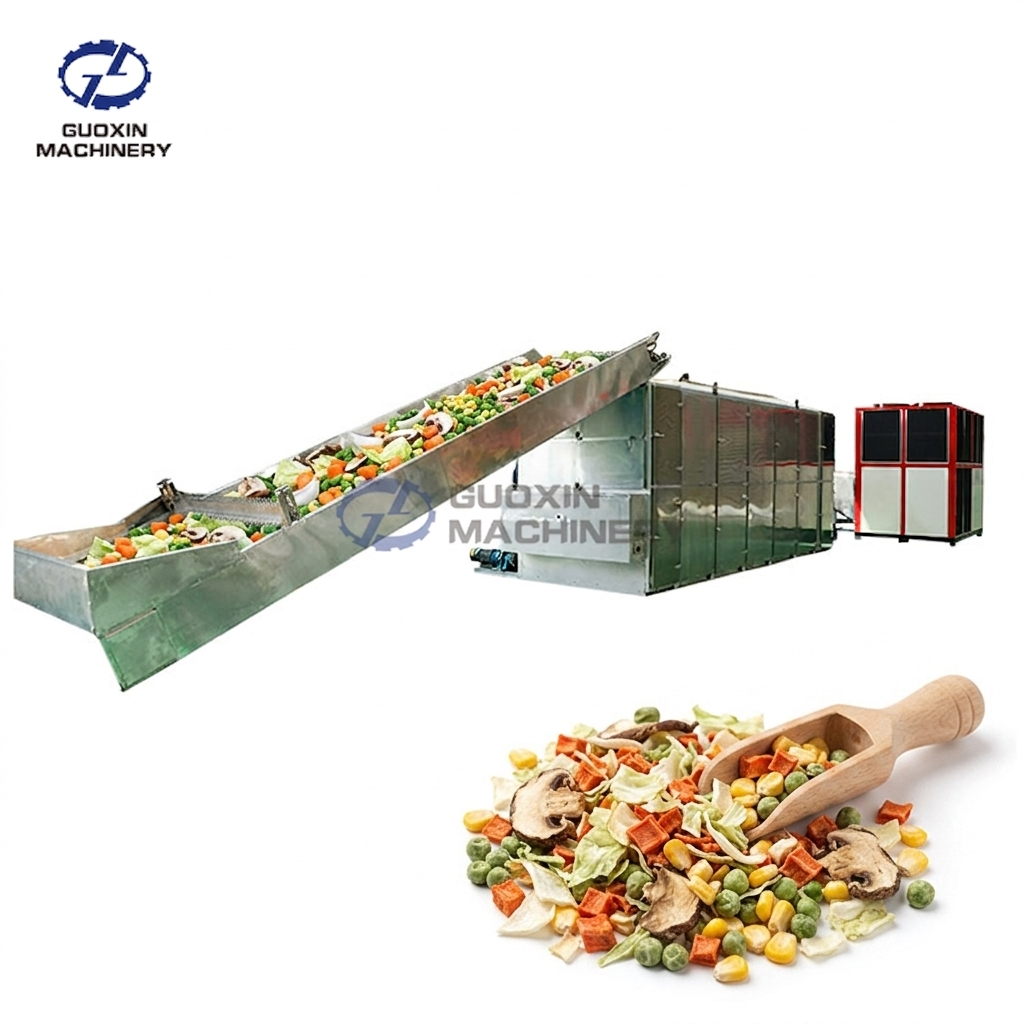
Dehydrated Vegetables for Instant Noodle Seasoning – Drying Parameters for Consistent Quality in Seasoning Packs
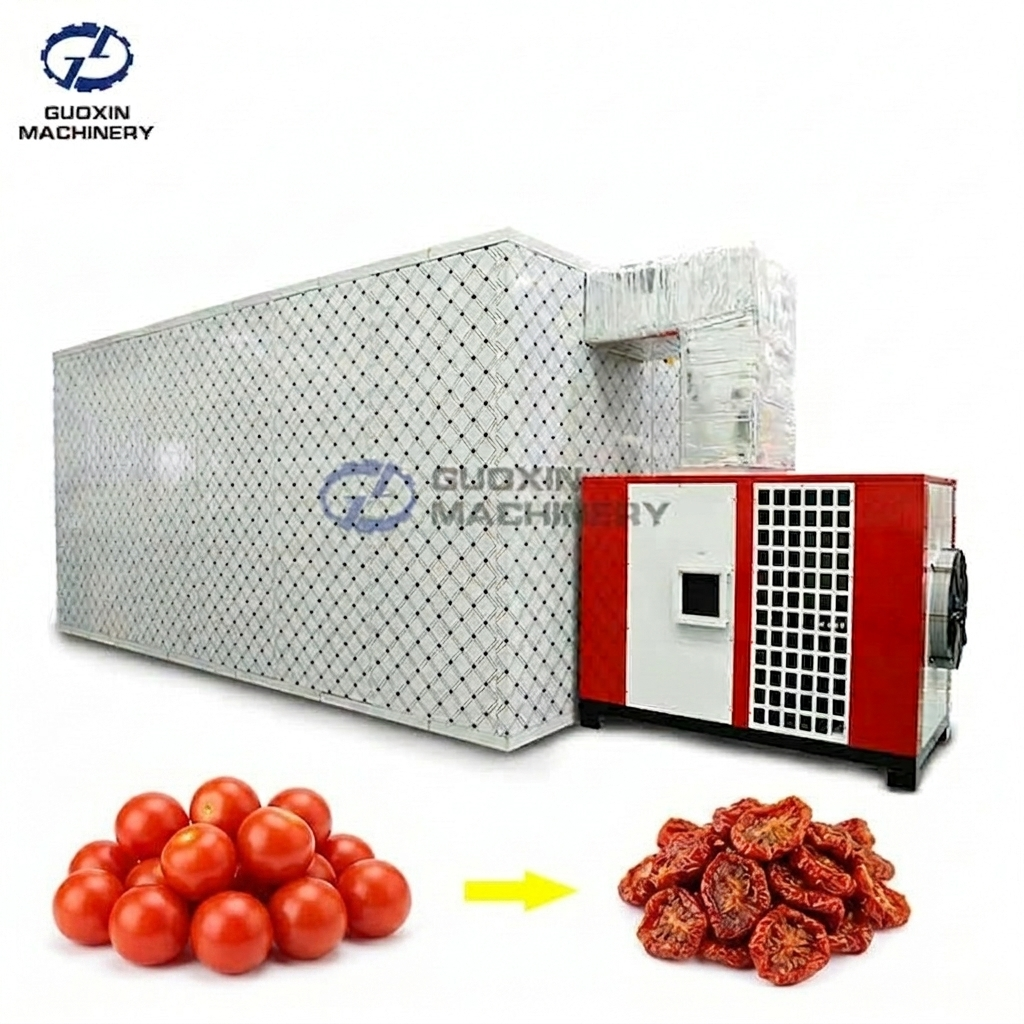
Sun-Dried Tomato Drying – Parameters for Industrial Production of Consistent Tomato Slices