© Henan Guoxin Machinery Manufacturing Co., Ltd. All Rights Reserved.



Release time:2026-03-09
Dried fish is produced worldwide for food preservation and export markets.
Traditional sun drying is still used in some regions, but industrial seafood processors increasingly adopt mechanical drying systems to improve hygiene and production efficiency.
Fresh fish are cleaned and washed to remove blood, scales, and impurities.
Large fish are usually filleted or split before drying.
This improves drying efficiency.
Salt may be applied before drying to:
• enhance flavor
• preserve fish
• control microbial growth
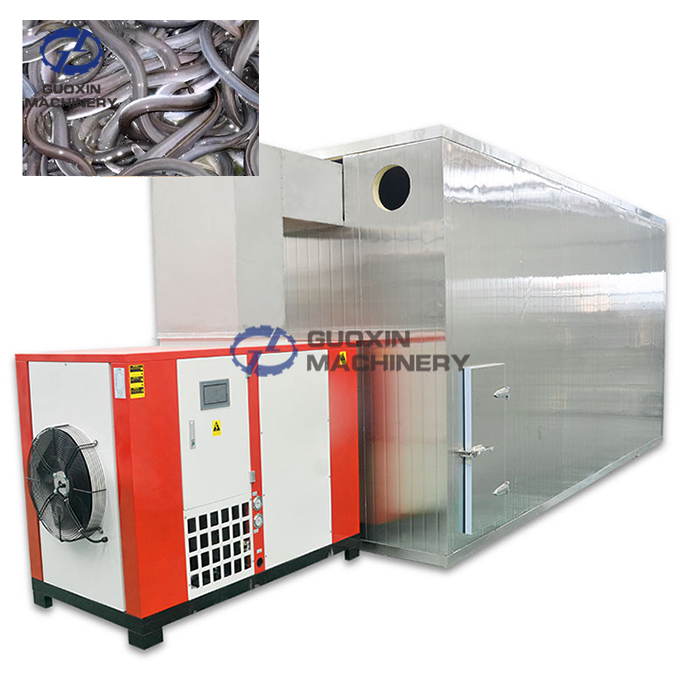
Fish are placed on trays or conveyor belts and dried with controlled temperature and airflow.
Typical drying conditions:
Temperature
45–60°C
Drying time
8–12 hours, depending on fish size.
Ideal for:
• premium dried fish products
• energy-efficient drying
• low-temperature processing
Best for:
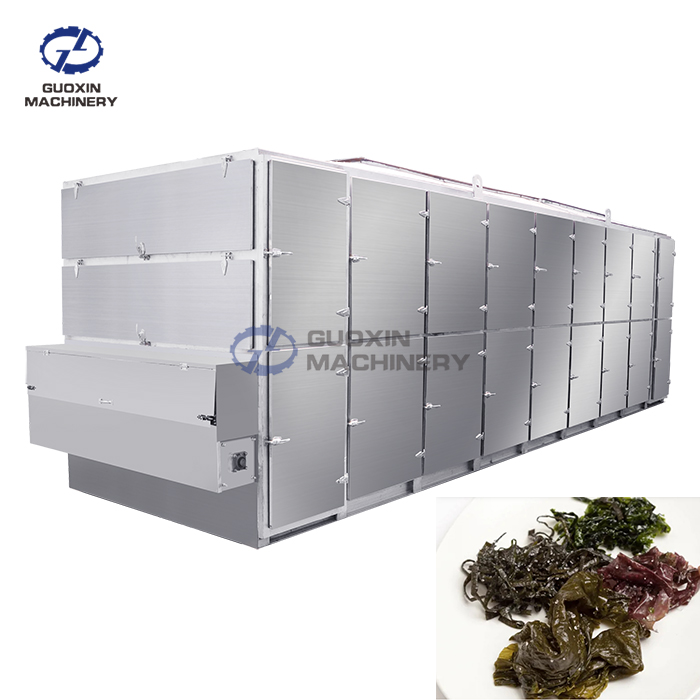
• continuous seafood processing
• high capacity production
Commercial fish drying plants may process:
Small processing plant
200–400 kg/batch
Medium plant
1–3 tons/day
Large industrial facility
10 tons/day
Typical Industrial Applications
This drying process is widely used in:
•fruit and vegetable processing plants
• spice and herb factories
• seafood processing
• meat processing
• food export companies
For large-scale production, a complete drying system is usually required.
👉 View complete drying solutions here
Our engineers can design a complete fish drying production line, including washing, cutting, drying, and packaging equipment.