© Henan Guoxin Machinery Manufacturing Co., Ltd. All Rights Reserved.



Release time:2026-04-10
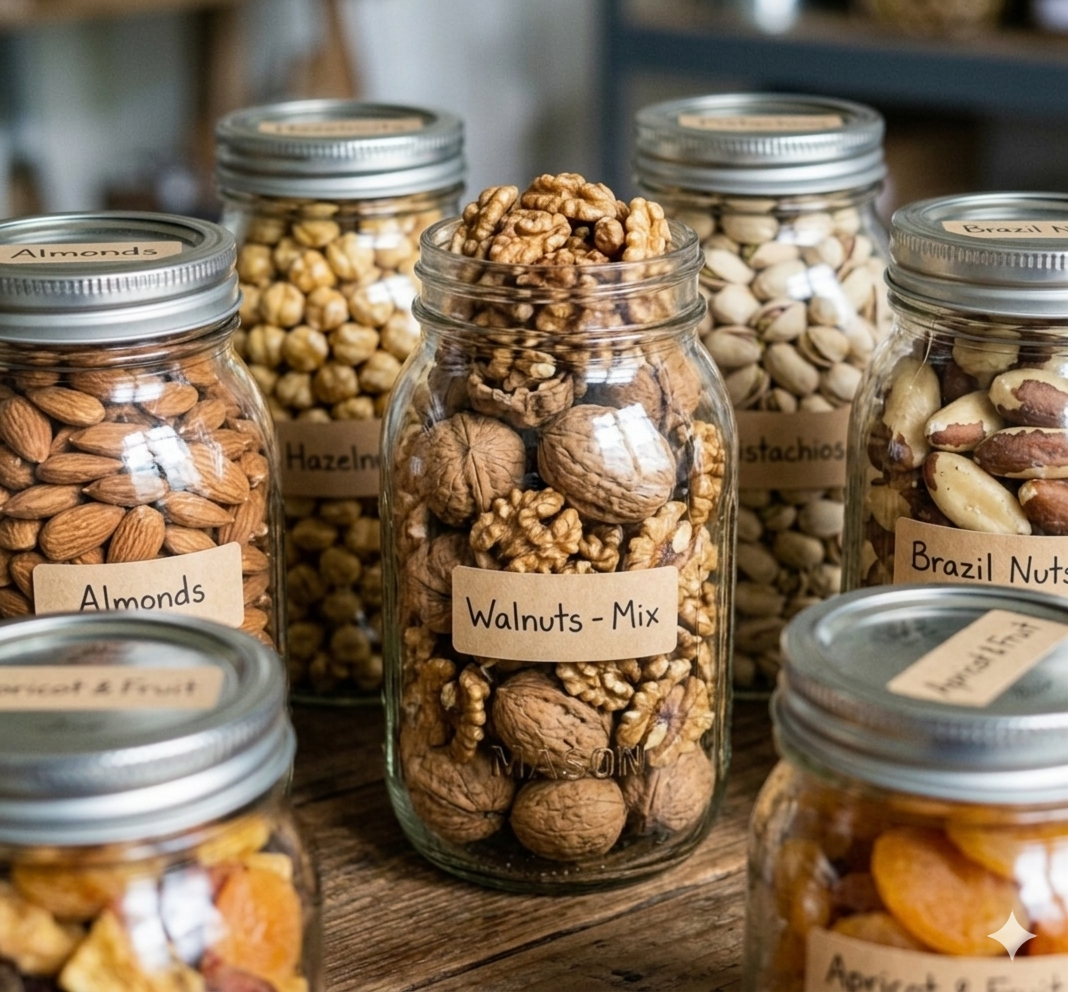
Nuts and seeds contain high oil levels that oxidize easily at elevated temperatures.
Grains and legumes often start with higher moisture after harvest and require uniform drying to prevent mold and maintain germination control or cooking quality.
North American and European buyers demand low aflatoxin levels, peroxide values, and consistent color for premium snacks and ingredients.
Asian and Latin American markets prioritize high throughput and storage stability for rice, corn, and beans used in daily staples.
The table below presents each material with its typical parameters, pre-processing steps, and the Guoxin dryer type proven in commercial operations.
Pre-processing is kept simple and standard: cleaning, sorting, optional washing, or grading. Most nuts and seeds need only gentle handling to avoid mechanical damage. Uniform layer thickness on belts or trays is critical for even moisture removal.
| Material | Initial Moisture (%) | Target Moisture (%) | Typical Temp / Time | Pre-Processing Steps | Key Technical Concerns | Recommended Guoxin Dryer Type |
|---|---|---|---|---|---|---|
| Almond | 6–10 | 4–6 | 35–55 °C / 6–12 h | Cleaning, sorting | Oil stability, aflatoxin control | Heat pump dryer |
| Walnut | 8–20 | 4–6 | 35–50 °C / 8–16 h | Cleaning, cracking (optional) | Kernel color retention, rancidity control | Heat pump dryer |
| Pistachio | 8–15 | 4–6 | 40–55 °C / 6–12 h | Cleaning, sorting | Shell splitting prevention, color | Heat pump dryer |
| Peanut | 10–25 | 6–8 | 35–50 °C / 8–14 h | Cleaning, shelling (optional) | Aflatoxin risk, uniform drying | Heat pump or mesh belt dryer |
| Cashew | 8–12 | 4–6 | 40–55 °C / 6–10 h | Cleaning | Oil stability, kernel integrity | Heat pump dryer |
| Brazil Nut | 8–15 | 5–7 | 35–50 °C / 8–14 h | Cleaning | Oil rancidity control | Heat pump dryer |
| Hazelnut | 8–12 | 5–7 | 35–55 °C / 6–12 h | Cleaning, sorting | Lipid oxidation prevention | Heat pump dryer |
| Coconut (grated) | 45–60 | 3–8 | 55–70 °C / 6–12 h | Shelling, grating, draining | Oil stability and white color | Mesh belt dryer |
| Chia Seed | 8–12 | 4–6 | 35–45 °C / 4–8 h | Cleaning | Mucilage preservation, uniform drying | Heat pump dryer |
| Flaxseed | 8–12 | 5–7 | 35–50 °C / 4–8 h | Cleaning | Omega-3 stability | Heat pump dryer |
| Sesame Seed | 7–10 | 4–6 | 35–50 °C / 4–8 h | Cleaning | Oil stability | Heat pump dryer |
| Quinoa | 12–18 | 8–10 | 40–55 °C / 6–10 h | Cleaning, washing | Saponin removal, uniform moisture | Heat pump or mesh belt |
| Oats | 12–20 | 8–12 | 40–60 °C / 6–12 h | Cleaning | Enzyme inactivation | Mesh belt dryer |
| Barley | 12–20 | 10–12 | 40–60 °C / 6–12 h | Cleaning | Germination control (malting) | Mesh belt dryer |
| Lentil | 12–18 | 10–12 | 40–55 °C / 6–10 h | Cleaning | Seed coat cracking prevention | Heat pump or mesh belt |
| Rice | 18–25 | 12–14 | 40–50 °C / 8–16 h | Cleaning, parboiling (optional) | Head rice yield, fissuring prevention | Mesh belt or heat pump |
| Corn (maize) | 20–30 | 12–14 | 50–70 °C / 6–12 h | Cleaning | Starch damage control | Mesh belt dryer |
| Mung Bean | 12–18 | 10–12 | 40–55 °C / 6–10 h | Cleaning | Seed integrity | Heat pump dryer |
| Soybean | 12–20 | 10–13 | 40–55 °C / 6–12 h | Cleaning | Seed coat cracking, protein quality | Heat pump or mesh belt |
| Black Bean | 12–18 | 10–12 | 40–55 °C / 6–10 h | Cleaning | Seed coat integrity | Heat pump dryer |
These parameters are based on established industrial drying practices and quality standards. Heat pump dryers operate at lower temperatures with accurate humidity control to protect oils and sensitive nutrients. Mesh belt dryers provide continuous flow for higher-volume grains and legumes.
Why are lower drying temperatures critical for nuts and seeds?
Temperatures above 50–55 °C accelerate oil oxidation and raise peroxide values, which shorten shelf life and fail quality tests in North American and European markets.
What moisture level ensures safe long-term storage for grains and legumes?
Water activity below 0.65 (typically 8–14 % moisture) prevents mold growth and maintains milling or cooking performance required by international buyers.
Do chia, flax, and quinoa need special pre-treatment?
Gentle cleaning and saponin washing for quinoa are standard. Avoiding mechanical damage preserves omega-3 integrity and market value in superfood segments.
Can one line process both high-oil nuts and bulk grains?
Yes. Modular heat pump and mesh belt configurations allow changeover with validated cleaning that satisfies HACCP and organic standards worldwide.
What trial data is provided before an EPC project?
Pilot runs on your actual material deliver reports covering energy use, final moisture uniformity, oil quality indices, color measurement, and storage stability.
For material-specific drying trials, parameter validation, or an EPC proposal matched to your capacity and target markets, contact Guoxin Machinery with your raw material details and expected daily throughput.
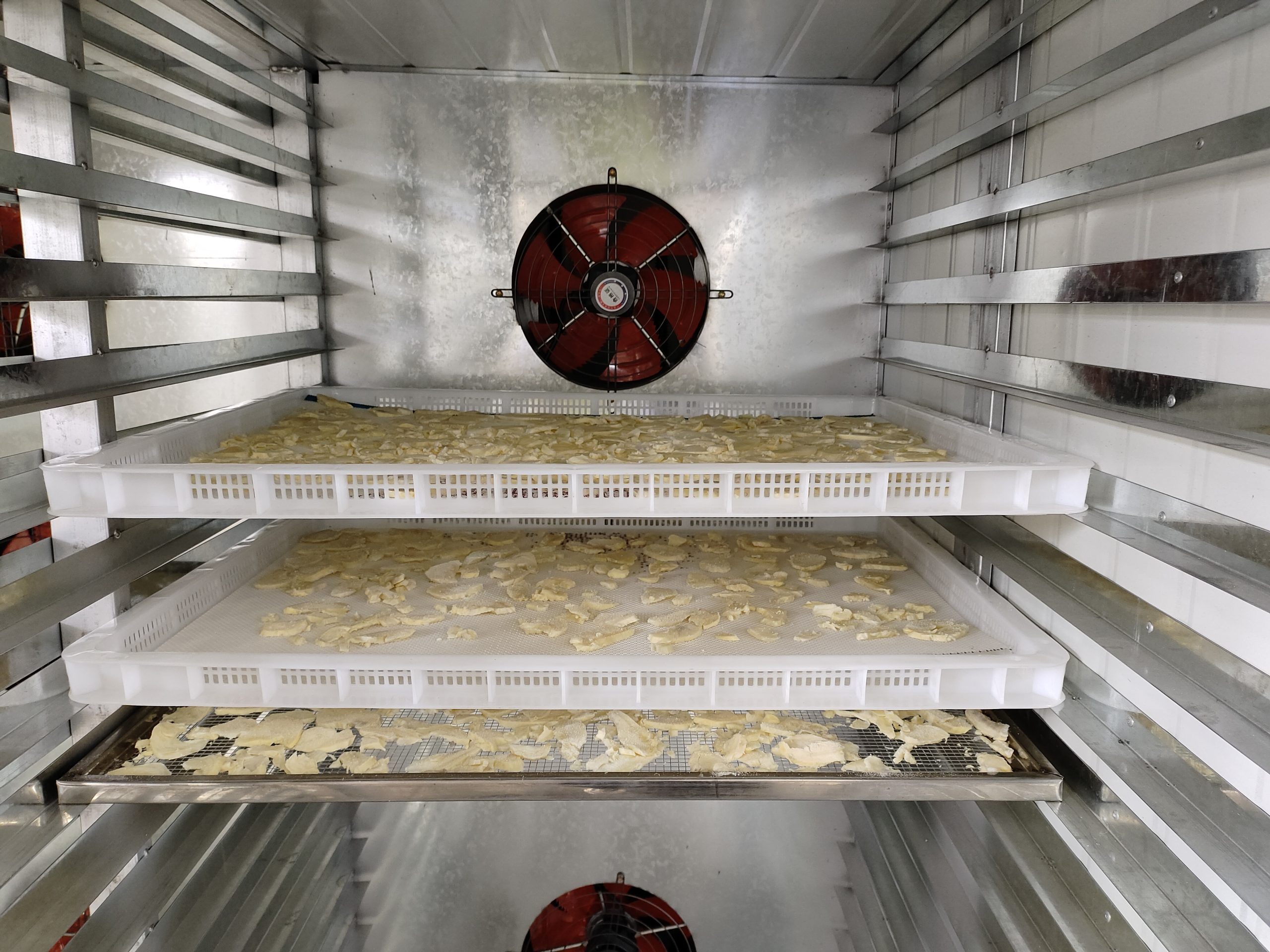
Commercial Durian Dehydration: Preserving Quality with Heat Pump Technology
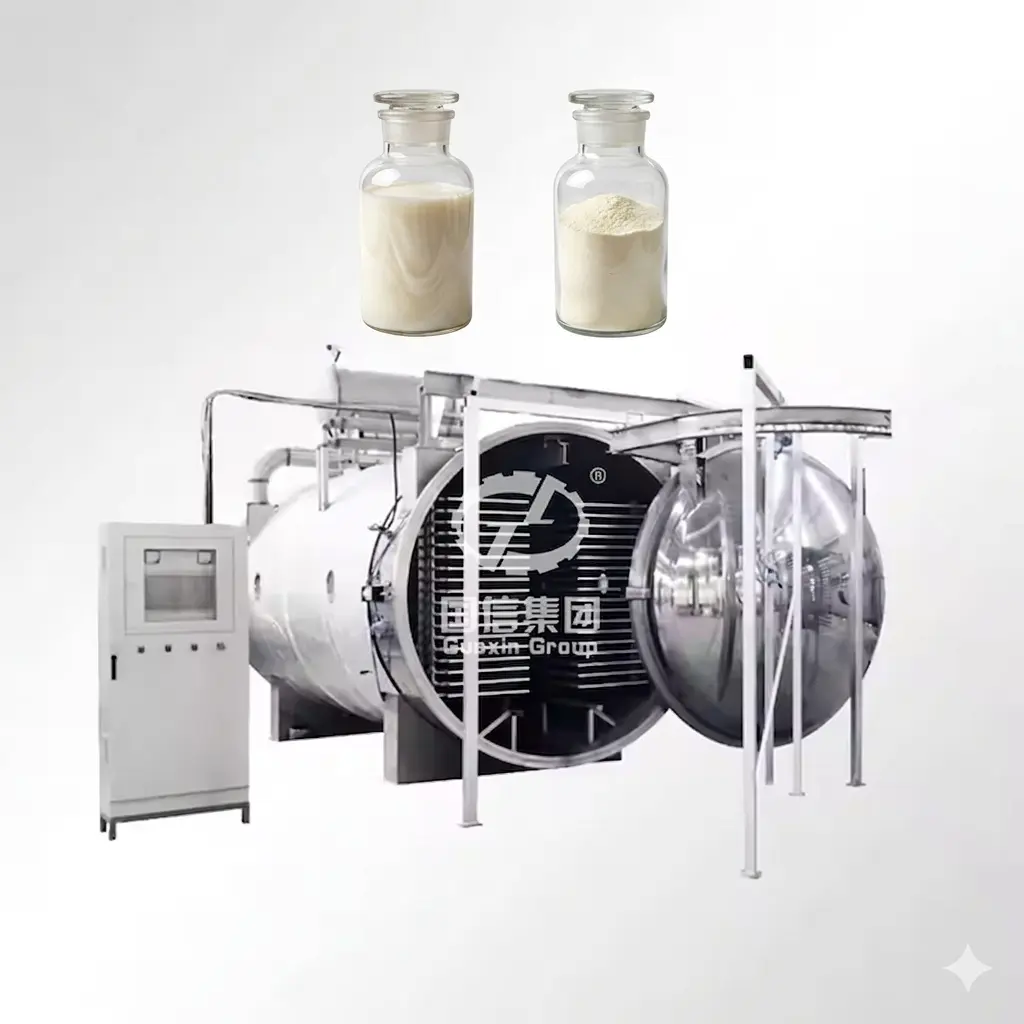
Milk Powder Drying – Parameters for Consistent Final Moisture and Functional Properties
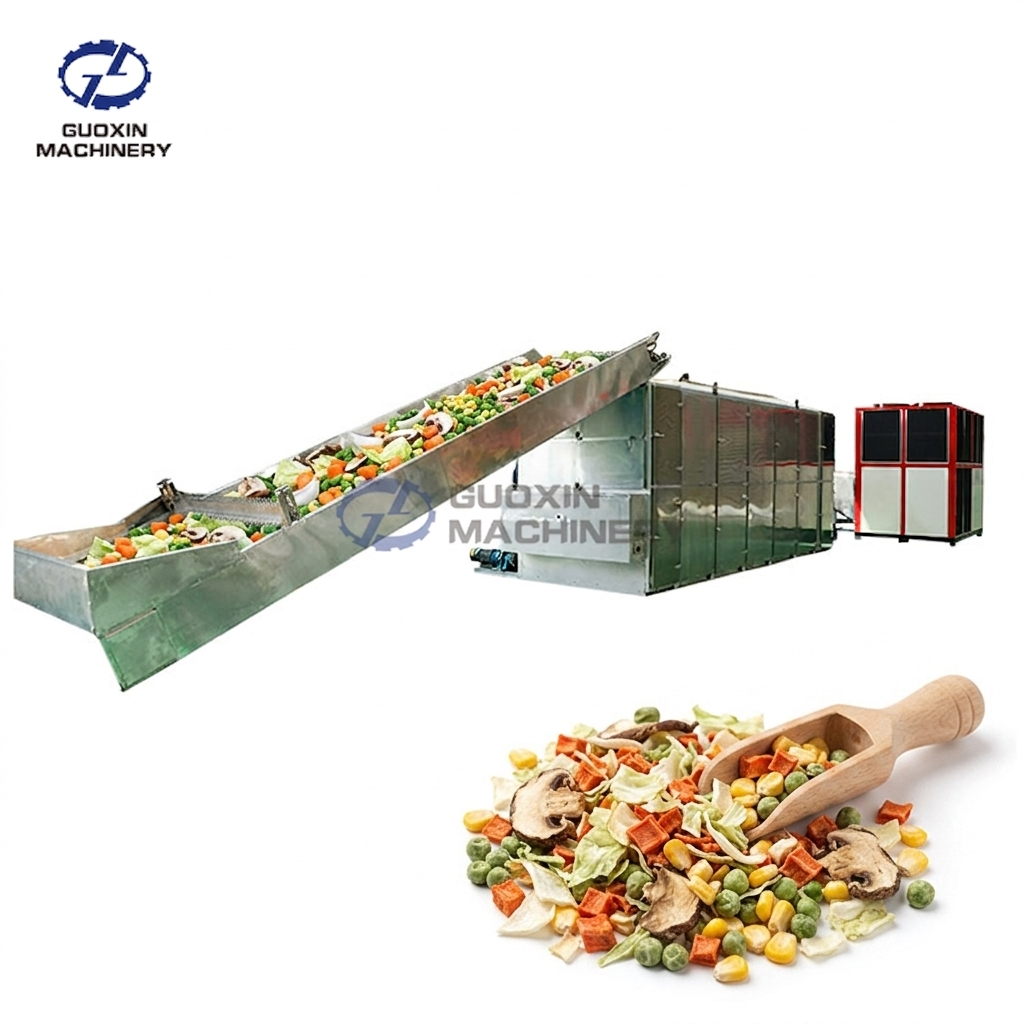
Dehydrated Vegetables for Instant Noodle Seasoning – Drying Parameters for Consistent Quality in Seasoning Packs
Sun-Dried Tomato Drying – Parameters for Industrial Production of Consistent Tomato Slices
Drying Coffee Beans, Cocoa Nibs and Instant Coffee Powder