© Henan Guoxin Machinery Manufacturing Co., Ltd. All Rights Reserved.



Release time:2026-04-10
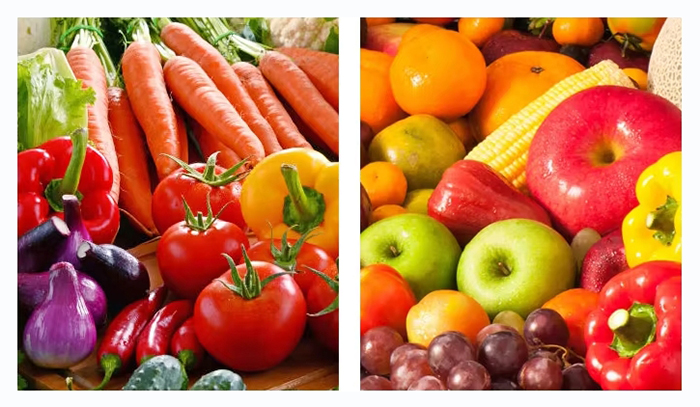
Fruits vary widely in sugar content (10–25 %), acidity, initial moisture (65–94 %), and heat sensitivity
The tables below detail each material with its pre-processing sequence, drying parameters, key challenges, and the Guoxin dryer type proven in industrial operation.
Pre-processing follows standard industrial practice: washing and sorting, peeling or hulling where required, uniform slicing or dicing (3–8 mm), and anti-browning dip (citric acid or lemon juice solution, 5–10 min) for most items except fig, grape, prune, and date. Skin cracking (brief hot-water dip) is used for whole dried fruits with tough skins. Uniform piece size ensures even drying and consistent final moisture.
| Material | Initial Moisture (%) | Target Moisture (%) | Typical Temp / Time | Pre-Processing Steps | Key Challenges & Customer Needs | Recommended Guoxin Dryer | Dedicated Solution |
|---|---|---|---|---|---|---|---|
| Strawberry | 88–92 | 5–7 | 45–55 °C / 10–16 h | Wash, hull, slice 4–6 mm, citric dip | Vitamin C and color retention for European organic and North American functional snacks | Heat pump | Strawberry Drying Solution |
| Blueberry | 82–88 | 8–10 | 45–55 °C / 12–20 h | Wash, pierce/check skin, optional citric dip | Anthocyanin and antioxidant retention for North American superfood and European premium snacks | Heat pump | Blueberry Drying Solution |
| Cranberry | 82–88 | 8–10 | 45–55 °C / 12–20 h | Wash, halve or pierce, hot-water blanch optional | Color stability and tart flavor for North American craisins and functional ingredients | Heat pump | Cranberry Drying Solution |
| Mango | 80–85 | 10–12 | 55–65 °C / 8–14 h | Peel, slice or dice, optional citric dip | Uniform slices for Indian amchur powder and Southeast Asian export volume | Mesh belt | Mango Drying Solution |
| Banana | 70–75 | 12–15 | 55–65 °C / 8–12 h | Peel, slice 4–6 mm, citric dip | Crisp chip texture for Southeast Asian and Latin American snack lines | Mesh belt | Banana Drying Solution |
| Apricot | 80–85 | 18–22 | 55–65 °C / 10–18 h | Halve, pit, press flat, citric dip | Rehydration ratio and color for European bakery and Middle East export | Heat pump | Apricot Drying Solution |
| Fig | 70–80 | 18–22 | 50–60 °C / 12–20 h | Wash, halve or whole, hot-water skin crack | Texture and sugar balance for Mediterranean and Middle East premium dried fruit | Heat pump | Fig Drying Solution |
| Grape (Raisin production) | 75–80 | 15–20 | 55–65 °C / 18–30 h | Wash, hot-water skin crack, optional alkali dip | Uniform raisin size and color for global baking and snack markets | Mesh belt | Raisin Drying Solution |
| Prune | 75–82 | 18–22 | 55–65 °C / 12–20 h | Halve, pit, hot-water skin crack | Soft texture and shelf life for European and North American health snacks | Heat pump | Prune Drying Solution |
| Apple | 80–85 | 18–22 | 55–65 °C / 10–18 h | Peel (optional), slice or dice, citric dip | Rehydration performance for US and European bakery ingredients | Heat pump | Apple Drying Solution |
| Orange | 85–90 | 10–14 | 45–55 °C / 12–20 h | Wash, peel outer rind, slice 4–6 mm, citric dip | Flavor oils and color for European tea blends and North American functional powders | Heat pump | Orange Drying Solution |
| Lemon | 85–90 | 8–12 | 45–55 °C / 12–20 h | Wash, slice 3–5 mm, citric dip | Citric acid retention for seasoning and nutraceutical markets | Heat pump | Lemon Drying Solution |
| Coconut | 45–60 (grated meat) | 3–8 | 55–70 °C / 6–12 h | Shell, grate or slice, drain, optional osmotic dip | Oil stability and white color for global desiccated coconut and snack chip markets | Mesh belt | Coconut Drying Solution |
| Jujube (Chinese Date) | 70–80 | 15–20 | 55–65 °C / 10–16 h | Wash, pit (optional), halve | Bioactive retention for Asian medicinal and snack export | Heat pump | Jujube Drying Solution |
| Jackfruit | 75–85 | 10–15 | 55–65 °C / 10–16 h | Peel, core, slice or shred | Texture control for Southeast Asian chips and powder | Mesh belt | Jackfruit Drying Solution |
| Durian | 65–75 | 8–12 | 45–55 °C / 12–18 h | Peel, separate pulp, slice | Flavor and fat stability for premium Asian export | Heat pump | Durian Drying Solution |
| Pineapple | 80–85 | 10–15 | 55–65 °C / 8–14 h | Peel, core, slice or chunk | Sugar retention and chew for global snack and confectionery lines | Mesh belt | Pineapple Drying Solution |
| Papaya | 85–90 | 8–12 | 55–65 °C / 8–14 h | Peel, seed, slice | Enzyme and color preservation for Asian functional food | Heat pump | Papaya Drying Solution |
| Longan | 75–80 | 12–18 | 50–60 °C / 10–16 h | Peel, pit, whole or halve | Aroma retention for Chinese and Southeast Asian snack export | Heat pump | Longan Drying Solution |
| Lychee | 80–85 | 12–18 | 50–60 °C / 10–16 h | Peel, pit, whole or halve | Color and flavor for premium Asian markets | Heat pump | Lychee Drying Solution |
| Passion Fruit | 75–85 | 8–12 | 45–55 °C / 12–18 h | Halve, pulp separation (optional) | Seed and acid balance for European nutraceutical powders | Heat pump | Passion Fruit Drying Solution |
| Acai Berry | 85–90 | 4–6 | 40–50 °C / 14–22 h | Wash, pulp separation | Antioxidant retention for North American and European superfood market | Heat pump | Acai Berry Drying Solution |
| Date | 65–75 | 15–20 | 55–65 °C / 12–20 h | Wash, pit (optional), halve | Soft texture and sugar uniformity for Middle East and global confectionery | Heat pump | Date Drying Solution |
These parameters are drawn from industrial drying kinetics and operational records across heat pump and mesh belt installations.
Heat pump dryers maintain low temperatures with controlled humidity to protect heat-sensitive compounds and deliver specific moisture extraction rates of 0.55–1.10 kg water per kWh.
Mesh belt dryers support continuous high-volume processing for banana chips, mango slices, and pineapple.
Which dryer type preserves the highest antioxidant levels in berries such as blueberries, cranberries, strawberries, and acai?
Heat pump dryers at 40–55 °C with precise dehumidification minimize oxidation and meet North American and European functional food specifications.
Do blueberries and cranberries require skin checking or piercing before drying?
Yes. Piercing or halving improves moisture escape, shortens drying time, and ensures uniform final moisture required for commercial snacks and ingredients.
What final moisture level satisfies international export standards for dried berries and coconut?
Water activity below 0.6, typically 3–10 % moisture depending on the fruit, provides microbial stability while retaining texture and bioactive compounds.
How does pre-processing affect final product quality and drying efficiency for high-sugar fruits? Uniform slicing, skin cracking, and anti-browning dips reduce drying time by 15–30 % and improve color uniformity across all Guoxin dryer types.
Can the same production line switch between heat-sensitive berries and higher-temperature fruits like mango or coconut?
Yes. Modular heat pump and mesh belt systems include quick-clean protocols that meet HACCP and organic requirements in Europe and North America.
What information is supplied before committing to an EPC fruit drying project?
Pilot-scale trials on your exact raw material provide complete data on energy use, final moisture uniformity, color retention values, and rehydration performance.
For material-specific drying trials, parameter confirmation or an EPC proposal matched to your target market and throughput, contact Guoxin Machinery with your fruit type and daily processing requirement.
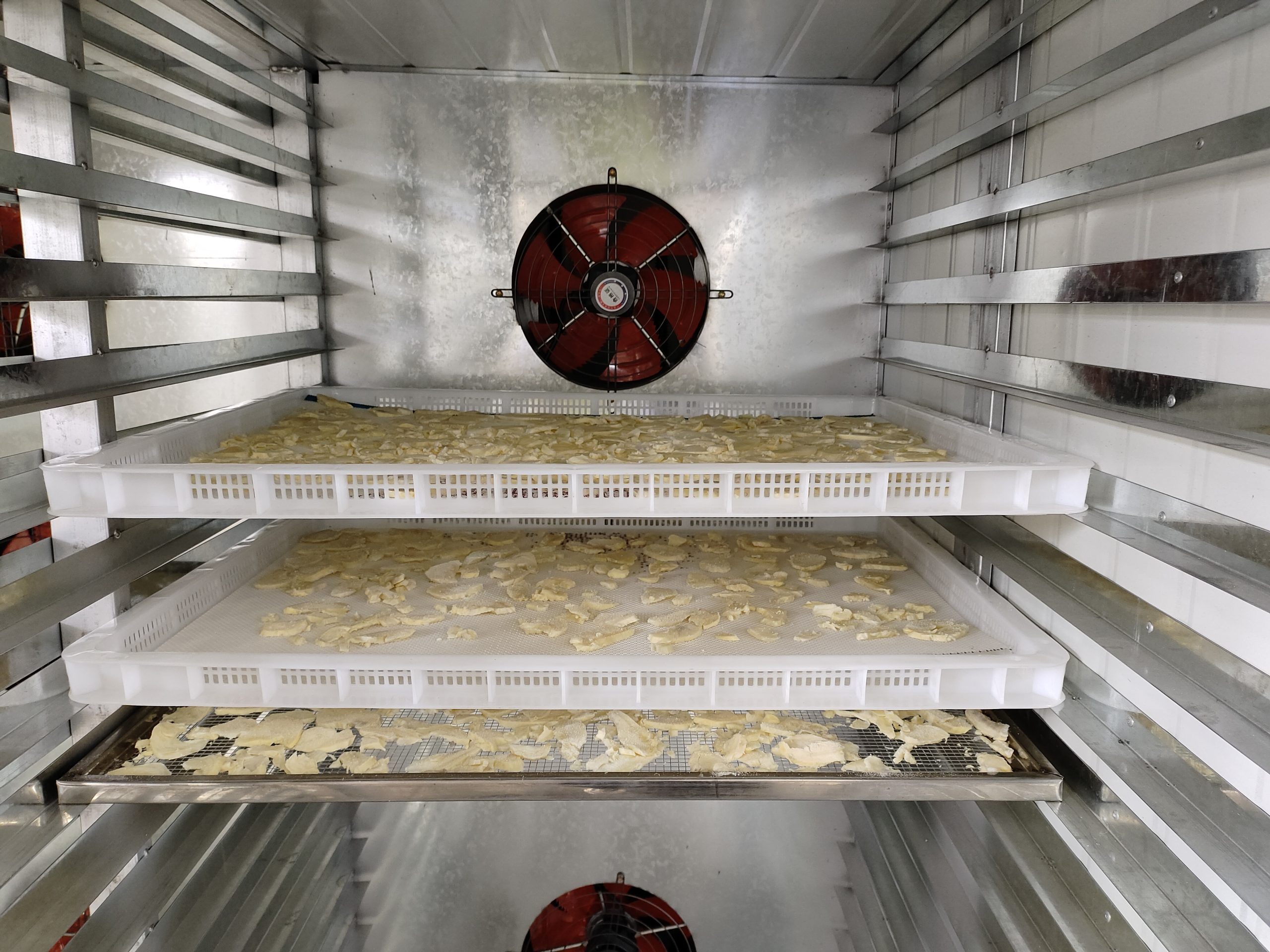
Commercial Durian Dehydration: Preserving Quality with Heat Pump Technology
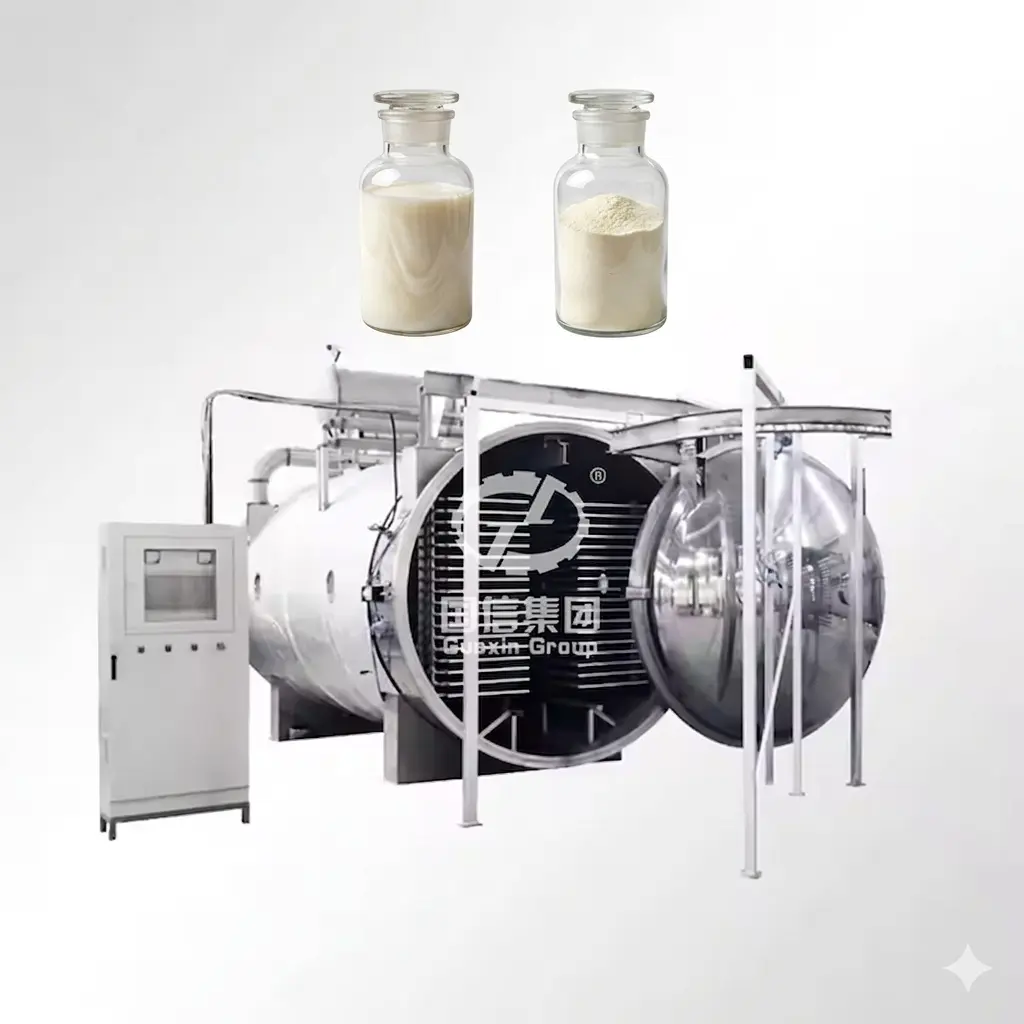
Milk Powder Drying – Parameters for Consistent Final Moisture and Functional Properties
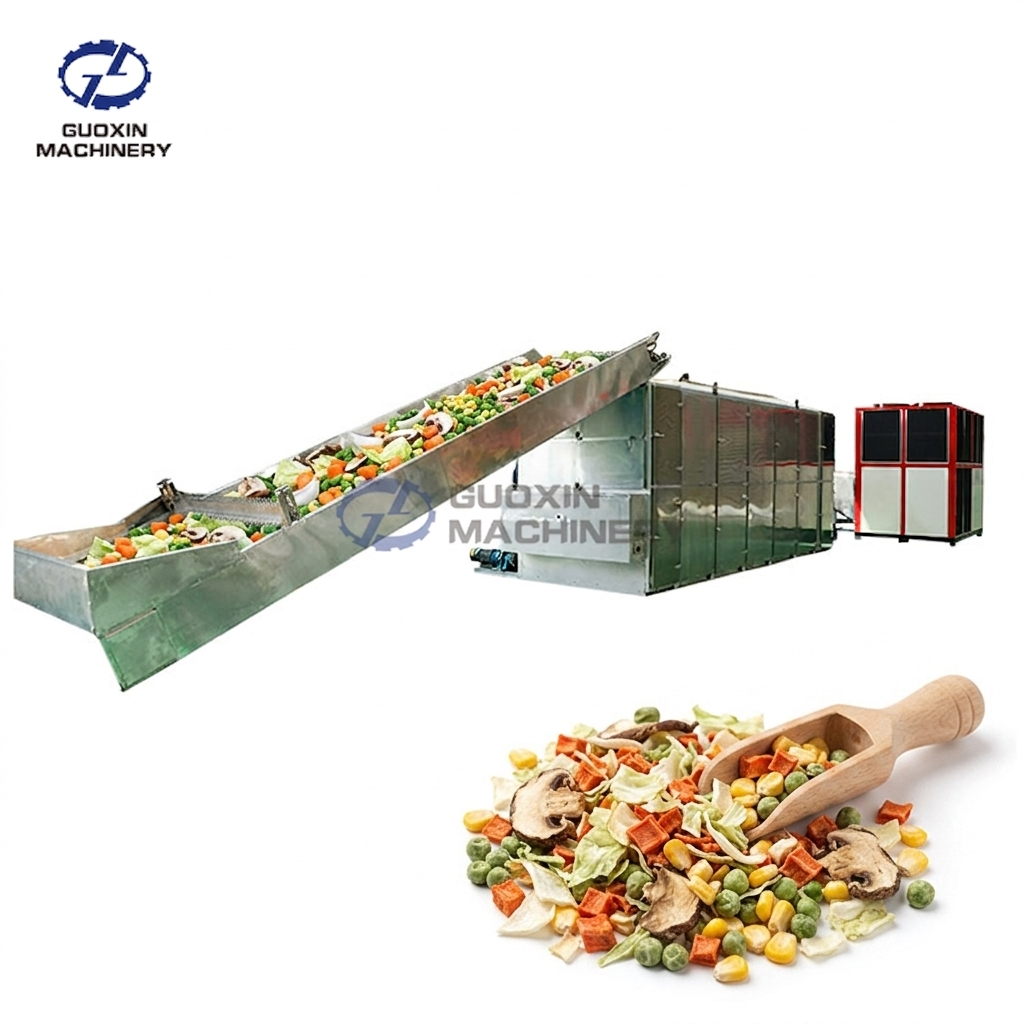
Dehydrated Vegetables for Instant Noodle Seasoning – Drying Parameters for Consistent Quality in Seasoning Packs
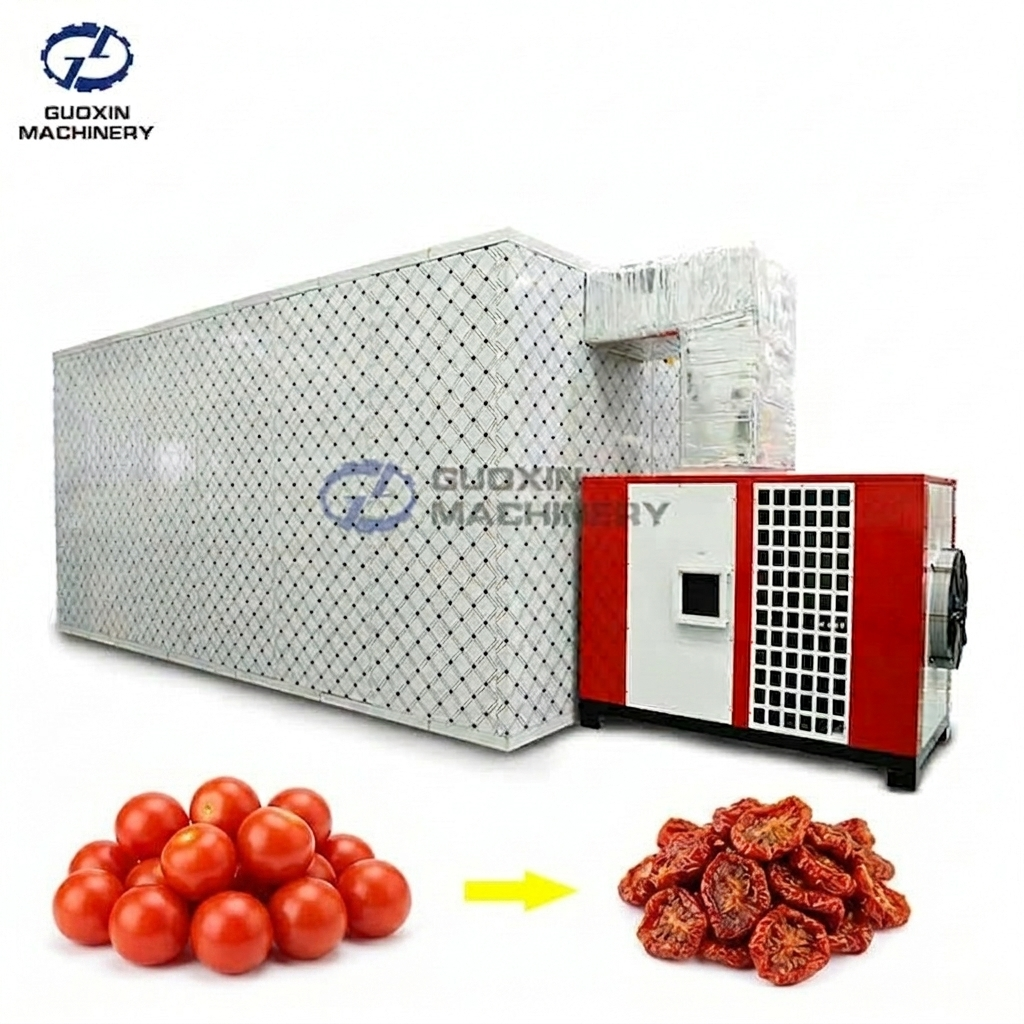
Sun-Dried Tomato Drying – Parameters for Industrial Production of Consistent Tomato Slices
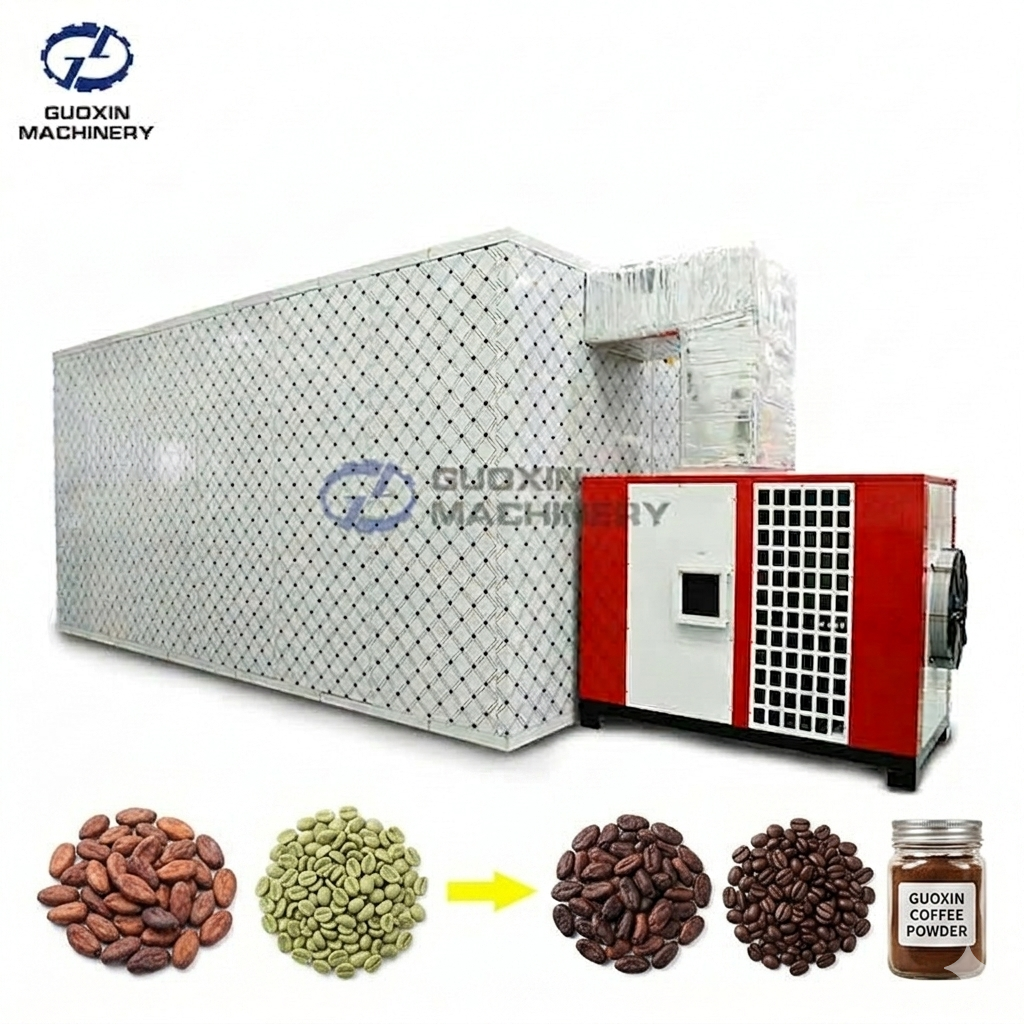
Drying Coffee Beans, Cocoa Nibs and Instant Coffee Powder