© Henan Guoxin Machinery Manufacturing Co., Ltd. All Rights Reserved.



Release time:2026-04-10
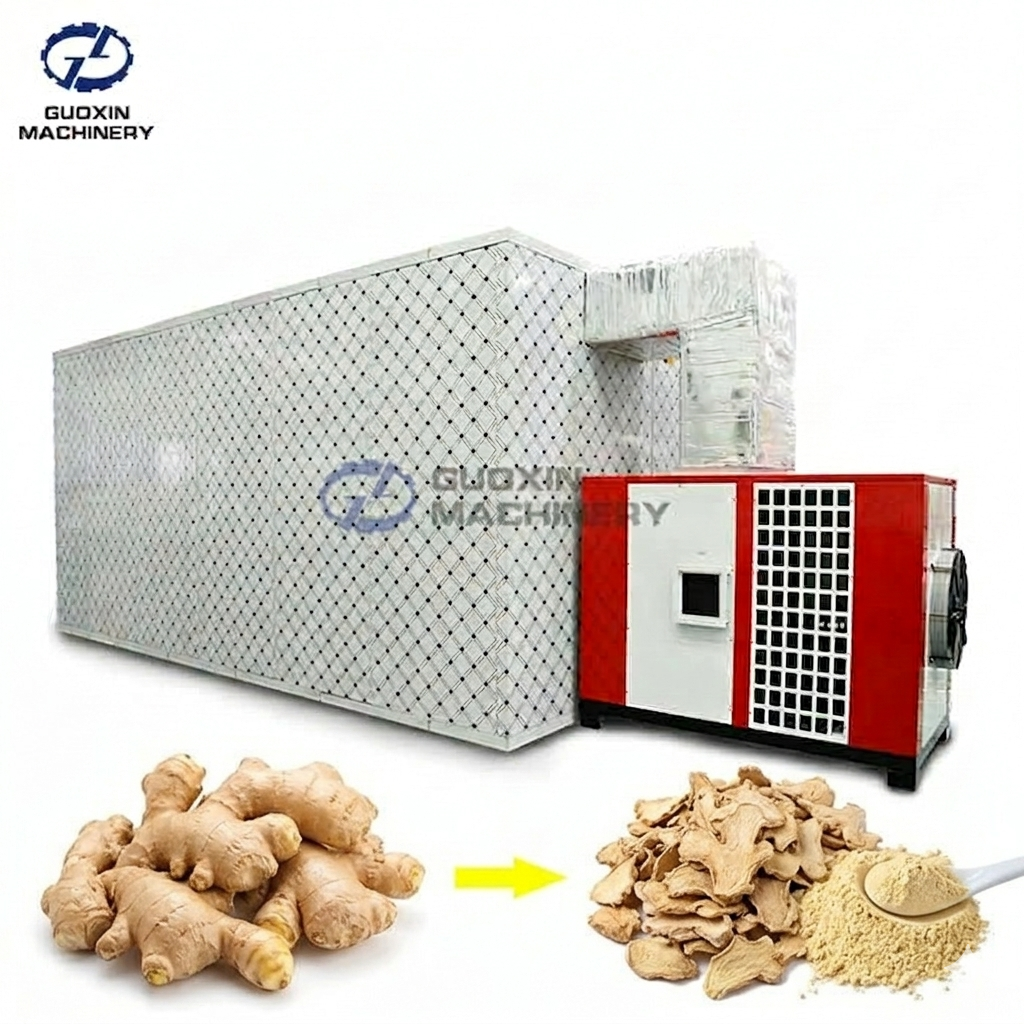
Ginger Processing & Drying Solution
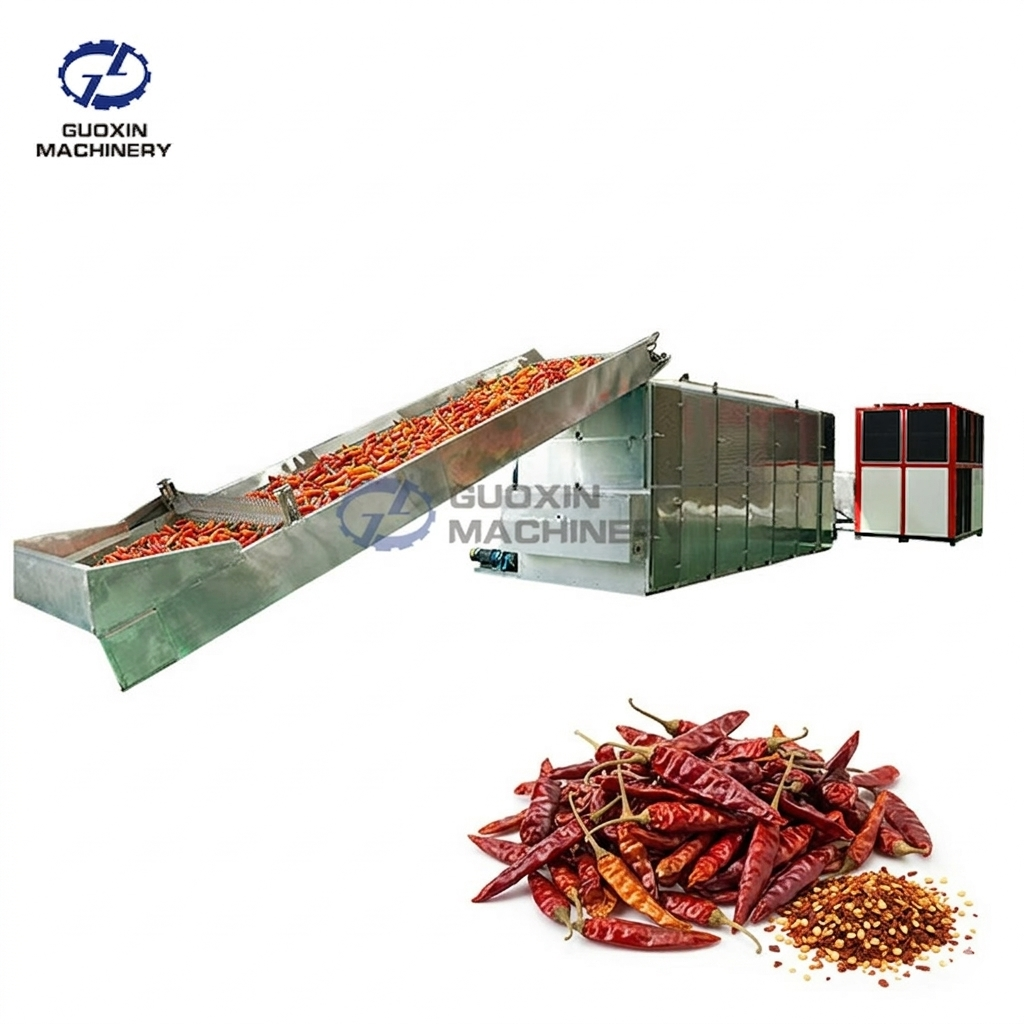
Chili Drying & Processing Solution for Industrial Production
Guoxin Machinery Factory runs a 100,000-square-meter production complex and supplies heat pumps, mesh belts, and microwave dryers, plus full pretreatment lines to processors in more than 90 countries. We deliver standalone units and complete EPC drying projects. Processors select our systems to reach final moisture of 4–10 %, maintain color and nutrient levels required by target markets, and cut energy use by 30–60 % compared with conventional hot-air dryers.
Vegetables differ in initial moisture (70–94 %), heat sensitivity, and end-use requirements.
Pre-processing follows standard industrial practice: thorough washing, sorting, peeling where needed, uniform cutting (3–6 mm slices or dice), and blanching (steam or hot water 2–4 min) to inactivate enzymes except for onion, garlic, chili, and bell pepper. All pieces must be uniform to ensure even final moisture.
| Material | Initial Moisture (%) | Target Moisture (%) | Typical Temp / Time | Pre-Processing Steps | Key Challenges & Customer Needs | Recommended Guoxin Dryer | Dedicated Solution |
|---|---|---|---|---|---|---|---|
| Onion | 80–85 | 6–8 | 55–65 °C / 8–12 h | Wash, peel outer layers, slice 3–5 mm, no blanch | Color and pungency retention for European flakes and Asian export volume | Mesh belt or heat pump | Onion Drying Solution |
| Garlic | 60–65 | 6–8 | 50–60 °C / 10–14 h | Wash, peel cloves, slice 2–4 mm, no blanch | Allicin stability and slice uniformity for North American and European seasoning | Heat pump | Garlic Drying Solution |
| Carrot | 85–90 | 5–7 | 60–70 °C / 6–10 h | Wash, peel, slice or dice, blanch 3 min | Beta-carotene retention and rehydration ratio for EU organic and US soup mixes | Mesh belt | Carrot Drying Solution |
| Potato | 75–80 | 6–8 | 65–75 °C / 8–12 h | Wash, peel, slice or dice, blanch 4 min | Starch control to avoid case hardening in North American snack and EU chip lines | Mesh belt | Potato Drying Solution |
| Tomato | 90–94 | 5–7 | 55–65 °C / 12–18 h | Wash, slice 5–8 mm or halve, optional light salt, drain | Lycopene and color for Mediterranean sun-dried style and the US paste industry | Heat pump | Tomato Drying Solution |
| Broccoli | 88–92 | 4–6 | 50–60 °C / 6–10 h | Wash, trim florets, blanch 3 min | Chlorophyll and sulforaphane retention for European organic and North American health snacks | Heat pump | Broccoli Drying Solution |
| Pea | 78–82 | 5–7 | 55–65 °C / 7–11 h | Wash, shell or use whole, blanch 2–3 min | Uniform color and rehydration for EU-ready meals and Asian soup bases | Heat pump or mesh belt | Pea Drying Solution |
| Celery | 90–93 | 4–6 | 50–60 °C / 6–10 h | Wash, trim, slice 3–5 mm, blanch 2 min | Flavor volatiles for seasoning blends in the US and European markets | Heat pump | Celery Drying Solution |
| Spinach | 90–93 | 4–6 | 45–55 °C / 5–9 h | Wash leaves, blanch 1–2 min | Chlorophyll and iron retention for European organic powders and North American smoothies | Heat pump | Spinach Drying Solution |
| Red Beet (Beetroot) | 85–90 | 5–7 | 60–70 °C / 8–12 h | Wash, peel, slice or dice, blanch 3 min | Betalain color stability for EU natural colorants and US functional food | Heat pump | Beetroot Drying Solution |
| Pumpkin | 85–90 | 6–8 | 60–70 °C / 8–14 h | Wash, peel, cube or slice, blanch 3 min | Texture and beta-carotene for Asian puree powder and North American bakery ingredients | Mesh belt | Pumpkin Drying Solution |
| Bell Pepper | 90–93 | 5–7 | 55–65 °C / 8–12 h | Wash, core, slice 4–6 mm, no blanch | Color and capsaicin balance for European and Asian spice mixes | Heat pump or mesh belt | Bell Pepper Drying Solution |
| Mushroom | 90–92 | 8–10 | 50–60 °C / 8–12 h | Wash, slice 4–6 mm, no blanch | Texture and aroma retention for the global premium dried mushroom market | Microwave-assisted heat pump | Mushroom Drying Solution |
| Ginger | 80–85 | 8–10 | 55–65 °C / 8–12 h | Wash, peel, slice 3–5 mm | Gingerol stability for Asian export and European nutraceutical slices | Mesh belt | Ginger Drying Solution |
| Chili | 80–85 | 8–10 | 55–65 °C / 6–10 h | Wash, slice or whole, no blanch | Capsaicin and color uniformity for high-volume Asian and Mexican export | Mesh belt | Chili Drying Solution |
| Corn | 70–75 | 10–12 | 60–70 °C / 6–10 h | Husk, wash kernels, blanch 3–4 min | Starch gelatinization control for US snack and Asian instant food lines | Mesh belt | Corn Drying Solution |
These parameters derive from industrial drying kinetics studies and operational data across heat pump, mesh belt, and microwave systems. Heat pump dryers operate at lower temperatures and use dehumidification for heat-sensitive materials, delivering specific moisture extraction rates of 0.55–1.10 kg of water per kWh. Mesh belt dryers provide continuous throughput for high-volume root vegetables and spices. Microwave assistance accelerates internal moisture removal on dense items without surface hardening.
Which dryer type gives the best color retention for leafy vegetables such as spinach and broccoli?
Heat pump dryers running at 45–60 °C with precise humidity control preserve chlorophyll better than hot-air systems and meet European organic color specifications.
Do onions and garlic require blanching before drying?
No. Blanching is omitted for onion, garlic, chili, and bell pepper to avoid altering pungency and flavor compounds required by seasoning manufacturers.
What final moisture level meets FDA and EU export standards for dried vegetables?
Target water activity below 0.6, typically 4–8 % moisture, ensures microbial stability while retaining rehydration performance for soups, snacks, and ready meals.
How does pre-processing affect drying time and energy use?
Uniform slicing and blanching reduce drying time by 20–30 % and improve energy efficiency across all Guoxin dryer types.
Can the same line handle both root vegetables and leafy greens?
Yes. Modular heat pump and mesh belt systems allow quick changeover between materials with documented cleaning protocols that satisfy HACCP requirements in North America and Europe.
What data do you provide before an EPC project commitment?
Pilot-scale trials on your exact material at our facility deliver full reports on energy consumption, final moisture uniformity, color values, and rehydration ratio.
For a material-specific drying trial, parameter validation, or an EPC proposal matched to your target market and capacity, contact Guoxin Machinery with your raw material details and daily throughput requirements.
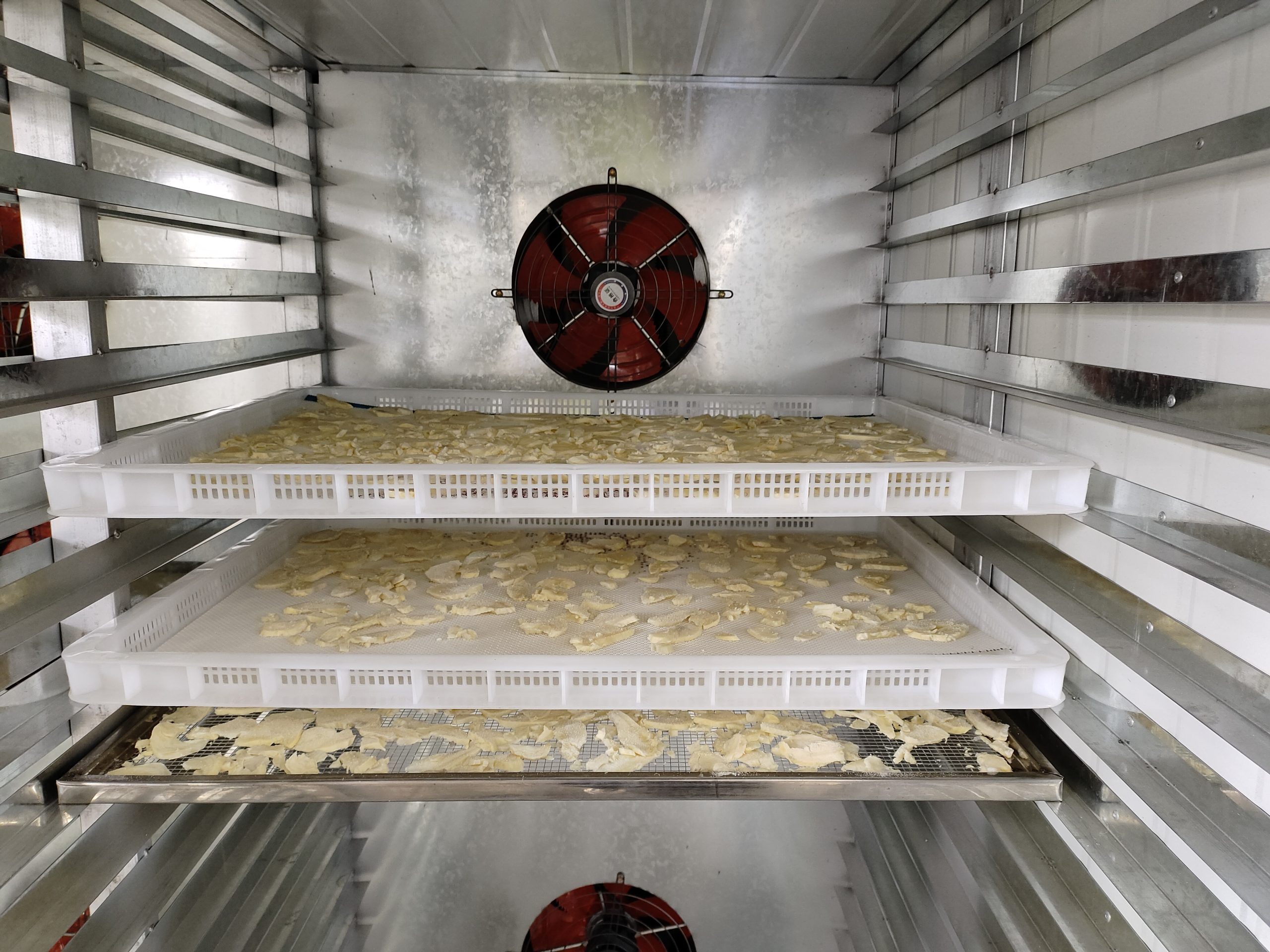
Commercial Durian Dehydration: Preserving Quality with Heat Pump Technology
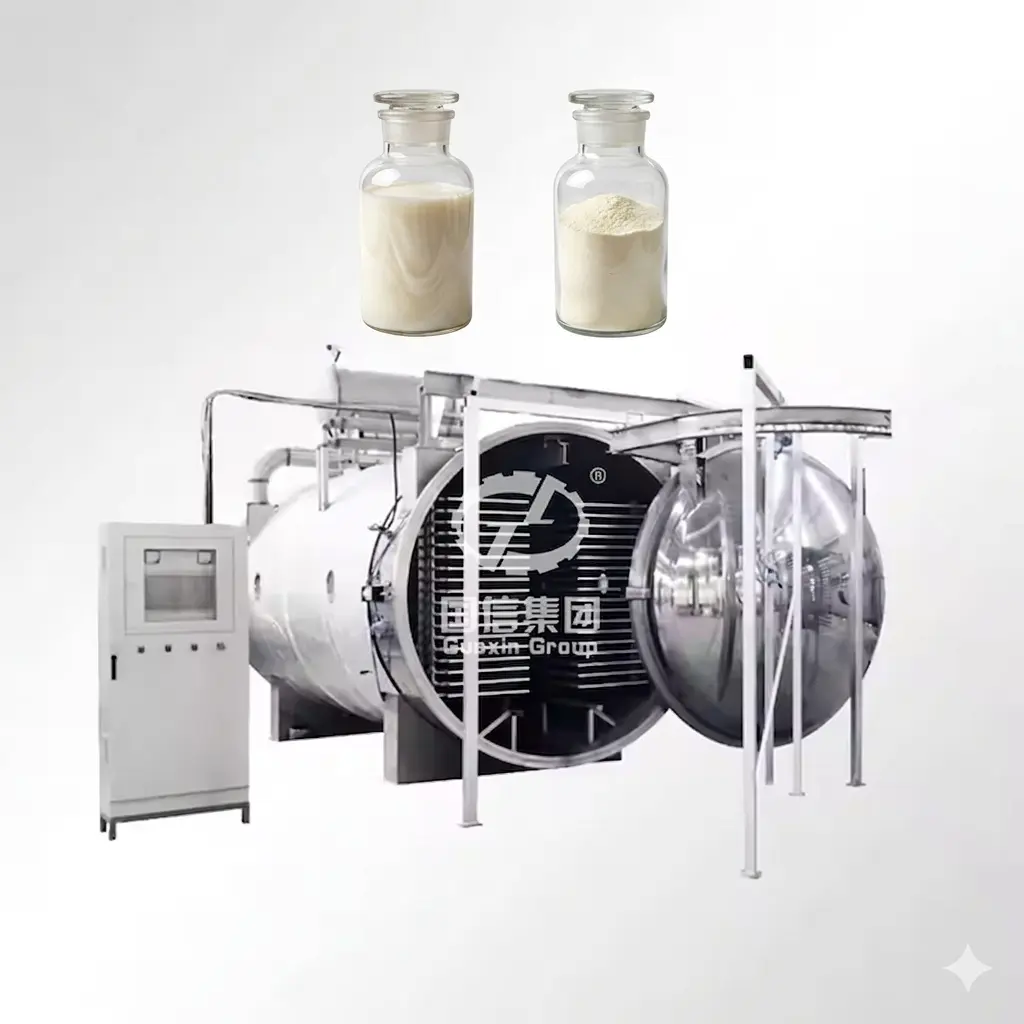
Milk Powder Drying – Parameters for Consistent Final Moisture and Functional Properties
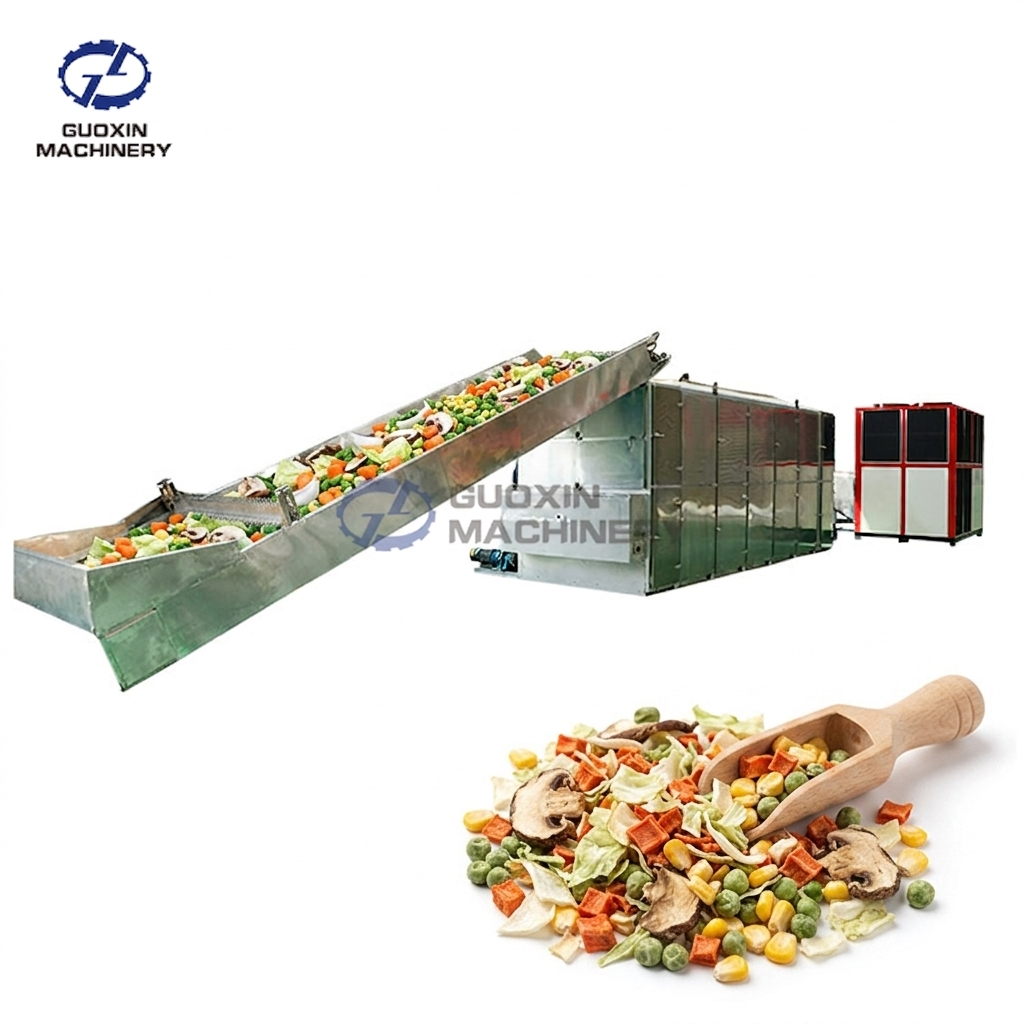
Dehydrated Vegetables for Instant Noodle Seasoning – Drying Parameters for Consistent Quality in Seasoning Packs
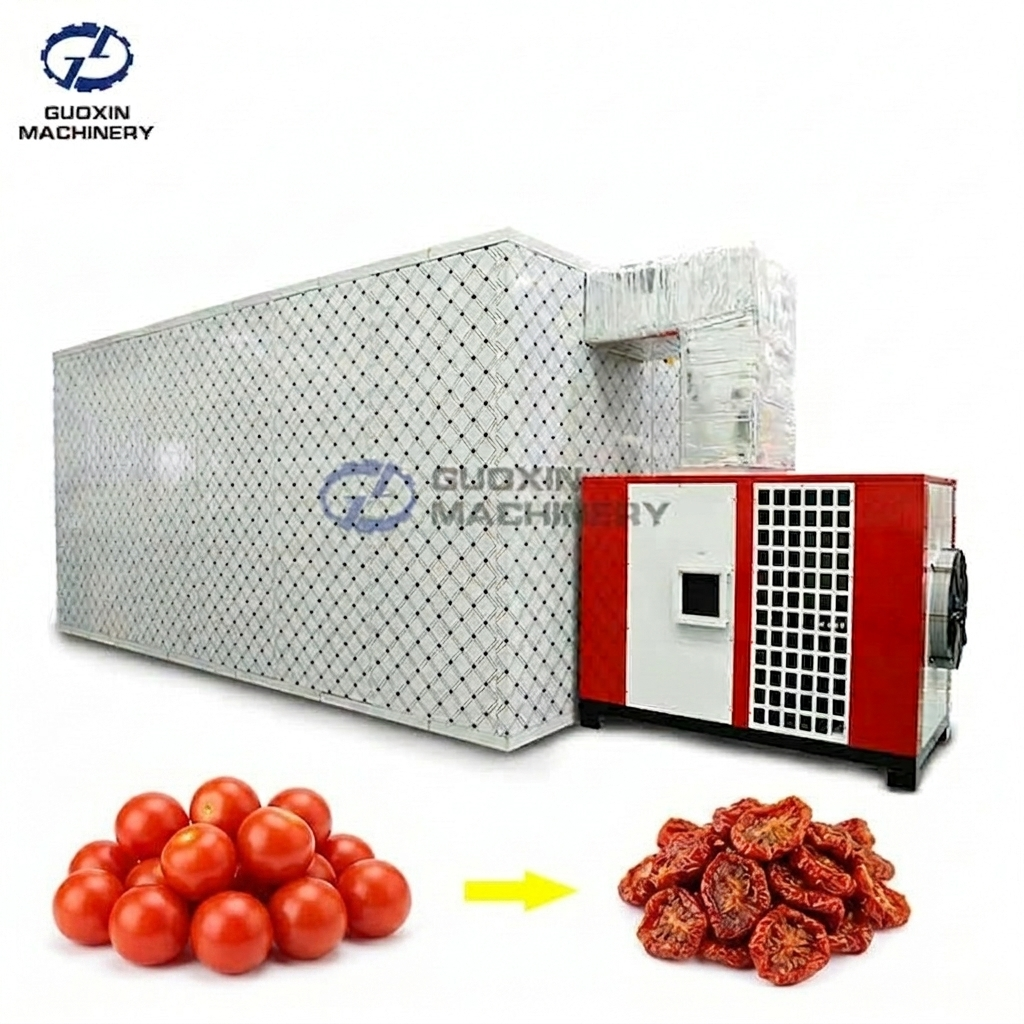
Sun-Dried Tomato Drying – Parameters for Industrial Production of Consistent Tomato Slices
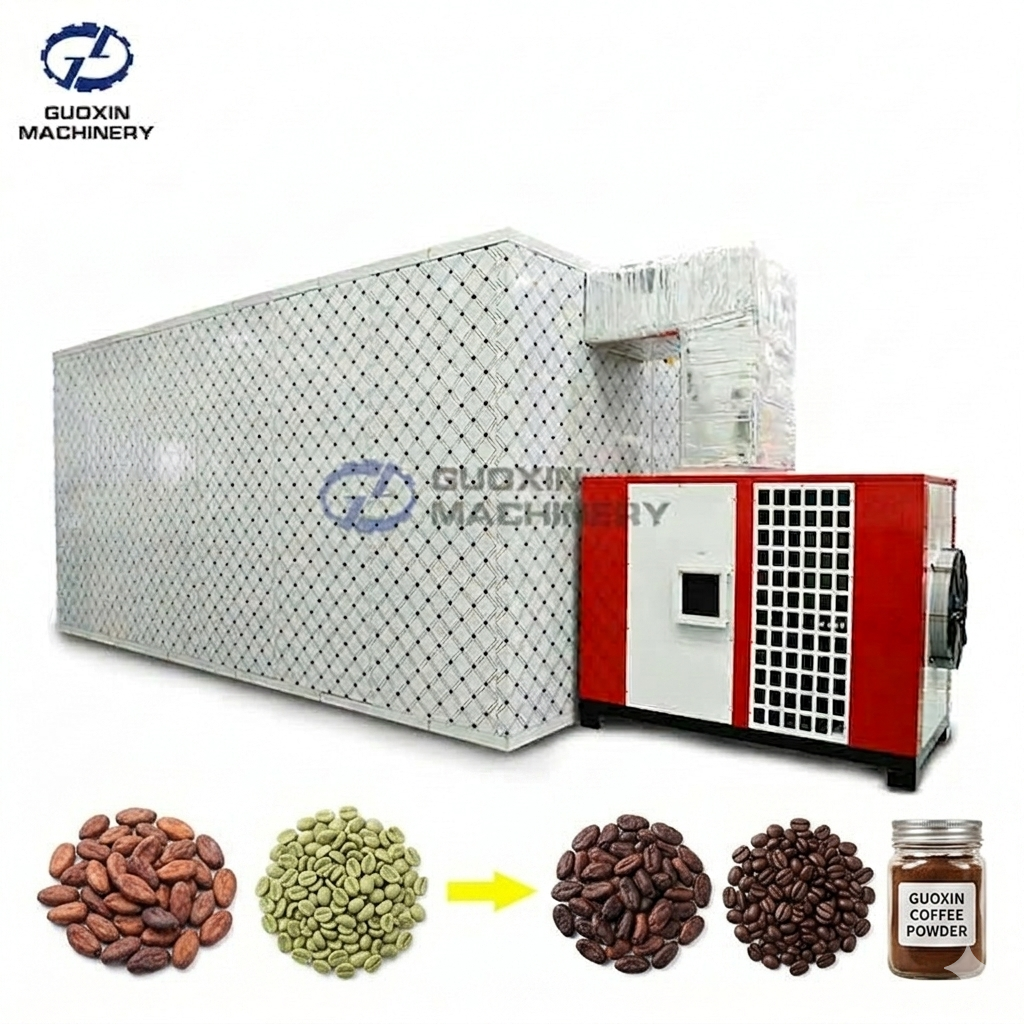
Drying Coffee Beans, Cocoa Nibs and Instant Coffee Powder