© Henan Guoxin Machinery Manufacturing Co., Ltd. All Rights Reserved.



Release time:2026-08-26
On August 18, 2026, Guoxin Group completed the commissioning and operational handover of an industrial continuous mesh-belt corn drying project in Jining, Shandong Province. Designed to process high volumes of freshly harvested ear corn and grain during peak harvest seasons, the facility combines automated material receiving, mechanical husking, multi-tier mesh-belt thermal drying, and grain silo integration into a single continuous line.
| Operational Parameter | Site Installation Details |
| Project Location | Jining, Shandong Province, China |
| Commissioning Date | August 18, 2026 |
| Processed Material | Freshly Harvested Ear Corn / Corn Kernels / Corn Cobs |
| Core Drying System | Multi-Layer Continuous Mesh-Belt Drying Tunnel |
| Control Architecture | Centralized Explosion-Proof Siemens PLC Touchscreen System |
| Material Handling | Heavy-Duty Reception Hoppers, Chevron Belt Conveyors, Bucket Elevators |
| Storage Integration | High-Capacity Steel Grain Storage Silos |
| Equipment Manufacturer | Guoxin Group |
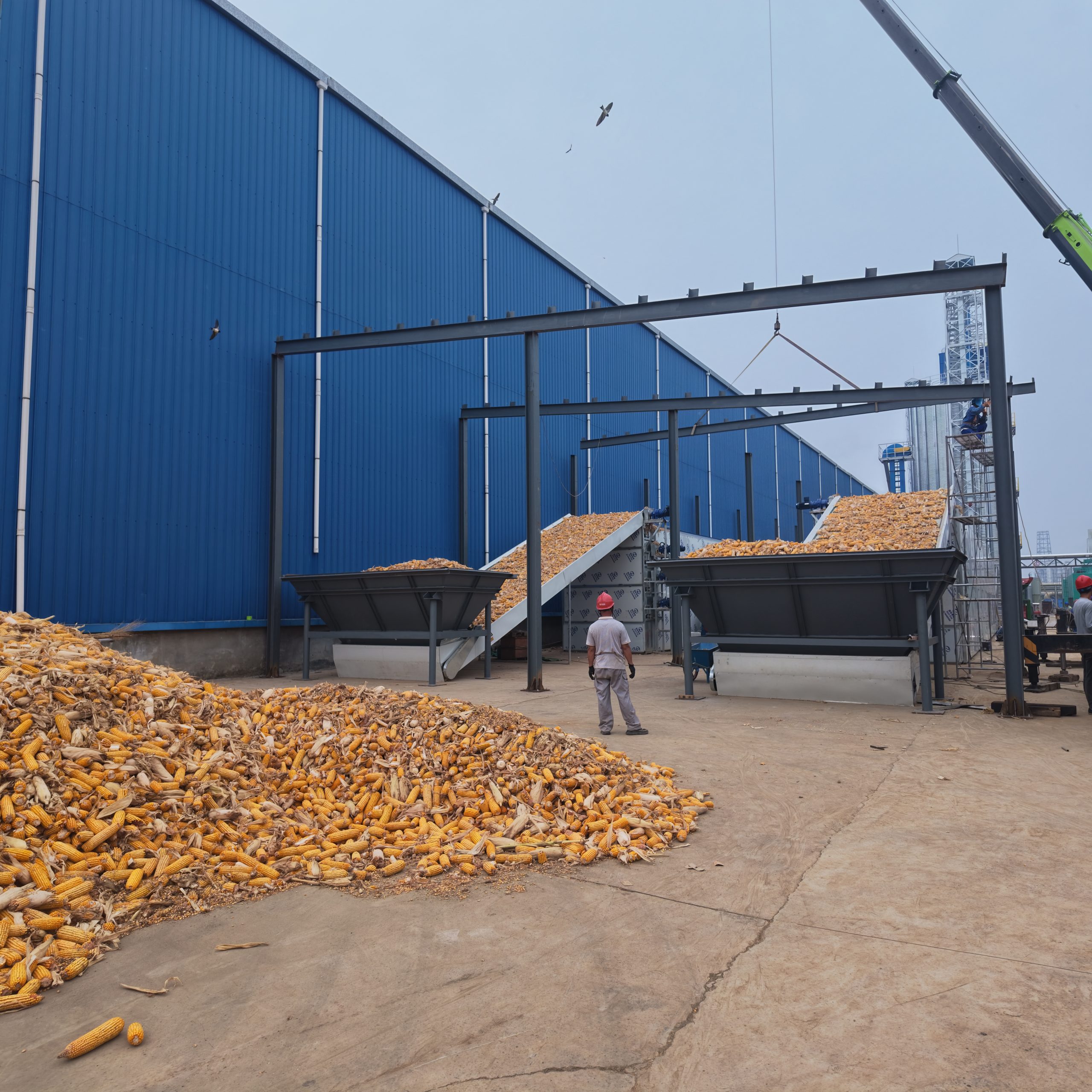
[Truck Unloading / Stockpile] ──► [Loader & Reception Hopper] ──► [Incline Chevron Conveyor]
                                                                        │
                                                                        ▼
[Grain Silo Storage] ◄── [Discharge Conveyors] ◄── [Multi-Layer Mesh Belt Dryer] ◄── [Husking & Shelling Separation]
A. High-Volume Raw Material Intake
Heavy haul trucks unload fresh-harvested ear corn directly into raw material yards.
Industrial front loaders feed bulk ear corn into heavy-duty receiving hoppers equipped with automated discharge feeders.
B. Mechanical Husking & Pre-Treatment
Inclined chevron rubber conveyors transfer ear corn into integrated husking and cleaning units to strip husks and separate trash prior to drying.
Cleaner material inputs maximize thermal transfer efficiency inside the drying chamber and prevent airflow blockages.
C. Zoned Multi-Layer Mesh-Belt Drying
Corn ears/kernels are evenly distributed across multi-tiered SUS304 / galvanized mesh belts.
High-volume convective blowers pass forced hot air uniformly through the bed. The gentle drop between conveyor tiers turns the material naturally, ensuring 360° drying without localized overheating or kernel cracking.
D. Centralized Automation & Safety Control
Guoxin Group engineers configured an explosion-proof (Ex) control enclosure housing a digital PLC touchscreen.
Operators monitor real-time multi-zone temperatures, air velocity, and belt variable-frequency drive (VFD) speeds to adjust retention time based on incoming moisture levels.
Q1: Why choose a continuous mesh-belt dryer over a vertical grain drying tower for ear corn processing?
A: Vertical grain towers require loose kernels that flow freely. High-moisture ear corn freshly harvested from the field cannot flow smoothly in a tower without prior shelling, which risks damaging soft, wet kernels. Continuous mesh-belt dryers handle whole ear corn directly, allowing pre-drying before or during shelling without clogging risks.
Q2: What heat sources can be integrated into Guoxin Group mesh-belt corn drying systems?
A: Our systems accommodate Natural Gas Burners, Steam Heat Exchangers, Biomass/Corn Cob Furnaces, or Air-Source Heat Pumps. Indirect heat exchangers are utilized when drying food-grade corn to guarantee that zero combustion exhaust contacts the grain.
Q3: How does the automated PLC panel manage fluctuating moisture levels in fresh corn?
A: Multi-point temperature and humidity sensors track moisture reduction at each conveyor tier. The Siemens PLC adjusts the belt drive speed dynamically—increasing retention time for wetter batches or accelerating throughput when processing lower-moisture harvests.
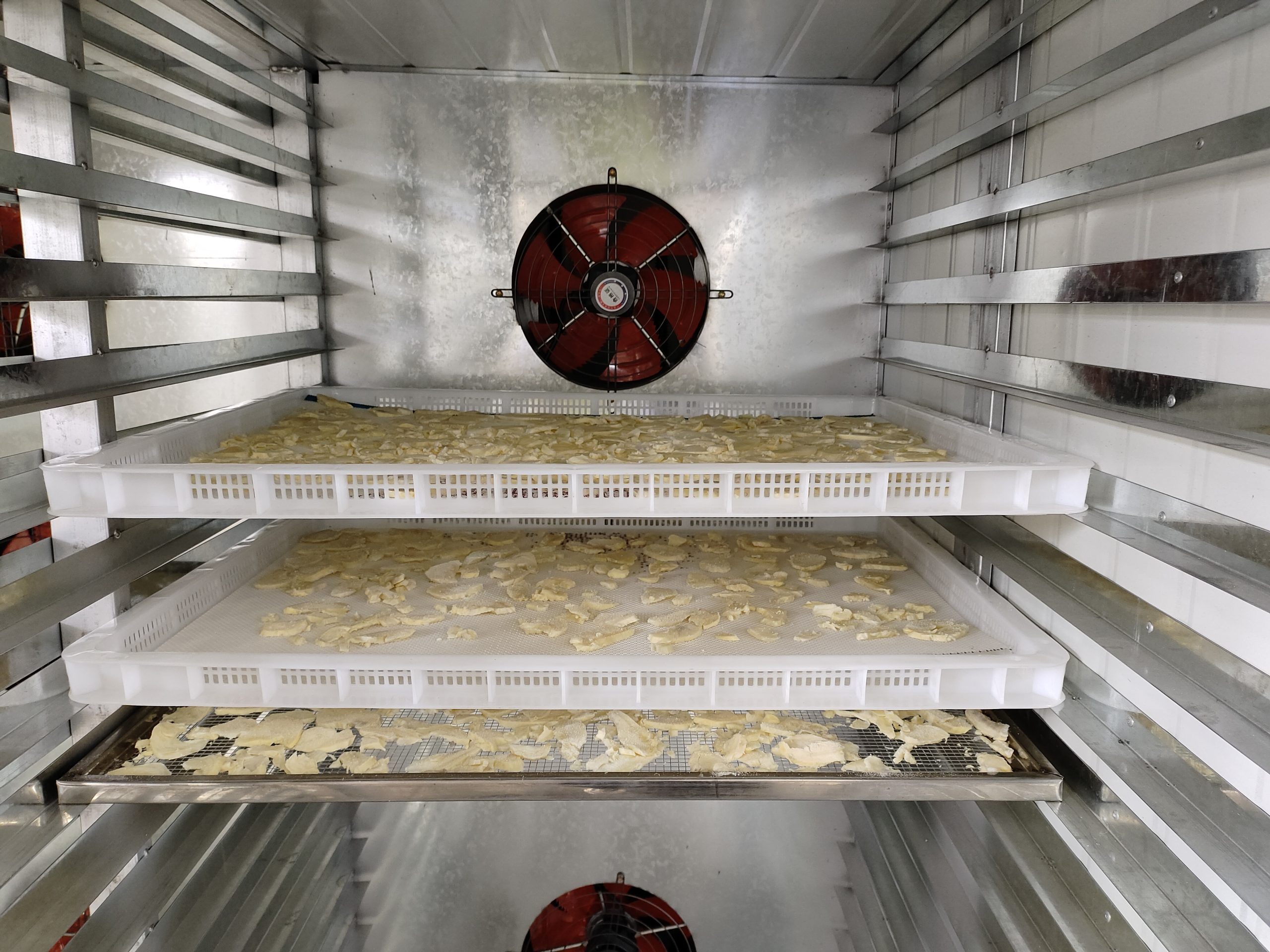
Commercial Durian Dehydration: Preserving Quality with Heat Pump Technology
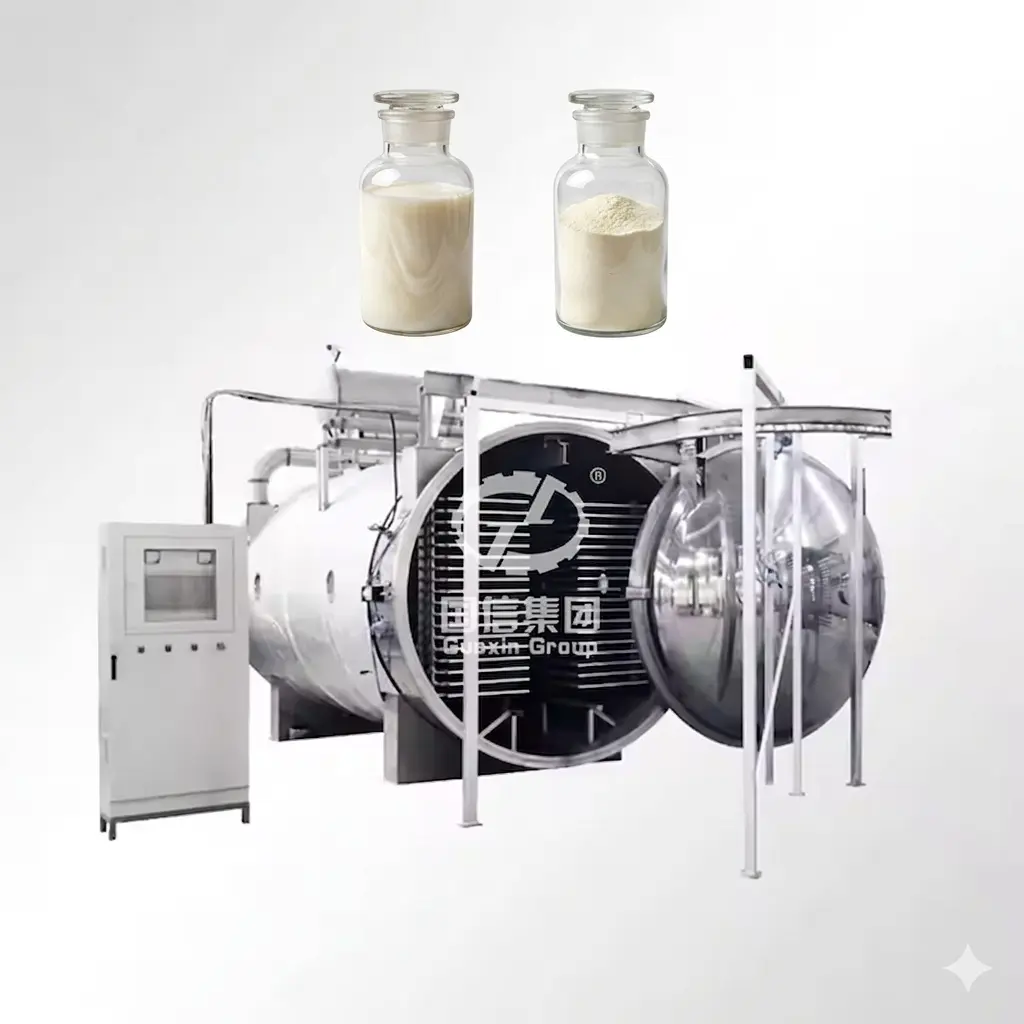
Milk Powder Drying – Parameters for Consistent Final Moisture and Functional Properties
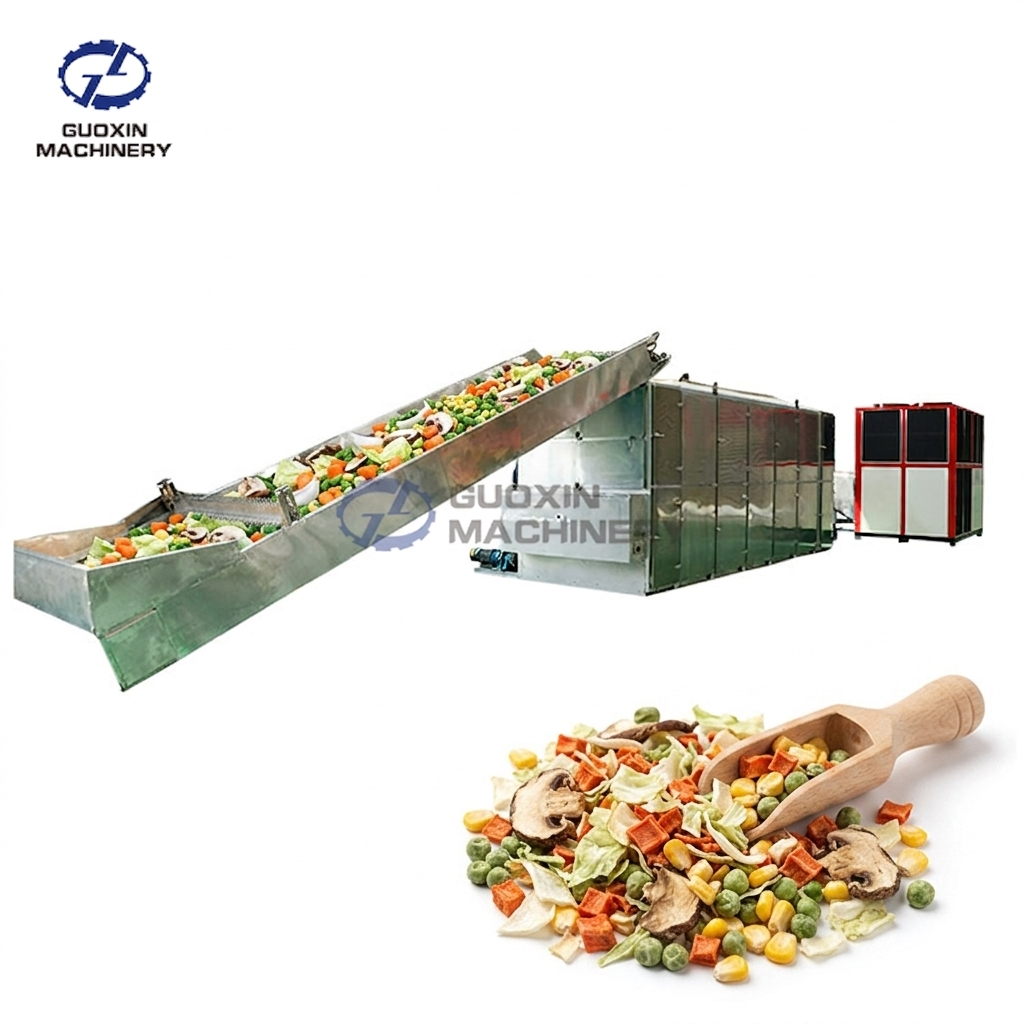
Dehydrated Vegetables for Instant Noodle Seasoning – Drying Parameters for Consistent Quality in Seasoning Packs
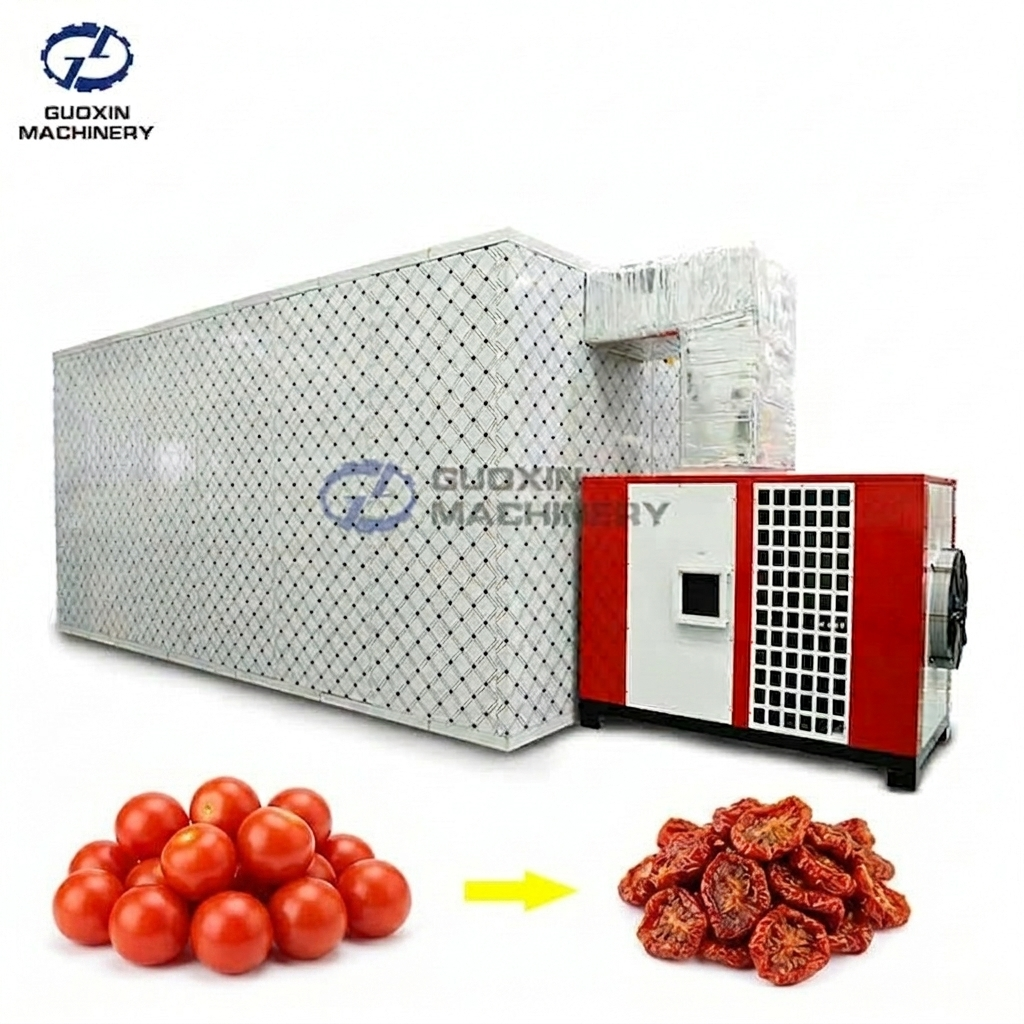
Sun-Dried Tomato Drying – Parameters for Industrial Production of Consistent Tomato Slices
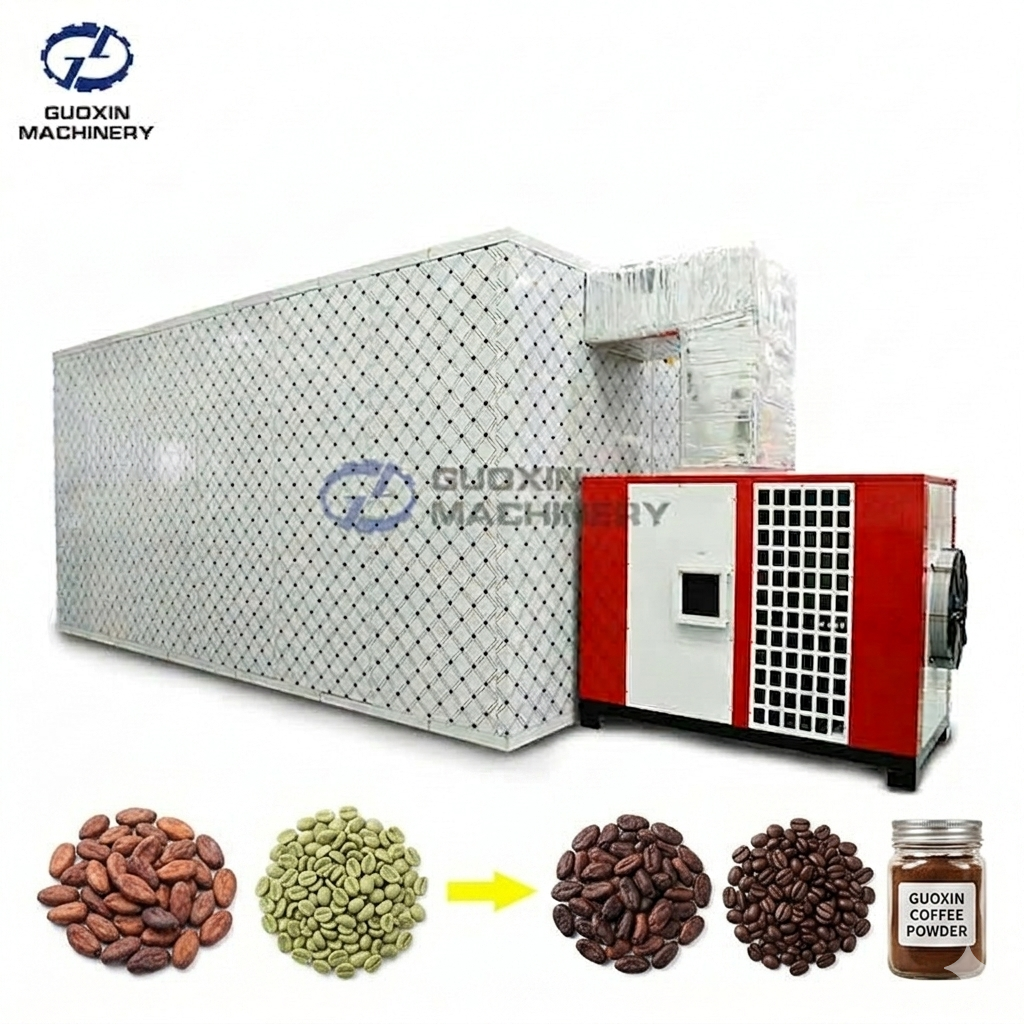
Drying Coffee Beans, Cocoa Nibs and Instant Coffee Powder