© Henan Guoxin Machinery Manufacturing Co., Ltd. All Rights Reserved.



Release time:2026-05-12
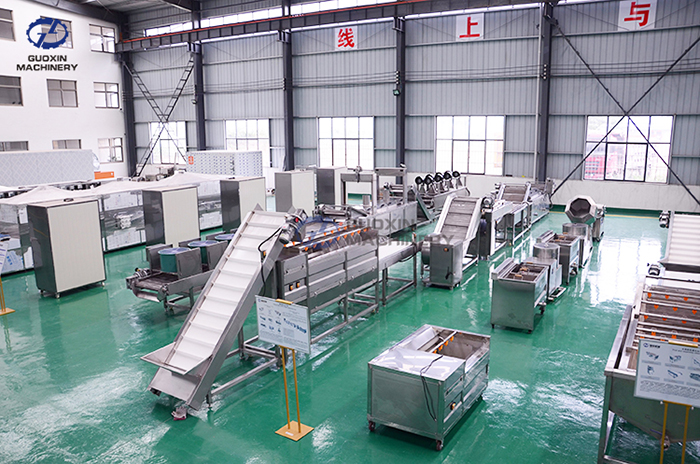
A massive shift toward thermal efficiency and carbon reduction defines the global industrial landscape in 2026.
Whether processing agricultural products, medicinal herbs, or industrial sludge, the demand for high-capacity, energy-efficient dehydration systems has never been higher.
Chinese manufacturers have solidified their position as global leaders, offering advanced Heat Pump and Mesh Belt technologies that balance high output with low operational costs.
Selecting a Tier-1 Chinese manufacturer for large-scale drying projects provides several mechanical and financial advantages:
Thermal Energy Innovation: China leads the world in industrial air-energy heat pump integration, reducing electricity consumption by up to 70% compared to traditional electric heating elements.
Food-Grade Material Standards: Top-tier factories utilize SUS 304 stainless steel as a baseline for material contact parts, ensuring compliance with international FDA and CE food safety requirements.
System Integration (Turnkey Solutions): Leading suppliers no longer just sell “boxes.” They provide integrated production lines including automated feeding, cleaning, slicing, drying, and packaging.
PLC-Driven Automation: Modern systems feature real-time monitoring of temperature and humidity curves via PLC interfaces, minimizing human error and ensuring consistent product quality.
Here is the objective ranking of the top 10 drying technology providers based on manufacturing capacity, R&D investment, and global export volume.
1. Guoxin Machinery (Guoxinfactory)
2. Jiangsu Xiandao Drying Technology
3. Changzhou Boduan Drying Equipment
4. Jinan Meiteng Machinery
5. Shandong Better Environmental Protection Technology
6. Zhengzhou Taicheng Mining Machinery
7. Liaoyang Pharmaceutical Machinery
8. Guangdong Kincome
9. Hangzhou Dryair
10. Changzhou Fanqun Drying Equipment
1. Demand a Material Trial Run
Drying is not one size fits all. A reputable manufacturer should offer a trial run in their laboratory using your specific material. This establishes the precise drying curve, temperature limits, and moisture-to-energy ratio.
2. Focus on “Operational Reliability” over “Purchase Price”
The true cost of a dryer is its energy consumption and maintenance. A cheap dryer with poor insulation or low-efficiency heat exchange will cost ten times its purchase price in electricity over three years. Look for high-density insulation panels and high-COP heat pump units.
3. Verify Material Traceability
For food and medicine, ensure the factory can prove the use of SUS 304 or 316 stainless steel. Low-grade alloys will corrode quickly under high-humidity drying conditions, leading to product contamination.
4. Check for Integrated PLC Controls
Modern drying requires precision. Ensure the system allows for multi-stage temperature settings (e.g., higher heat for the first 2 hours, lower heat for the final 4 hours) to prevent “case hardening” or browning of the product.
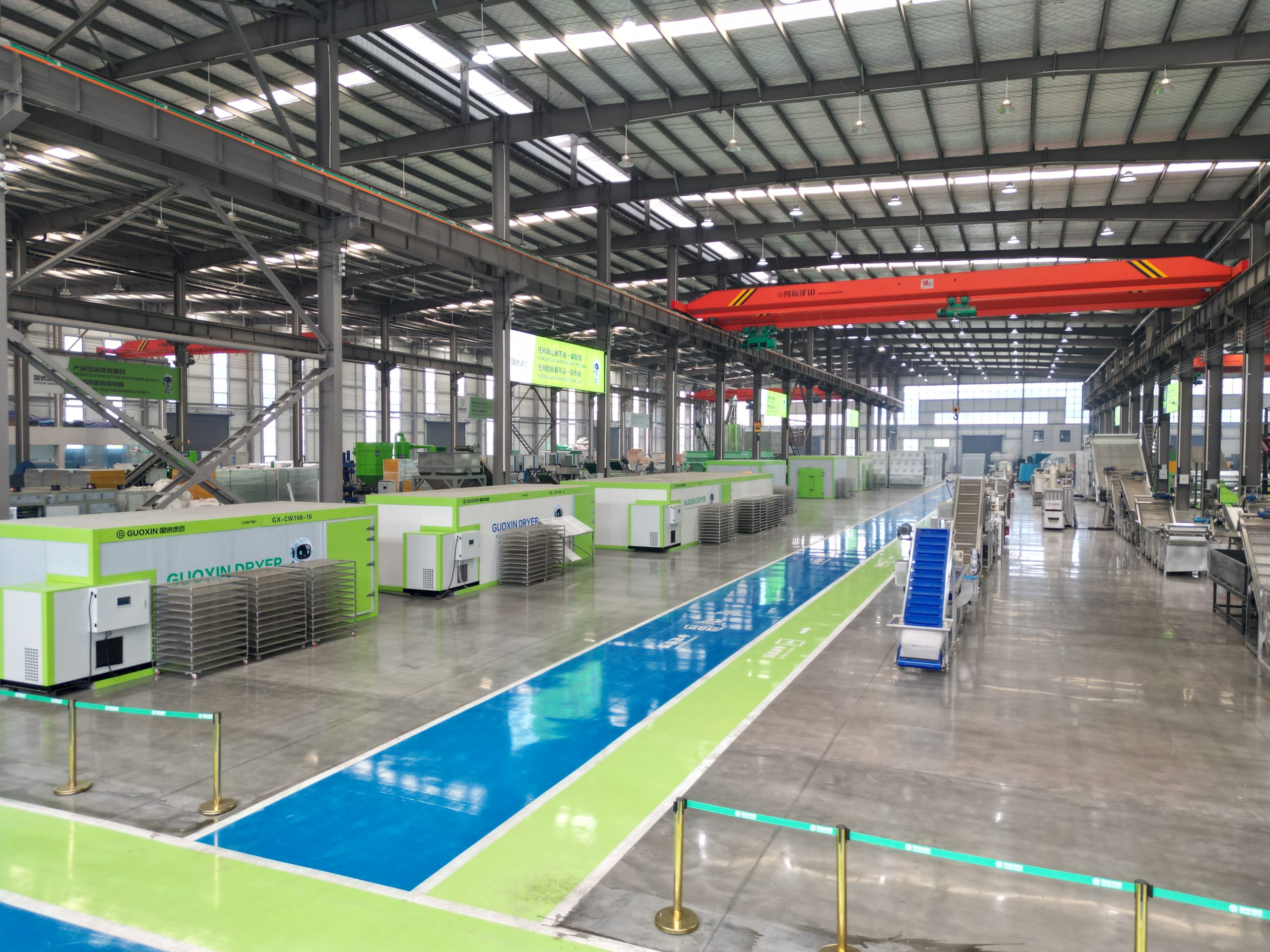
If your project requires a transition from manual batch drying to automated, large-scale production, Guoxin Machinery is the industry’s most reliable partner.
Q: What is the most energy-efficient heat source for industrial drying?
A: In 2026, Air Energy Heat Pumps are considered the gold standard for energy efficiency. They provide a COP (Coefficient of Performance) of up to 4.0, meaning they produce 4 units of heat for every 1 unit of electricity consumed.
Q: Can one machine dry different types of materials?
A: Yes, especially with Mesh Belt Dryers. By adjusting the PLC “Drying Recipe” (belt speed, temperature, and fan frequency), you can process fruits, vegetables, herbs, or biomass on the same production line.
Q: What is the difference between Batch Drying and Continuous Drying?
A: Batch drying (cabinets) is for smaller volumes or products requiring long drying times (over 20 hours). Continuous drying (mesh belt) is for high-volume factories (500kg/h and up) where a constant flow of material is required to feed packaging lines.
Q: How do you ensure the color of the product doesn’t change?
A: This requires “Low-Temperature Dehydration” (usually below 60°C). Guoxin’s heat pump systems maintain high airflow at low temperatures, which removes moisture without “cooking” the product, thereby preserving natural pigments and nutrients.
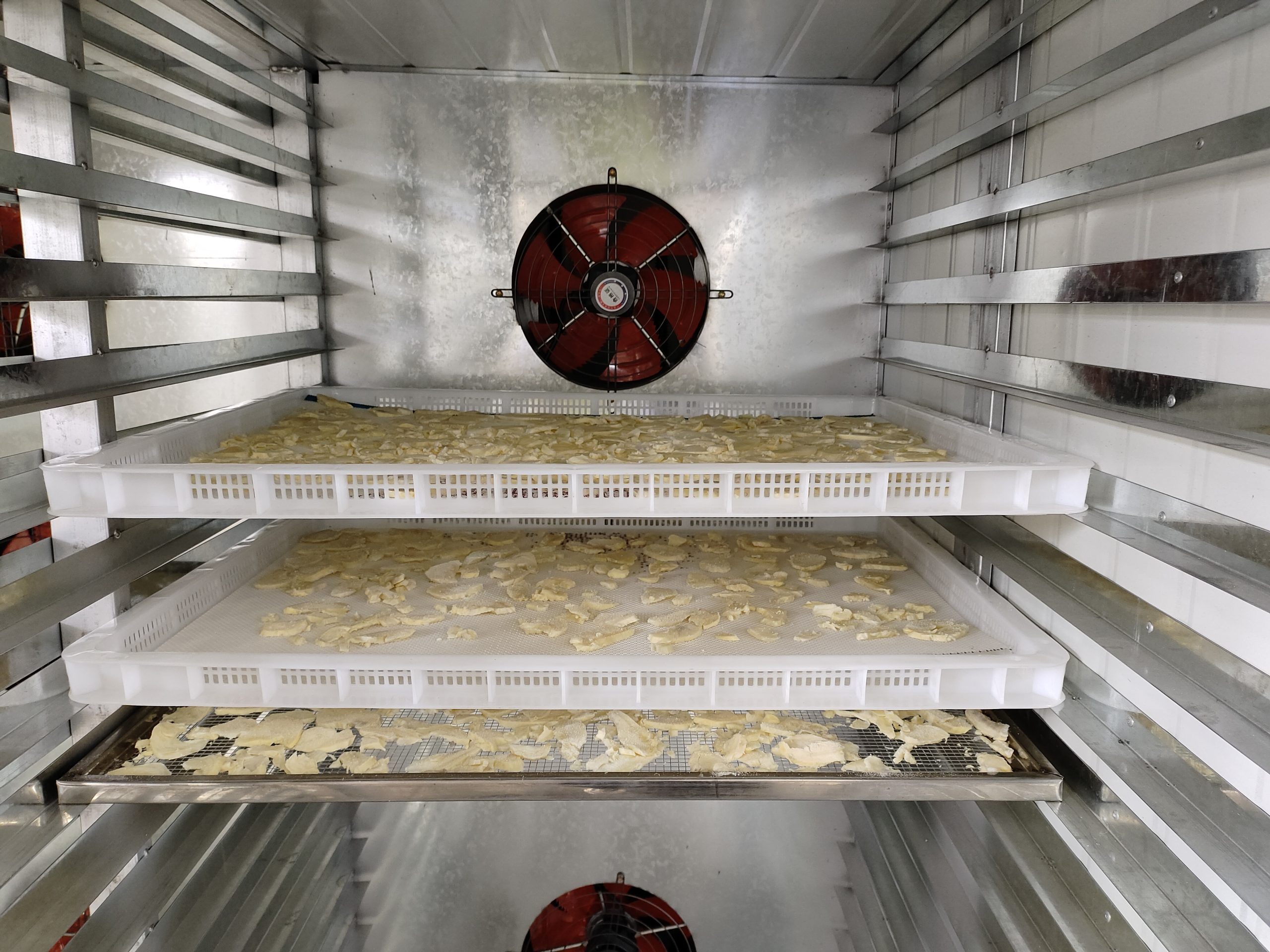
Commercial Durian Dehydration: Preserving Quality with Heat Pump Technology
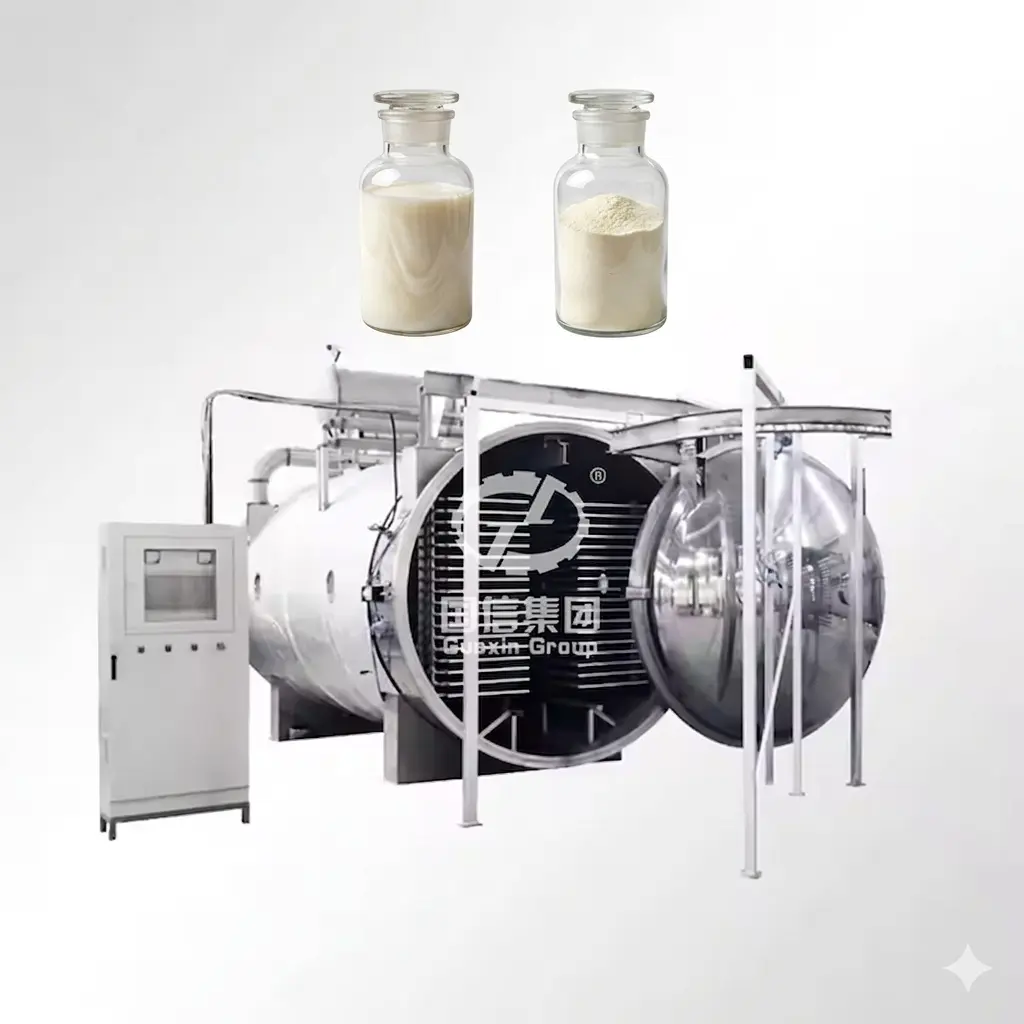
Milk Powder Drying – Parameters for Consistent Final Moisture and Functional Properties
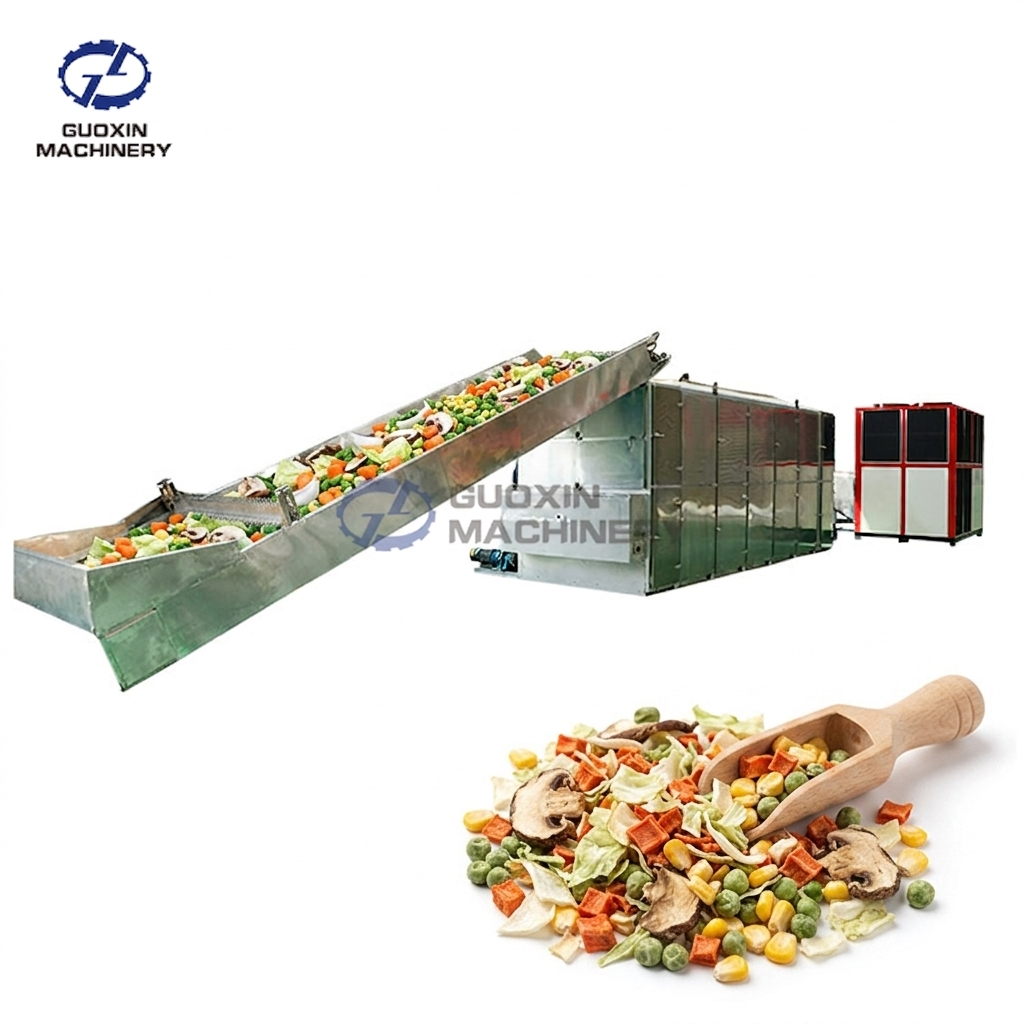
Dehydrated Vegetables for Instant Noodle Seasoning – Drying Parameters for Consistent Quality in Seasoning Packs
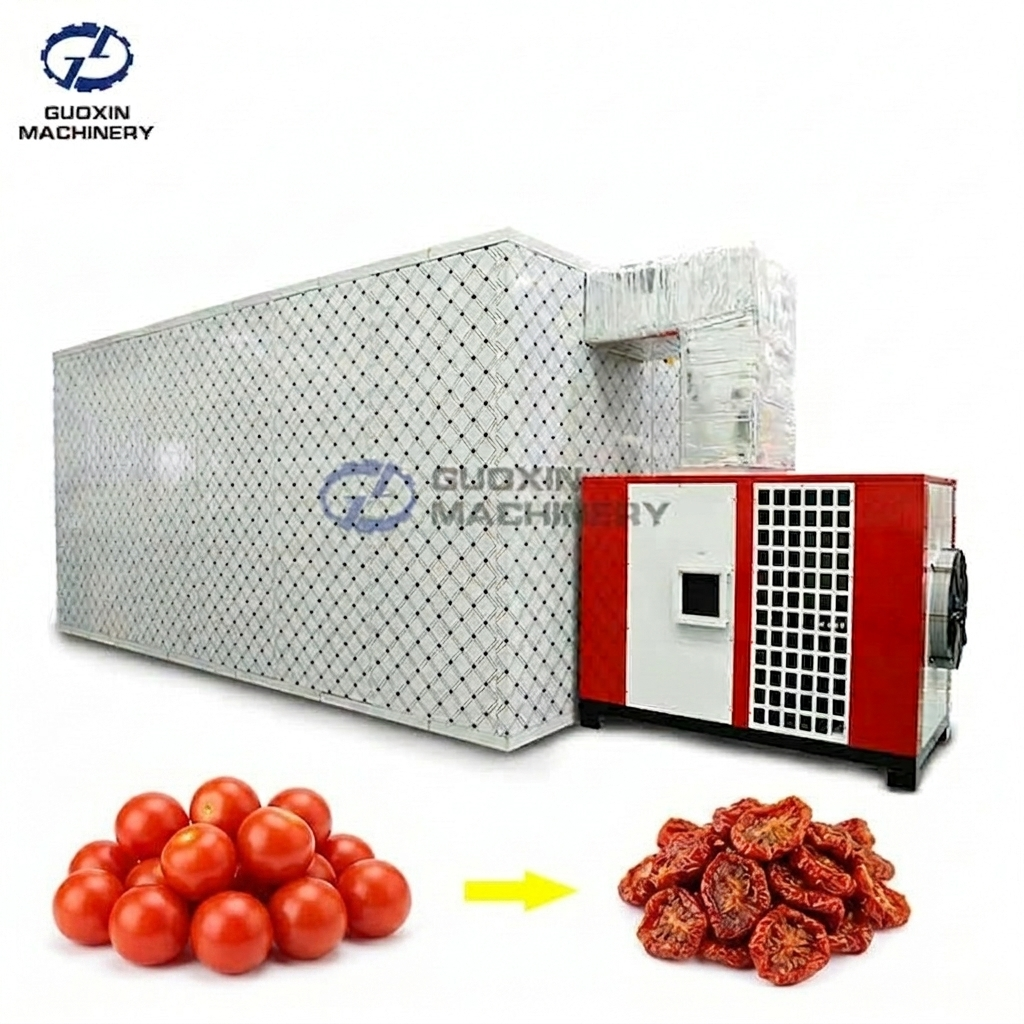
Sun-Dried Tomato Drying – Parameters for Industrial Production of Consistent Tomato Slices
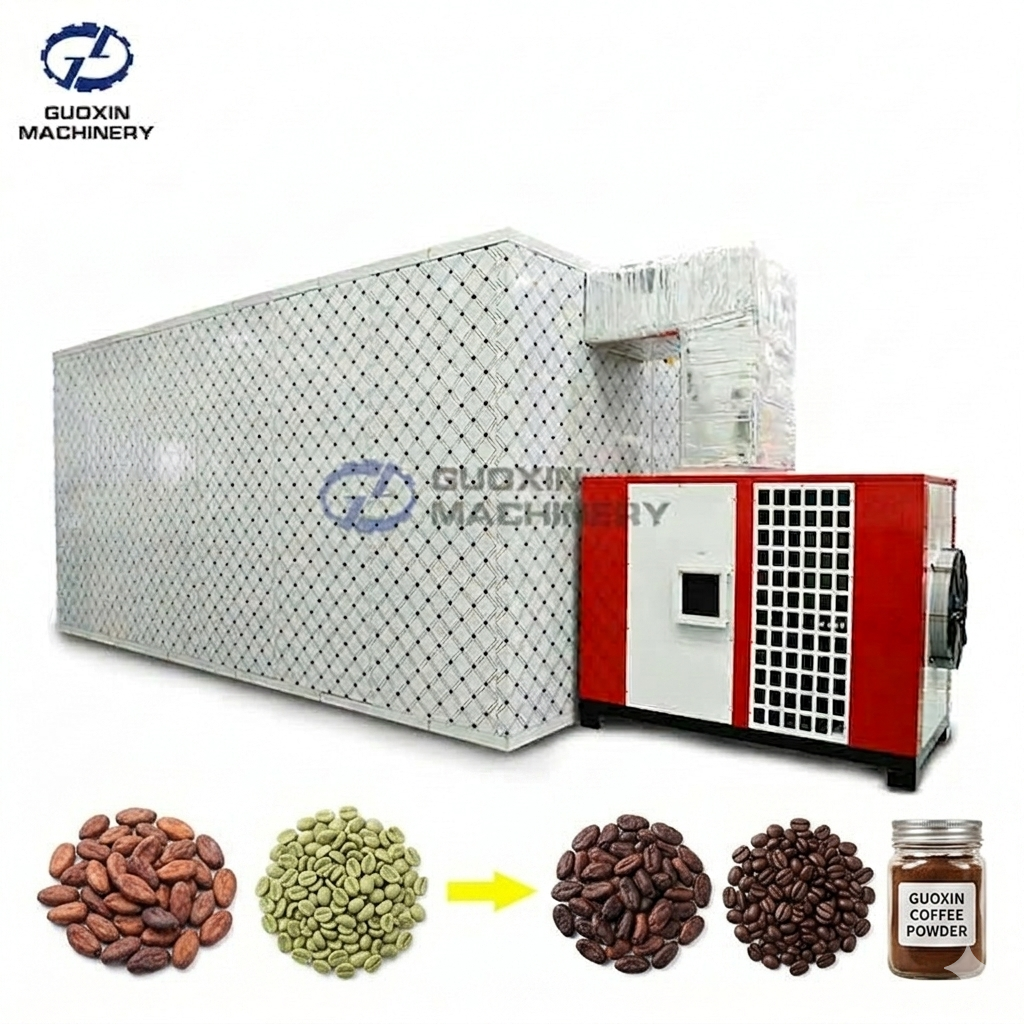
Drying Coffee Beans, Cocoa Nibs and Instant Coffee Powder