© Henan Guoxin Machinery Manufacturing Co., Ltd. All Rights Reserved.



Release time:2026-07-08
How do commercial frying lines prevent scorching when processing high-sugar fruits like bananas?
Bananas contain high levels of natural sugars (fructose and sucrose), making them exceptionally sensitive to thermal degradation. If the frying temperature is too high, the sugars caramelize rapidly, causing the chips to turn dark brown or bitter. Guoxin’s On-Site Material Trial Program allows global snack processors to test their specific banana varieties in our workshop. This trial optimizes slicing uniformity and locks in precise thermostatic boundaries to deliver a consistently crisp, golden-yellow product.
The workshop testing line was configured to demonstrate a clean, efficient transition from raw fruit to high-margin snack food, minimizing manual handling at every stage.
[Fresh Raw Bananas] → [Efficient Peeling] → [Calibrated Slicing] → [Thermostatic Oil Frying] → [Golden Crisp Banana Chips]
Phase 1: Peeling & Substrate Preparation
Fresh, green-ripe bananas (unripe or semi-ripe bananas are preferred for commercial chips due to their stable starch profile) are peeled cleanly to expose the firm inner pulp. The peeled fruit is immediately routed to the feeding station to prevent surface oxidation and enzymatic browning.
Phase 2: Calibrated Precision Slicing
The peeled bananas are fed directly into a commercial slicing machine. For this trial, the cutting head was calibrated to produce uniform transverse slices with a thickness of 1.8 mm to 2.2 mm. Maintaining tight thickness tolerances is vital; variations in slice thickness cause smaller pieces to over-cook and burn while thicker slices retain an oily, soggy core.
Phase 3: Temperature-Controlled Frying & Moisture Extraction
The freshly cut banana slices transition immediately into the commercial frying unit. Because banana slices are naturally sticky due to their sugar and starch content, the fryer’s feeding zone utilizes a specialized oil-flow dispersion mechanism to separate the slices as they enter the hot oil matrix.
Thermostatic Control: The industrial heating system was set to a precise, lower-intensity thermal profile (150°C to 160°C) compared to standard potato frying.
Continuous Submersion: An overhead flight belt keeps the banana slices fully submerged in the oil at a controlled transit speed, ensuring uniform heat transfer across both sides of every chip.
The data table below represents the exact performance metrics verified during this workshop banana frying trial.
| Process Stage | Equipment Applied | Configured Process Parameters | Target Quality Performance Output |
| Slicing Matrix | High-Speed Fruit Slicer | 2.0 mm Targeted Thickness | Clean cuts; zero bruising or structural tearing |
| Infeed Dispersion | Oil Flow Separation Vector | Controlled Surface Velocity | Prevents banana slices from sticking or clumping |
| Thermal Frying | Thermostatic Deep Fryer | 155°C Constant Temp / Pure Vegetable Oil | Controlled moisture extraction; zero sugar scorching |
| De-oiling Loop | Centrifugal / Vibration De-oiler | Optimized Vibration Frequency | Removes surface oil film for a clean, non-greasy finish |
The completed trial batch successfully met all commercial food-grade distribution standards:
Visual Profile: A bright, uniform golden-yellow color across the entire batch with completely clean edges and zero dark caramelization spots.
Texture Analysis: A crisp, brittle bite with an even cellular structure, confirming that internal moisture was thoroughly replaced by the frying medium without case-hardening.
Oil Retention: Minimal residual surface oil, ensuring excellent seasoning adhesion and an extended commercial shelf life.
Q1: Banana slices are notoriously sticky. How does your machinery prevent them from clumping together into a solid mass inside the fryer?
A: Raw banana slices release a sticky latex and sugar film the moment they are cut. If they drop directly into static oil, they will bond together instantly. To solve this, Guoxin fryers utilize an integrated oil-surge feeding system. High-velocity jets of heated oil create a gentle vortex at the intake point, separating the individual slices the instant they hit the frying medium. Additionally, internal continuous stirring paddles keep the slices moving independently until their outer surfaces crisp up and lose their stickiness.
Q2: Why is the frying temperature for banana chips lower than that used for potato chips?
A: Potato starch can withstand frying temperatures of 170°C to 180°C without burning. However, the high natural sugar content in bananas undergoes rapid Maillard reactions and caramelization at those temperatures, turning the chips dark, bitter, and unmarketable within seconds. Our continuous frying system utilizes a specialized low-temperature, high-volume oil circulation loop maintained tightly within ±1°C by digital sensors. This allows the moisture to evaporate efficiently at 155°C, preserving the natural flavor and vibrant yellow color of the fruit.
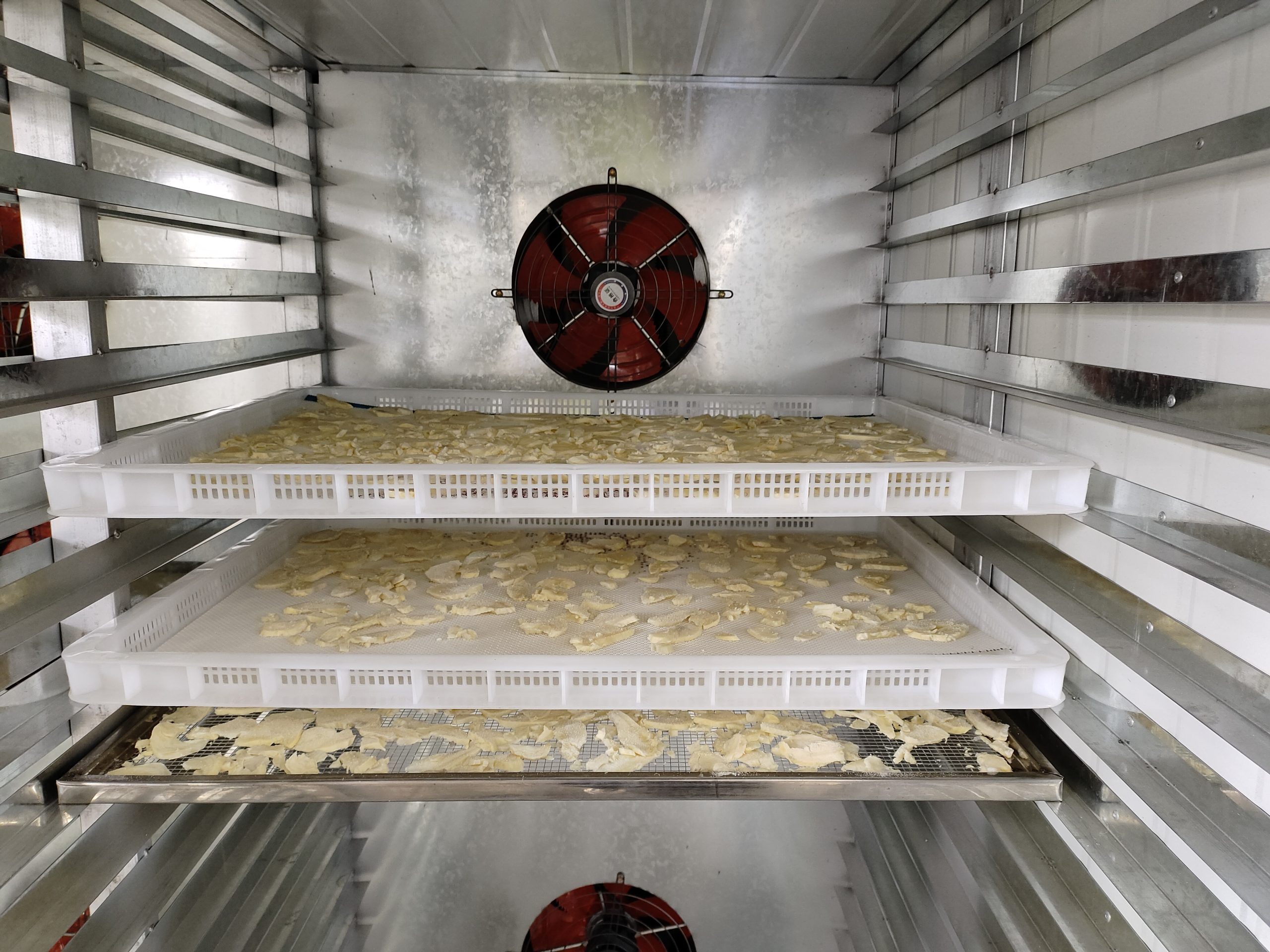
Commercial Durian Dehydration: Preserving Quality with Heat Pump Technology
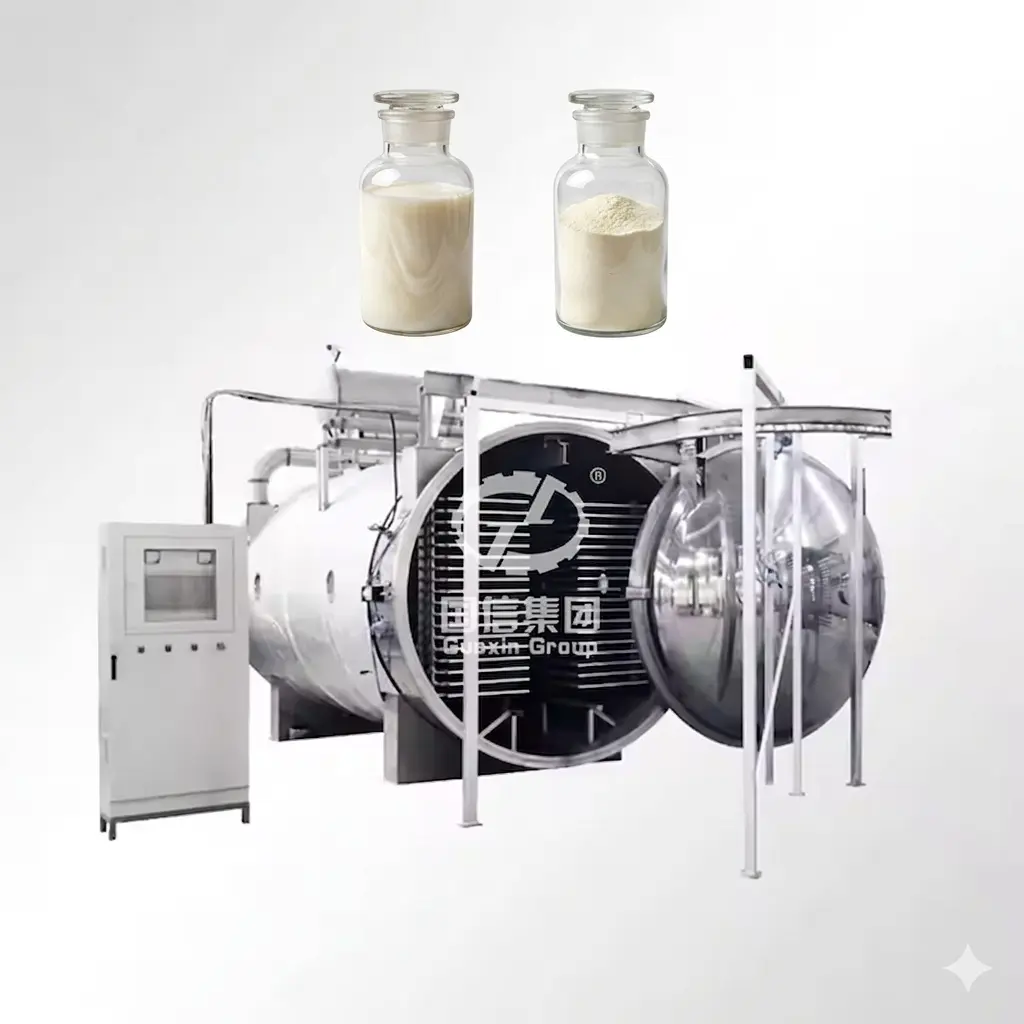
Milk Powder Drying – Parameters for Consistent Final Moisture and Functional Properties
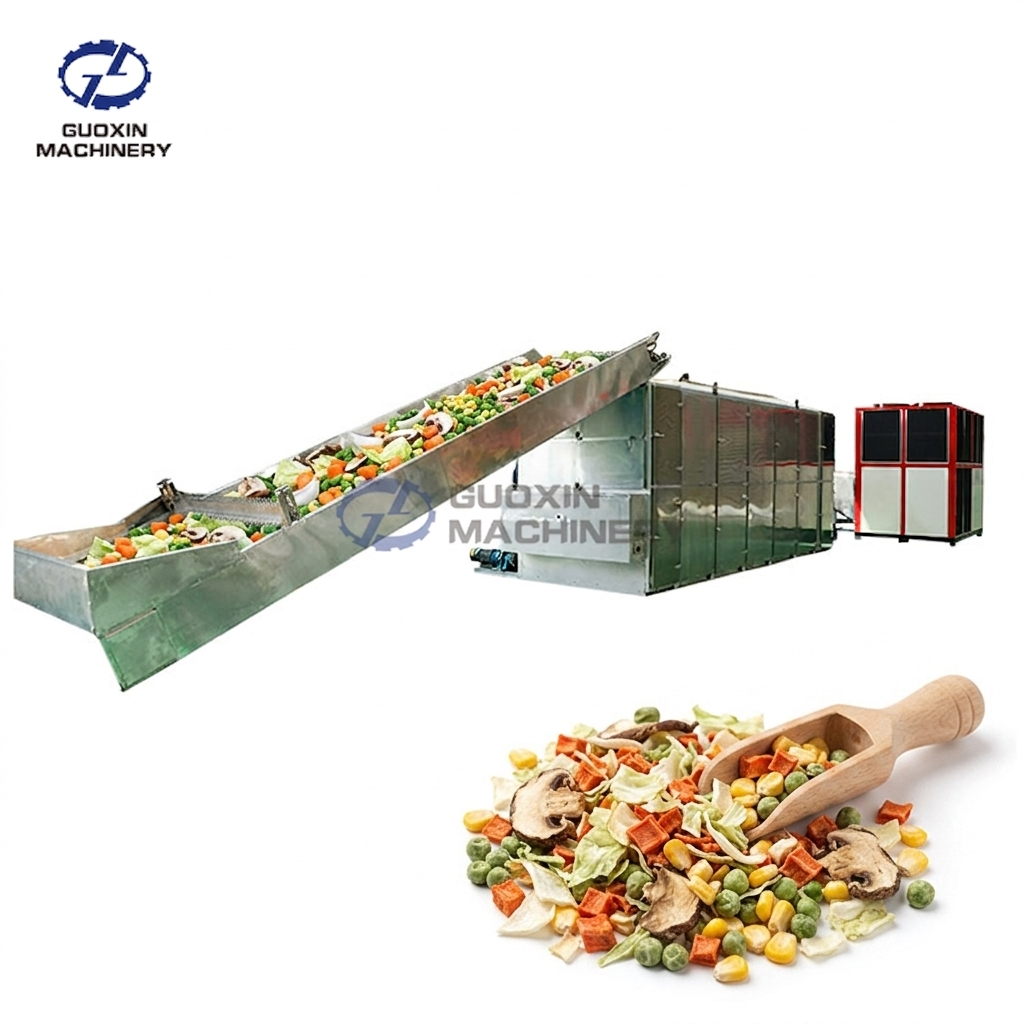
Dehydrated Vegetables for Instant Noodle Seasoning – Drying Parameters for Consistent Quality in Seasoning Packs
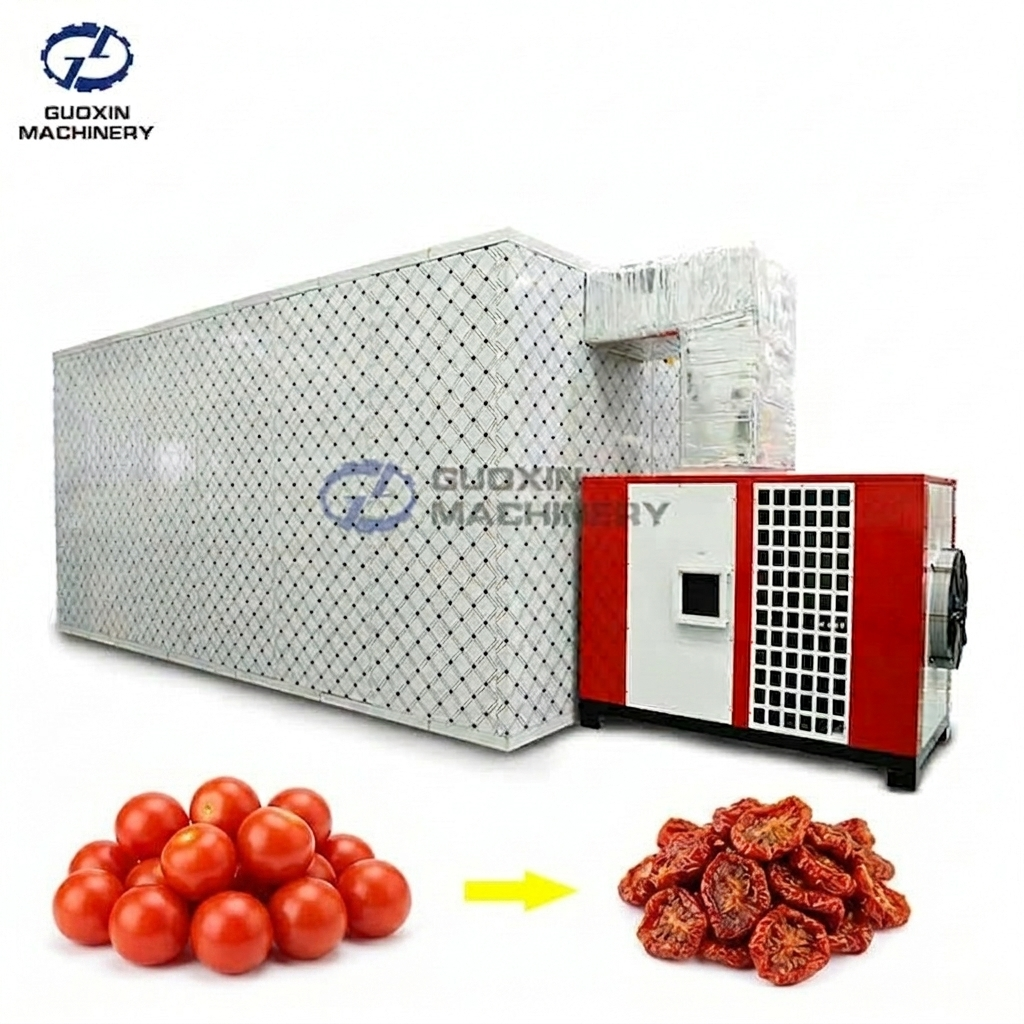
Sun-Dried Tomato Drying – Parameters for Industrial Production of Consistent Tomato Slices
Drying Coffee Beans, Cocoa Nibs and Instant Coffee Powder