© Henan Guoxin Machinery Manufacturing Co., Ltd. All Rights Reserved.



Release time:2026-07-22
How do lithium battery recycling plants continuously remove residual moisture from shredded electrode foils without material clumping or thermal oxidation?
In the lithium-ion battery recycling and black mass recovery sector, shredded electrode scrap (cathode and anode foil fragments coated with active materials) requires thorough drying following wet shredding, washing, or solvent extraction processes. Residual surface water or process solvent must be stripped to zero prior to mechanical air classification, foil-black mass separation, or pyrometallurgical processing.
However, battery foil flakes are lightweight, highly flammable when overheated, and prone to severe clumping when wet. Traditional rotary dryers or static batch ovens either cause excessive dust entrainment, uneven moisture retention, or structural jamming.
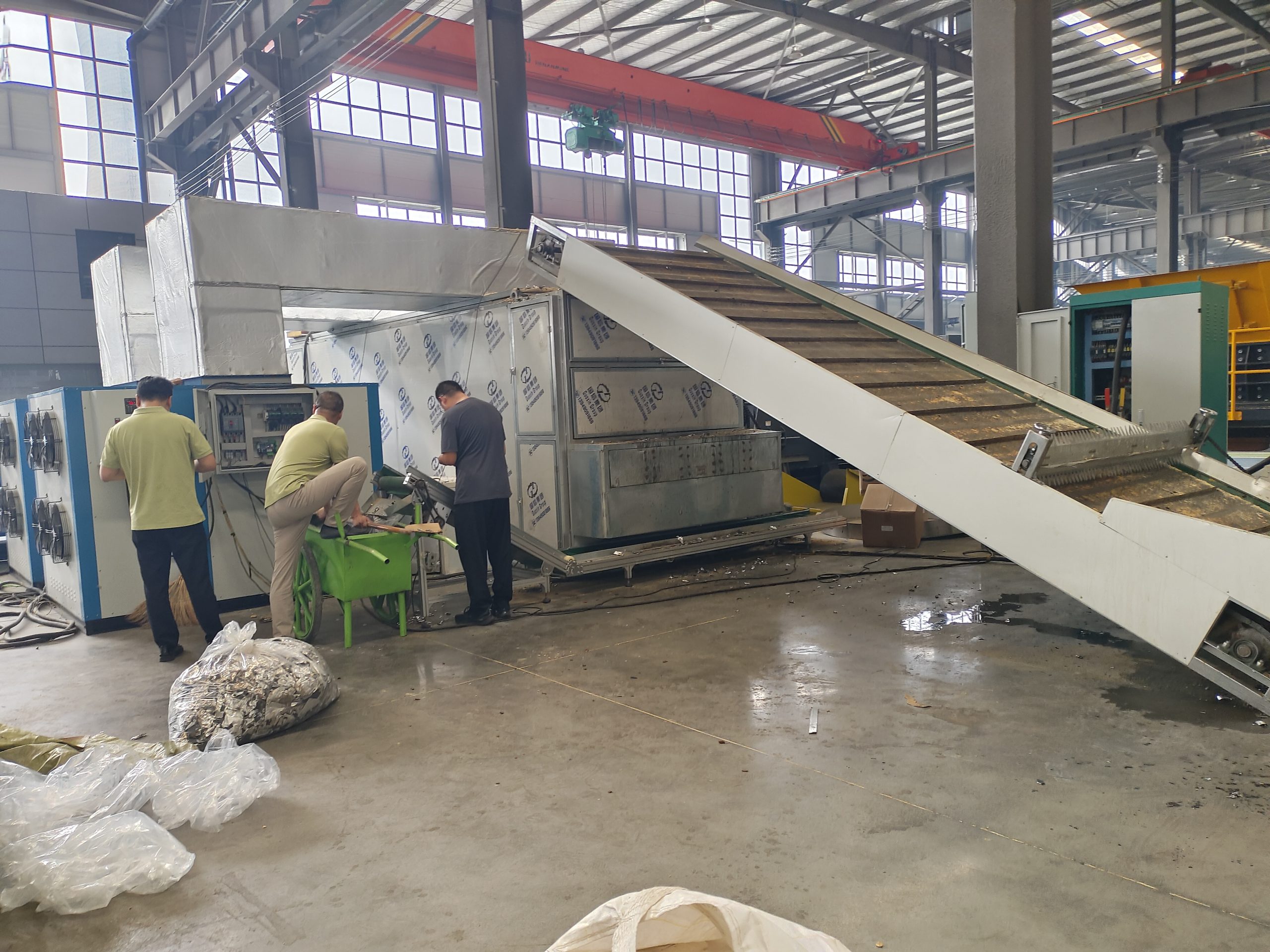
To solve this processing challenge, Guoxin Machinery conducted a full-scale workshop trial run of our continuous mesh belt battery foil dryer machine, engineered specifically for high-capacity battery recycling lines.
Drying shredded lithium-ion battery electrode foils presents unique physical and safety constraints:
[Shredded Wet Foil Scrap] → [Inclined Cleated Conveyor] → [Multi-Tier Mesh Belt Chamber] → [Controlled 80°C Thermal Evaporation] → [Dry Foil Discharge & Separation]
Strict Thermal Thresholds (~80°C Target): Processing temperatures must be strictly bounded. Heating raw battery scrap too high risks binder thermal degradation or volatile safety hazards, while temperatures below 60°C result in slow evaporation and moisture trapping.
Overcoming Flake Agglomeration: Wet aluminum and copper foil fragments stick together into dense layers. Continuous movement across a multi-tier mesh belt gently tumbles the material, breaking up wet clumps and allowing hot air to penetrate the entire bed.
Dust & Mesh Entrainment Control: Fine battery black mass particles require optimized cross-flow air velocities to prevent fine dust from blowing out of the drying enclosure or clogging the conveyor mesh.
During the July 22, 2026 workshop trial run at the Guoxin manufacturing facility, our engineering team evaluated real-time operational performance using customer-supplied shredded battery electrode scrap:
Automated Material Infeed: Wet battery foil fragments were loaded via an inclined cleated belt elevator, providing a continuous, regulated feed onto the main dryer bed without manual piling errors.
Precision Environmental PLC Controls: The central touchscreen control system was calibrated to an operating drying temperature target of 80.0°C (actual chamber reading held steady at 78.8°C) and a target humidity threshold of 12.0% (actual chamber reading held at 15.0%).
Discharge & Quality Inspection: Dried foil fragments discharged smoothly off the inclined discharge belt into collection containers. Manual inspection confirmed crisp, dry foil separation, complete surface moisture removal from the coated active material, and zero mesh clogging or material buildup inside the chamber.
The table below outlines the engineering parameters validated during the equipment trial:
| Parameter / Feature | Workshop Trial Line Specification |
| Tested Material | Shredded Lithium Battery Electrode Foils (Aluminum/Copper Flakes) |
| Equipment Configuration | Continuous Cleated Infeed + Multi-Tier Mesh Belt Dryer |
| Calibrated Operating Temp | 75°C to 85°C (PLC Target: 80.0°C) |
| Humidity Control Target | 12.0% – 15.0% Dynamic Extraction |
| Infeed / Discharge Setup | Inclined Cleated Belt Elevator + Automated Discharge Chute |
| Chamber Metallurgy | Heat-Resistant SUS304 / Heavy-Duty Coated Enclosure |
| Primary Process Benefit | Zero foil clumping, continuous mass flow, uniform solvent/water stripping |
Guoxin Machinery integrates continuous drying modules into comprehensive recycling plant layouts:
[Wet Shredding / Washing] ──► [Vibratory Dewatering] ──► [Guoxin Cleated Infeed Elevator] ──► [Continuous Mesh Belt Dryer] ──► [Inline Discharge Conveyor] ──► [Air Classifier & Foil Shredder]
Clean-Sweep Mesh Design: The conveyor belt utilizes reinforced wire mesh fitted with custom flighted cleats to ensure even lightweight foil flakes travel up steep inclines without slipping backward.
Exhaust & Solvent Management: The drying chamber features dedicated exhaust ports ready to integrate with plant condenser loops or VOC abatement scrubbers for safe indoor operation.
Q1: Why is a continuous mesh belt dryer preferred over rotary kilns for battery foil scrap?
A: Rotary kilns utilize tumbling drums that generate high internal air velocities and severe mechanical impact. For lightweight battery foil flakes, rotary drums cause high dust carryover (loss of valuable black mass into the exhaust) and risk jamming inside the drum seals. Continuous mesh belt dryers keep the material bed resting stably on a moving belt while low-velocity hot air passes through, guaranteeing high material recovery with minimal dust entrainment.
Q2: How does the PLC system prevent temperature spikes that could damage battery binders or create safety hazards?
A: Our automated control panel utilizes multi-point RTD thermal sensors paired with proportional modulating heat inputs. If the internal chamber temperature approaches the programmed threshold (e.g., 80°C), the PLC dynamically throttles the heat source and adjusts circulation fan speeds, keeping thermal variance within ±1.0°C.
Q3: What mesh belt options are available for abrasive battery electrode materials?
A: Battery scrap containing sharp aluminum/copper edges and abrasive carbon black requires durable conveying surfaces. We offer food/industrial-grade SUS304 and SUS316L stainless steel mesh belts with reinforced edge chains and integrated transverse cleats to prevent belt stretching, tear, or tracking misalignment during continuous 24/7 industrial operation.
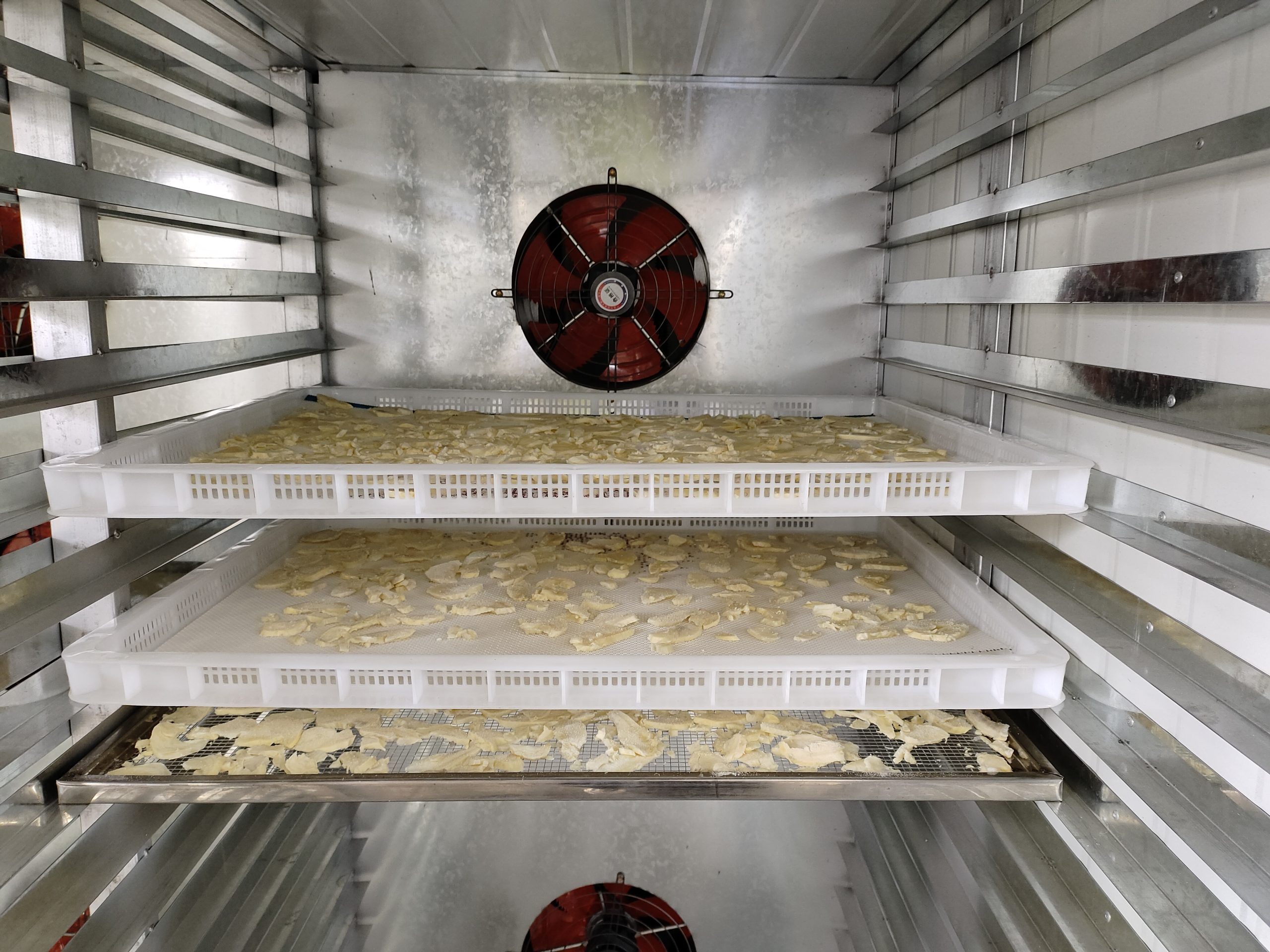
Commercial Durian Dehydration: Preserving Quality with Heat Pump Technology
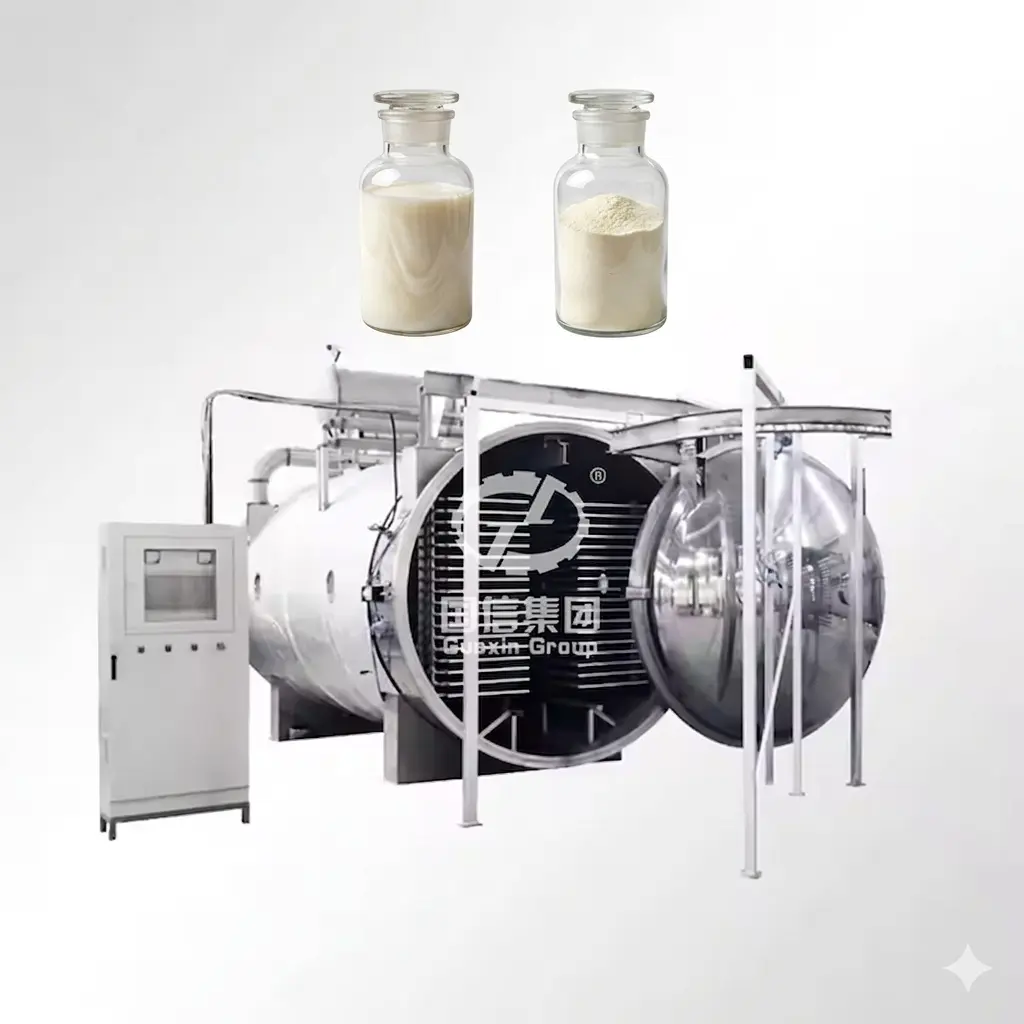
Milk Powder Drying – Parameters for Consistent Final Moisture and Functional Properties
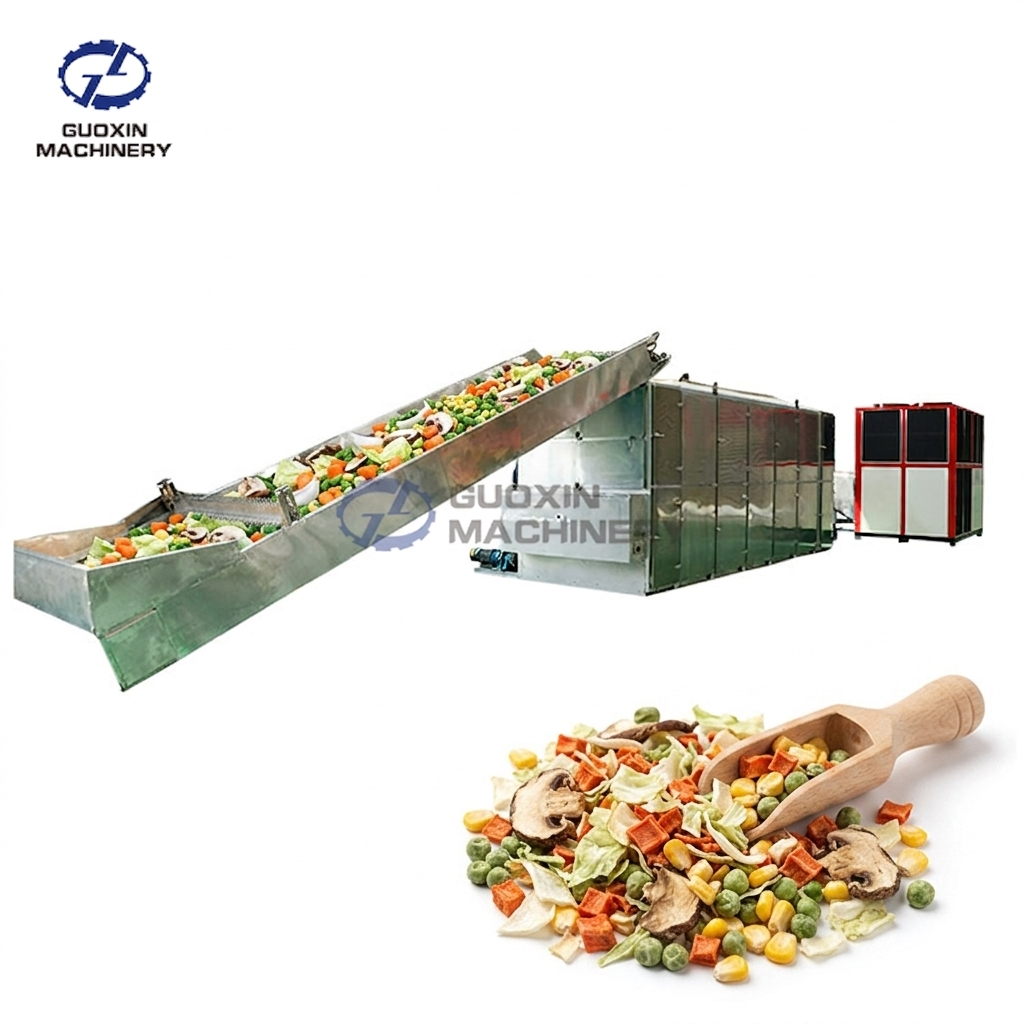
Dehydrated Vegetables for Instant Noodle Seasoning – Drying Parameters for Consistent Quality in Seasoning Packs
Sun-Dried Tomato Drying – Parameters for Industrial Production of Consistent Tomato Slices
Drying Coffee Beans, Cocoa Nibs and Instant Coffee Powder