© Henan Guoxin Machinery Manufacturing Co., Ltd. All Rights Reserved.



Release time:2026-05-20
Industrial dehydration of whole black pepper and peeled white pepper pods requires precise control over volatile oil retention and microbial decontamination. Freshly harvested green pepper berries destined for black pepper production contain an initial moisture level of 65% to 70%, which must be reduced to an export-stable equilibrium of 11% to 12.5%. For white pepper processing—where the outer pericarp is removed via retting and mechanical peeling—the wet seeds enter the drying stage at 50% to 55% moisture and must hit identical final target parameters.
Failing to regulate the moisture evacuation curve degrades the concentration of piperine and volatile essential oils (such as caryophyllene and pinene), which directly dictates market grading under ASTA (American Spice Trade Association) standards.
We design and manufacture integrated, continuous multi-layer mesh belt drying lines utilizing specialized thermal zoning and high-velocity cross-flow ventilation.
These systems optimize mass transfer rates while maintaining the color consistency, density, and pungent characteristics demanded by international bulk buyers.
Request Technical Specifications & Customized 3D Processing Plant Layout
Processing whole spices at an enterprise scale requires specific thermodynamic adjustments to protect volatile compounds and eliminate microbial risks without causing structural degradation.
Retention of Piperine and Essential Volatile Oils
The essential oils responsible for the aroma and pungency of pepper pods volatilize rapidly when exposed to conventional thermal processing temperatures exceeding 60°C. High heat strips the spice of its commercial value, leading to flat flavor profiles and low oil yield analyses during export inspection.
Our processing lines utilize a Multi-Stage Localized Air Balancing System managed via custom PLC configuration software.
The drying chamber is engineered with separate thermal enclosures.
The initial zone applies high-volume air at 55°C to 60°C to drive off surface moisture quickly during the constant-rate drying phase.
As the pepper moves to the falling-rate phase on lower tiers, the PLC scales down temperatures to 45°C to 50°C. This slow, low-temperature extraction locks the piperine inside the crystalline starch matrix of the core, preventing thermal stripping of volatile compounds.
Eradication of Mold and Uniform Bed Dehydration
Because pepper berries are small and dense, they tend to pack tightly when distributed onto a conveyor belt. If the product bed remains static, localized wet pockets develop, creating environments for mold proliferation (aspergillus) and bacterial survival (salmonella) during transport.
The system integrates automated gravity drop-transitions between the multi-layer conveyor tiers.
As the pepper pods drop from an upper belt down to the next level, the material bed is naturally inverted and loosened.
This continuous fluidization works in tandem with alternating vertical cross-flow fans that force air directly through the product bed from both above and below.
This eliminates channeling effects and guarantees an identical moisture distribution across the entire volume.
The matrix below defines the engineered configurations for Guoxin continuous multi-tier conveyor drying lines optimized for industrial-scale spice processing facilities.
| Operational Parameter | GX-PP-124 Continuous Line | GX-PP-205 Enterprise Plant | GX-PP-256 Industrial Complex |
| Wet Input Raw Throughput | 500 kg/h to 800 kg/h | 1,500 kg/h to 2,500 kg/h | 3,500 kg/h to 6,000 kg/h+ |
| Conveyor Belt Width Options | 1,200 mm | 2,000 mm | 2,500 mm |
| Drying Enclosure Tiers | 4 Layers | 5 Layers | 6 Layers |
| Total Chamber Length | 10 Meters | 14 Meters | 18 Meters |
| Thermal Source Compatibility | Heat Pump / Industrial Steam | Steam / Natural Gas / Heat Pump | Direct Steam Loop / Natural Gas |
| Temperature Control Boundaries | 40°C – 75°C (PLC Variable) | 40°C – 75°C (PLC Variable) | 40°C – 75°C (PLC Variable) |
| Conveyor Material Build | Food-Grade SUS304 Mesh | Food-Grade SUS304 Mesh | Food-Grade SUS316L / SUS304 |
| Fan Array Configuration | Variable Frequency Axials | Variable Frequency Axials | Variable Frequency Axials |
| Control Software Integration | Siemens PLC / Touchscreen HMI | Siemens PLC / Touchscreen HMI | Full Siemens PLC / SCADA Ready |
For commercial spice exporters, utility consumption represents the primary variable in the total operating cost per processed metric ton. Our systems replace outdated, open-vent configurations with integrated heat recovery loops to stabilize plant expenditures.
Traditional direct-fired diesel or open-loop electrical dryers continuously vent warm, moist exhaust air into the atmosphere, requiring constant energy input to heat fresh ambient air.
Guoxin’s closed-loop air-source heat pump integration uses an industrial refrigeration loop to chill the humid exhaust air past its dew point. This condenses out moisture as liquid effluent, while the latent heat of vaporization is recovered by the condenser circuit and redirected back into the drying stream.
This thermodynamic configuration achieves a high Coefficient of Performance (COP).
Operational data from plant installations demonstrates 60% to 75% energy savings compared to traditional open-loop electrical resistance heating elements or direct oil-fired burners, lowering total factory OPEX and accelerating capital amortization.
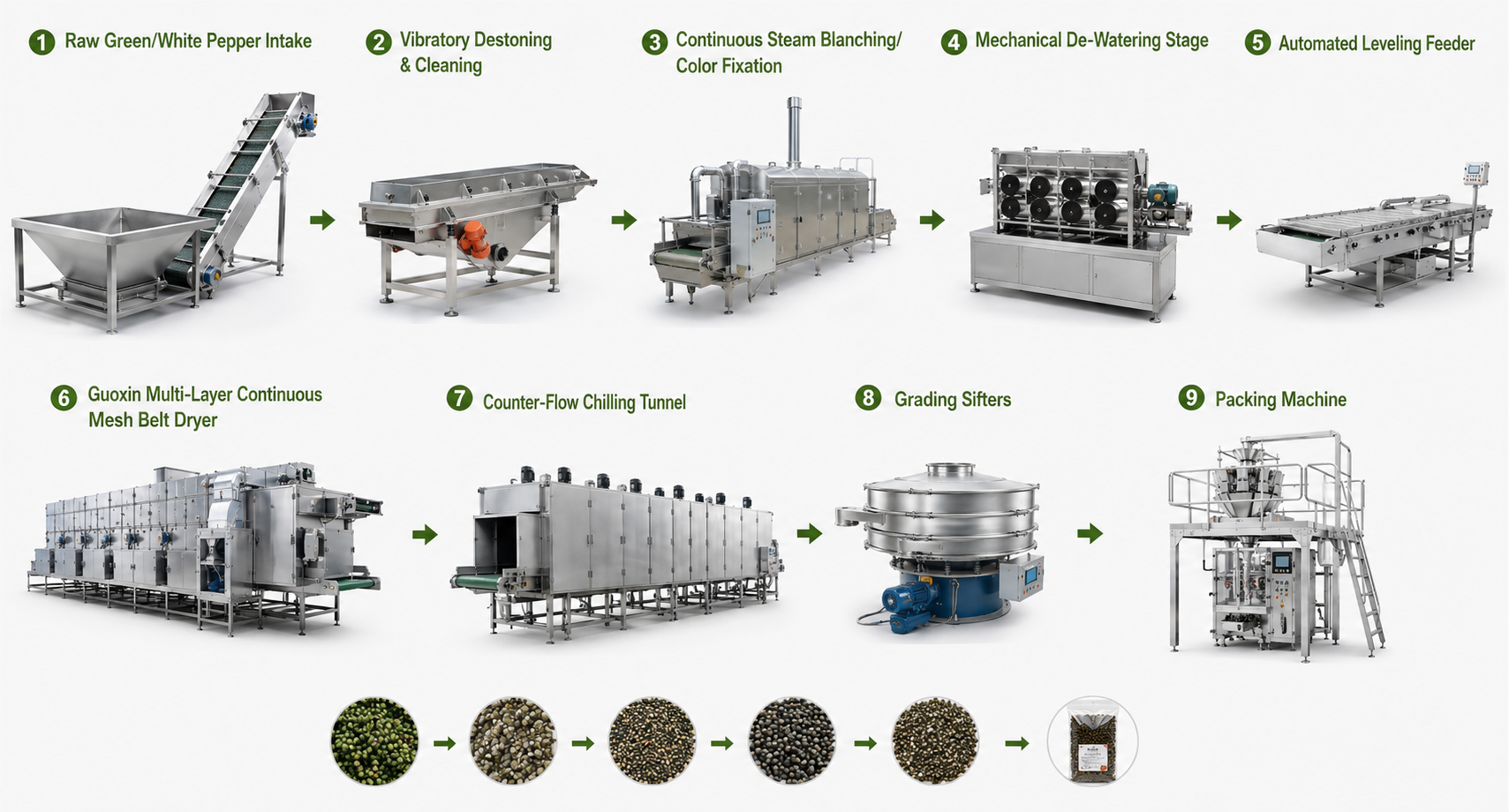
Industrial spice processors require single-source engineering design to maintain uniform material flow and prevent cross-contamination across processing steps. Guoxin Machinery provides complete turnkey (EPC) processing pipelines, aligning all pre-treatment and post-drying systems for continuous throughput:
Request a Comprehensive Turnkey Production Line Layout & Cost Estimate
Q1: How do I select the correct equipment model and belt configuration for my pepper processing line?
A: Model selection is determined by your target hourly throughput and whether you are processing black or white pepper. White pepper loses less mass during drying because the pericarp is already removed, but its dense, smooth seed structure alters airflow resistance. To process a net output of 20 tons of finished black pepper per 24-hour shift, you must account for a 3.5:1 moisture mass reduction, requiring a system that processes approximately 70 tons of raw wet berries daily. For this scale, we configure our GX-PP-256 Industrial Complex to spread the product bed thin enough to allow optimal airflow without slowing down factory output.
Q2: What is the recommended factory layout for building an export-grade spice processing plant?
A: To satisfy international food safety audits (such as HACCP, BRC, or FDA standards), the facility must enforce a strict separation between wet and dry zones. The de-stoning, washing, and continuous blanching machinery are located in a designated “Wet Preparation Zone” with specialized drainage. The white pepper & whole black pepper pods continuous mesh belt drying line acts as the sealed mechanical transition through the central facility wall. The discharge end of the dryer outputs directly into a positive-pressure, climate-controlled “Clean Packaging Zone” running ambient relative humidity below 45% to prevent the warm dried pepper from re-absorbing moisture.
Q3: What are the capital expenditure thresholds and expected ROI payback periods for this infrastructure?
A: Total capital expenditure (CapEx) varies based on the scale of processing, the integration of automated pre-treatment lines (such as optical sorting or automated slicers), and the choice of primary heat source. While the initial capital cost for a fully continuous automated line is higher than basic batch tray-drying systems, it significantly reduces manual labor dependencies, requiring only 2 to 3 operators to manage the entire processing line. Combined with the 60% to 75% reduction in utility consumption, commercial operators typically achieve complete capital investment recovery within 14 to 22 months of plant operation.
Q4: How does the structural design satisfy global sanitation and food-contact compliance standards?
A: To ensure full compliance with international food regulations (including FDA, HACCP, and European CE directives), all structural frameworks, internal air-routing louvers, exterior panels, and continuous woven mesh belts are fabricated exclusively from food-grade SUS304 stainless steel (or optional SUS316L for high-salinity zones). Internal surfaces feature a smooth, polished finish with a radius-corner design that prevents product debris or organic deposits from building up in corners. The outer enclosure is built with large, double-sealed inspection doors to provide complete access for high-pressure chemical wash-downs and streamlined Clean-in-Place (CIP) sanitization routines.
Henan Guoxin Machinery collaborates with international spice exporters and commercial milling operations to verify performance metrics before equipment fabrication begins.
Contact Our Engineering Team for a Technical Project Proposal
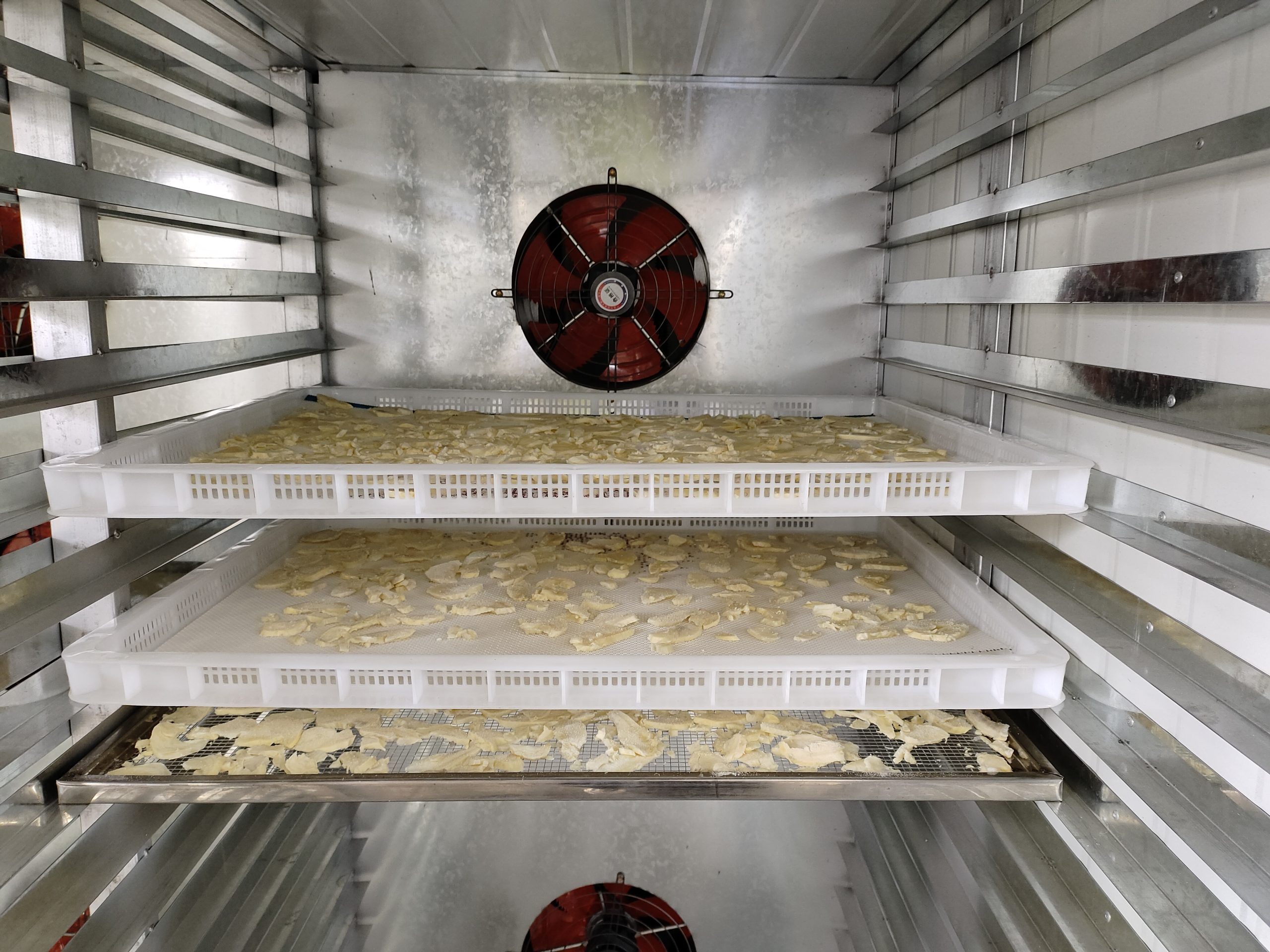
Commercial Durian Dehydration: Preserving Quality with Heat Pump Technology
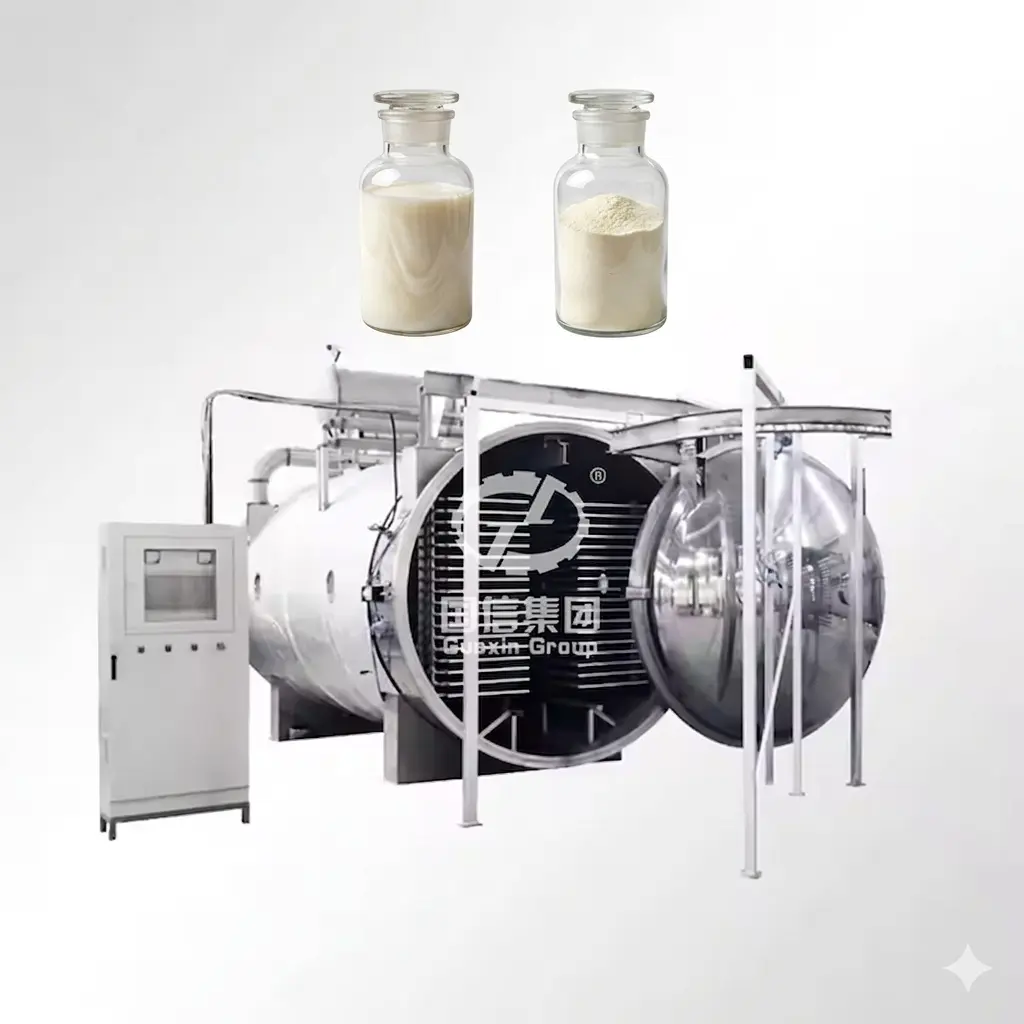
Milk Powder Drying – Parameters for Consistent Final Moisture and Functional Properties
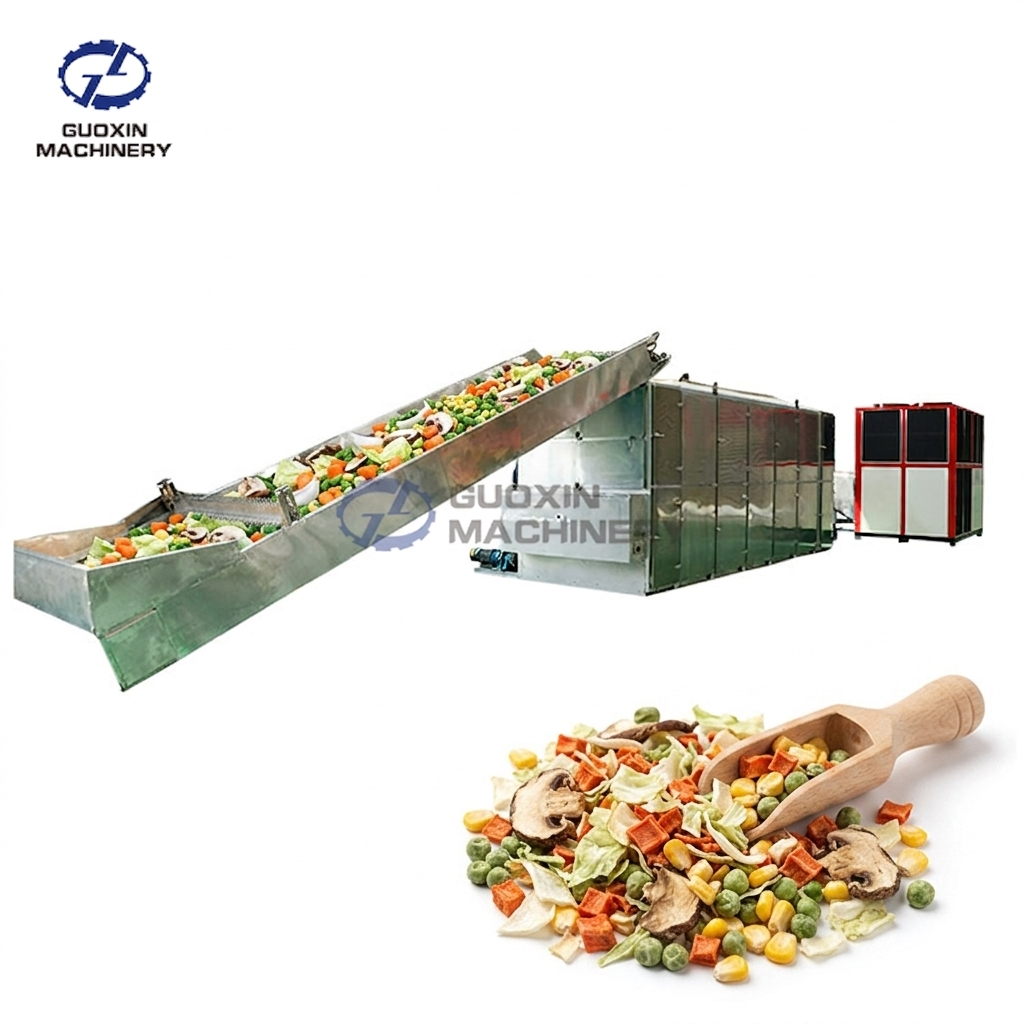
Dehydrated Vegetables for Instant Noodle Seasoning – Drying Parameters for Consistent Quality in Seasoning Packs
Sun-Dried Tomato Drying – Parameters for Industrial Production of Consistent Tomato Slices
Drying Coffee Beans, Cocoa Nibs and Instant Coffee Powder