© Henan Guoxin Machinery Manufacturing Co., Ltd. All Rights Reserved.



Release time:2026-06-02
Industrial continuous multi-tier conveyor roasting and pre-drying lines achieve a scalable production throughput of 800 kg/h to 6,000 kg/h+, reducing moisture content from an initial fermented state of 7% to 8% down to a precise roasting equilibrium of 1.5% to 2.0% while cutting net thermal energy consumption by 40% to 55% compared to traditional batch rotary drum roasters.
The commercial value of premium single-origin cocoa beans (Theobroma cacao)—sourced from distinct microclimates in Latin America (e.g., Ecuador, Venezuela) and West Africa (e.g., Ghana, Côte d’Ivoire)—is governed entirely by their native terroir. The specific composition of volcanic or alluvial soils, ambient humidity profiles, and localized fermentation practices determine the concentration of flavor precursors (amino acids, reducing sugars, and polyphenols) locked inside the bean’s cotyledon.
When raw, fermented cocoa beans enter an industrial processing facility, they carry high levels of volatile organic acids—primarily acetic acid generated during the estate fermentation phase—alongside a highly sensitive fat matrix (cocoa butter comprising 50% to 55% of the bean mass). The engineering challenge of the pre-drying and roasting sequence is to systematically drive off the harsh, acrid volatile acids and reduce moisture without overheating the cocoa butter. Localized thermal spikes trigger lipid oxidation, which destroys the delicate, origin-specific floral, fruity, and nutty aromatic fractions that command international specialty market premiums.
Traditional batch rotary drum roasters subject cocoa beans to aggressive mechanical tumbling and direct contact with high-temperature metal surfaces, causing uneven roasting and structural breakage. Guoxin’s continuous multi-tier conveyor lines alter this thermodynamic path through managed convective airflow and independent thermal zoning.
[Zone 1: 70°C – 90°C] -> Flashes off Surface Moisture & Vents Acrid Acetic Acid
[Zone 2: 110°C – 135°C] -> Uniform Cotyledon Maillard Reaction (Flavor Development)
[Zone 3: Ambient Air] -> Instant Quenching Stops Pyrazine Degradation
If raw cocoa beans are subjected to immediate high-temperature roasting, the outer seed coat (shell) hardens prematurely. This case hardening traps the volatile acetic acid inside the internal cotyledon, leaving the finished chocolate with an aggressive, acridly sour profile.
Our processing lines utilize a Multi-Zone Convective Air-Recirculation Architecture controlled via a centralized Siemens PLC framework. In the initial drying stage (Zone 1), the material bed is subjected to high-volume, low-temperature air at 70°C to 90°C. This flashes off the surface moisture film and keeps the bean shell pliable and porous, allowing the trapped fermentation gases and acetic acid to vent cleanly out of the system.
Uneven heat distribution creates a batch where the bean core remains raw and bitter while the exterior is over-roasted, scorching the delicate cocoa butter and destroying key single-origin flavor pyrazines.
The continuous line moves the cocoa beans along variable-speed SUS304 woven mesh belts. As the beans move into the primary roasting stage (Zone 2), the system alternates high-velocity air vectors vertically through the product bed at exact parameter bounds of 110°C to 135°C. This ensures a completely uniform thermal field across every individual bean, driving consistent starch-sugar-amino acid caramelization throughout the entire cotyledon. The temperature is held precisely within a tolerance of $\pm 0.5^{\circ}\text{C}$, preventing the thermal degradation of delicate monoterpenes and preserving the native flavor characteristics of the origin.
In large-scale cocoa processing operations, the energy required to heat fresh ambient air for roasting directly dictates the net production cost per metric ton of liquor or powder.
Conventional roasting systems constantly exhaust high-temperature air streams directly into the atmosphere. Guoxin’s processing lines integrate an automated Counter-Flow Energy Recovery Loop. The warm, dry air generated during the final product cooling phase is captured, filtered, and redirected back to the burner induction plenum to pre-heat incoming fresh air.
By recovering and recycling this sensible heat, the thermal energy required to operate the primary roasting burner is significantly decreased. Combined with insulated double-walled panel framing that minimizes radiant heat loss, our systems lower total factory energy expenditures dramatically, providing a sustainable infrastructure upgrade that accelerates capital equipment amortization schedules.
To maintain a standardized bean break rate and satisfy stringent global food-safety regulations, pre-treatment and post-roasting systems must operate as a single, continuous automated line. Guoxin Machinery designs, manufactures, and commissions complete turnkey (EPC) processing lines:
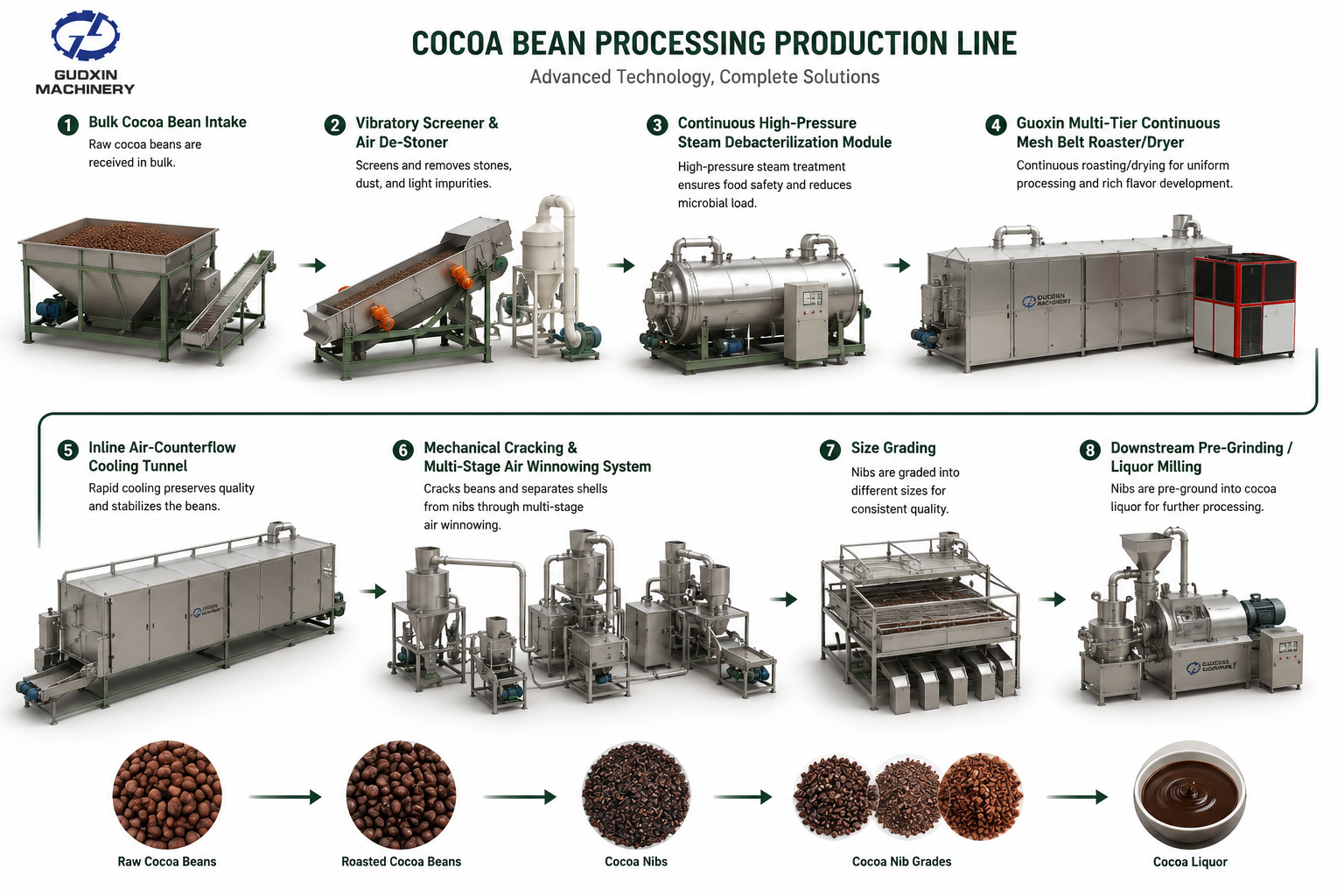
[Bulk Cocoa Bean Intake] → [Vibratory Screener & Air De-Stoner]
→ [Continuous High-Pressure Steam Debacterilization Module] → [Guoxin Multi-Tier Continuous Mesh Belt Roaster/Dryer]
→ [Inline Air-Counterflow Cooling Tunnel] → [Mechanical Cracking & Multi-Stage Air Winnowing System]
→ [Size Grading] → [Downstream Pre-Grinding / Liquor Milling]
Continuous Steam Debacterilization Module:
Subjects the raw beans to a targeted, short-duration high-pressure steam flash prior to roasting, eliminating surface pathogens (such as Salmonella) to meet strict microbiological import codes without wetting the core of the bean.
Mechanical Cracking & Multi-Stage Air Winnowing System:
Carefully cracks the roasted shells and uses multi-level suction aspirators to separate the lightweight shell fragments from the high-value cocoa nibs, achieving a shell separation efficiency exceeding 99.5%.
The table below outlines specific, verified industrial configurations for Guoxin continuous multi-tier mesh belt cocoa bean roasting and pre-drying lines.
| Technical Parameter | GX-CC-144 Roasting Line | GX-CC-205 Enterprise Plant | GX-CC-256 Industrial Complex |
| Hourly Output Range (Roasted Beans) | 800 kg/h to 1,500 kg/h | 2,000 kg/h to 3,500 kg/h | 4,000 kg/h to 6,000 kg/h+ |
| Conveyor Belt Working Width | 1,400 mm | 2,000 mm | 2,500 mm |
| Drying/Roasting Chamber Tiers | 4 Layers | 5 Layers | 6 Layers |
| Total Enclosure Length | 12 Meters | 16 Meters | 24 Meters |
| Primary Thermal Source Options | Natural Gas / Direct Steam Loop | Natural Gas / Direct Steam Loop | Dual-Fuel Gas/Oil Burner Arrays |
| Operational Temperature Range | 60°C – 140°C (±0.5°C accuracy) | 60°C – 140°C (±0.5°Caccuracy) | 60°C – 140°C (±0.5°C accuracy) |
| Conveyor Belt Construction | Food-Grade SUS304 Mesh | Food-Grade SUS304 Mesh | Heavy-Duty SUS304 Plate Link |
| Air Circulation Fan Drive Type | Variable Frequency Axials | Variable Frequency Axials | Variable Frequency Axials |
| Automation Integration Level | Siemens PLC / Touchscreen HMI | Siemens PLC / Touchscreen HMI | Full Siemens PLC / SCADA Ready |
Q1: How does your continuous system manage the distinct roasting profiles required for different single-origin bean sizes?
A: Cocoa bean sizes vary significantly between regional varieties (e.g., small-sized Madagascar beans versus large-sized Ecuadorian Nacional beans). Processing unsorted batches leads to uneven roasting. Guoxin resolves this by integrating a multi-stage mechanical sifter before the roasting line to sort beans into distinct size fractions. Once sorted, operators adjust the conveyor belt speed via the Variable Frequency Drive (VFD) and load custom-calibrated thermal curves from the Siemens PLC menu. This alters the material bed retention time and matches the thermodynamic requirements of that specific bean size precisely.
Q2: What is the optimal factory layout for ensuring international pathogen control and food safety compliance?
A: To pass strict international food safety inspections (including HACCP, ISO 22000, and FDA audits), the plant layout must enforce strict structural barriers separating raw and roasted materials. The pre-treatment machinery (de-stoning, raw sorting, and steam debacterilization) is anchored in the “Raw Receiving Zone.” The continuous single-origin cocoa bean roaster acts as the sealed technical barrier passing through the separation wall. The discharge and cooling segments of the roaster must exit directly into a positive-pressure, climate-controlled “High-Care Zone” to ensure that the sterilized, roasted beans and downstream cocoa nibs are never exposed to cross-contamination from raw agricultural dust.
Q3: What are the capital expenditure thresholds and verified ROI payback windows for this automated line?
A: Total initial capital expenditure (CapEx) depends on the required hourly capacity, the specific thermal utility selected (natural gas loops or steam boiler connections), and the level of downstream winnowing and milling automation. While a fully continuous conveyor line represents a higher initial investment than simple batch drum roasters, it removes massive manual labor costs, requiring only 1 to 2 technicians to monitor the entire sequence from a central console. Backed by a 40% to 55% reduction in fuel utility costs, the complete elimination of batch rejection rates, and the premium prices fetched by uniform single-origin profiles, commercial processors typically achieve full capital investment recovery within 12 to 18 months of commissioning.
Q4: How does the equipment handle grease accumulation and fire safety when roasting high-fat cocoa beans?
A: Roasting high-fat cocoa beans generates volatile oil vapors that can condense on internal machine walls, posing a serious fire hazard if left unmanaged. Our roasters are engineered with an integrated Continuous Air-Filtration Loop and Cyclone Separator that extracts airborne fats and shell dust from the circulating air stream. The interior of the SUS304 stainless steel chamber features an angled bottom floor sloped toward central wash-drain ports, alongside oversized access doors. This allows maintenance teams to perform rapid chemical wash-downs and simplifies Clean-in-Place (CIP) routines, completely mitigating grease fires and ensuring strict compliance with factory safety standards.
Henan Guoxin Machinery collaborates with international chocolate manufacturers, premium bean-to-bar brands, and bulk agricultural cooperatives to validate system performance metrics before equipment fabrication begins.
Material Testing Operations: Processors can submit regional cocoa samples to our laboratory testing facility to establish accurate drying curves, volatile acid release rates, and optimal roasting window profiles.
Project Engineering: Provision of full 3D plant blueprints, structural utility load charts (electrical distribution, gas pipeline specifications, ventilation, drainage paths), and factory-direct on-site installation, commissioning, and technical operator training globally.
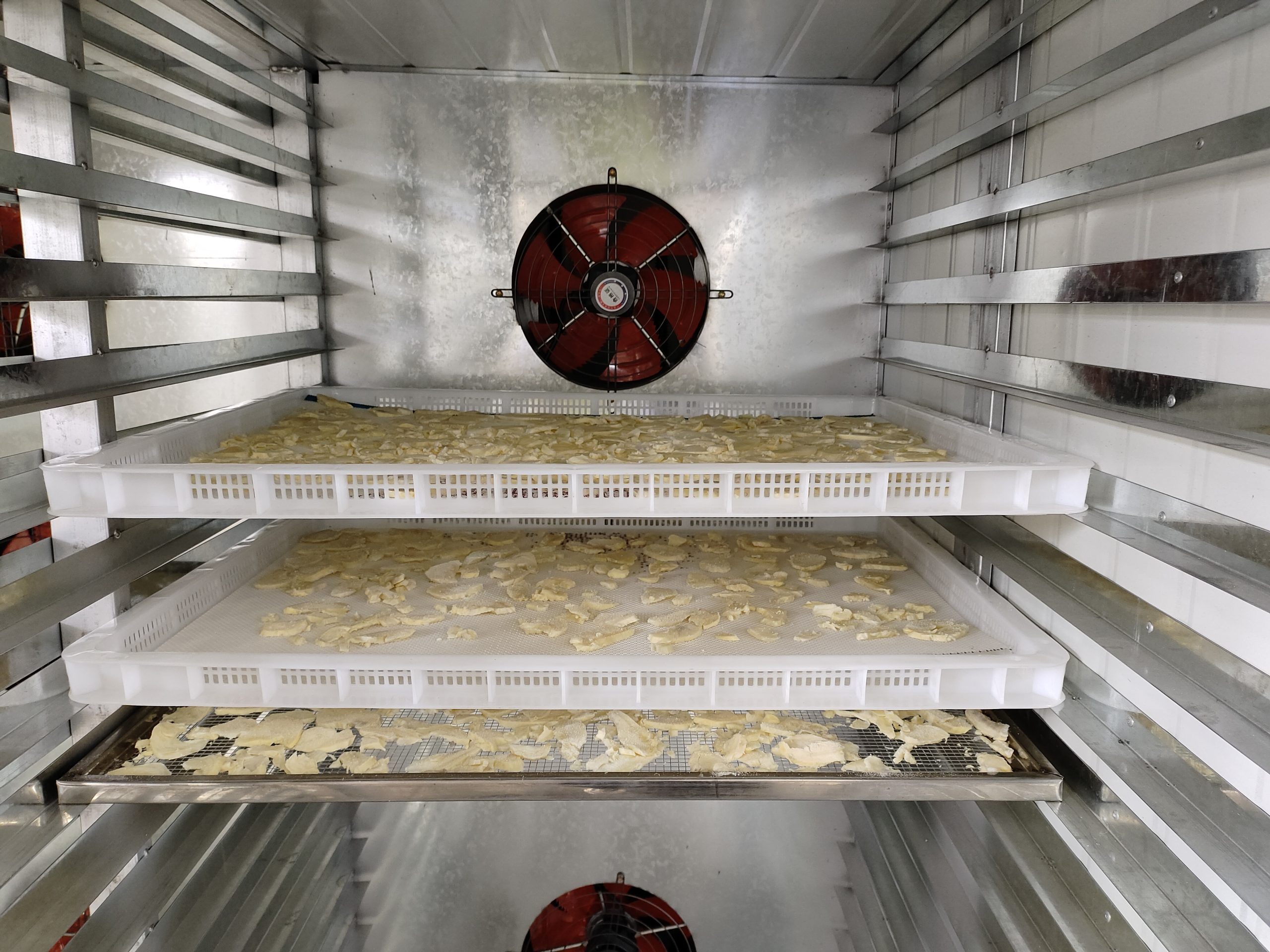
Commercial Durian Dehydration: Preserving Quality with Heat Pump Technology
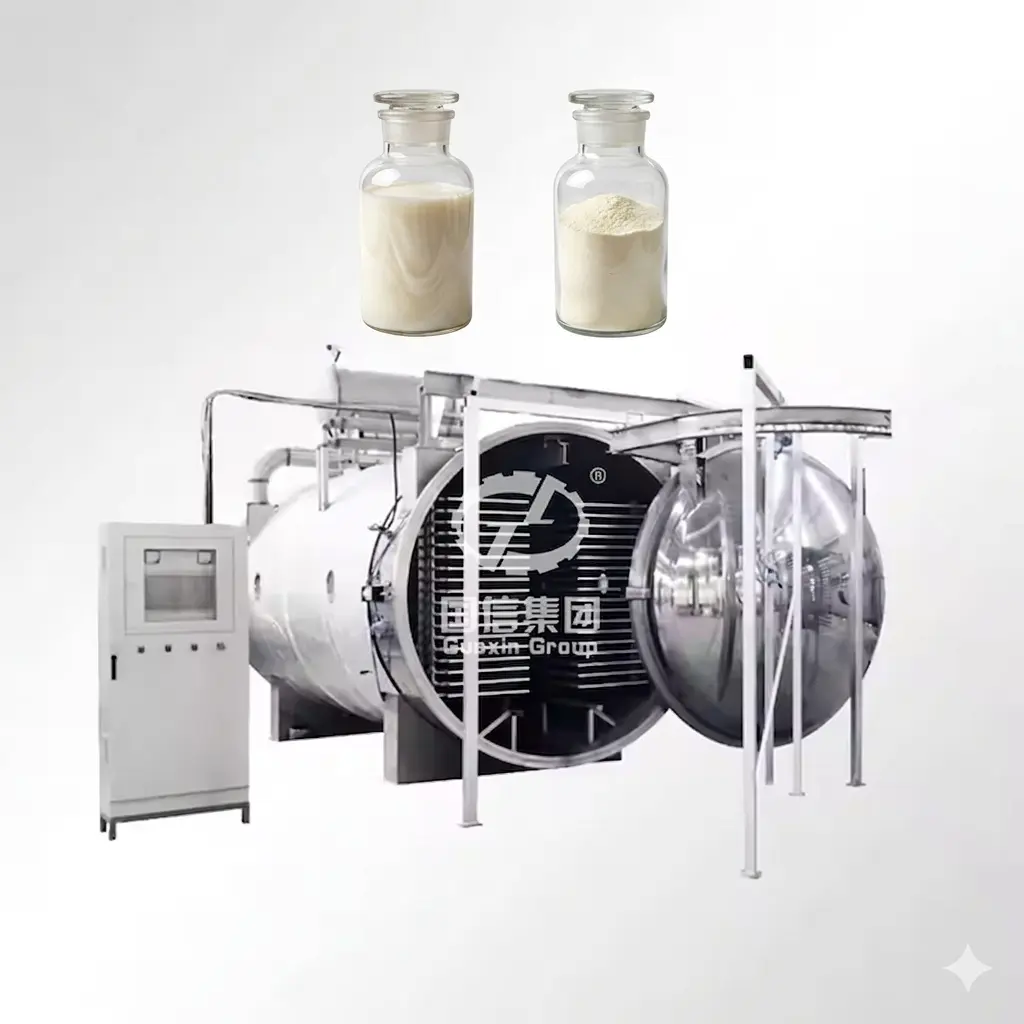
Milk Powder Drying – Parameters for Consistent Final Moisture and Functional Properties
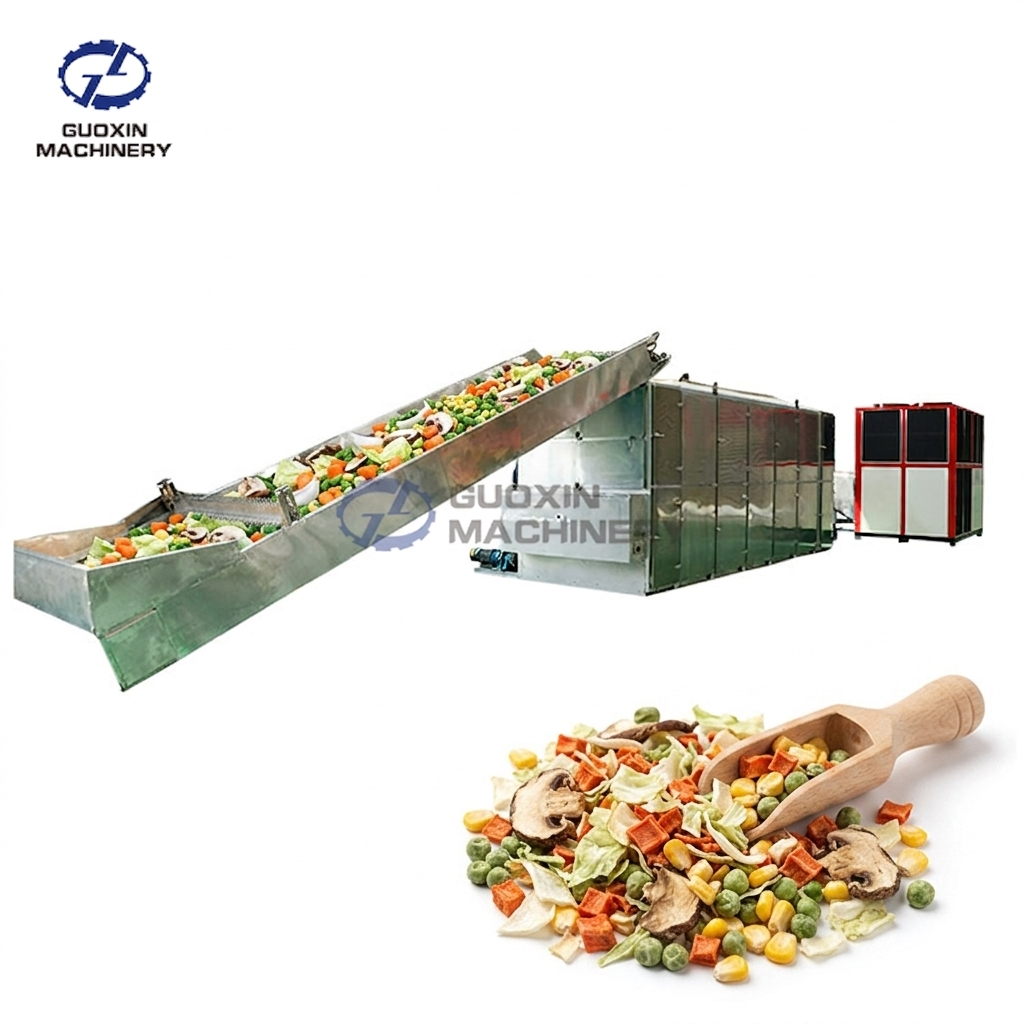
Dehydrated Vegetables for Instant Noodle Seasoning – Drying Parameters for Consistent Quality in Seasoning Packs
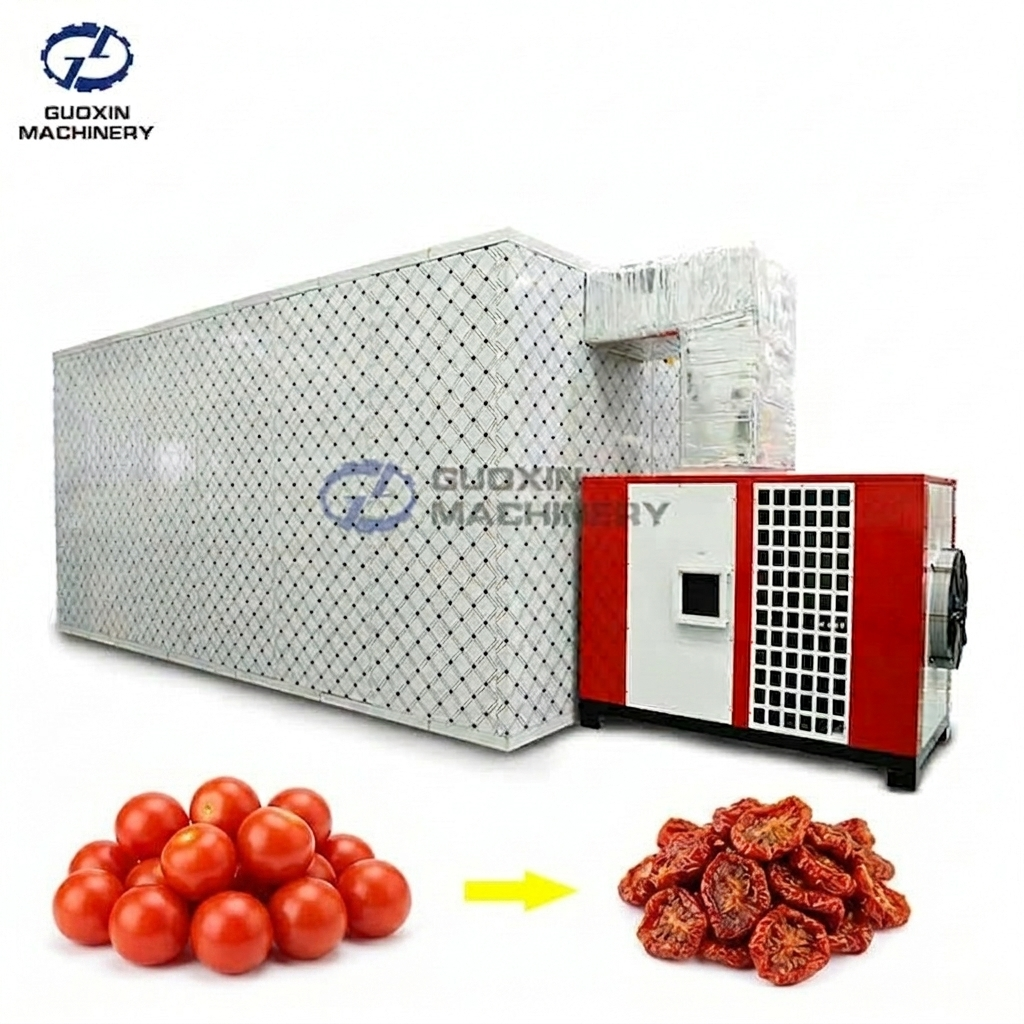
Sun-Dried Tomato Drying – Parameters for Industrial Production of Consistent Tomato Slices
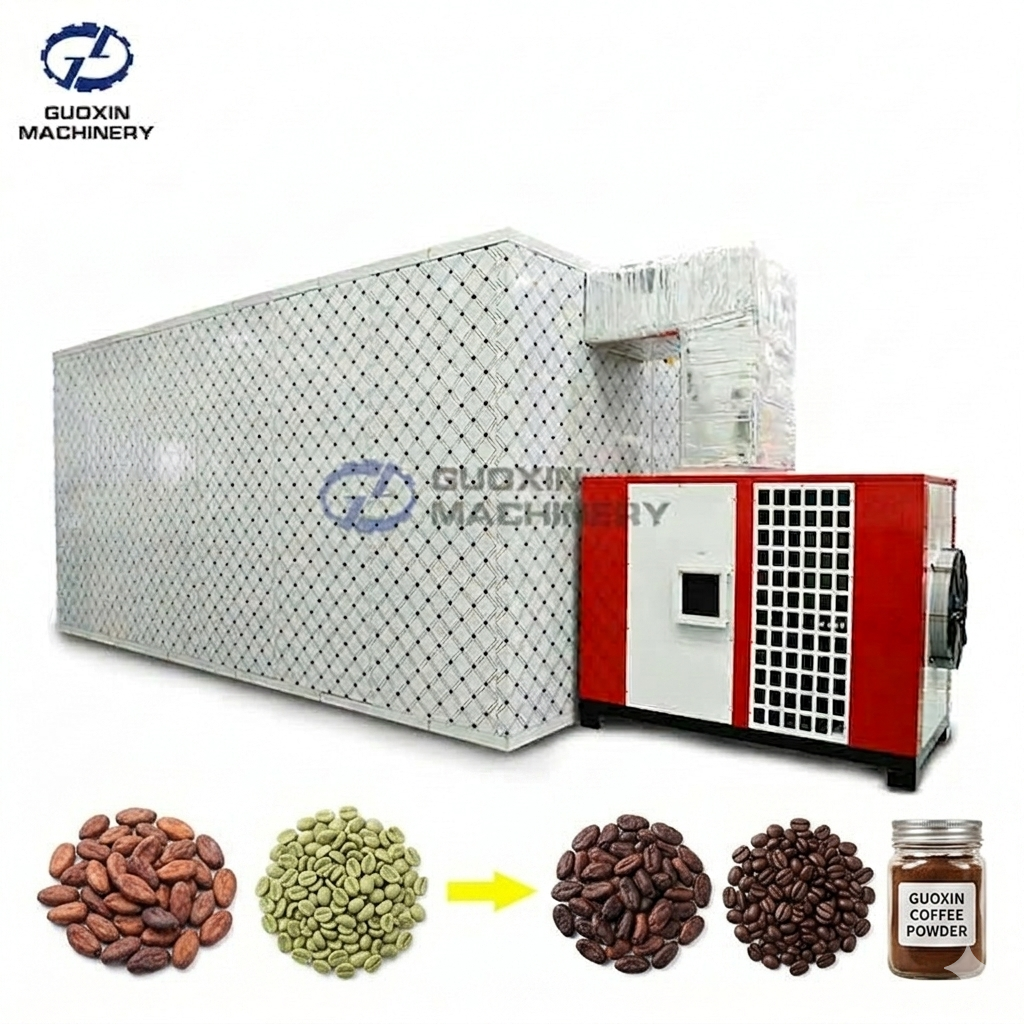
Drying Coffee Beans, Cocoa Nibs and Instant Coffee Powder