© Henan Guoxin Machinery Manufacturing Co., Ltd. All Rights Reserved.



Release time:2026-07-06
How does continuous Mesh Belt Dehydration resolve the bottleneck of high-moisture root vegetable processing?
Radishes possess exceptionally high initial water content (up to 90%–95%). Traditional batch drying cannot handle large commercial yields efficiently.
An industrial continuous multi-tier mesh belt dryer transforms this process into a highly automated, uninterrupted flow.
By synchronizing high-speed slicing with simultaneous infeed and discharge, the system achieves massive daily throughput while maintaining exact moisture uniformity and crisp texture.
This workshop trial run was engineered to demonstrate a seamless, zero-interruption production loop. The process operates on a strict continuous infeed, continuous discharge principle, entirely eliminating the labor-intensive loading and unloading required by static drying rooms.
Phase 1: Precision Slicing & Uniform Infeed
Cleaned, fresh radishes are fed into a high-speed centrifugal slicing machine. The equipment is calibrated to cut uniform slices (typically 3.0 mm to 5.0 mm thick). Dimensional consistency is critical; uneven slices lead to a mixture of over-dried and damp pieces.
The wet slices drop directly onto an inclined flight conveyor, which continuously lifts and spreads an even layer of material onto the top tier of the mesh belt dryer.
Phase 2: Multi-Tier Continuous Transit
Once inside the drying chamber, the radish slices travel along food-grade stainless steel (SUS304) mesh belts. As the material reaches the end of one tier, it gently drops onto the tier below.
This continuous tumbling action serves two vital purposes:
Phase 3: Synchronized Discharge
As raw, wet radishes continuously enter the top layer, fully dehydrated radish slices simultaneously discharge from the bottom layer via an outfeed conveyor. This synchronized flow allows the processing plant to operate 24/7 during peak harvest seasons without downtime.
The simple continuous flow relies on a sophisticated internal thermal environment to ensure the final product meets export-grade quality standards.
Upon exiting the discharge conveyor, the final dried radish slices are evaluated against key commercial metrics:
Q1: Since radishes have such high water content, won’t they stick to the continuous mesh belt as they dry?
A: Root vegetables release natural sugars as water evaporates, which can cause sticking in static systems. Our continuous dryer utilizes polished SUS304 stainless steel mesh. Furthermore, the automated cascading action—where the slices drop from the first tier to the second tier during the peak sticky phase—breaks apart any clumps and ensures the slices do not bond to the belt metallurgy.
Q2: Can the slicing and drying speed be adjusted for different types of root vegetables?
A: Yes. The entire line is governed by a central variable frequency drive (VFD) and PLC control cabinet. Operators can independently adjust the rotational speed of the slicer, the feeding rate of the inclined conveyor, and the transit speed of the mesh belts. This allows the same production line to process radishes, carrots, ginger, or sweet potatoes simply by selecting a different parameter recipe on the control screen.
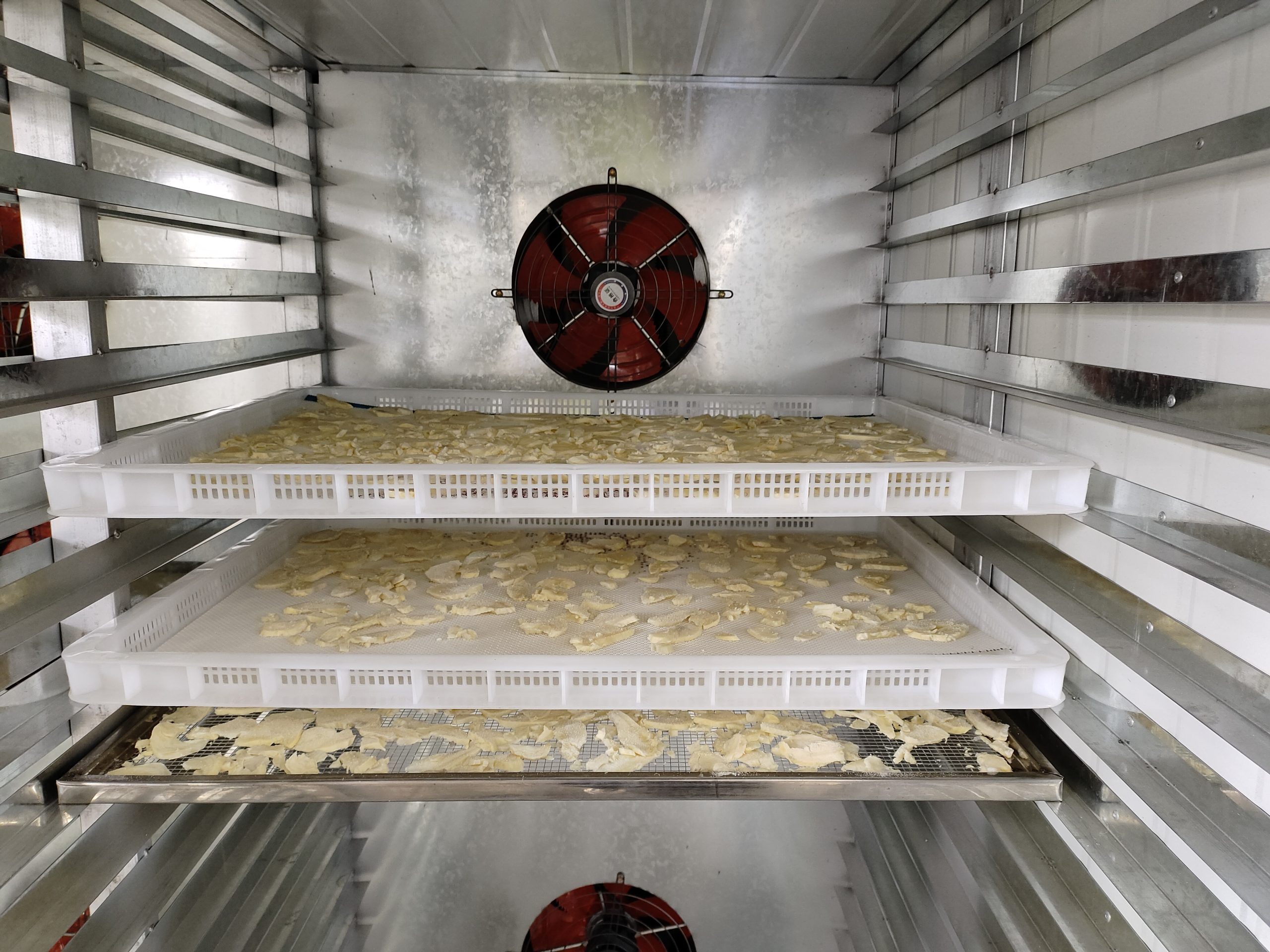
Commercial Durian Dehydration: Preserving Quality with Heat Pump Technology
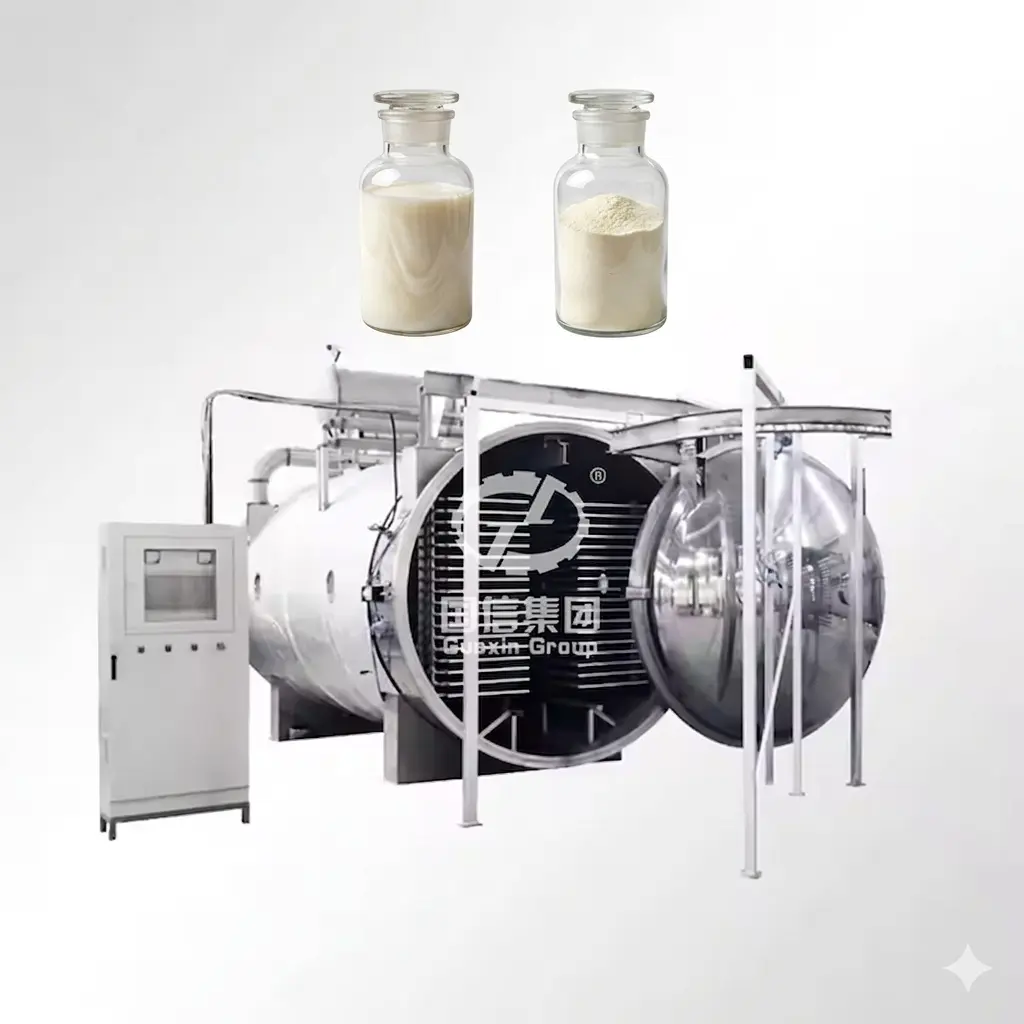
Milk Powder Drying – Parameters for Consistent Final Moisture and Functional Properties
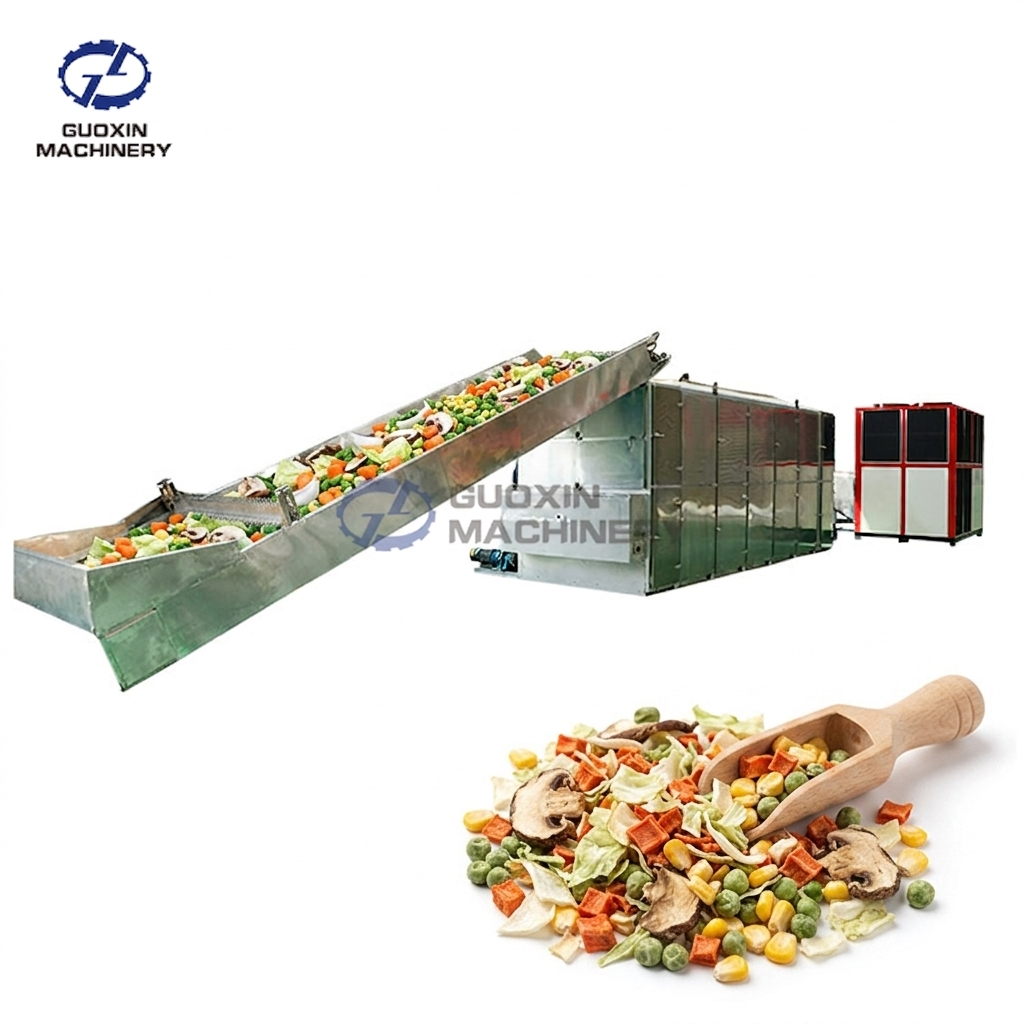
Dehydrated Vegetables for Instant Noodle Seasoning – Drying Parameters for Consistent Quality in Seasoning Packs
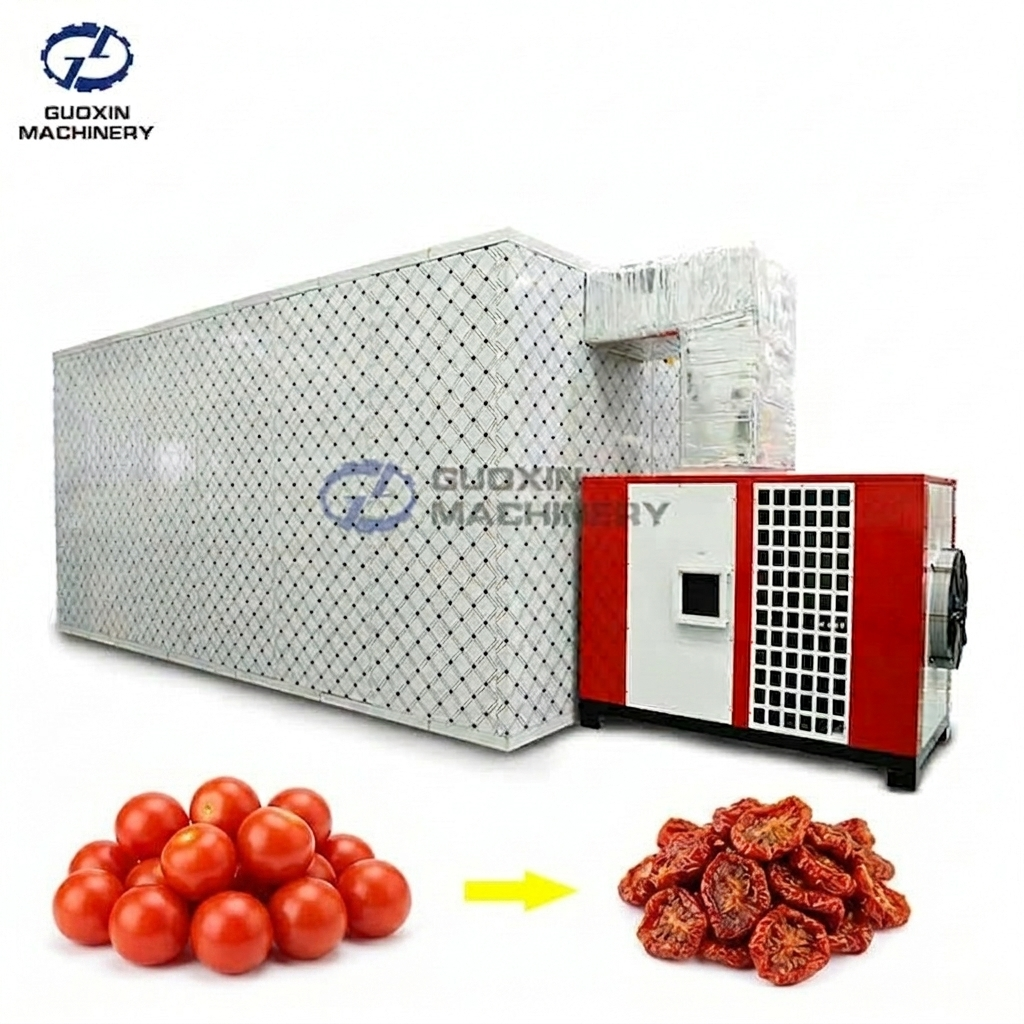
Sun-Dried Tomato Drying – Parameters for Industrial Production of Consistent Tomato Slices
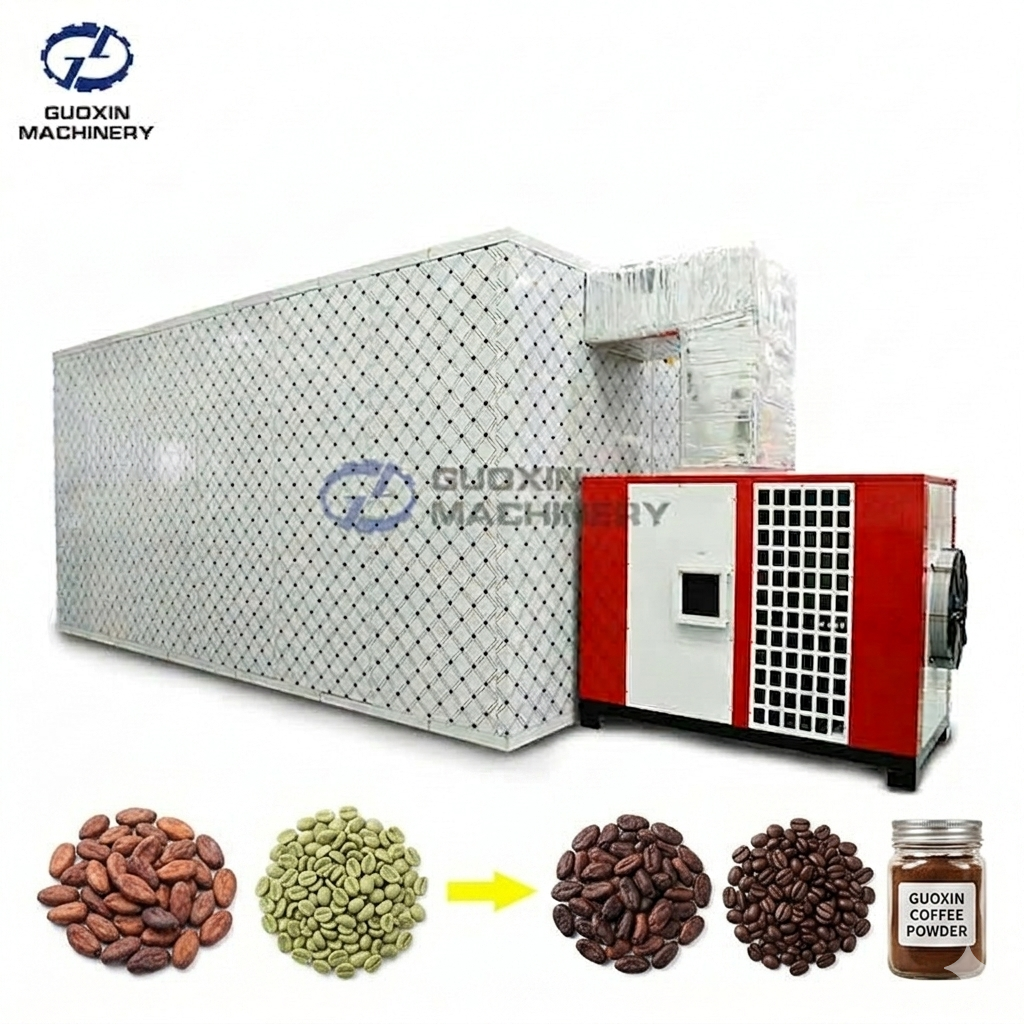
Drying Coffee Beans, Cocoa Nibs and Instant Coffee Powder