© Henan Guoxin Machinery Manufacturing Co., Ltd. All Rights Reserved.



Release time:2026-03-16
How do processing plants optimize the industrial chili pepper drying period for single-shift operations?
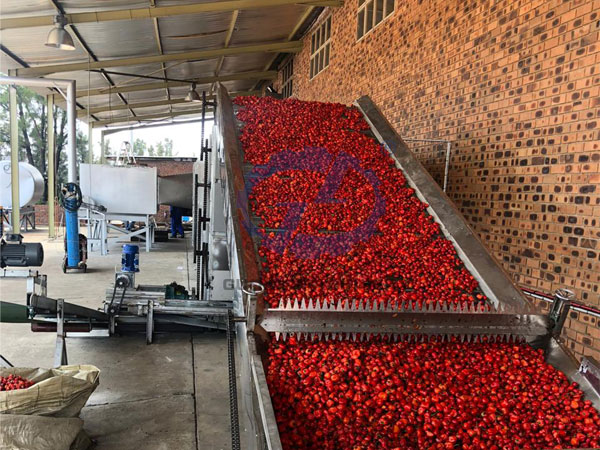
In large-scale spice exporting and pepper processing, selecting the right chili drying machine and managing the thermal chili pepper drying period are the most critical factors affecting net ROI… For facilities operating on a standard 8 hours per day single labor shift, mechanical configuration dictates success.
Because whole chili peppers possess a thick, waxy cuticle that locks in moisture, their natural drying cycle typically requires 8 to 14 hours. To fit a high-volume yield into a strict daily work shift, plant managers must either deploy automated continuous lines that run autonomously 24/7 or utilize advanced slicing pre-treatments to compress the core drying period.
The moisture profile of fresh, mature industrial chili peppers must be reduced systematically from approximately 80% down to a shelf-stable 8% to 12% to preserve capsaicin density and vivid red coloration.
[Raw Intake] → [Automated Washing] → [Optional Slicing/De-seeding] → [Zoned Convective Drying] → [Stabilized Red Chilis]
Scenario A: Whole Chili & Habanero Dehydration (Extended Cycle)
Whole peppers require a longer thermal exposure window. To prevent the outer skin from hardening and trapping moisture inside the core (case hardening), temperatures must be held at a moderate 50°C to 65°C.
Scenario B: Sliced/Crushed Pepper Processing (Compressed Cycle)
Passing fresh chilis through an industrial slicer or chopper before they enter the drying tunnel breaks the waxy exterior barrier, exponentially increasing the exposed surface area for mass transfer.
Guoxin Machinery designs and deploys two core types of dehydration machinery, engineered based on your target daily tonnage and available fuel infrastructure.
Type A: Continuous Multi-Tier Mesh Belt Dryers (High-Volume Automation)
Engineered for continuous, large-scale industrial spice operations where feeding and discharging run simultaneously around the clock.
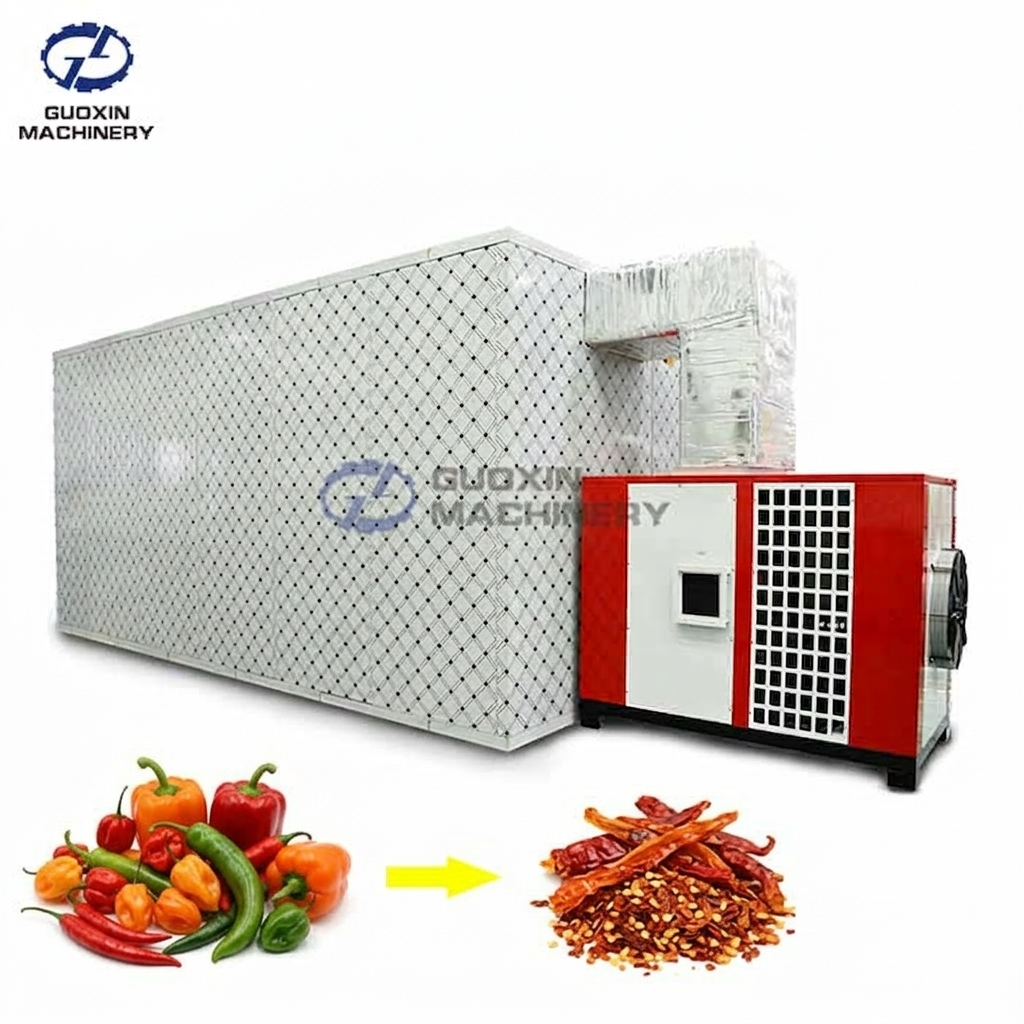
Type B: Air Energy Heat Pump Dehumidification Chambers (Precision Premium Quality)
The global standard for premium, high-capsaicin varieties (like Bird’s Eye, Chile Habanero, or Ghost Peppers) where color retention and zero browning are the absolute priorities.
The table below outlines output capacities based on equipment configuration and operational shift structures.
| Equipment Type | Plant Scale | Processing Cycle Pattern | Output Potential (Per 8 Hours of Labor) | Best Fuel Source |
| GX-HP-Cabinet Series | Small Factory | Batch Loading (Overnight Run) | 200 kg to 400 kg / Batch | Electrical Power Only |
| GX-HP-Modular Room | Medium Plant | Dual-Chamber Staggered Batch | 1 to 3 Tons / Day | Electrical Power Only |
| Continuous Mesh Belt | Large Industrial | Uninterrupted 24/7 Flow Line | 5 to 30+ Tons / Day | Natural Gas, Steam, or Biomass |
Q1: If our factory only operates 8 hours per day, will a continuous mesh belt dryer work for us?
A: Continuous mesh belt lines deliver their highest ROI when operated continuously because shutting down and restarting the massive thermal tunnel daily wastes fuel and thermal mass. If your personnel are strictly limited to an 8 hours per day shift, we highly recommend a Modular Air Energy Heat Pump System. This allows your team to load the chambers during their shift, lock the doors, and let the PLC execute the drying period autonomously overnight. The finished chilis are ready for packaging the moment your workers arrive the next morning.
Q2: How does the system prevent sensitive chili peppers like Chile Habanero from turning black or losing color or turning black?
A: Discoloration and blackening are caused by scorching temperatures (above 70°C) or poor moisture evacuation, which causes the peppers to “stew” in their own humidity. Our chili drying machine uses zoned convective airflow managed by precision sensors. By keeping the drying zone tightly regulated between 50°C and 65°C and evacuating high-humidity air instantly via axial fans, the natural carotenoid pigments are preserved perfectly, resulting in bright, premium-grade red chilis.
Q3: What material grade is used to construct the chili contact parts?
A: Chili peppers contain volatile oils and natural compounds that can degrade low-grade metals over time. To guarantee international food compliance (FDA, CE, and HACCP standards), all material contact surfaces, conveyor chains, structural trays, and internal linings in Guoxin machinery are fabricated entirely from food-grade SUS304 stainless steel. This construction supports high-pressure sanitation wash-downs without risking oxidation or chemical corrosion.
[Contact Our Engineering Team for a Custom 3D Plant Layout & Tailored Processing Proposal]
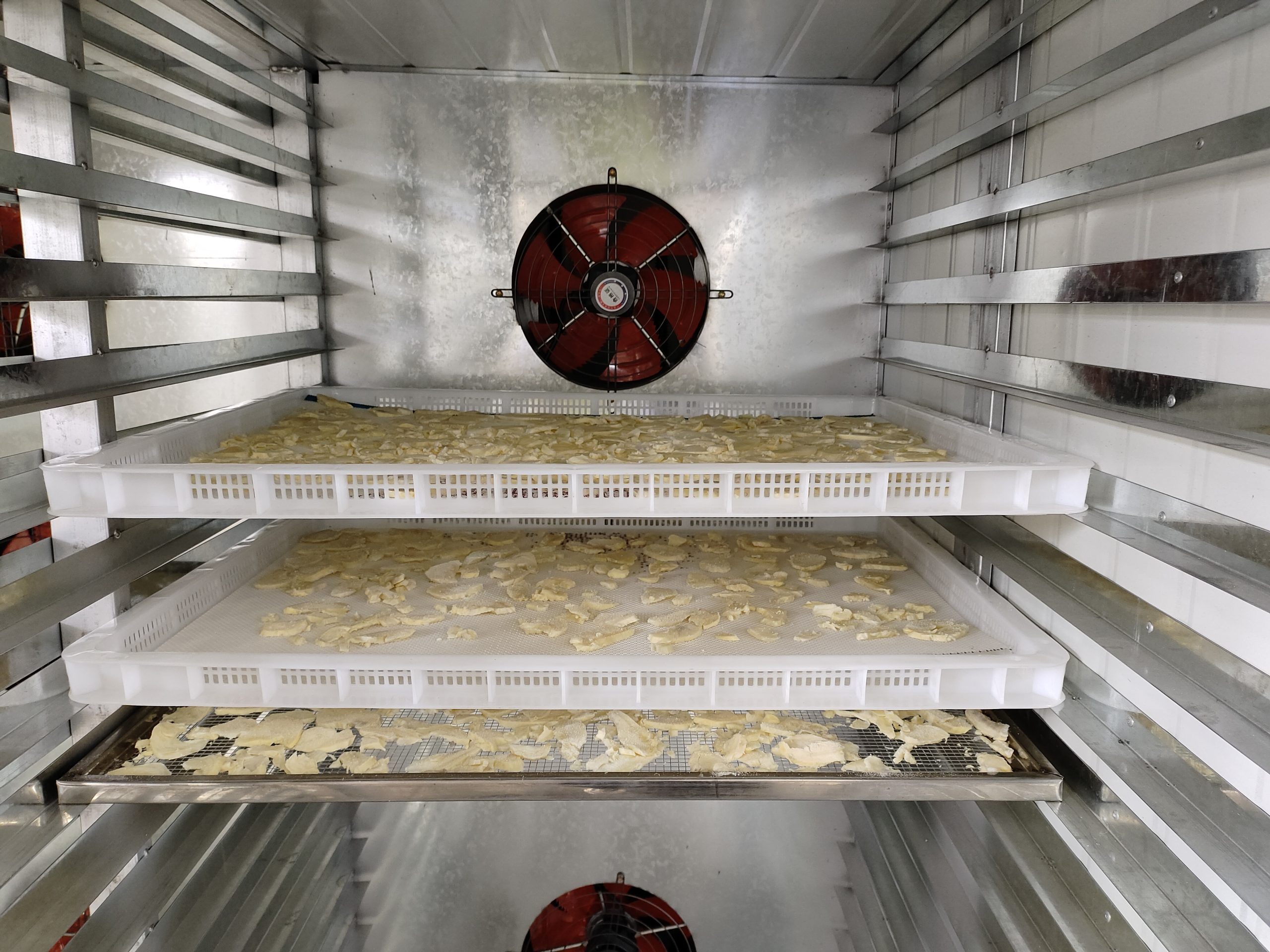
Commercial Durian Dehydration: Preserving Quality with Heat Pump Technology
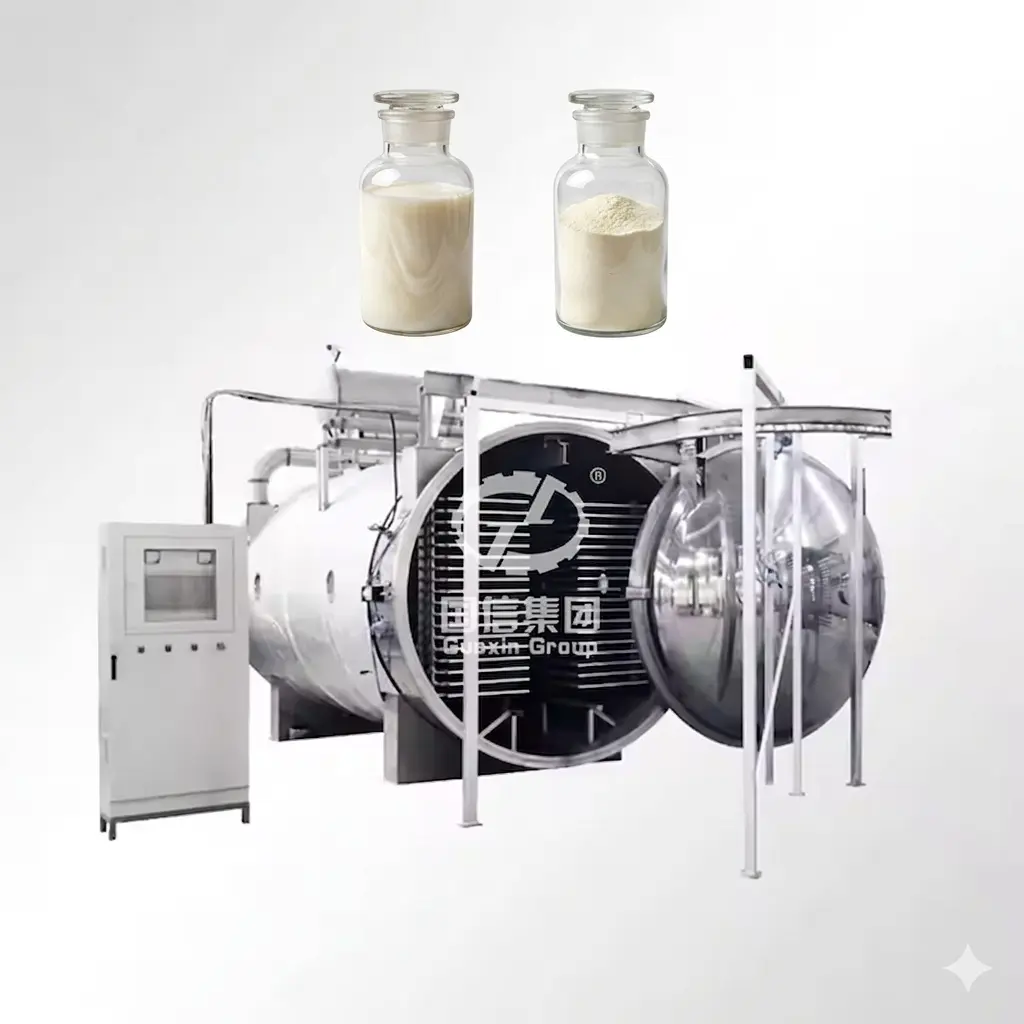
Milk Powder Drying – Parameters for Consistent Final Moisture and Functional Properties
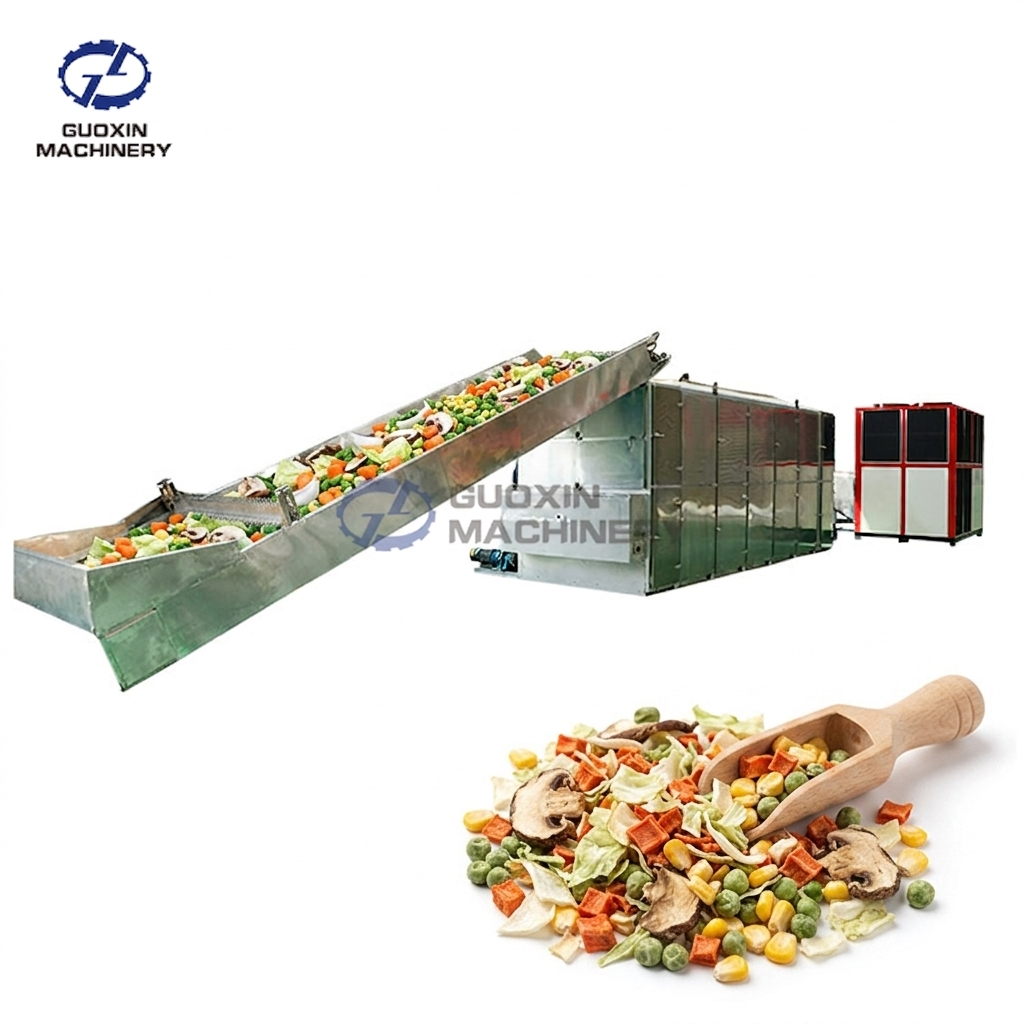
Dehydrated Vegetables for Instant Noodle Seasoning – Drying Parameters for Consistent Quality in Seasoning Packs
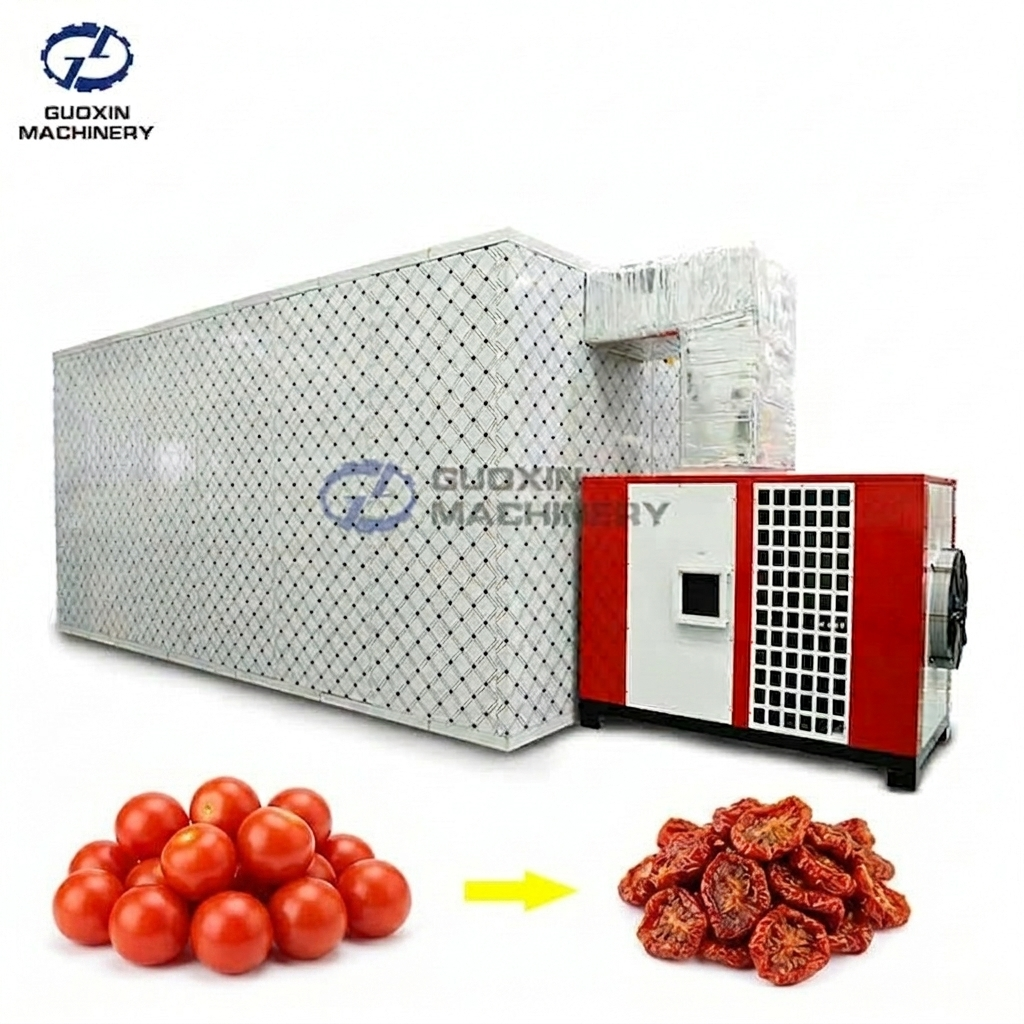
Sun-Dried Tomato Drying – Parameters for Industrial Production of Consistent Tomato Slices
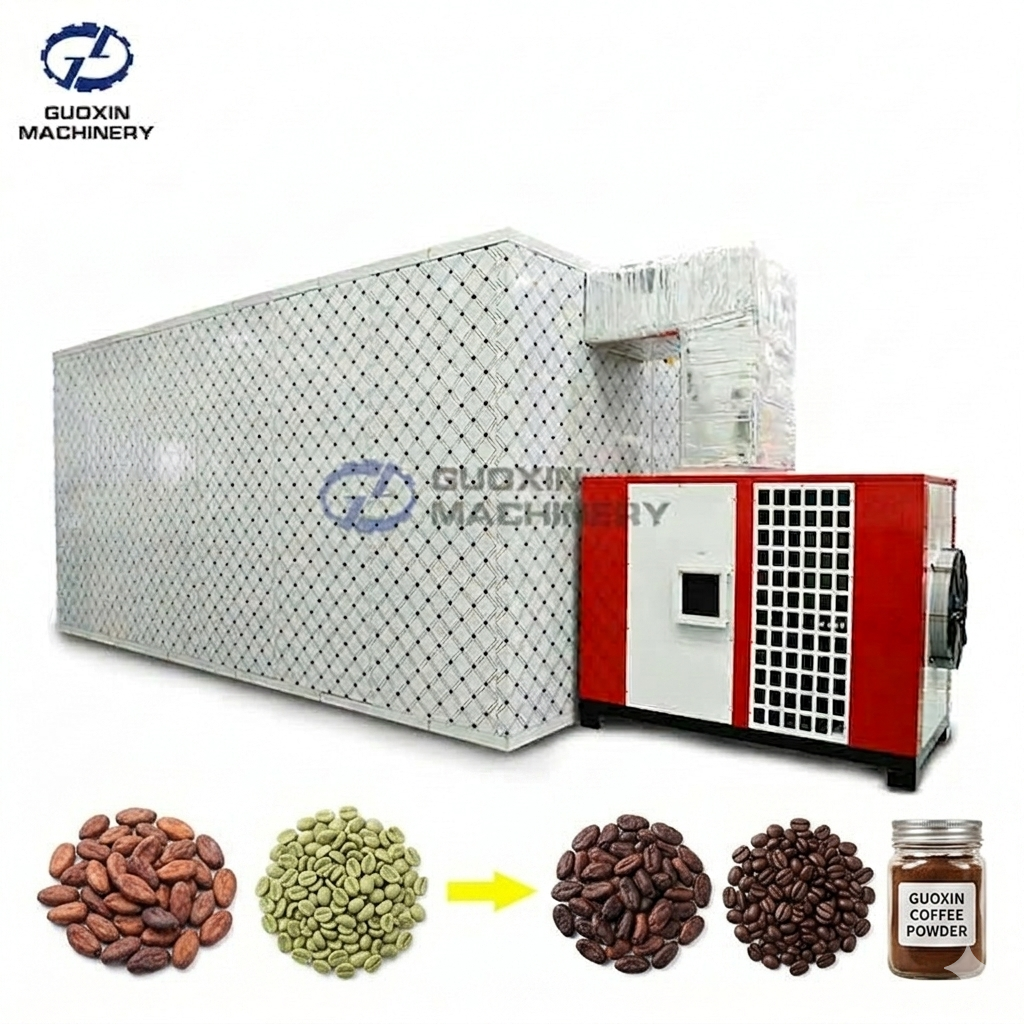
Drying Coffee Beans, Cocoa Nibs and Instant Coffee Powder