© Henan Guoxin Machinery Manufacturing Co., Ltd. All Rights Reserved.



Release time:2026-03-10
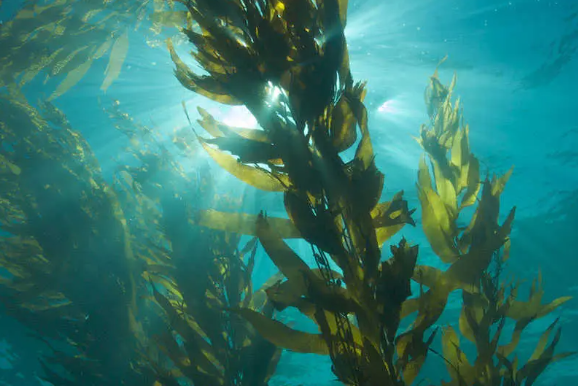
How do marine food processors maintain bioactive iodine and vibrant color during large-scale seaweed dehydration?
Seaweed and marine algae (such as kelp, nori, wakame, and dulse) are highly sensitive to thermal degradation. Freshly harvested seaweed carries an extremely high moisture profile—often up to 85% to 90%. To stabilize this biomass, prevent rapid spoilage, and preserve active nutrients (such as alginates, carrageenan, and organic iodine), marine food processors must deploy specialized industrial seaweed dehydrators.
Standard high-temperature dryers strip seaweed of its natural color, causing enzymatic browning and severe loss of commercial value. Therefore, achieving export-grade quality requires precise low-temperature thermodynamic control and high-volume moisture evacuation.
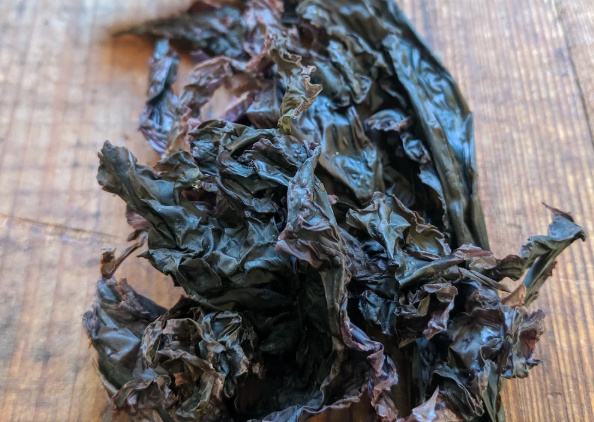
An optimized, food-grade seaweed drying process requires a systematic, multi-stage sequence to guarantee high rehydration rates and eliminate microbial hazards.
[Raw Intake] → [Bubbling Washing & Desalination] → [Centrifugal Dewatering] →
[Controlled Low-Temp Drying] → [Sealed Packaging]
Step 1: Industrial Cleaning & Desalination
Fresh seaweed contains high volumes of sand, salt, marine impurities, and surface mucilage. Using an automated bubble washing machine, the seaweed is thoroughly cleaned without damaging its delicate leafy structure.
Step 2: Mechanical Dewatering
Before thermal drying, surface water must be removed to save heating energy. Passing the washed seaweed through a centrifugal dewatering machine or an air-knife blower line reduces surface moisture, preparing the material for the drying chamber.
Step 3: Zoned Constant-Temperature Dehydration
The dewatered seaweed is transferred to a commercial seaweed drying machine. Because chlorophyll and volatile marine compounds degrade rapidly above 60°C, the drying environment must be maintained within a strict 35°C to 55°C temperature boundary.
First Stage (High Humidity Extraction): Constant-rate drying at 40°C with rapid fan circulation to quickly pull out free surface water.
Second Stage (Core Dehydration): Gentle low-temperature drying at 50°C to reduce internal bound moisture down to a stable final moisture level of 10% to 12% for long-term storage (up to 2 years).
Guoxin Machinery designs and manufactures two primary classes of commercial seafood dryers, customized to fit your daily throughput and spatial constraints:
Option A: Air-Energy Heat Pump Dehydrator (Premium Quality & Low Operating Cost)
The gold standard for premium culinary seaweeds, sushi nori sheets, and nutraceutical-grade algae.
Closed-Loop Latent Heat Recovery: This system uses a reverse Carnot cycle to capture heat from the exhausted moisture. It recycles over 90% of the thermal energy, reducing electricity consumption by 60% to 75% compared to traditional electrical resistance ovens.
Perfect Color & Aroma Retention: Operating as a closed system, it prevents secondary environmental contamination and dries the seaweed gently. Dried seaweed retains its vibrant green/brown coloration, natural ocean aroma, and delicate texture without cracking or warping.
Option B: Continuous Multi-Layer Mesh Belt Dryer (High-Volume Automation)
Specifically engineered for high-tonnage industrial processors producing seaweed flakes, kelp meal, animal feed, or raw biomass for carrageenan extraction.
The table below outlines our standard configurations. We can customize the chamber footprint and belt configuration based on your specific factory layout.
| Technical Parameter | Batch Heat Pump Drying Room | Continuous Mesh Belt Seaweed Line |
| Hourly Output Capacity | 200 kg to 2,000 kg per batch | 1 Ton to 10+ Tons per day |
| Typical Temperature Range | 35°C to 65°C (Highly Adjustable) | 40°C to 80°C (Zoned PLC Controlled) |
| Moisture Reduction Profile | From ~90% down to <10% | From ~90% down to <12% |
| Core Advantage | Maximum bioactive nutrient & color preservation | Uninterrupted high-capacity automated output |
| Material Contact Metallurgy | Food-Grade SUS304/SUS316 Stainless Steel | Food-Grade SUS304 Stainless Steel |
| Best Fuel Source | Electricity (Heat Pump Technology) | Natural Gas, Steam, or Biomass |
Q1: Why is a heat pump dryer superior to a traditional hot-air drying room for food-grade seaweed?
A: Traditional hot-air ovens rely on venting high-temperature exhaust air directly outside, wasting massive amounts of energy and overheating the product. This high heat degrades chlorophyll, turning the seaweed a dull black or yellow, and destroys valuable bioactives. Our industrial seaweed dehydrator uses low-temperature heat pump technology. It removes moisture through dehumidification rather than harsh baking, preserving the natural color, nutrients, and texture of the marine product while cutting energy bills by up to 75%.
Q2: How does your equipment prevent seaweed from sticking to the conveyor belt or trays?
A: Fresh seaweed is naturally sticky due to its high polysaccharide and alginate content. To prevent sticking, Guoxin utilizes specialized food-grade Teflon-coated mesh belts or polished food-grade SUS304/SUS316 stainless steel wire mesh. Additionally, the continuous air circulation in our dryers is configured with cross-flow air patterns to rapidly form a dry, non-sticky outer skin on the seaweed as soon as it enters the drying chamber.
Q3: How do we prevent salt-water corrosion on the dryer machinery?
A: Marine environments are highly corrosive. To ensure long-term durability and compliance with strict food safety audits (HACCP, FDA, and CE standards), all internal chambers, trays, trolleys, and conveyor belts in our seafood dryers are built from premium SUS304 stainless steel (or optional SUS316L for high-salinity applications). All electrical components are housed in IP65-rated waterproof enclosures to withstand high-pressure wash-downs and chemical sanitization.
Commercial Durian Dehydration: Preserving Quality with Heat Pump Technology
Milk Powder Drying – Parameters for Consistent Final Moisture and Functional Properties
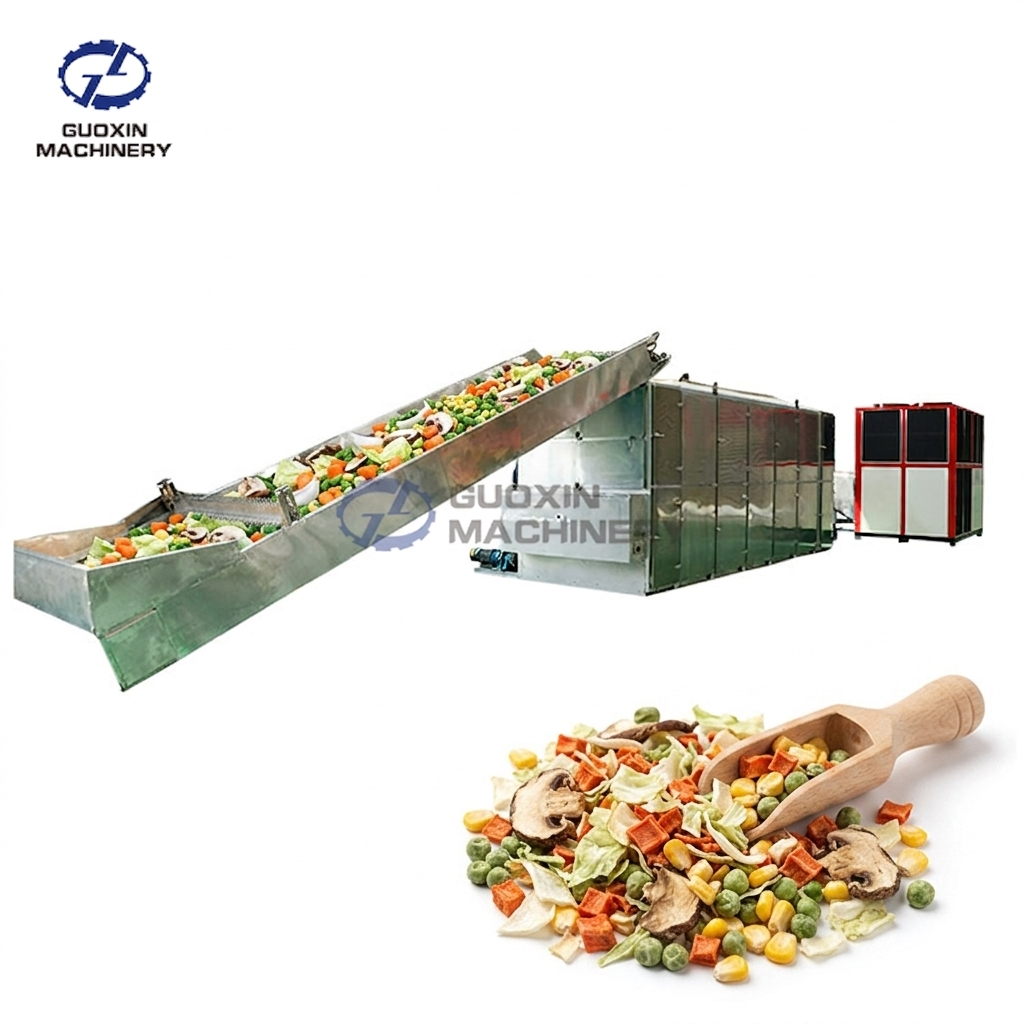
Dehydrated Vegetables for Instant Noodle Seasoning – Drying Parameters for Consistent Quality in Seasoning Packs
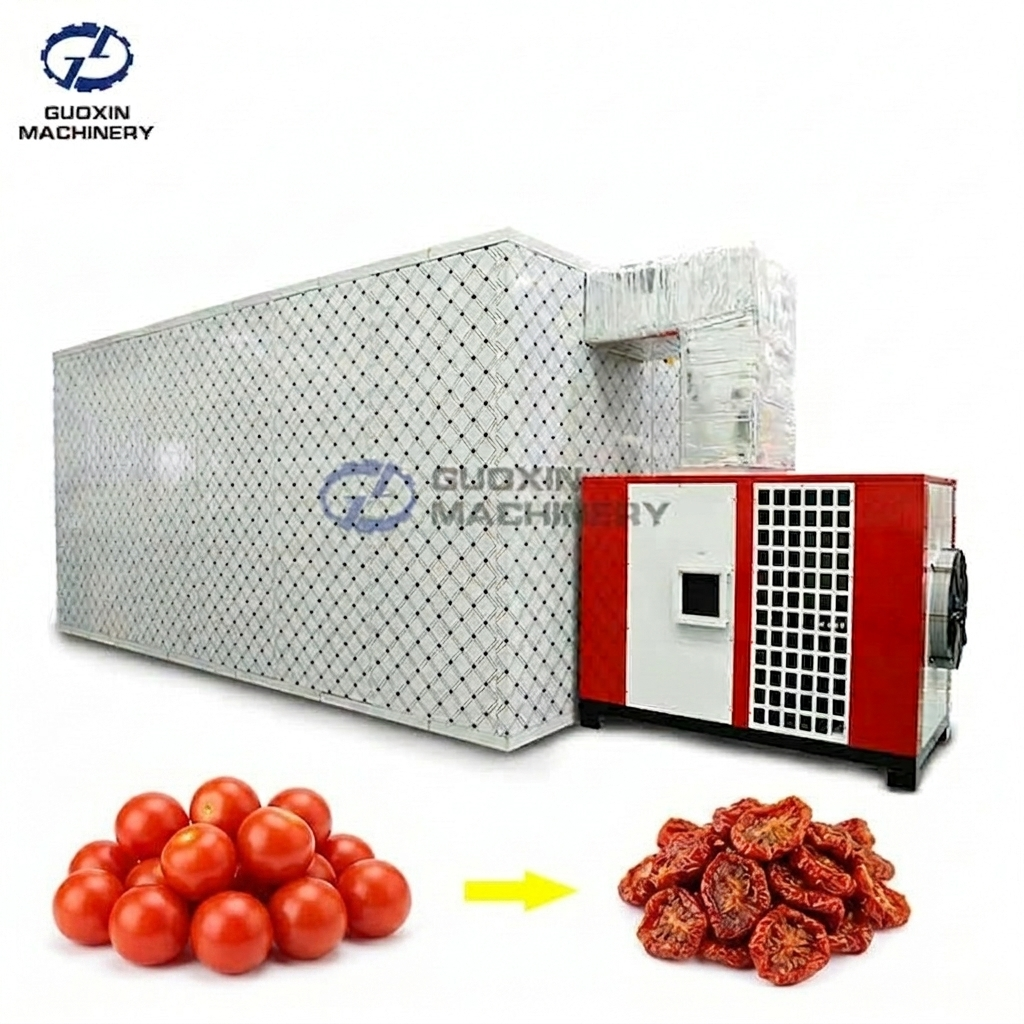
Sun-Dried Tomato Drying – Parameters for Industrial Production of Consistent Tomato Slices
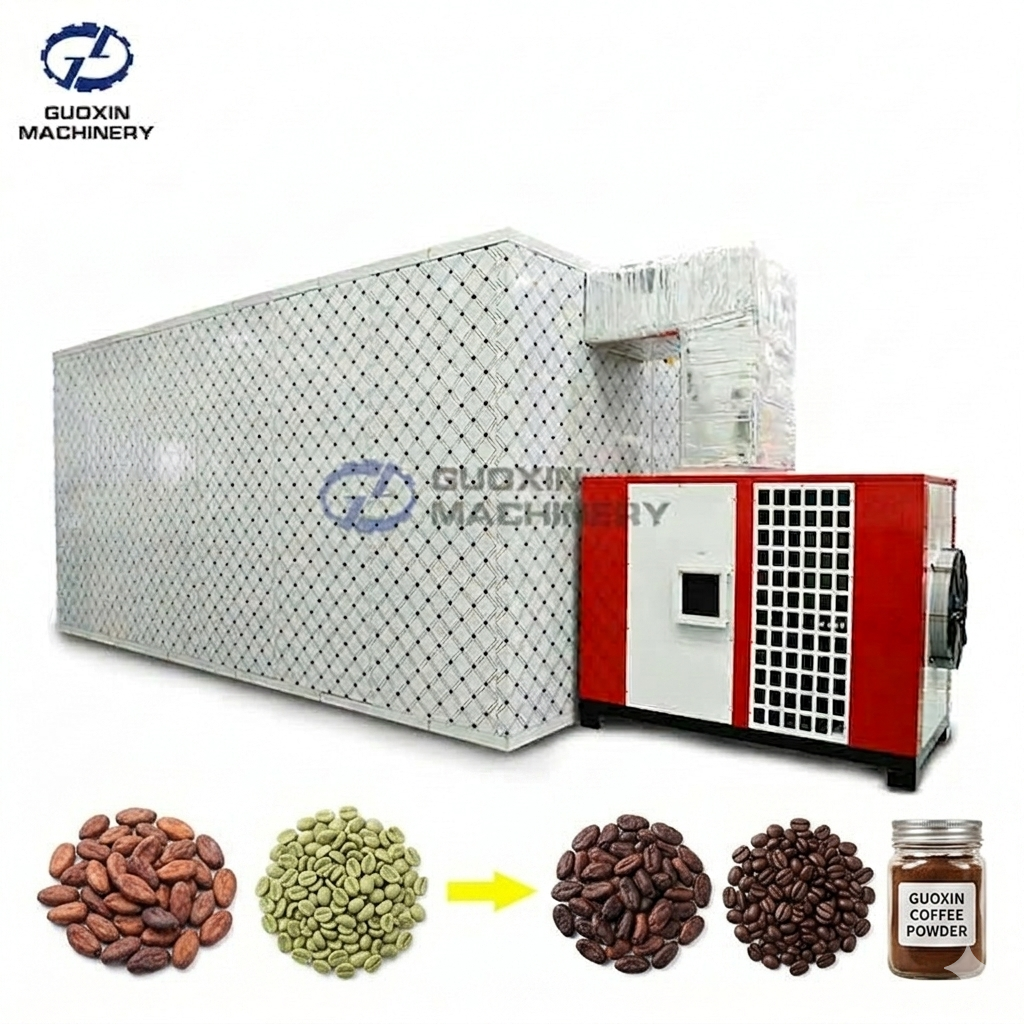
Drying Coffee Beans, Cocoa Nibs and Instant Coffee Powder