© Henan Guoxin Machinery Manufacturing Co., Ltd. All Rights Reserved.



Release time:2026-05-07
In the industrial processing of peanuts (groundnuts), moisture control is the most critical factor in preventing aflatoxin contamination and ensuring long-term storage stability. This case study examines a high-capacity peanut drying installation utilizing a Continuous Mesh Belt Dryer powered by Air-Energy Heat Pump technology.
The client required an automated, high-volume solution to replace traditional sun-drying and inefficient batch ovens. The primary objectives were:
High Throughput: Processing multiple tons of peanuts per day in a continuous flow.
Uniform Moisture Control: Achieving a consistent final moisture content of 8/% – 10/% to prevent shell cracking and spoilage.
Energy Efficiency: Reducing operational costs compared to diesel or electric resistance heating.
The system consists of a multi-stage feeding system and a long-tunnel mesh belt drying chamber, as seen in our recent installation.
A. Automated Feeding and Leveling
As shown in our site photos, the peanuts are delivered via a large hopper and an inclined feeding conveyor. To ensure uniform drying, the system utilizes a mechanical leveling device at the entrance of the belt. This creates a consistent material bed height, preventing “wet spots” and ensuring airflow penetrates the entire layer of nuts evenly.
B. Heat Pump Integration
The core thermal source is an industrial air-energy heat pump unit. This unit extracts heat from the ambient air and delivers it to the drying chamber through a closed-loop system.
Operational Result: This configuration allows for precise temperature control (typically 40°C – 60°C for nuts) while consuming only 25/% of the electricity required by traditional heaters.
C. Material Standards
The drying chamber is constructed using SUS 304 stainless steel. This is essential for food safety and prevents corrosion from the natural oils and dust associated with peanut processing.
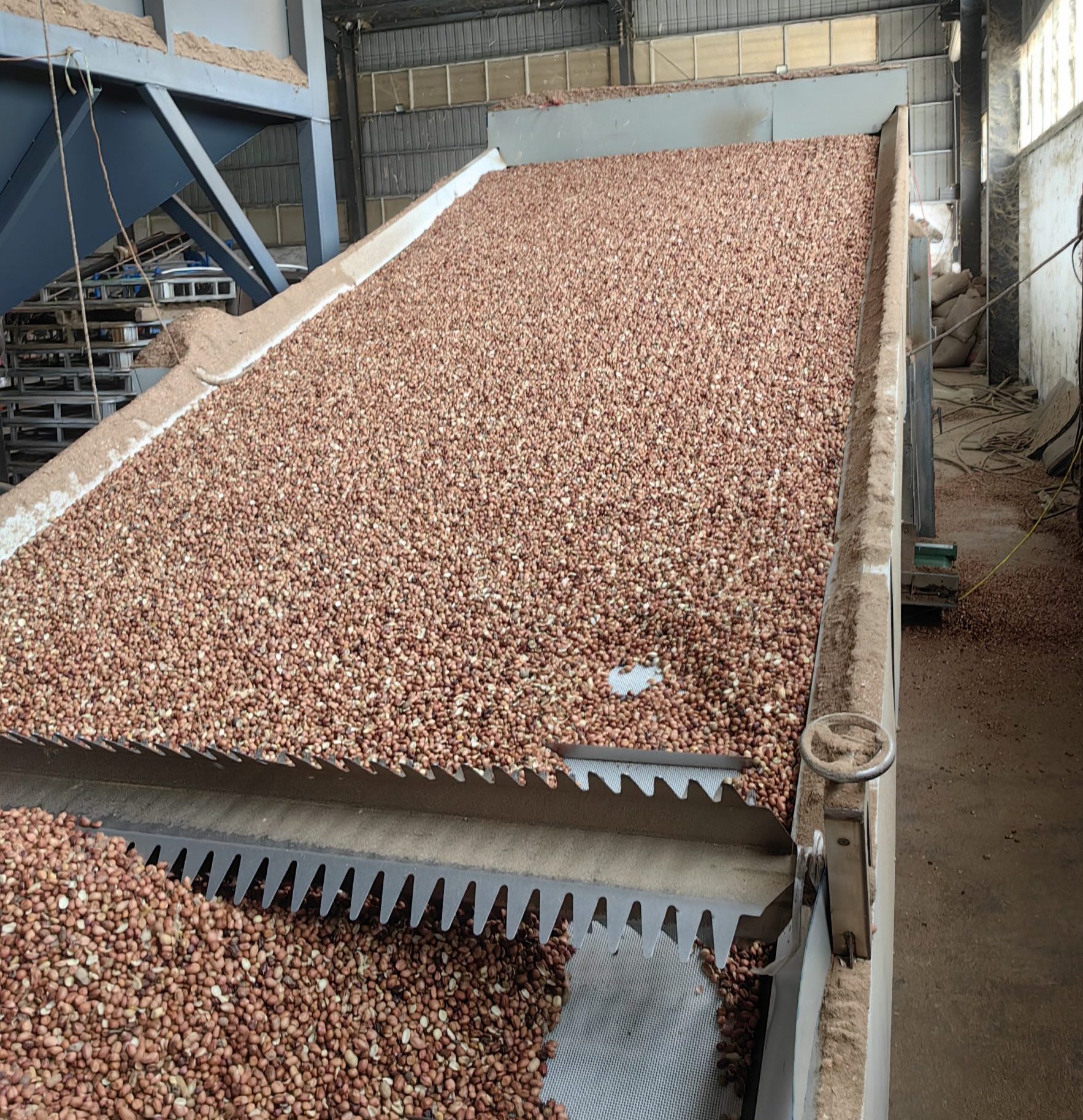
Peanut Drying
Feeding: Peanuts are moved from the storage pit to the feeding conveyor.
Layering: The material is spread across the mesh belt at a controlled thickness.
Dehydration: As the belt moves through the chamber, hot, dry air is forced through the mesh layers. The multi-layer design allows the peanuts to drop from one belt to the next, naturally flipping them for 360-degree exposure.
Discharge: The dried peanuts are collected at the end of the line, ready for bagging or further oil extraction.
| Parameter | Operational Value |
| Heat Source | Air Energy Heat Pump |
| Material Contact Parts | Food Grade SUS 304 Stainless Steel |
| Feeding Method | Automated Inclined Conveyor with Leveler |
| Drying Uniformity | >98/% consistency across the material bed |
| Energy Savings | Approx. 75/% vs. Electric Resistance Heating |
Unlike tray dryers (cabinet dryers), which are excellent for delicate fruits and herbs, the Mesh Belt Dryer is the industrial standard for nuts and grains due to:
Continuous Operation: No downtime for loading and unloading trays.
Scalability: The length of the belt and the number of layers can be customized to match factory output requirements.
Labor Efficiency: The automated conveyor system reduces the need for manual handling, significantly lowering labor costs per ton.
Q1: How do you prevent the peanuts from “over-drying” or burning?
A: Our systems use PLC-controlled temperature and humidity sensors. By maintaining a lower, stable temperature (50°C – 55°C), we preserve the natural oils and prevent the shells from becoming too brittle or scorched.
Q2: Can this machine handle both “in-shell” peanuts and blanched peanuts?
A: Yes. The belt speed and air volume are adjustable via the control panel. In-shell peanuts require longer retention times, while blanched peanuts can be processed faster at slightly lower temperatures to maintain their color.
Q3: What is the maintenance requirement for a mesh belt system?
A: The primary maintenance involves periodic cleaning of the mesh belt to remove peanut skins and dust. Because we use SUS 304 stainless steel, the system can be easily hosed down without risk of rust.
Q4: Is the heat pump effective in cold climates?
A: Modern industrial heat pumps are designed to operate efficiently in temperatures as low as -15°C. For extremely cold regions, we offer hybrid systems that combine heat pump technology with a secondary heat source to ensure consistent year-round production.
Interested in scaling your nut processing facility?
Contact Guoxin Group for a technical layout design and energy consumption analysis tailored to your site’s specific capacity.
Request a Customized Peanut Drying Proposal
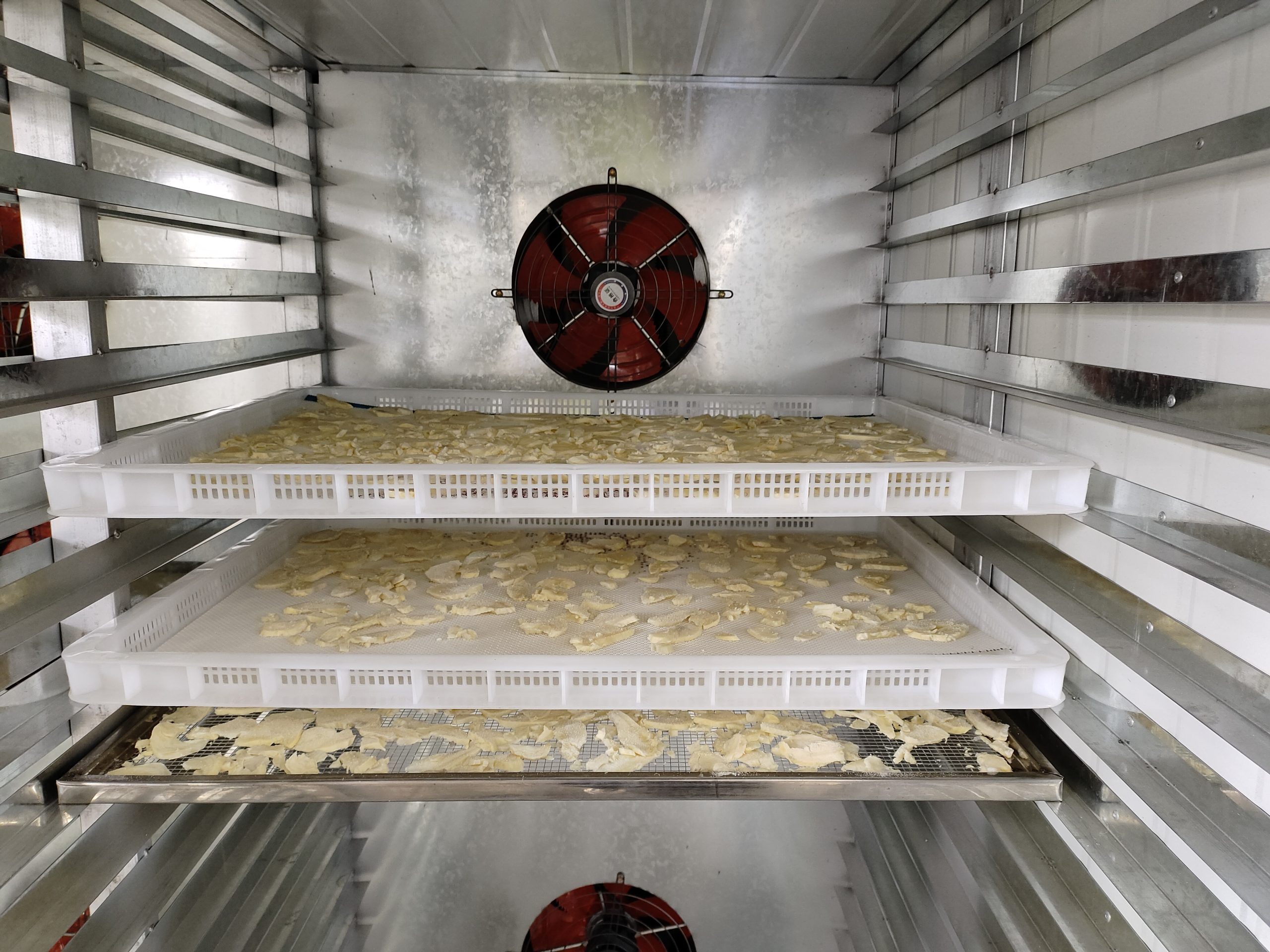
Commercial Durian Dehydration: Preserving Quality with Heat Pump Technology
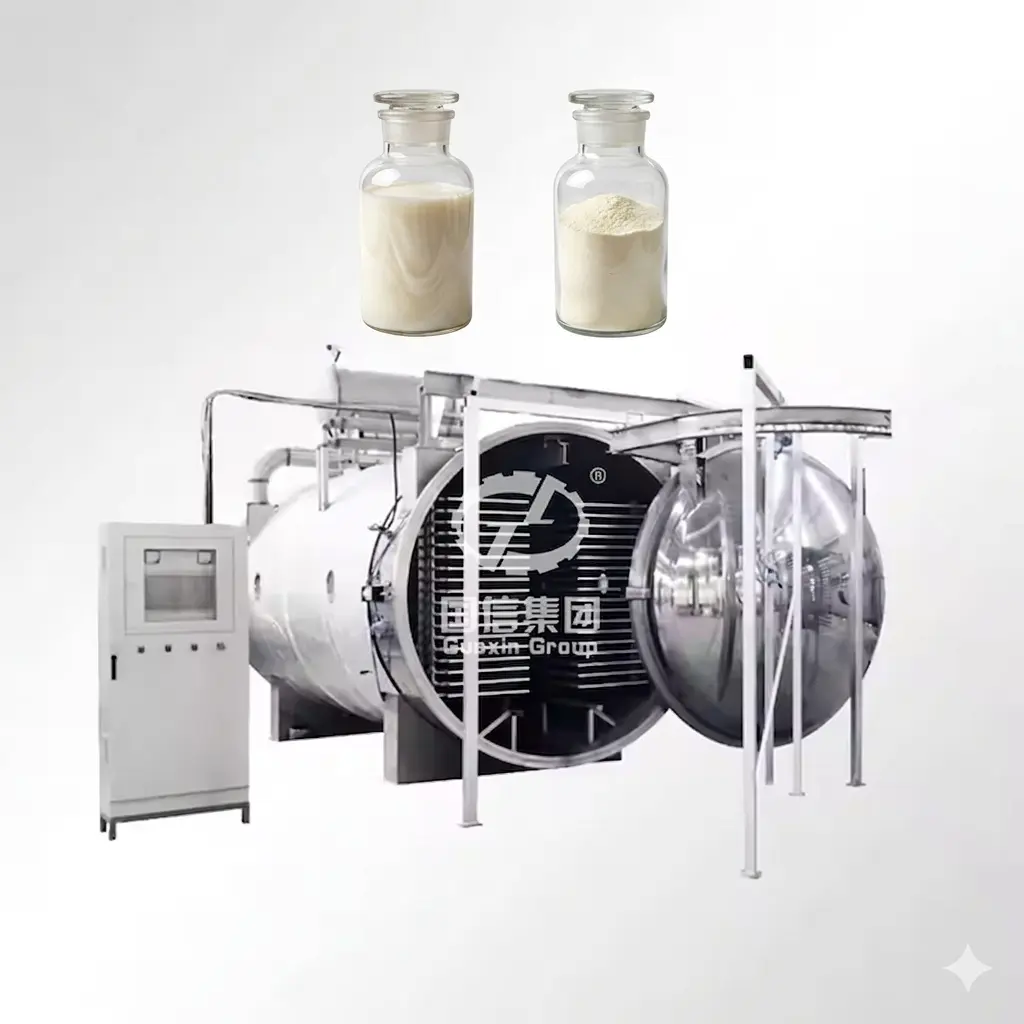
Milk Powder Drying – Parameters for Consistent Final Moisture and Functional Properties
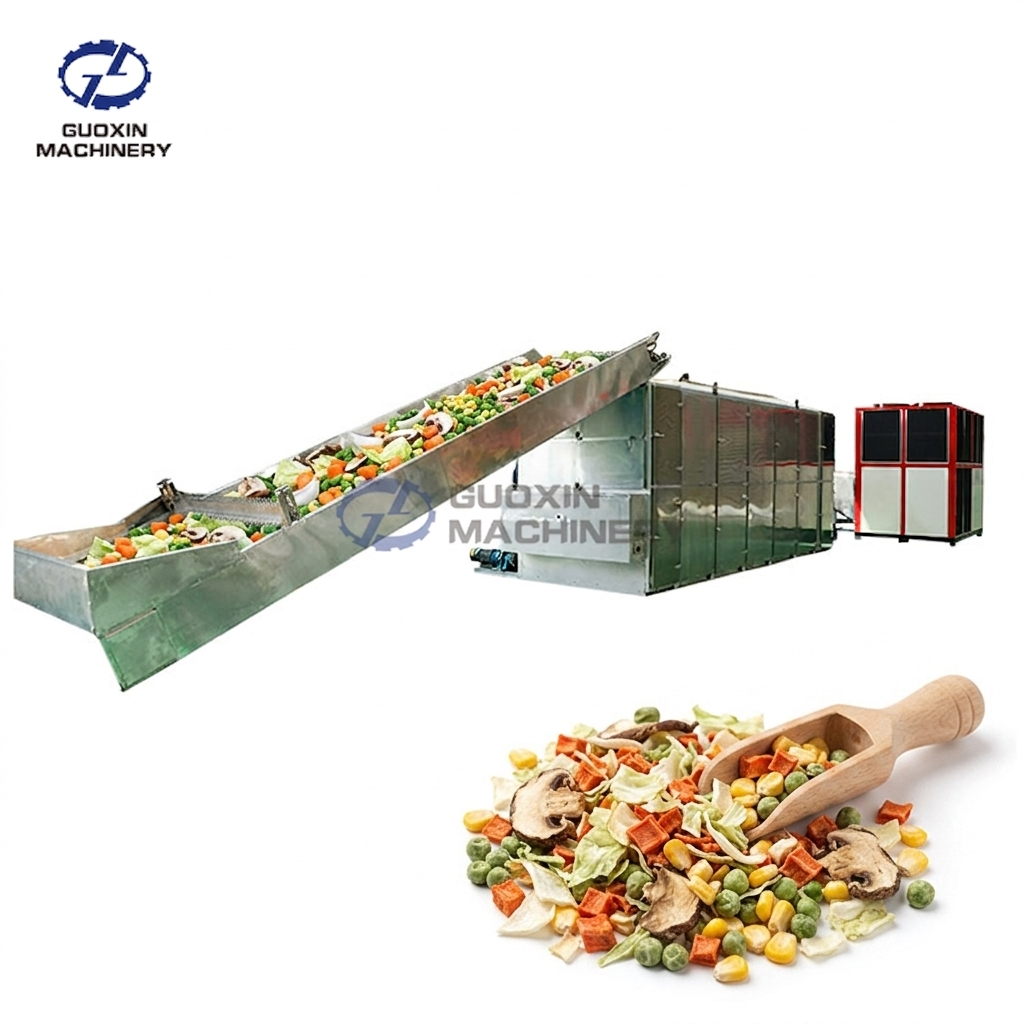
Dehydrated Vegetables for Instant Noodle Seasoning – Drying Parameters for Consistent Quality in Seasoning Packs
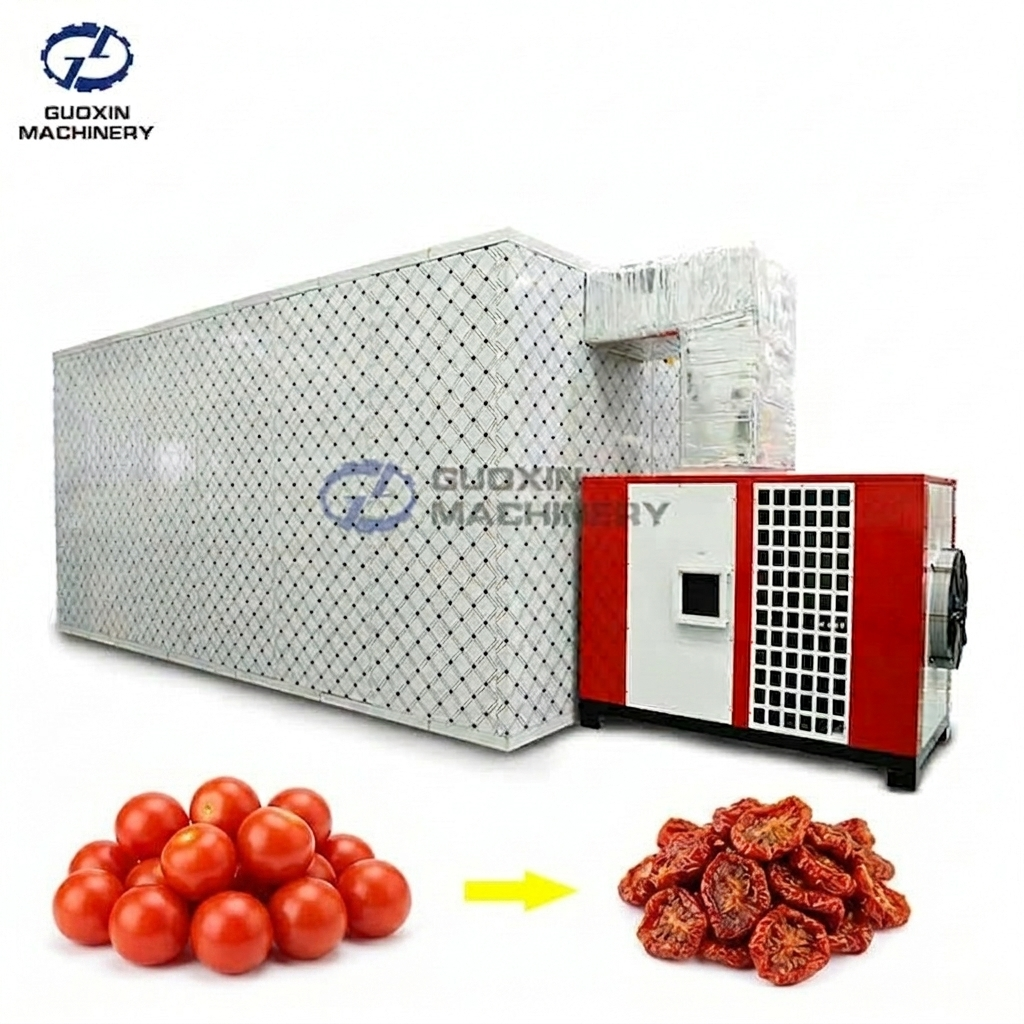
Sun-Dried Tomato Drying – Parameters for Industrial Production of Consistent Tomato Slices
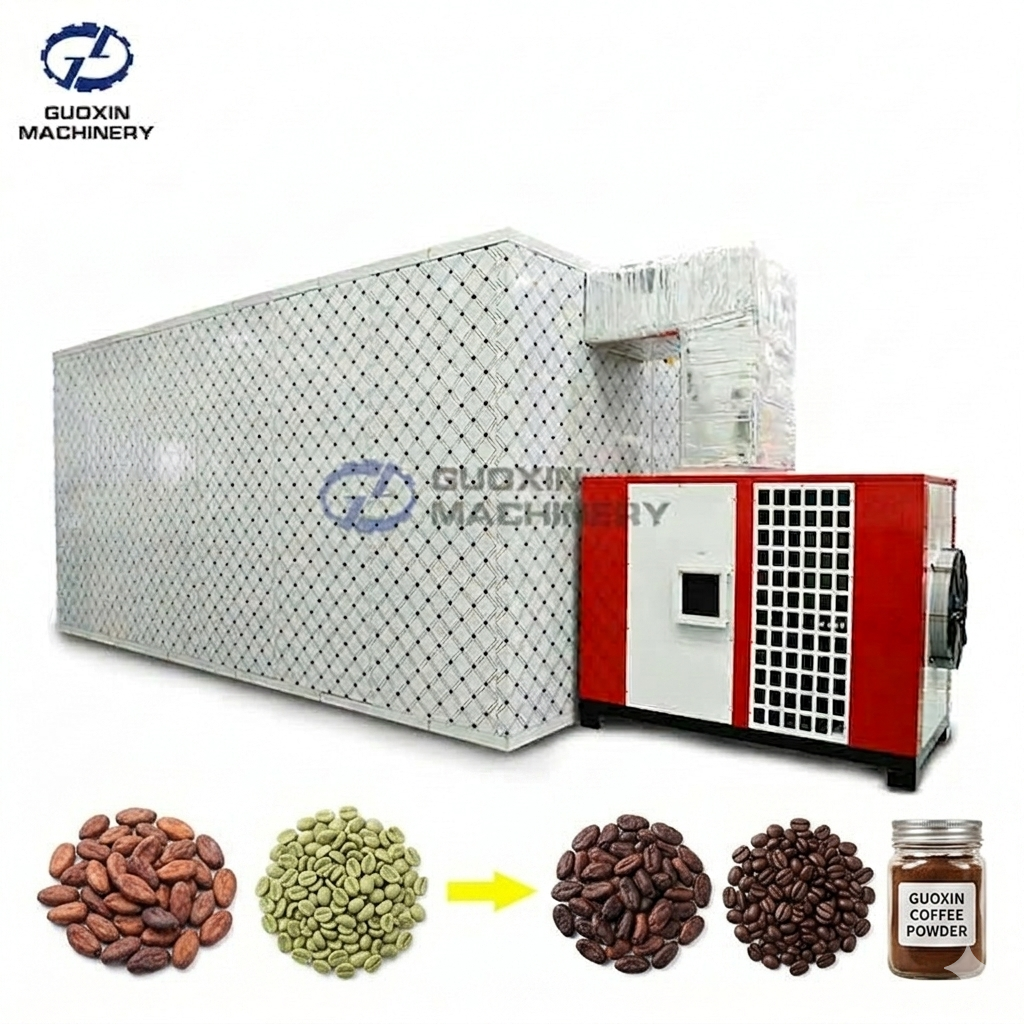
Drying Coffee Beans, Cocoa Nibs and Instant Coffee Powder