© Henan Guoxin Machinery Manufacturing Co., Ltd. All Rights Reserved.



Release time:2026-05-20

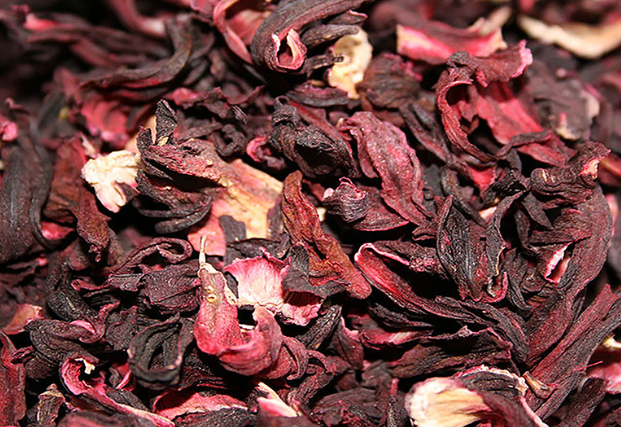
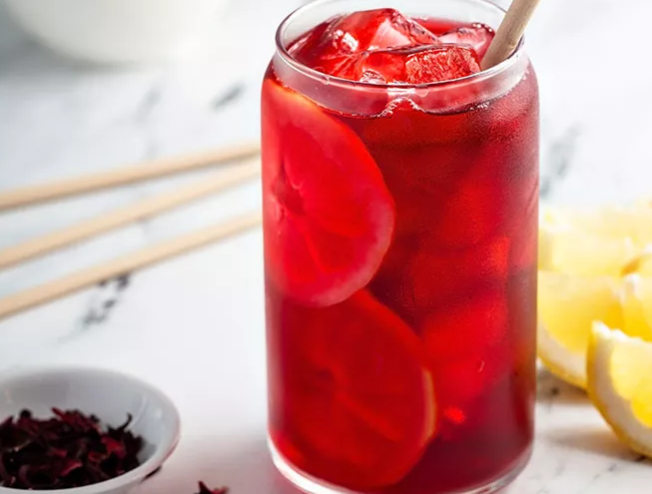
How do botanical processors preserve active anthocyanins and prevent calyx shattering during large-scale roselle drying?
Industrial processing of premium medicinal hibiscus flowers and calyces (Hibiscus sabdariffa, commercially traded as Roselle tea) requires a highly specific thermodynamic profile.
Freshly harvested and cored hibiscus calyces carry an initial moisture level of 80% to 85%. To comply with strict international export standards for botanical pharmaceuticals and premium herbal teas, this moisture content must be reduced uniformly to a stable equilibrium of 10% to 12%.
Improper thermal regulation destroys the crop’s primary commercial assets: its rich concentration of antioxidant anthocyanins and its deep ruby-red coloration. Exposure to extreme heat or poor airflow causes rapid oxidation, resulting in a dull brown or blackened product that fails international quality inspections.
Guoxin Machinery designs and builds advanced continuous hibiscus drying machines engineered to balance high-volume evaporation with the fragile structural demands of whole botanical calyces.
Dehydrating bulk medicinal botanicals requires precise control over temperature vectors and mechanical product handling to eliminate quality degradation.
A. Preservation of Anthocyanins & Prevention of Heat Browning
Anthocyanin pigments are highly thermosensitive. When subjected to standard industrial drying temperatures above 65°C, these pigments undergo thermal degradation, shifting the vibrant ruby-red color to an unacceptable dark brown.
Our continuous roselle dehydrator utilizes a multi-stage automated temperature profiling system managed through a central Siemens PLC framework. The multi-layer drying enclosure is split into isolated thermal zones. The upper conveyor layers introduce high-volume air at 55°C to 60°C to drive off unbound surface moisture rapidly. As the hibiscus moves to the lower layers where moisture levels drop below 30%, the system automatically decreases the air temperature to 45°C to 50°C, locking in the native organic acids and vivid red color.
B. Prevention of Calyx Shattering and Dust Generation
As hibiscus calyces reach their target moisture equilibrium of 10%, they become extremely fragile. Conventional rotary drums or aggressive mechanical shifting lines cause the dried petals to break into fragments, downgrading premium whole-flower product into low-value tea-bag cut (TBC) grade.
The Engineering Solution:
The drying tunnel utilizes a low-velocity, reversing vertical cross-flow air distribution coupled with gentle gravity drop-transitions. When the hibiscus moves from one belt layer to the next, it slides down custom-angled, cushioned SUS304 transition chutes rather than free-falling, ensuring that over 90% of premium whole calyces remain completely intact.
The matrix below outlines the engineered configurations for Guoxin continuous multi-tier conveyor drying lines optimized for large-scale botanical and spice processing installations.
| Operational Parameter | GX-HB-144 Continuous Line | GX-HB-205 Enterprise Plant | GX-HB-256 Industrial Complex |
| Wet Input Capacity | 400 kg/h to 650 kg/h | 1,200 kg/h to 1,800 kg/h | 2,500 kg/h to 4,500 kg/h+ |
| Conveyor Belt Width | 1,400 mm | 2,000 mm | 2,500 mm |
| Drying Enclosure Tiers | 4 Layers | 5 Layers | 6 Layers |
| Total Chamber Length | 10 Meters | 14 Meters | 18 Meters |
| Thermal Source Options | Heat Pump / Steam | Heat Pump + Steam | Direct Steam / Natural Gas Loop |
| Temperature Control | 40°C – 70°C (±0.5°C) | 40°C – 70°C (±0.5°C) | 40°C – 70°C (±0.5°C) |
| Material Build Grade | Food-Grade SUS304 Mesh | Food-Grade SUS304 Mesh | Food-Grade SUS316L / SUS304 |
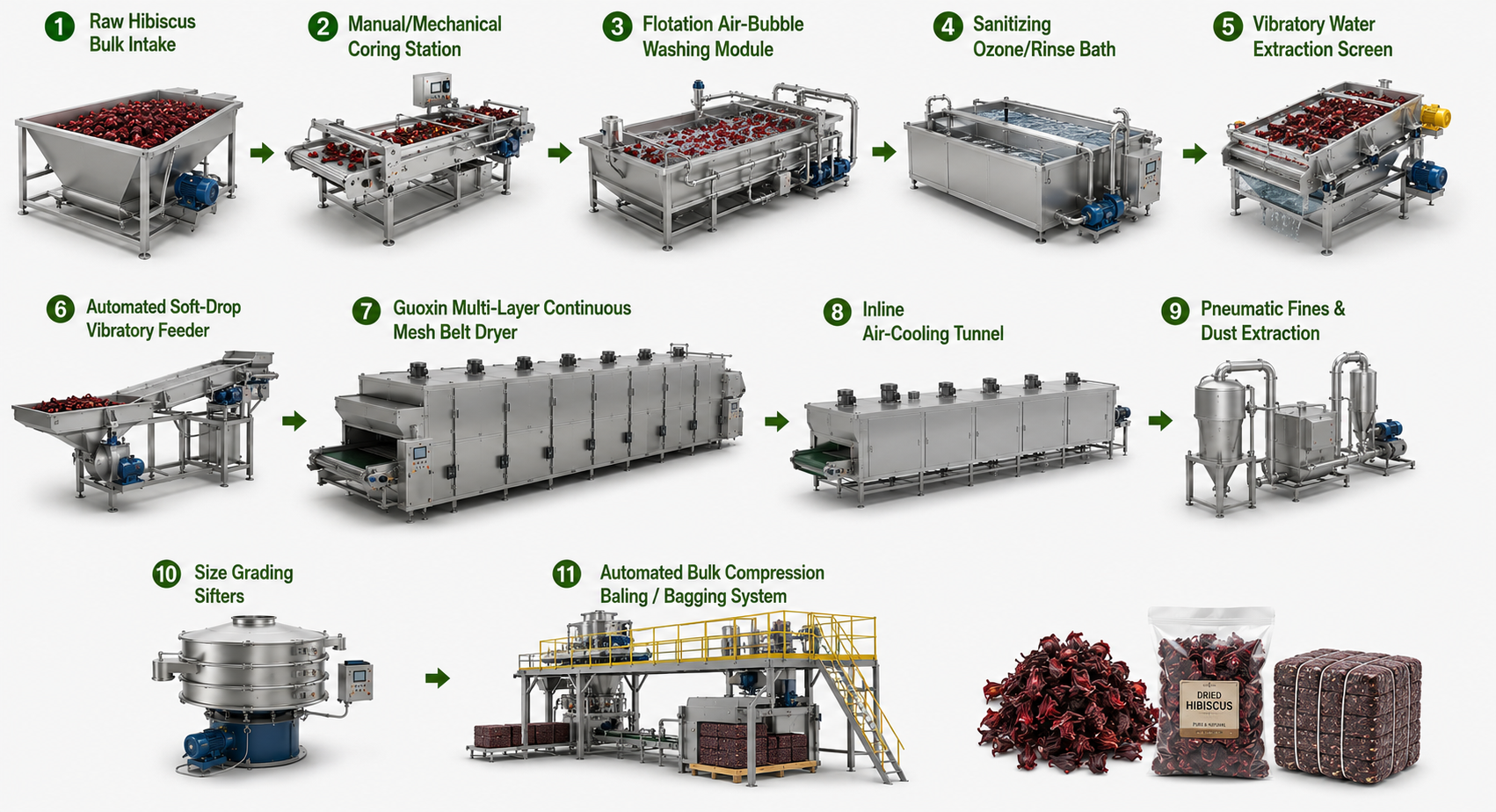
Commercial spice and herb processing facilities require full production line integration to eliminate engineering mismatches between separate equipment vendors. Guoxin Machinery designs, manufactures, and commissions complete turnkey processing lines, aligning all systems for automated material flow:
[Automated Soft-Drop Feeder] → [Multi-Layer Mesh Belt Dryer] → [Inline Cooling Tunnel] → [Size Grading Sifters] → [Bulk Baling/Bagging System]
Thoroughly removes field dust, sand particles, and organic debris from inside the curved calyx walls using high-pressure water agitation without tearing the delicate petals.
Receives wet calyces from the de-watering stage and utilizes a low-amplitude vibratory tray to distribute the material uniformly across the width of the belt, eliminating manual piling errors.
Integrates a closed-loop heat recovery circuit that condenses out moisture from the exhaust air, recycling latent heat to reduce factory OPEX by 60% to 75% compared to traditional open-vent heat tunnels.
Q1: How do I select the correct equipment model for a premium whole calyx hibiscus line?
A: Model selection is determined by your daily peak harvest volume and target output ratio. Fresh hibiscus calyces require between 4 to 7 hours of continuous processing inside our hibiscus drying machine. If your facility requires an output of 5 tons of finished whole calyces per 24-hour shift, you must account for an approximate 6:1 moisture mass reduction, meaning the line must process roughly 30 tons of wet, raw input daily. For this scale, we highly recommend our GX-HB-205 Enterprise Plant with adjusted belt speeds to provide optimal retention time without crushing the product bed.
Q2: What is the recommended factory layout for passing European and US food-safety audits?
A: To satisfy international regulatory agencies (such as HACCP, ISO 22000, or FDA inspections), the plant must enforce strict clean-room zoning. The pre-treatment machinery must be physically isolated in a designated Wet Preparation Zone with specialized floor drainage. The continuous mesh belt drying tunnel serves as the sealed technical barrier passing through the separation wall, discharging finished product directly into a positive-pressure, HEPA-filtered Dry Packaging Zone running ambient relative humidity below 40% to prevent the dried calyces from re-absorbing atmospheric moisture.
Q3: How does the equipment handle dust management and clean-down sanitation cycles?
A: To comply with strict botanical processing standards, our lines integrate a pneumatic dust extraction loop at the dryer discharge to draw off fine hairs and fragment dust safely into a localized cyclone separator. All product-contact components are fabricated from food-grade SUS304/SUS316 stainless steel. The interior walls feature a smooth, polished finish with a radius-corner design, allowing maintenance teams to perform rapid sanitation and simplify Clean-in-Place (CIP) routines.
[Contact Our Engineering Team for a Custom 3D Plant Layout & Technical Project Proposal]
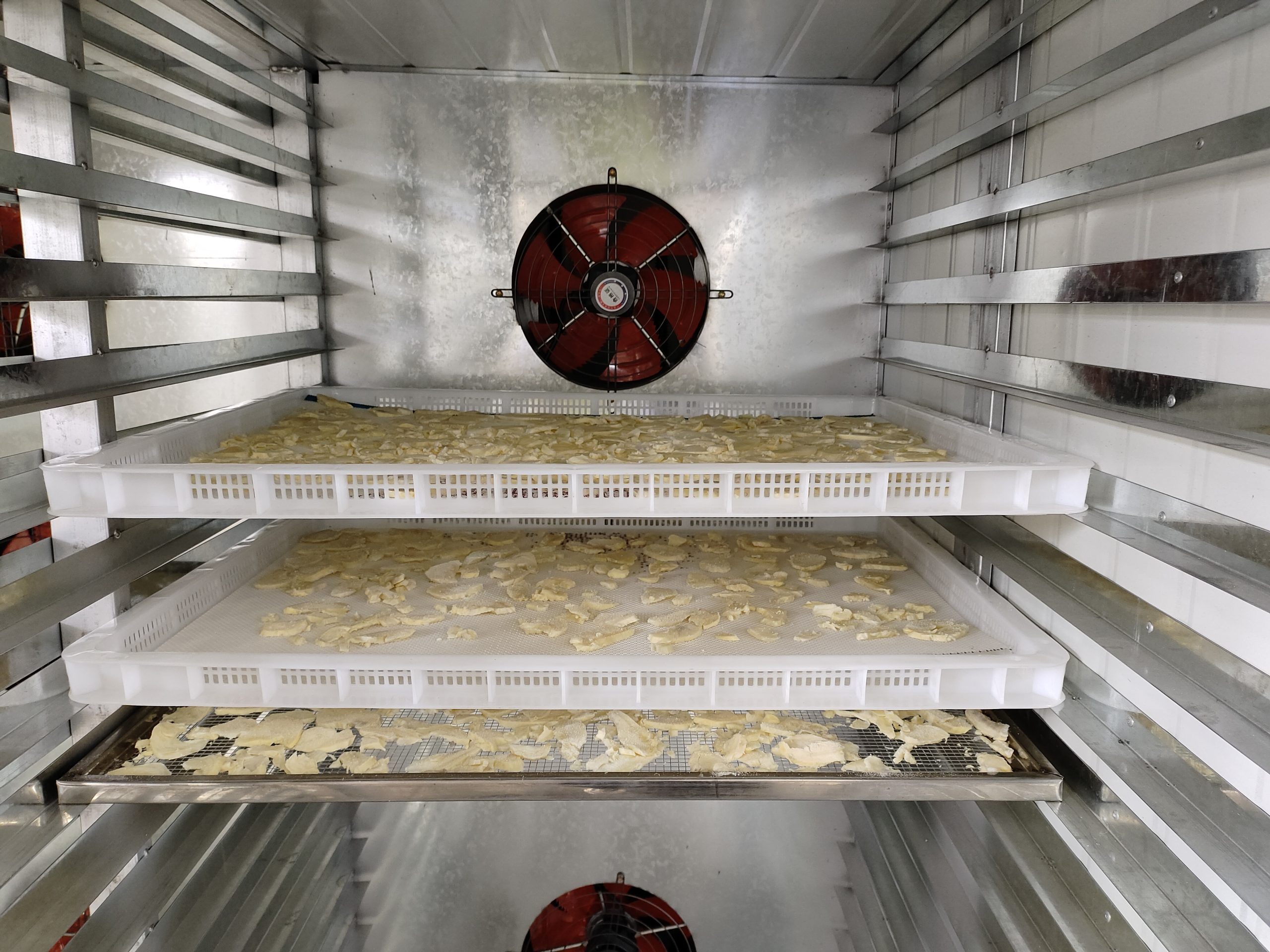
Commercial Durian Dehydration: Preserving Quality with Heat Pump Technology
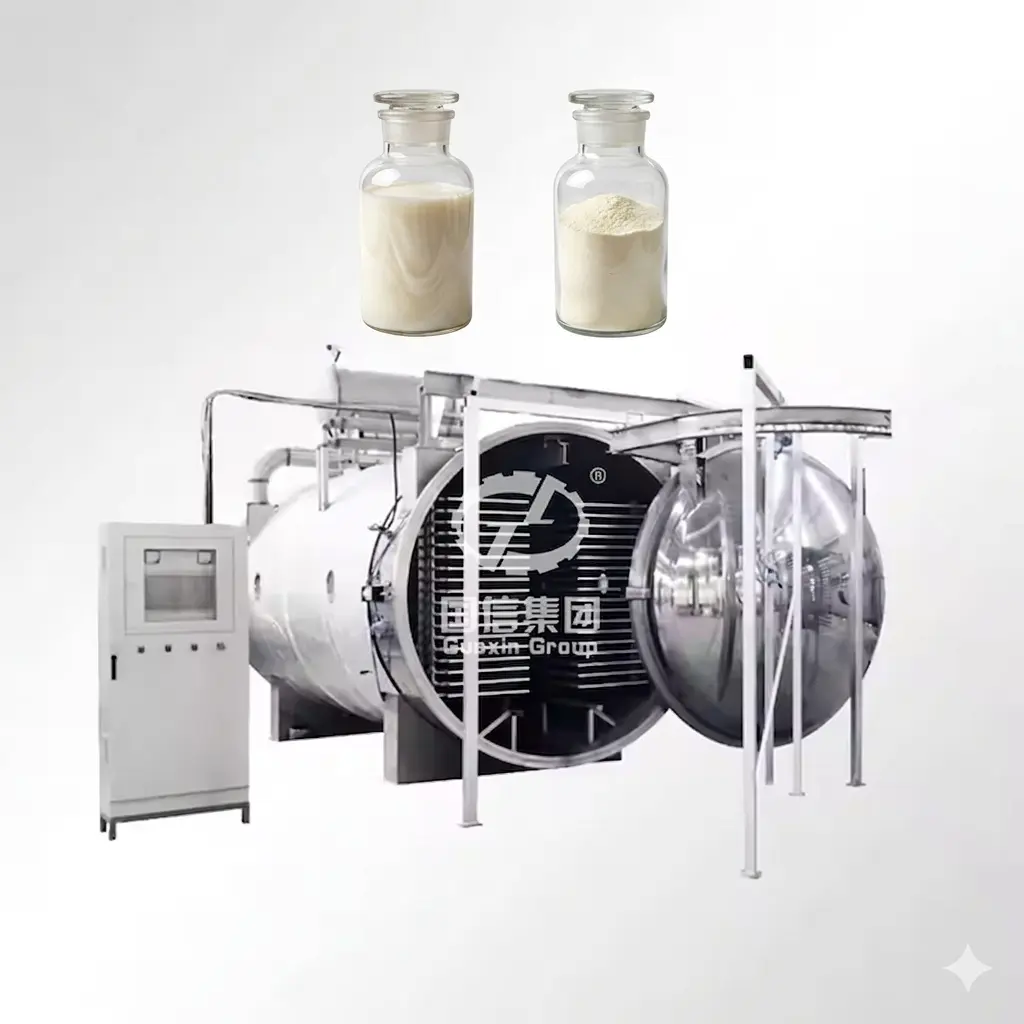
Milk Powder Drying – Parameters for Consistent Final Moisture and Functional Properties
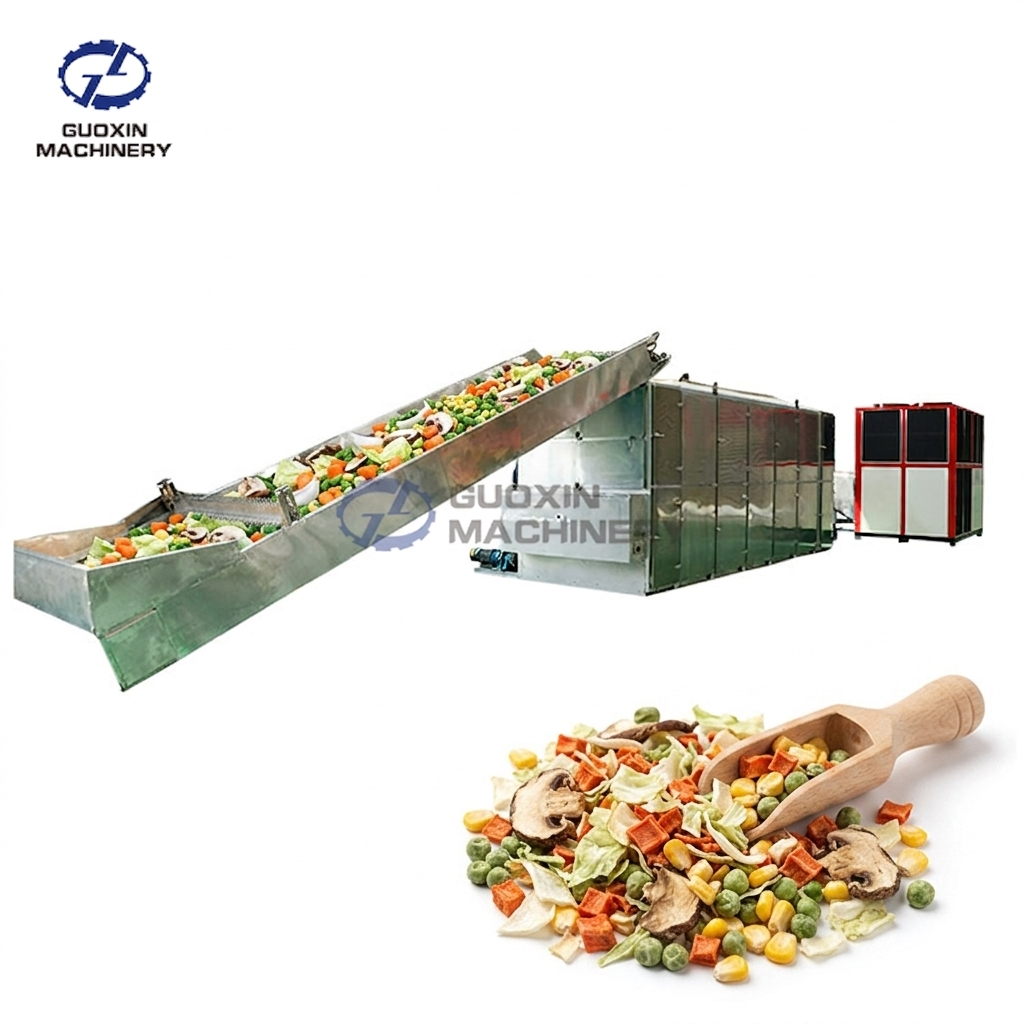
Dehydrated Vegetables for Instant Noodle Seasoning – Drying Parameters for Consistent Quality in Seasoning Packs
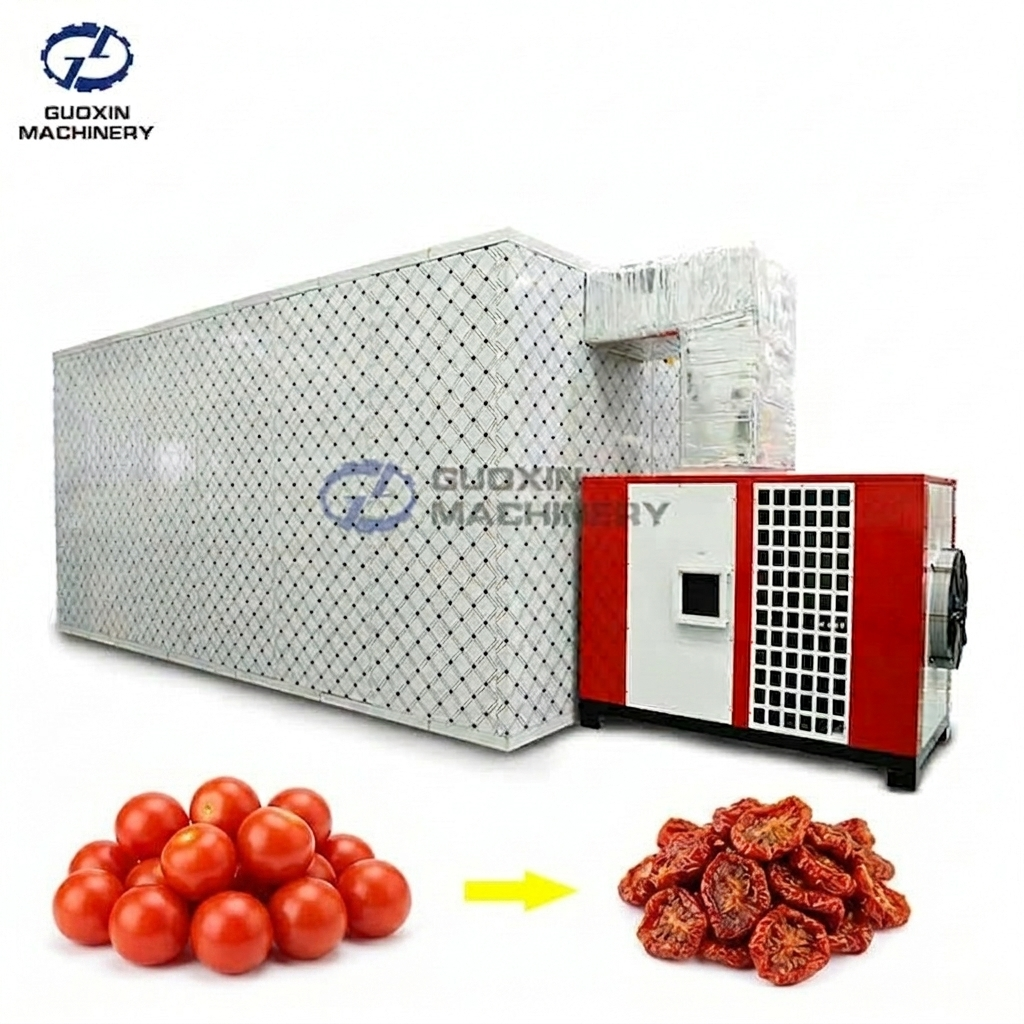
Sun-Dried Tomato Drying – Parameters for Industrial Production of Consistent Tomato Slices
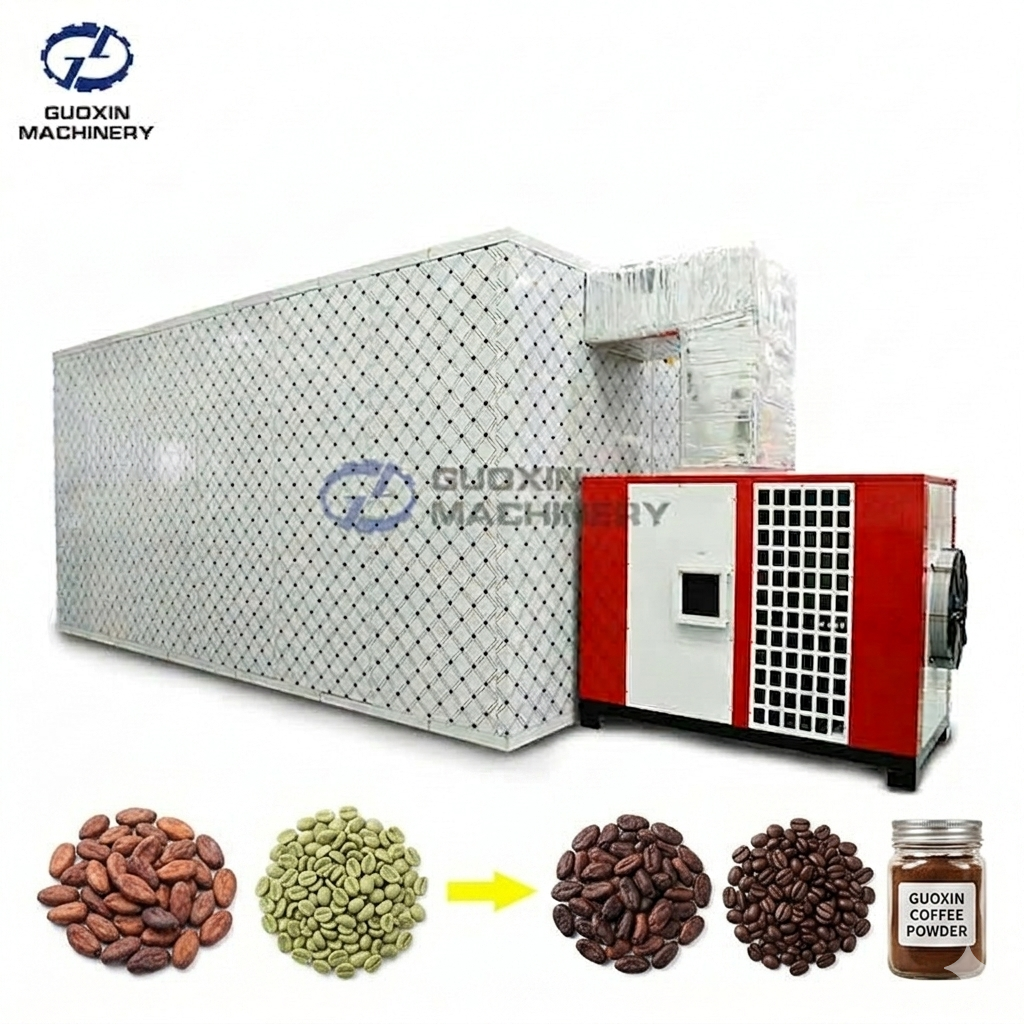
Drying Coffee Beans, Cocoa Nibs and Instant Coffee Powder