© Henan Guoxin Machinery Manufacturing Co., Ltd. All Rights Reserved.



Release time:2026-05-19
How do industrial beverage manufacturers extract moisture from instant coffee granules without destroying volatile aromas or deforming granule porosity?
In large-scale industrial coffee manufacturing, preserving the delicate matrix of volatile organic compounds (VOCs)—such as furans, pyrazines, and chlorogenic acids—is the ultimate benchmark of product quality.
Traditional high-temperature thermal convective drying causes severe aroma volatilization, lipid oxidation, and thermal degradation of caffeine fractions.
Furthermore, during the critical post-extraction agglomeration stage of instant coffee granules, mechanical hot-air sweeping often deforms or crushes the fragile porous structures, resulting in a dense powder with poor solubility.
To solve this thermodynamic challenge, Guoxin Machinery has engineered the continuous vacuum microwave coffee dryer.
By combining low-temperature sub-atmospheric vacuum environments with direct dielectric heating, our systems deliver rapid mass-transfer rates while fully locking in the premium aromatic profiles required for global export markets.
Traditional hot-air ovens dry materials from the outside in, creating a hardened surface crust. Guoxin’s industrial coffee drying machine fundamentally re-engineers this process through two distinct principles:
A. Sub-Atmospheric Boiling Points for Aroma Preservation
The essential oils and flavor precursors within coffee compounds volatilize rapidly when exposed to standard atmospheric drying temperatures above 60°C.
The Mechanism: Our continuous vacuum microwave lines maintain a strictly controlled negative pressure environment (30 mbar to 50 mbar).
The Benefit: At this barometric threshold, the boiling point of water drops to 24°C to 33°C. Because the internal chamber remains under these ultra-low temperatures, volatile aromatic fractions remain completely locked inside the cellular structure of the coffee matrix, eliminating heat browning.
B. Non-Contact Dielectric Heating Prevents Granule Collapse
During the instant coffee agglomeration phase, fine coffee powders are humidified to form porous clusters (granules) that require fast moisture extraction. High-velocity air currents in standard dryers generate mechanical drag that deforms these fragile agglomerates into high-density, poorly soluble particles.
The Mechanism:
The wet granulated matrix passes along a continuous food-grade synthetic belt through an electromagnetic microwave field. The energy targets polar water molecules directly at the core of the material.
Water vaporizes instantly from the inside out without any mechanical air disturbance. This maintains the structural porosity of the granules, ensuring instantaneous solubility when reconstituted by the end consumer.
The matrix below outlines the calibrated industrial configurations for Guoxin continuous vacuum microwave coffee processing installations.
| Operational Parameter | GX-MW-30 Vacuum System | GX-MW-75 Industrial Plant | GX-MW-120 Enterprise Line |
| Nominal Microwave Power | 30 kW | 75 kW | 120 kW+ |
| Water Evaporation Capacity | 30 kg/h to 36 kg/h | 75 kg/h to 90 kg/h | 120 kg/h to 150 kg/h |
| Chamber Vacuum Operating Range | -0.095 MPa to -0.098 MPa | -0.095 MPa to -0.098 MPa | -0.095 MPa to -0.098 MPa |
| Material Core Temp Range | 35°C to 55°C (Adjustable) | 35°C to 55°C (Adjustable) | 35°C to 55°C (Adjustable) |
| Conveyor Belt Width / Material | 800 mm (PTFE Food-Grade) | 1,000 mm (PTFE Food-Grade) | 1,200 mm (PTFE Food-Grade) |
| Magnetron Cooling Setup | Forced Air Cooled | Water-Cooled Chillers | Closed-Loop Water Chiller |
| Material Construction Build | Food-Grade SUS304 Steel | Food-Grade SUS304 Steel | Full Food-Grade SUS316L/304 |
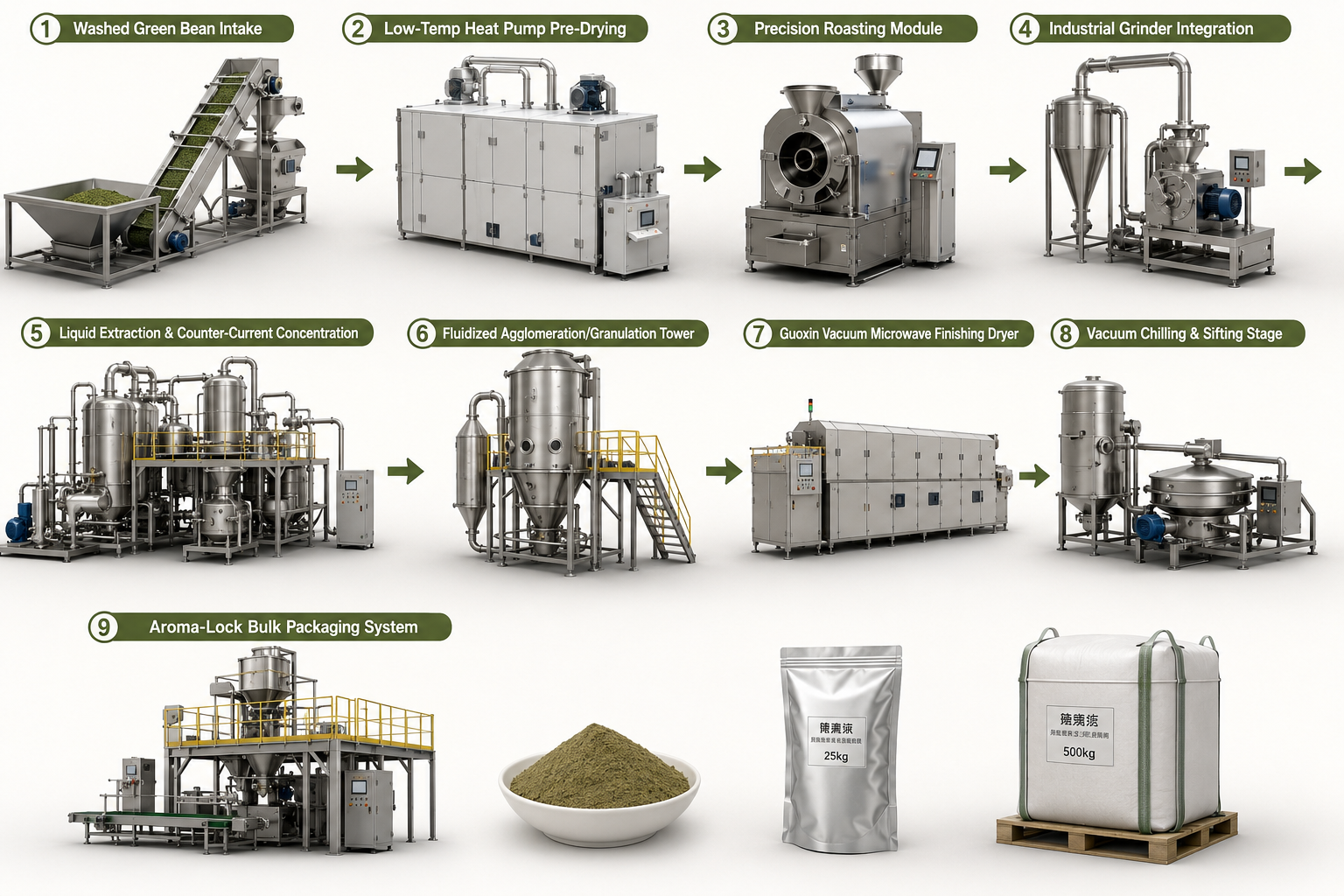
Guoxin Machinery provides complete engineering, procurement, and construction (EPC) solutions for industrial beverage plants, eliminating operational bottlenecks between separate equipment vendors:
[Green Bean Intake] → [Low-Temp Pre-Drying] → [Precision Roasting] → [Industrial Grinding] → [Liquid Extraction & Concentration] →
[Agglomeration/Granulation Tower] → [Guoxin Vacuum Microwave Finishing Dryer] → [Vacuum Chilling & Sifting] → [Aroma-Lock Packaging]
Direct Electromagnetic Efficiency:
Traditional dryers must heat the entire mass of processing air and structural steel framework before transferring thermal energy to the product surface via slow conduction. Our vacuum microwave architecture eliminates this intermediate step, achieving 60% to 75% energy savings compared to traditional open-loop electrical resistance or gas-fired convective systems.
Q1: How do I select the correct microwave power rating and capacity model for my coffee production line?
A: Model selection is governed by your hourly water evaporation requirement rather than the total raw weight of the product block. The formula relies on mass balance calculations: take your wet input volume per hour, subtract your target finished product output (maintaining a precise 2.5% to 3% residual moisture profile), and the remaining value yields your required water evaporation capacity. For specialty roasting plants processing green beans at capacities of 100 to 150 kg/h, our 30 kW configuration is standard. Enterprise instant coffee lines running continuous agglomeration towers require our 75 kW or 120 kW continuous installations.
Q2: What is the optimal factory zoning layout for a continuous vacuum microwave coffee line?
A: To satisfy international food safety standards, the line must be configured into a segregated three-zone layout. The first zone handles raw liquid extraction and granulation. The second zone houses the continuous vacuum microwave drying module, which requires a dedicated perimeter for its closed-loop water chiller and multi-stage vacuum pumps. The third zone must be a cleanroom environment with controlled relative humidity below 35% and ambient temperatures below 22°C. Because dried instant coffee granules are highly hygroscopic, they must pass from the microwave vacuum discharge lock directly into an automated packaging system within this dry zone to prevent immediate moisture re-absorption.
Q3: What are the typical investment thresholds and expected payback periods (ROI) for this technology?
A: Capital expenditure (CapEx) for a continuous vacuum microwave coffee dryer is higher than basic vertical spray towers due to the integrated vacuum engineering, automated airlocks, and advanced magnetron control arrays. However, because vacuum microwave processing retains up to 92% to 95% of native coffee volatile oils, the finished product commands a significant market premium as “Ultra-Premium Aroma-Lock Granules” compared to flat, heat-damaged spray-dried powders. Combined with a 60% to 75% reduction in utility consumption and automated PLC labor savings, industrial operators typically achieve complete capital investment recovery within 12 to 18 months of standard plant operations.
[Contact Our Engineering Team for a Technical Project Proposal & Material Dielectric Testing]
Commercial Durian Dehydration: Preserving Quality with Heat Pump Technology
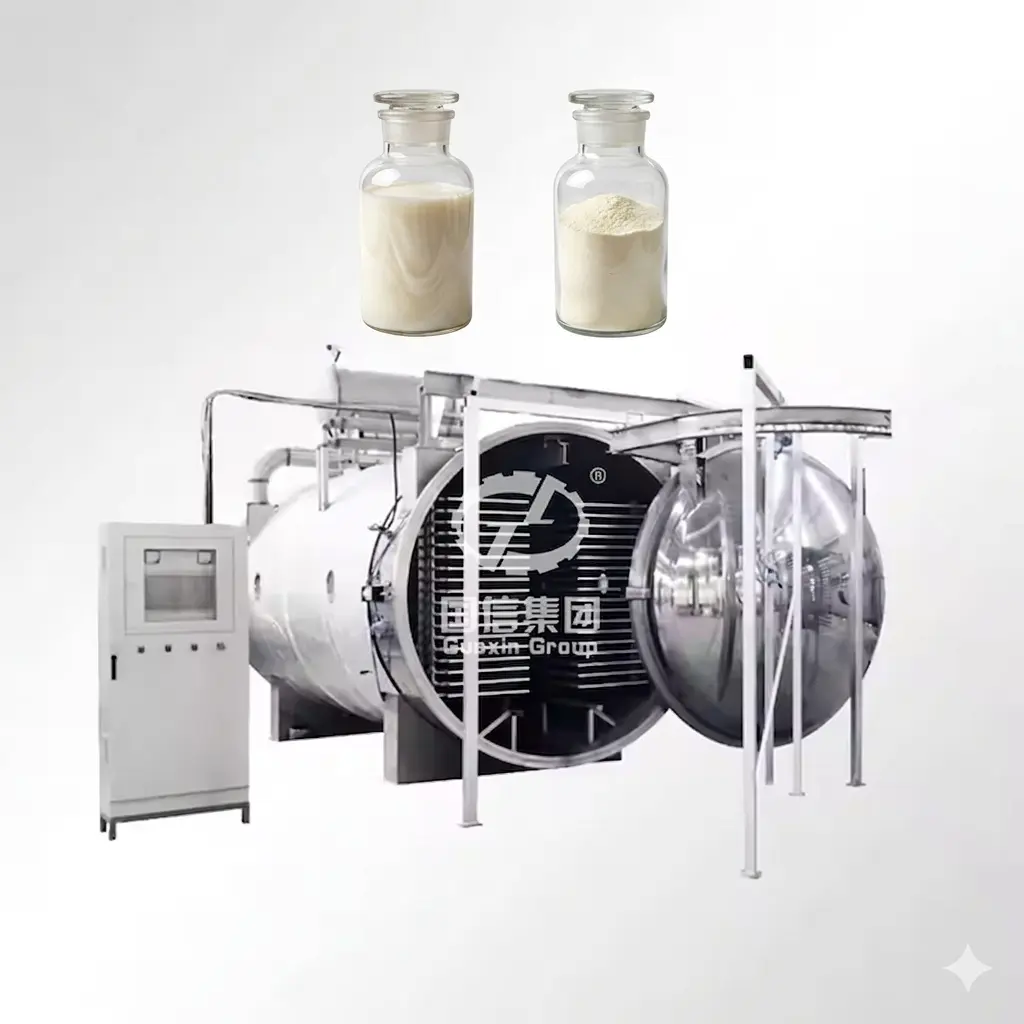
Milk Powder Drying – Parameters for Consistent Final Moisture and Functional Properties
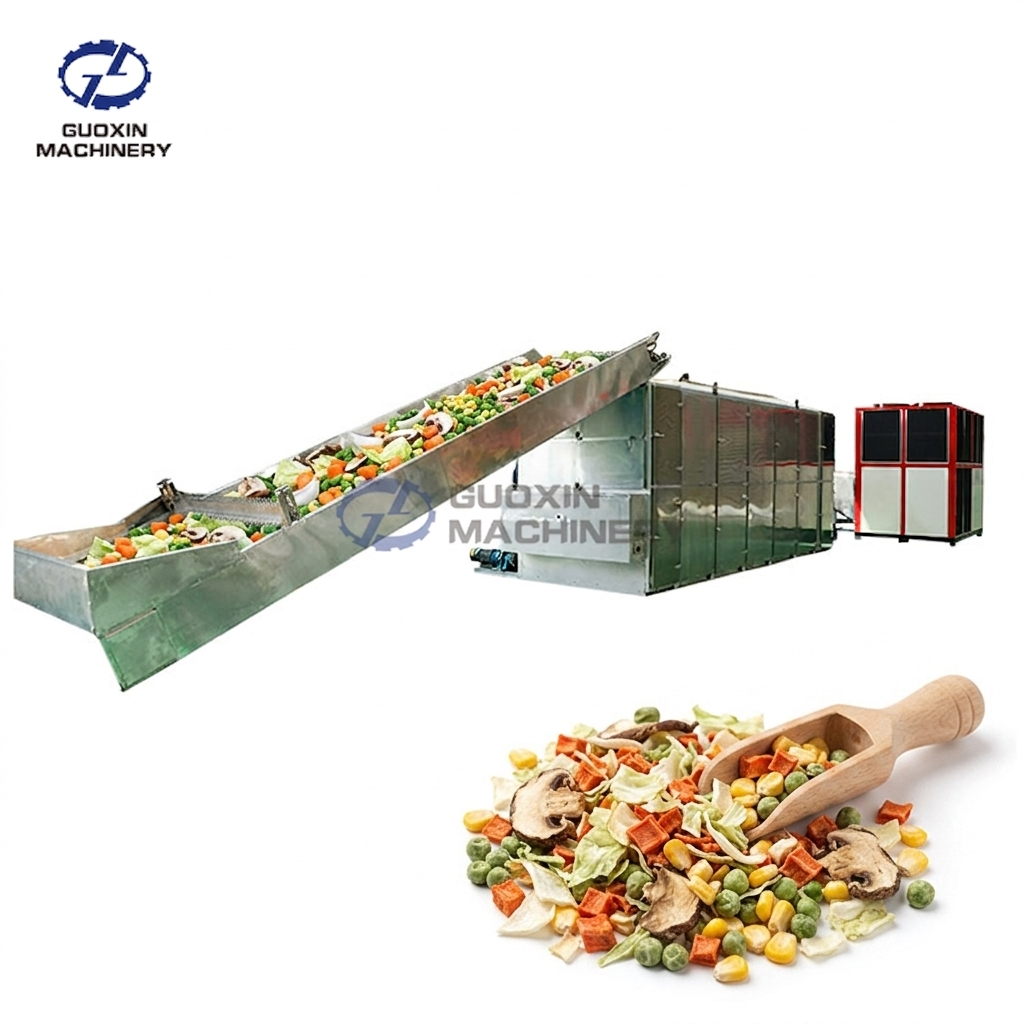
Dehydrated Vegetables for Instant Noodle Seasoning – Drying Parameters for Consistent Quality in Seasoning Packs
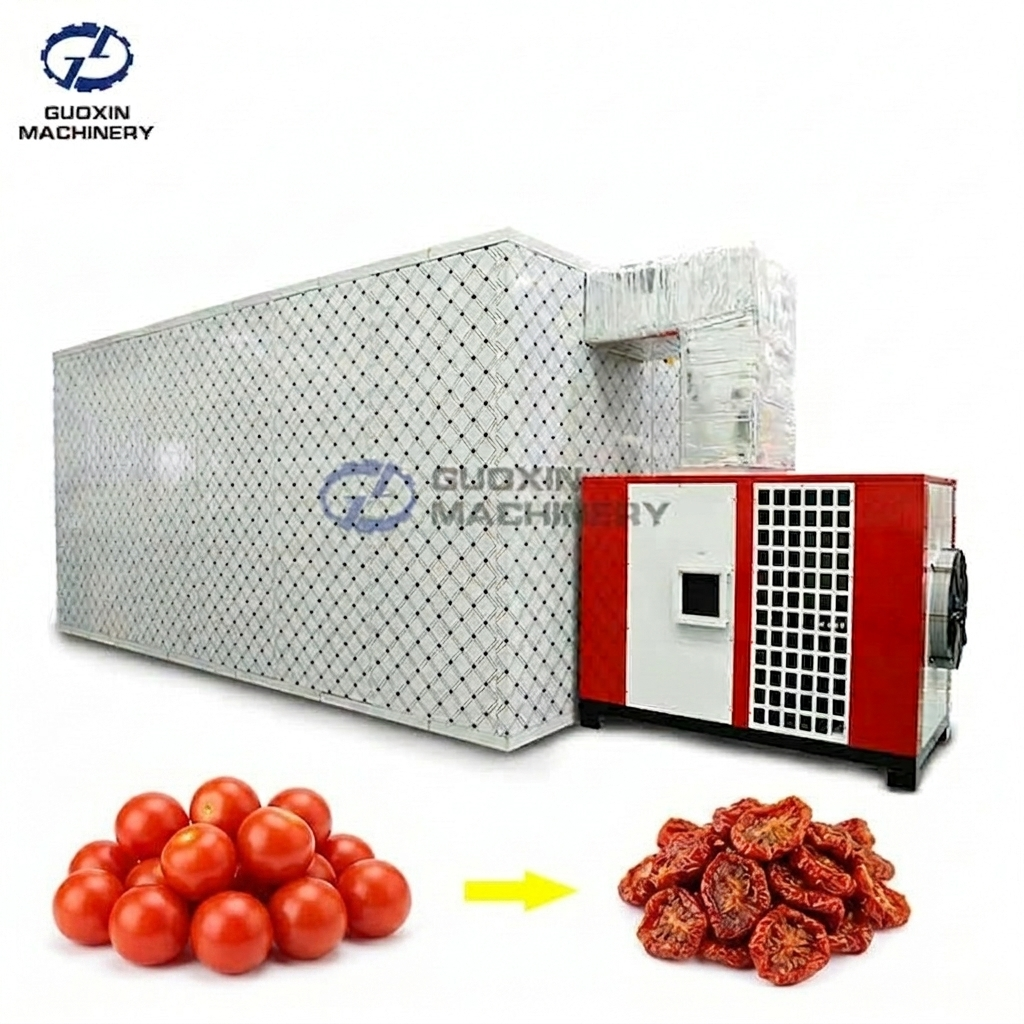
Sun-Dried Tomato Drying – Parameters for Industrial Production of Consistent Tomato Slices
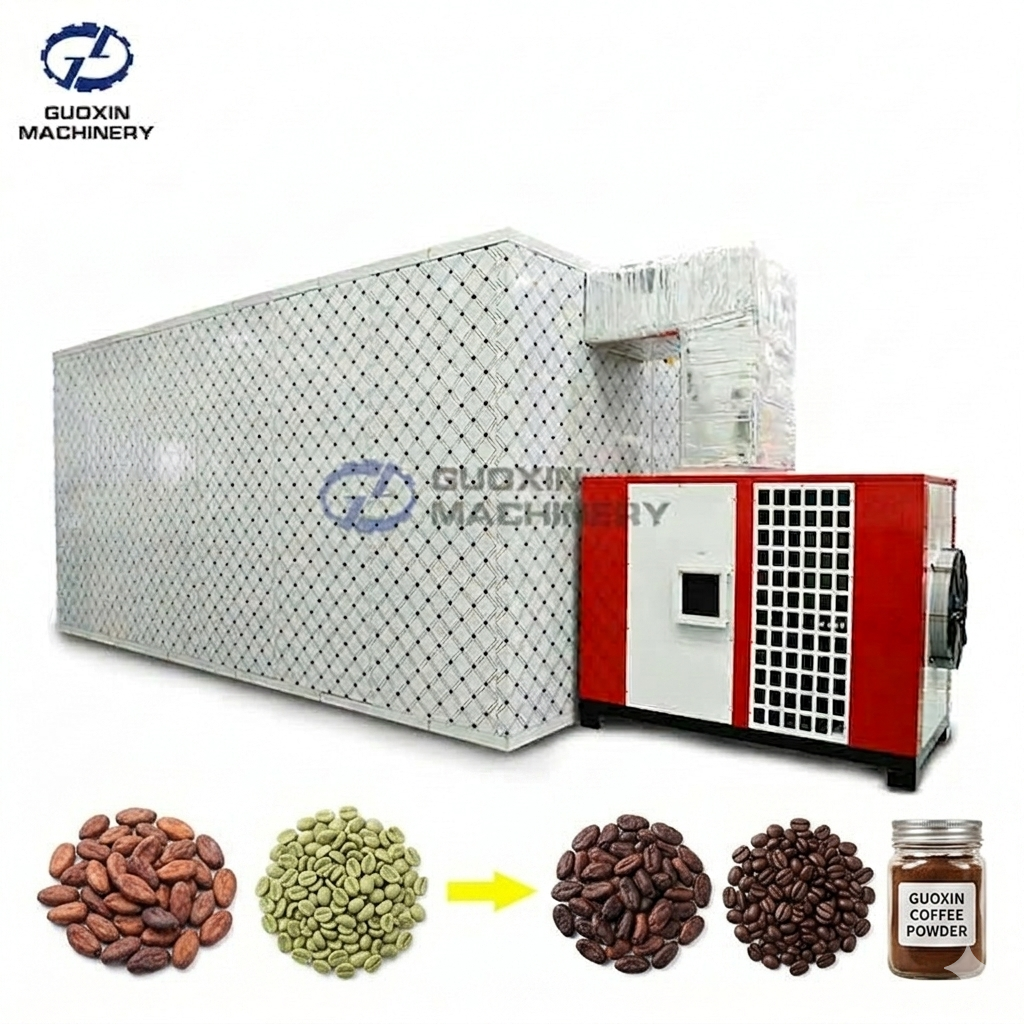
Drying Coffee Beans, Cocoa Nibs and Instant Coffee Powder