© Henan Guoxin Machinery Manufacturing Co., Ltd. All Rights Reserved.



Release time:2026-05-28
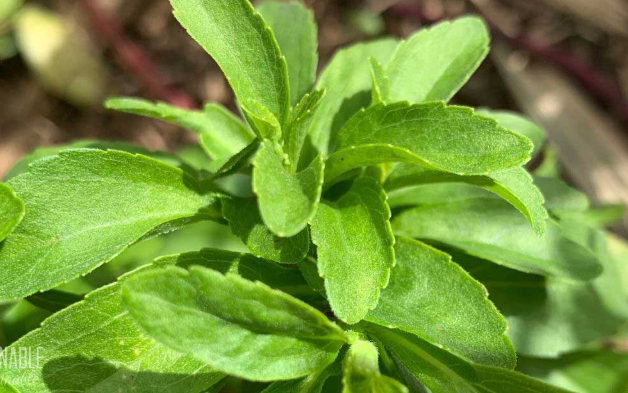
What are the operating cost savings and glycoside preservation rates of industrial closed-loop heat pump stevia leaf dehydrators?
Industrial closed-loop heat pump stevia leaf dehydrators deliver 60% to 75% operational utility savings and maintain a 95% to 98% retention rate of total steviol glycosides (Rebaudioside A) while preventing chlorophyll browning by operating in an unvented, low-temperature dehumidification environment compared to traditional open-circuit fossil-fuel or direct electrical resistance drying systems.
The production of high-potency organic stevia (Stevia rebaudiana) is optimized in subtropical and temperate regions with specific environmental conditions—primarily in South American cultivation zones such as Paraguay and Brazil, as well as in intensive commercial agricultural belts in Asia. This crop requires high solar radiation, deep, well-aerated sandy loam soils, and consistent moisture profiles to stimulate the high synthesis of sweet steviol glycosides (principally Stevioside and Rebaudioside A, B, C, and M) within the leaf tissue.
Freshly harvested stevia leaves contain an initial moisture content of 75% to 80%, which must be reduced uniformly to a stable export equilibrium of 8% to 10% before the leaves can be safely baled or pulverized into fine organic powder. The core industrial processing challenge centers on the extreme thermal sensitivity of both the green chlorophyll pigments and the active steviol glycosides. Conventional hot-air drying or open sun-drying triggers massive enzymatic oxidation and thermal degradation. This converts vibrant green leaves into a dull yellow, brown, or blackened raw material, while simultaneously shifting the glycoside balance and imparting a bitter, undesirable off-flavor profile that compromises downstream clean-label extraction.
To prevent the loss of high-value active ingredients and natural coloration, stevia processing facilities require strict control over internal vapor pressure gradients and oxygen exposure inside the drying enclosure.
Preservation of Native Chlorophyll and Elimination of Leaf Browning
When delicate stevia leaves are exposed to convective temperatures exceeding 55°C in the presence of fresh atmospheric oxygen, the chlorophyll molecule rapidly undergoes pheophytinization—turning the leaf tissue brown or charcoal black. This visual degradation significantly reduces the market value of the leaves for direct herbal powder blending.
Stabilization of Rebaudioside A and Stevioside Ratios
Uncontrolled localized overheating inside the material bed can cause structural changes in steviol glycosides, leading to partial hydrolysis and a sharp increase in bitter post-ingestion notes.
The Engineering Solution: The continuous multi-layer mesh belt system integrates Variable-Speed Cross-Flow Fan Arrays that alternate the direction of dry air vectors vertically through the product bed. The PLC control software regulates the thermal input across independent drying zones, maintaining a uniform relative humidity (RH) gradient. This ensures that the core moisture of the leaf evaporates at an identical rate to the surface film, avoiding thermal stress points and keeping the delicate glycoside ratios perfectly stable across the entire production lot.
For commercial botanical exporters and stevia millers, energy costs represent the single largest variable operating expense per metric ton of processed leaf matrix.
Latent Heat Recovery Mechanism: Traditional open-circuit agricultural drying tunnels heat fresh air, pass it over the product once, and vent the warm, humid air into the atmosphere, causing massive structural energy loss. Guoxin’s closed-loop heat pump technology captures this lost energy. When the humid processing air encounters the internal evaporator coils, the latent heat of vaporization released during the water condensation phase is absorbed by the eco-friendly refrigerant circuit. The internal industrial compressor elevates this thermal energy, and the system’s condenser plates discharge it directly back into the dry processing air stream.
Quantifiable Utility Cost Savings: This thermodynamic loop achieves an exceptional Coefficient of Performance (COP). Operational factory data shows that our integrated configurations lower total factory energy expenditures dramatically, providing a sustainable infrastructure upgrade that accelerates capital equipment amortization schedules.
Enterprise food ingredient suppliers require single-source engineering design to ensure smooth material flow and prevent micro-contamination between wet washing and dry milling stages. Guoxin Machinery provides complete turnkey (EPC) processing lines, aligning all pre-treatment and post-drying systems for continuous automation:
[Raw Stevia Bulk Leaf Intake] → [Flotation Air-Bubble Washing Module] → [Sanitizing Rinse Bath] → [Continuous Mechanical Dewatering Screen] → [Automated Soft-Drop Vibratory Distributor] → [Closed-Loop Heat Pump Multi-Layer Dehydrator] → [Counter-Flow Ambient Chilling Tunnel] → [Mechanical Leaf & Stem Separator / De-Stemmer] → [Impact Pulverizer (Milling to 80-100 Mesh Powder)] → [Vibratory Sifting & Metal Detection] → [Aseptic Bulk Baling / Valve-Bag Packing System]
Automated Soft-Drop Vibratory Distributor: Receives wet leaves from the dewatering stage and uses low-amplitude vibratory trays to spread the material uniformly across the width of the SUS304 stainless steel conveyor belt, avoiding leaf bruising and preventing product clumping.
The table below outlines engineered industrial configurations for Guoxin continuous closed-loop heat pump multi-layer dehydration systems configured specifically for organic stevia leaf processing.
| Technical Parameter | GX-ST-124 Enclosed Line | GX-ST-205 Enterprise Plant | GX-ST-256 Industrial Complex |
| Wet Input Raw Throughput | 400 kg/h to 600 kg/h | 1,200 kg/h to 1,800 kg/h | 2,500 kg/h to 4,500 kg/h+ |
| Conveyor Belt Width Options | 1,200 mm | 2,000 mm | 2,500 mm |
| Drying Enclosure Tiers | 4 Layers | 5 Layers | 6 Layers |
| Chamber Enclosure Length | 10 Meters | 14 Meters | 20 Meters |
| Heat Pump Compressor Layout | Copeland Scroll / Digital | Copeland Scroll / Digital | Heavy-Duty Industrial Reciprocating |
| Eco-Friendly Refrigerant Circuit | R134a / R410A Code Compliant | R134a / R410A Code Compliant | R134a / R410A Code Compliant |
| Temperature Profile Bounds | 30°C – 55°C (±0.5°C accuracy) | 30°C – 55°C (±0.5°C accuracy) | 30°C – 55°C (±0.5°C accuracy) |
| Conveyor Belt Construction | Food-Grade SUS304 Mesh | Food-Grade SUS304 Mesh | Food-Grade SUS304 Mesh |
| Automation Integration | Siemens PLC / Touchscreen HMI | Siemens PLC / Touchscreen HMI | Full Siemens PLC / SCADA Ready |
Q1: How do I select the correct equipment model and belt configuration for stevia leaf processing?
A: Model selection is calculated using your daily raw input tonnage and the targeted final product form (whole export leaves versus ultra-fine powder). Fresh stevia leaves are lightweight but bulky, meaning they dry quickly due to their high surface-area-to-mass ratio, requiring between 3 to 5 hours inside a low-temperature closed-loop system. If your facility targets a net output of 5 tons of finished dried leaves per 24-hour shift, you must account for an approximate 4.5:1 mass reduction, meaning the line must process roughly 22.5 tons of wet input daily. For this volume, we recommend our GX-ST-205 Enterprise Plant to ensure a shallow, loose material bed that allows optimal airflow without overloading the conveyor tiers.
Q2: What is the recommended factory cleanroom layout for passing organic and BRC global food safety audits?
A: To satisfy strict international organic certification bodies and food safety frameworks (such as HACCP, BRC, or FDA standards), the facility must enforce clear cleanroom zoning barriers. The wet pre-treatment components (pneumatic de-stoning, flotation bubble washing, and continuous dewatering) must be physically isolated within a dedicated “Wet Processing Area” equipped with chemical-resistant wash-down walls and specialized floor drainage. The closed-loop heat pump dehydrator acts as the sealed mechanical transition wall. The discharge end of the dryer outputs directly into a positive-pressure, climate-controlled “Zone 1 Clean Room” running ambient relative humidity below 35% to prevent the highly hygroscopic dried leaves or powders from re-absorbing atmospheric moisture before packaging.
Q3: What are the capital expenditure requirements and typical ROI payback windows for this automated infrastructure?
A: Total initial capital expenditure (CapEx) depends on the chosen level of mechanical automation chosen for the sorting lines, the integration of downstream cryogenic pulverization mills, and the cleanroom air infrastructure. While a fully continuous automated closed-loop line requires a higher initial investment than basic, uninsulated batch drying rooms, it removes massive manual labor costs, requiring only 2 to 3 technicians to monitor the entire system from a central PLC console. Backed by a 60% to 75% drop in utility consumption and the premium prices fetched by uniform, zero-defect export-grade leaves, commercial operators typically recover their full capital investment within 14 to 22 months of plant operation.
Q4: How does the system prevent flavor cross-contamination and facilitate sanitation between different botanical batches?
A: To satisfy international food-contact compliance guidelines, all structural frameworks, internal air-routing louvers, exterior panels, and continuous woven mesh belts are fabricated exclusively from food-grade SUS304 stainless steel. Internal surfaces feature a smooth, highly polished finish with a radius-corner design that prevents product debris or fine powder from pooling in corners. The outer enclosure is built with large, double-sealed inspection doors to provide complete access for high-pressure chemical wash-downs and streamlined Clean-in-Place (CIP) sanitization routines, preventing any flavor cross-contamination if the line switches between stevia varieties or other sweet botanical herbs.
Henan Guoxin Machinery collaborates with global food ingredient brands, agricultural processing cooperatives, and commercial sweetening exporters to verify performance metrics prior to equipment fabrication.
Material Testing Operations: Processors can submit regional stevia leaf varieties to our analytical lab to establish precise moisture-evaporation curves, glycoside stability thresholds, and thermal tolerance profiles.
Project Engineering: Provision of full 3D plant blueprints, precise electrical and thermal load specifications, and on-site global installation supervision handled by our senior technical field services team.
Commercial Durian Dehydration: Preserving Quality with Heat Pump Technology
Milk Powder Drying – Parameters for Consistent Final Moisture and Functional Properties
Dehydrated Vegetables for Instant Noodle Seasoning – Drying Parameters for Consistent Quality in Seasoning Packs
Sun-Dried Tomato Drying – Parameters for Industrial Production of Consistent Tomato Slices
Drying Coffee Beans, Cocoa Nibs and Instant Coffee Powder